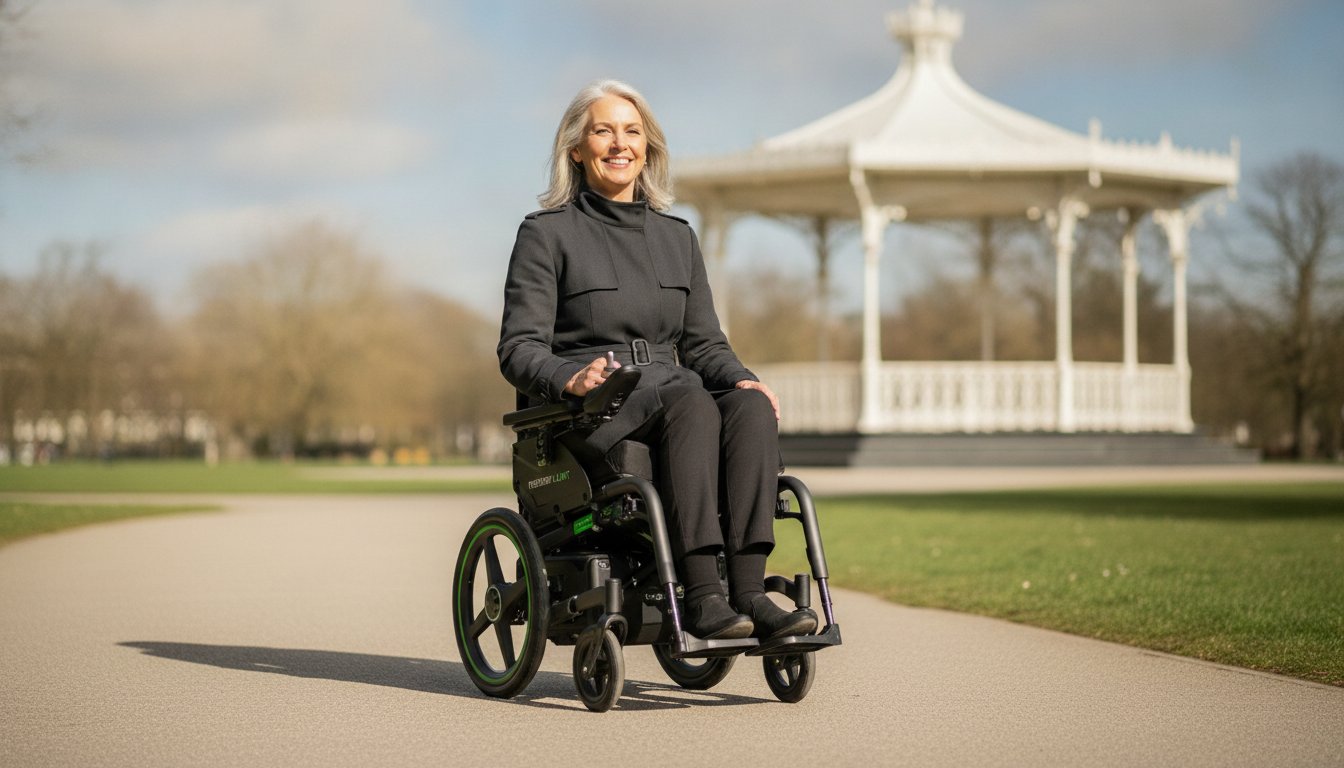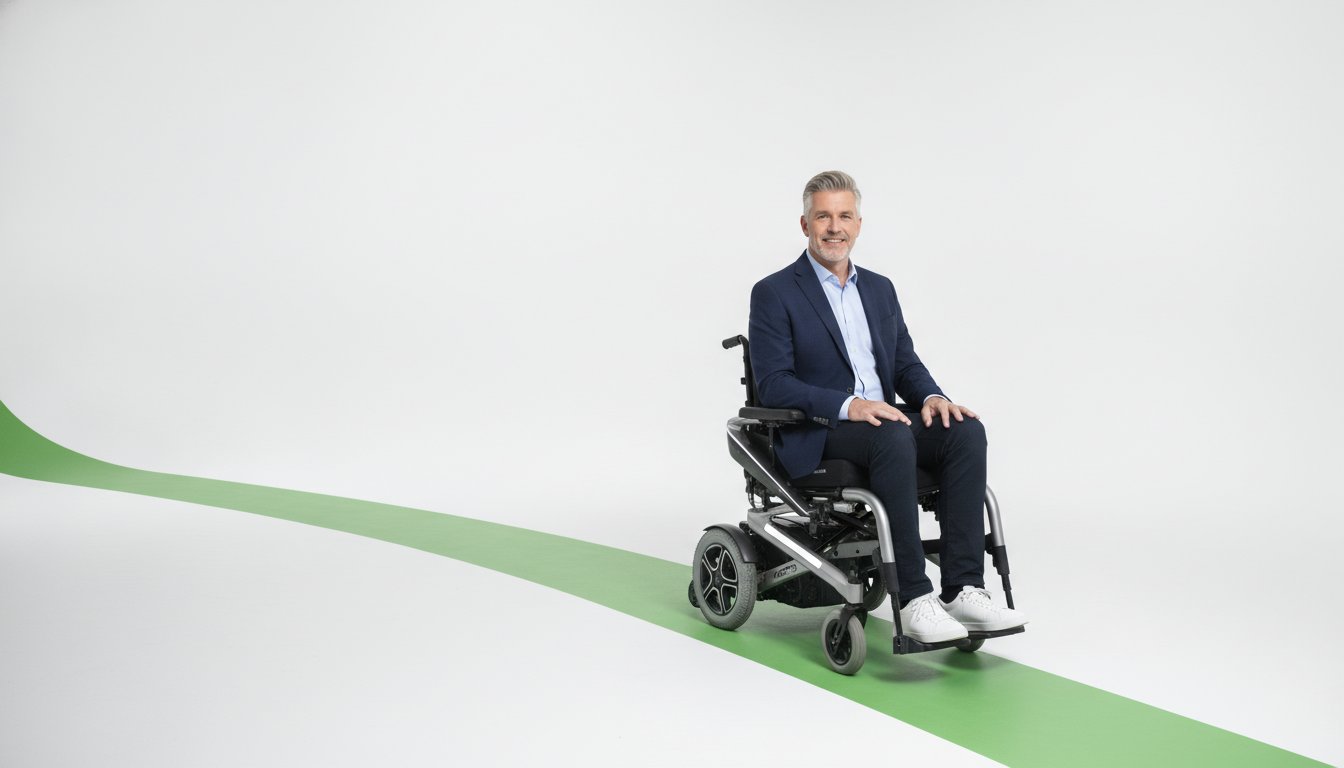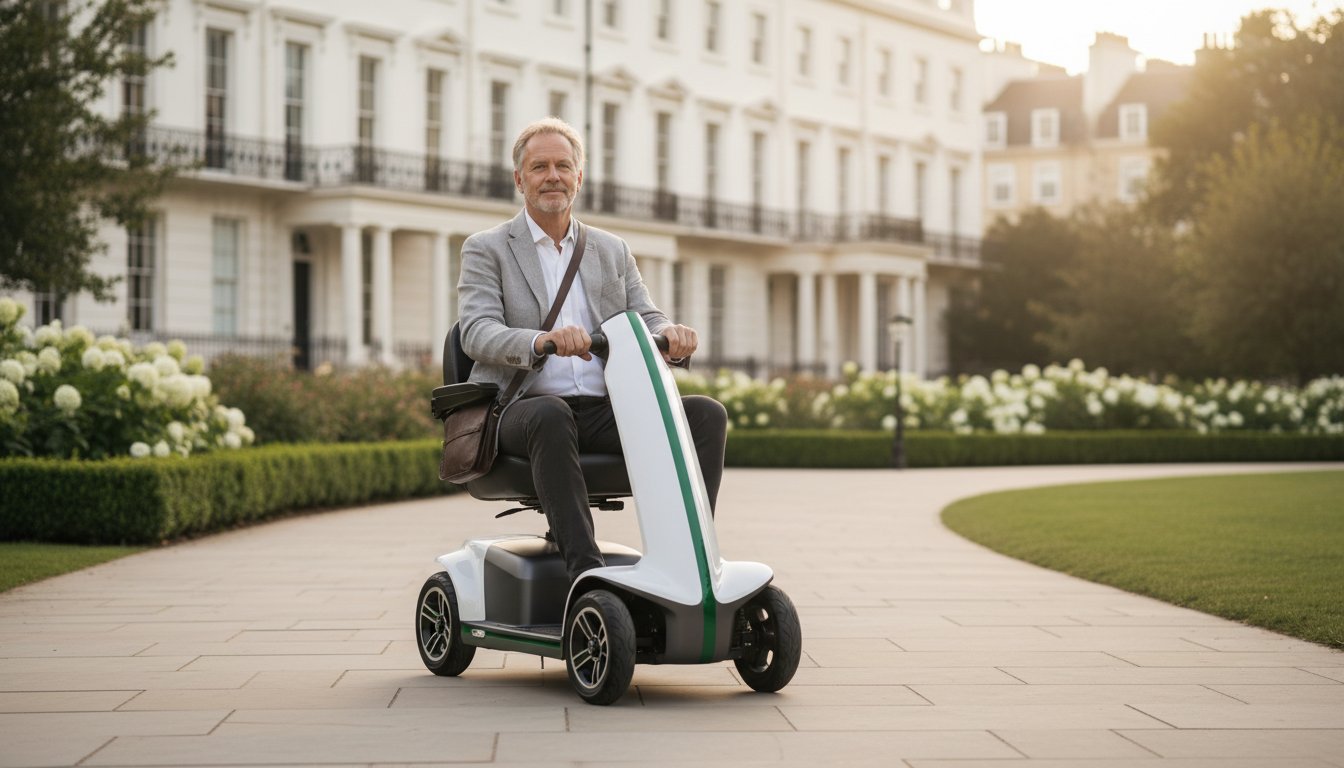
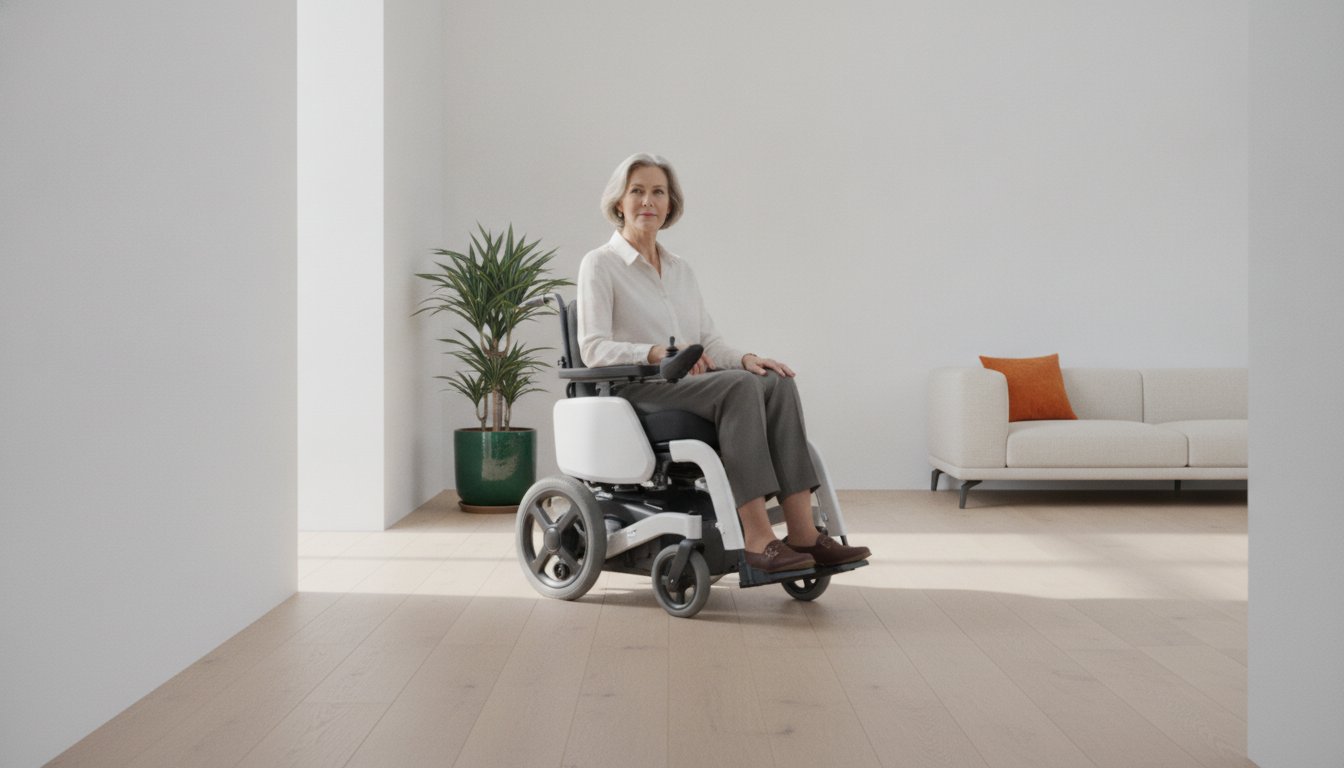
What if the narrow hallways and tight turns of a traditional British terrace weren't an obstacle, but a space you could glide through with total confidence? You likely feel that moving around your own home should be effortless, yet the reality of navigating a galley kitchen or a slim doorway often leads to more frustration than freedom. It's a common challenge to find a device that respects the compact dimensions of UK architecture without sacrificing the power you need for daily independence.
In this guide, you'll discover how to navigate your home with ease using the latest powered and manual mobility technologies designed specifically for modern living. We'll help you identify the best electric wheelchair for small homes UK residents can use to regain autonomy while ensuring every device fits your specific floor plan. We will preview the latest 2026 lightweight materials, explain the current VAT relief benefits, and show you how modern designs now blend into your home's aesthetic rather than cluttering it. It's time to stop worrying about door widths and start focusing on the joy of moving freely through your own space again.
Key Takeaways
- Understand how specialised indoor mobility devices can significantly reduce reliance on carers and boost your mental wellbeing.
- Compare manual and powered options to see why an electric wheelchair is often the more sustainable choice for conserving your daily energy.
- Learn the precise steps to measure your home's unique dimensions to ensure you select the best electric wheelchair for small homes UK living spaces demand.
- Identify the critical technical features, such as non-marking tyres and advanced braking systems, that safeguard both your safety and your home's interior.
- Discover how professional nationwide setup services can remove the complexity of transitioning to a new high-tech mobility solution.
What are Indoor Mobility Solutions and Why Do They Matter?
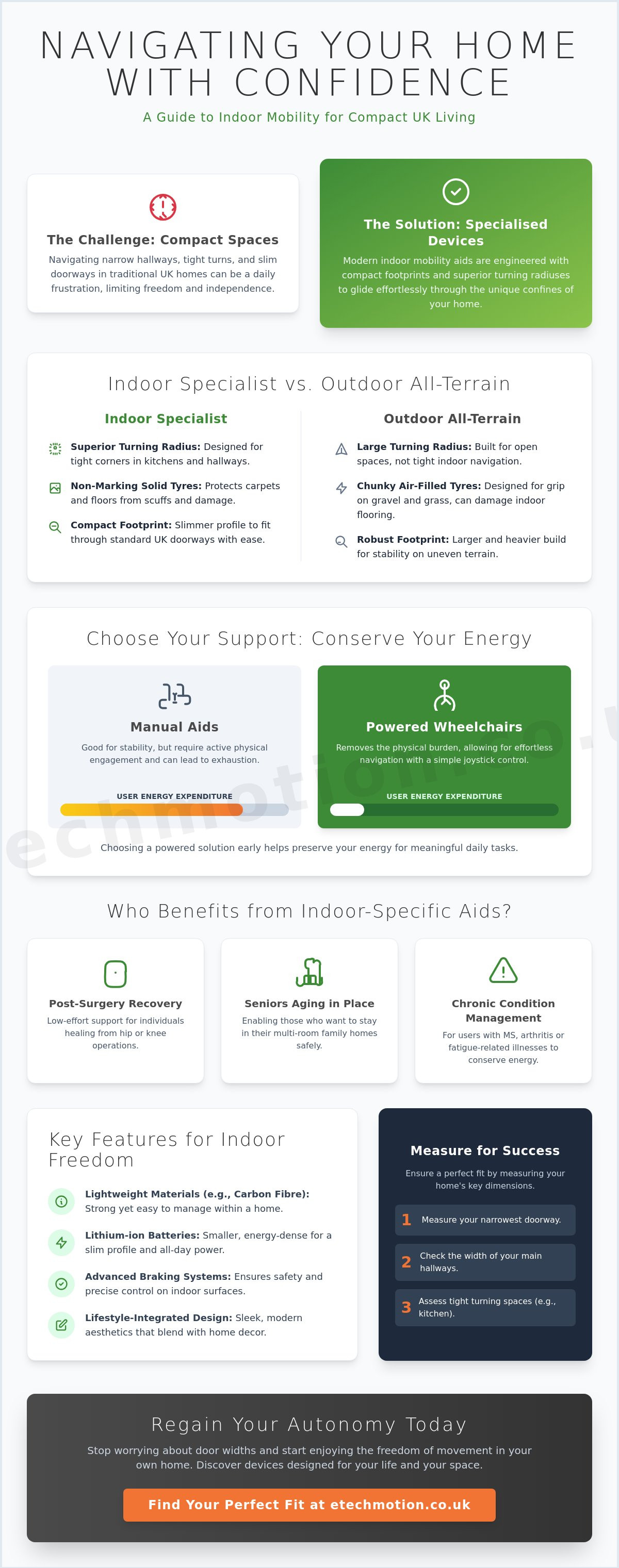
Indoor mobility solutions are specialised devices engineered to assist movement within the unique confines of domestic environments. Unlike heavy duty outdoor equipment, these aids are built to tackle the specific architectural challenges found across the UK, such as narrow corridors, steep door thresholds, and tight galley kitchens. Finding the best electric wheelchair for small homes UK residents can buy often means looking for a device that prioritises a compact footprint and a superior turning radius over raw outdoor speed.
The importance of these solutions extends far beyond simple transport. There is a significant psychological benefit to maintaining home independence. When you can move between the lounge and the kitchen without waiting for assistance, your reliance on carers drops and your sense of agency grows. This autonomy is a cornerstone of mental wellbeing, helping to prevent the feelings of isolation that often accompany reduced mobility. By 2026, the industry has shifted its focus toward "lifestyle integration," ensuring that your mobility aid feels like a part of your home rather than a piece of clinical machinery.
Technical distinctions are what make indoor-specific aids successful. While an all-terrain scooter requires high torque and chunky, air-filled tyres for gravel or grass, an indoor electric wheelchair uses precision motors and non-marking solid tyres. These components ensure you don't damage your carpets or scuff your skirting boards while navigating tight corners. The year 2026 marks a turning point in this sector, as ultra-lightweight materials like carbon fibre have become more accessible, allowing for frames that are incredibly strong yet light enough to be managed easily within a standard household.
The Evolution of Home Mobility
The Motorized wheelchair has evolved from a bulky, industrial necessity into an intelligent motorised system. Modern iterations have ditched the "medical look" in favour of sleek, contemporary aesthetics that blend with your furniture. The integration of lithium-ion technology is the real hero here. These batteries are smaller and more energy-dense than older lead-acid versions, which allows manufacturers to create slimmer profiles that still offer plenty of power for a full day of indoor activity.
Who Can Benefit from Indoor-Specific Aids?
These devices serve a wide range of needs beyond permanent disability. They are essential for:
- Post-surgery recovery: Individuals healing from hip or knee operations who need temporary, low-effort support to move around the house.
- Seniors: Those who want to stay in their multi-room family homes rather than downsizing to a bungalow.
- Chronic condition management: Users with MS, arthritis, or fatigue-related illnesses who need to conserve their energy for meaningful tasks like cooking or socialising.
Manual vs. Powered Solutions: Choosing Your Level of Support
Selecting the right mobility aid often starts with a simple question: how much physical effort can you comfortably sustain throughout the day? Manual aids like walking sticks and rollators are excellent entry points for those who retain high stability and upper body strength. These tools provide a sense of groundedness, but they do require active physical engagement. If you find that pushing a frame across a thick carpet leaves you breathless, the benefit of stability is quickly outweighed by the cost of exhaustion. This is why many users are now transitioning toward motorised support earlier to preserve their daily energy levels.
For those who require a middle ground, lightweight transit chairs offer a hybrid solution. These are ideal for assisted movement through exceptionally narrow doorways where a standard chair might struggle. However, transit chairs rely on a companion to push, which can limit your spontaneous movement within the home. To achieve true autonomy, moving to a powered system is the most effective route. An electric wheelchair removes the physical burden of self-propulsion, allowing you to navigate your kitchen or living room with a simple flick of a joystick. It's about shifting the work from your joints to a reliable motor.
When to Choose a Walking Aid
For individuals who maintain significant mobility but need a safety net, walking aids for elderly users offer essential stability. A mobility walker frame is particularly useful because it provides a mobile seat, allowing you to rest whenever needed. Before committing to a manual frame, check your flooring types. While these aids feel secure on short-pile carpets, they can sometimes feel less stable on slick laminate or polished tiles if the rubber ferrules aren't kept in top condition.
The Case for Powered Indoor Mobility
If chronic conditions like arthritis or MS make manual movement painful, powered solutions provide a transformative upgrade. Motorised options eliminate the fatigue that often leads to falls. When searching for the best electric wheelchair for small homes UK homes often require models with a tight turning circle to handle 19th-century architecture and slim hallways. Modern joystick controls allow for incredible precision, enabling you to inch forward toward a worktop or pivot 360 degrees in a tiny hallway. If storage is a concern, folding electric wheelchairs offer the perfect compromise, as they can be tucked away in a cupboard when guests arrive. You can explore a variety of these agile systems at Etech Motion to find a fit that matches your home's layout.
Measuring Your Home for Mobility Success
Successful indoor mobility begins with a tape measure. Guesswork often leads to frustration, especially when a new device arrives and struggles to clear a specific doorway or turn a tight corner. To ensure your home is ready, you must measure the "clear opening width" of your door frames. This is the actual space available when the door is open at a 90-degree angle, measured from the face of the door to the opposite frame stop. If you find your frames are particularly slim, identifying the best electric wheelchair for small homes UK residents prefer often involves looking for models with a total width of 600mm or less.
Beyond the doorways, you need to identify potential pinch points. These are the narrow sections of your home where furniture or architectural features, such as radiators and hall stands, reduce the available floor space. Take a walk through your daily routine and note any area where the width drops below 800mm. Additionally, assess your floor surfaces. Transitioning from a smooth kitchen tile to a deep-pile living room carpet requires a device with enough motor efficiency to handle the increased friction without draining the battery too quickly.
Critical Dimensions for UK Homes
Standard UK internal door widths are typically 762mm, though older Victorian or Georgian properties often feature much narrower openings. When comparing specifications, remember that the turning radius refers to the amount of floor space a device needs to perform a complete 360-degree turn in one continuous motion. This is the most critical specification for indoor use because it dictates whether you can turn around in a hallway or bathroom. You should also measure the height of thresholds and weather bars at your front and back doors; anything over 20mm may require a small threshold ramp to prevent the device from grounding.
Optimising Your Layout for a Mobility Device
Small adjustments to your environment can make a massive difference in how easily you navigate. Start by removing loose rugs, which can bunch up under wheels and create trip hazards. Rearranging furniture to create "mobility highways" ensures you aren't constantly performing complex manoeuvres just to reach the kettle. For the most comfortable experience, aim to maintain at least one clear floor space of 1500mm x 1500mm in your main living area to allow for effortless 360-degree turns. Finally, establish a dedicated charging station near a power point where the cable won't cross a walking path. Selecting the best electric wheelchair for small homes UK living requires this balance of a compact device and a thoughtfully prepared environment.
Key Features of Effective Indoor Mobility Devices
When you're choosing a device for daily indoor use, the technical specifications matter just as much as the overall size. Non-marking tyres are a non-negotiable feature. These solid, light-coloured tyres ensure you don't leave unsightly streaks on polished wood floors or light carpets while turning. Safety in confined spaces is equally vital. Electromagnetic braking systems provide an essential layer of protection by ensuring the device stops instantly the moment you release the joystick. This prevents accidental collisions with furniture or door frames, giving you precise control in tight spots.
The layout of the wheels significantly impacts your agility. While rear-wheel drive offers great stability, mid-wheel drive systems often provide the tightest turning circles because the chair pivots around its own centre. This configuration is frequently found in the best electric wheelchair for small homes UK residents choose, as it allows for 360-degree rotations in hallways that would stump larger models. Additionally, look for adjustable or flip-back armrests. These allow you to pull right up to a dining table or desk, integrating your mobility aid into your existing furniture rather than feeling separated from it.
Portability and Storage Solutions
Modern innovation has led to the rise of mobility scooters that can fold automatically at the touch of a button. This makes them easy to tuck into a hallway cupboard or under the stairs when not in use. Weight is another critical factor; if you frequently travel, you'll want a frame that a carer can lift into a car boot without strain. Off-board charging via quick-release batteries adds another layer of convenience, letting you charge the power pack at any standard wall socket while the chair stays parked elsewhere.
Durability and Heavy-Duty Requirements
For those requiring higher weight capacities or more robust support, a heavy duty electric wheelchair provides the necessary reinforcement without sacrificing indoor manoeuvrability. These models feature high-torque motors specifically designed to maintain speed when crossing thick, high-pile domestic carpets that might bog down lighter frames. Ergonomic seating and breathable fabrics ensure you stay comfortable during long periods of use, making the chair a true extension of your home life. You can explore our complete range of high-performance models at Etech Motion to find the perfect balance of power and size for your home.
Securing Your Independence with Etech Motion
Choosing the right equipment is only the first step toward reclaiming your home. The partner you select to supply and maintain that equipment determines the long-term success of your mobility journey. Etech Motion is committed to providing the UK’s most advanced powered mobility solutions, ensuring that every electric wheelchair we offer meets rigorous safety standards and quality benchmarks. Operating from our comprehensive facility, which includes a dedicated showroom and warehouse, we provide a tangible point of accountability that general online retailers simply cannot match. We don't just ship boxes; we deliver life-changing tools designed for the realities of British living.
Our professional nationwide delivery and set-up service removes the stress of transitioning to a new device. Instead of struggling with heavy packaging or complex manuals, our team ensures your device is ready to use the moment it arrives. If you're living with a chronic condition or disability, you can also access significant savings through VAT relief. Under current UK regulations, eligible individuals can purchase mobility aids at 0% VAT rather than the standard 20%. This relief applies to products designed solely for personal use by disabled people, and our team is here to help you navigate the simple declaration process required to secure these savings.
Why Choose a Specialist Retailer?
Technical expertise is vital when you're trying to find the best electric wheelchair for small homes UK architecture can accommodate. A standard high-street shop often lacks the depth of knowledge required to explain the nuances of brushless motors or lithium-ion battery cycles. We offer a curated range of high-performance wheelchairs and scooters selected specifically for their reliability in the UK market. Our specialists provide transparent advice, helping you match a device’s turning radius and total width to the specific measurements of your hallways and door frames. This precision ensures you don't end up with a device that's too bulky for your living space.
Next Steps to Home Freedom
Regaining your autonomy in the kitchen, lounge, and bedroom is closer than you think. You can start by reviewing our detailed online resources and technical specifications, which provide the clarity you need to make an informed decision. If you have specific questions about floor thresholds or charging requirements, our mobility specialists are available for consultations to guide you through the selection process. We believe that movement is a fundamental right, and we're here to support you with expert maintenance and advice long after your purchase. Explore our full range of electric wheelchairs and regain your independence today.
Embrace a Future of Effortless Home Movement
Regaining your independence within your own four walls is about more than just equipment; it's about finding a solution that respects the unique character of your home. By accurately measuring your clear opening widths and prioritising a tight turning radius, you've already taken the most important steps toward a safer and more autonomous lifestyle. Finding the best electric wheelchair for small homes UK architecture demands is now easier than ever thanks to modern lithium-ion technology and ultra-lightweight frames that don't compromise on durability.
At Etech Motion, we're here to guide you through every stage of this transition. Our specialist technical support team is ready to help you navigate technical specifications; our nationwide UK delivery ensures your new device arrives safely at your doorstep. Don't forget that VAT relief is available on eligible orders for those with chronic conditions, making advanced mobility more accessible. Browse our advanced range of indoor mobility solutions today and take the first step toward a more active, independent daily routine. Your home should be a place of freedom, and with the right support, it always will be.
Frequently Asked Questions
What is the best indoor mobility aid for a very small house?
A compact electric wheelchair with a mid-wheel drive system is typically the most effective choice for limited spaces. These devices pivot around their own centre, allowing you to turn 360 degrees in tight areas like bathrooms or kitchens. When searching for the best electric wheelchair for small homes UK architecture often requires a model with a total width of 600mm or less to ensure smooth passage through every room.
Can I get VAT relief on indoor mobility solutions in the UK?
You can purchase eligible mobility products at 0% VAT if you're chronically sick or disabled and the item is for personal use. This 20% saving applies to most electric wheelchairs and scooters designed specifically for disabled users. You'll simply need to sign a self-declaration form at the point of purchase to confirm your eligibility under HMRC rules.
Do electric wheelchairs mark or damage indoor carpets?
Modern indoor devices use non-marking tyres specifically designed to protect your flooring. These tyres are usually made from a light-coloured, solid compound that won't leave black streaks on laminate or scuff light-coloured carpets. This feature is a standard requirement for any device intended for frequent domestic use, ensuring your home stays in pristine condition while you move freely.
How wide does a door need to be for a standard power chair?
Most standard power chairs require a clear opening width of at least 650mm to 700mm for comfortable access. While a standard UK internal door is 762mm wide, the actual clear space is often less due to the door's thickness when open. It's vital to measure the gap from the door face to the opposite frame to ensure your chosen chair can pass without clipping the woodwork.
What is the difference between an indoor and an outdoor mobility scooter?
Indoor scooters prioritise a compact frame and a tight turning radius to navigate furniture and narrow hallways. In contrast, outdoor models feature larger tyres, advanced suspension systems, and higher torque motors to handle uneven terrain like gravel or grass. Indoor-specific models also tend to be lighter and more portable, often featuring folding mechanisms for easy storage in a hallway cupboard.
How often do I need to charge an indoor electric wheelchair?
You'll typically need to charge your device every one to two days depending on how much you move around your home. Modern lithium-ion batteries are highly efficient and don't suffer from memory effect, so you can top them up overnight even if they aren't fully depleted. Frequent charging ensures the battery remains healthy and your device is always ready for a full day of activity.
Are there mobility aids specifically designed for narrow hallways?
Many manufacturers produce slimline power chairs and narrow-track rollators specifically for traditional UK homes. The best electric wheelchair for small homes UK residents often select will have a narrow-track design that keeps the wheels tucked under the seat. This reduces the overall footprint, making it much easier to traverse slim corridors without needing to perform complex multi-point turns.
Can I use a heavy-duty wheelchair indoors?
You can certainly use a heavy-duty model indoors as long as its external dimensions fit through your door frames. These chairs are often beneficial for homes with deep-pile carpets, as their more powerful motors and higher torque handle the extra resistance easily. Many contemporary heavy-duty designs are surprisingly agile, offering the same precision control as their lightweight counterparts.