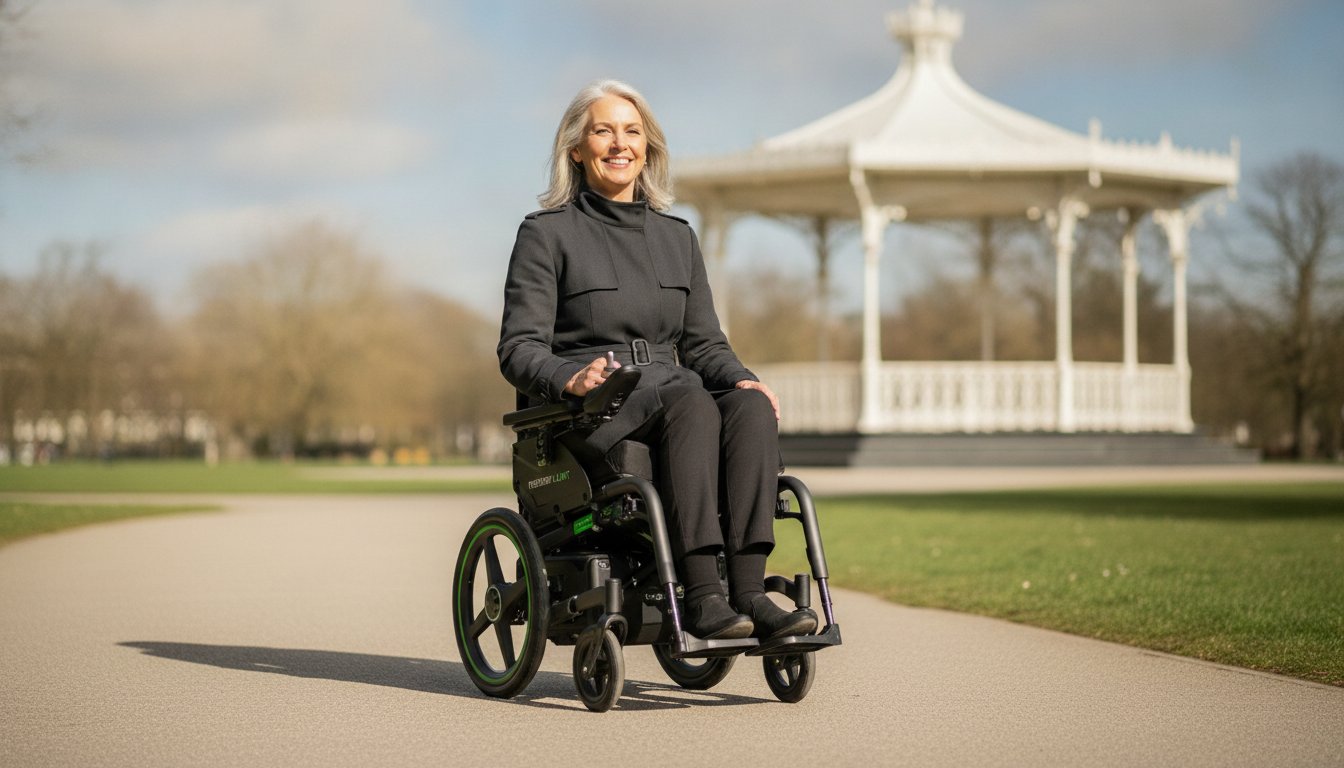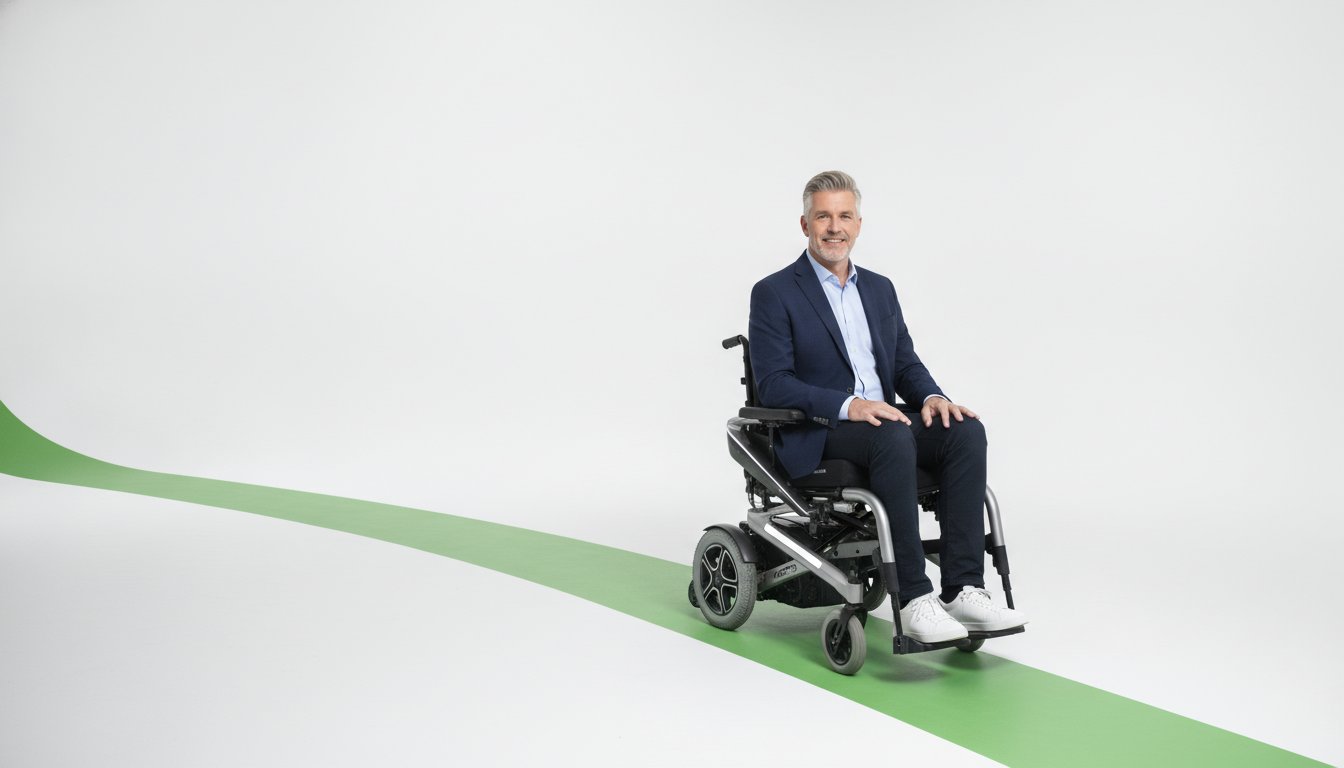
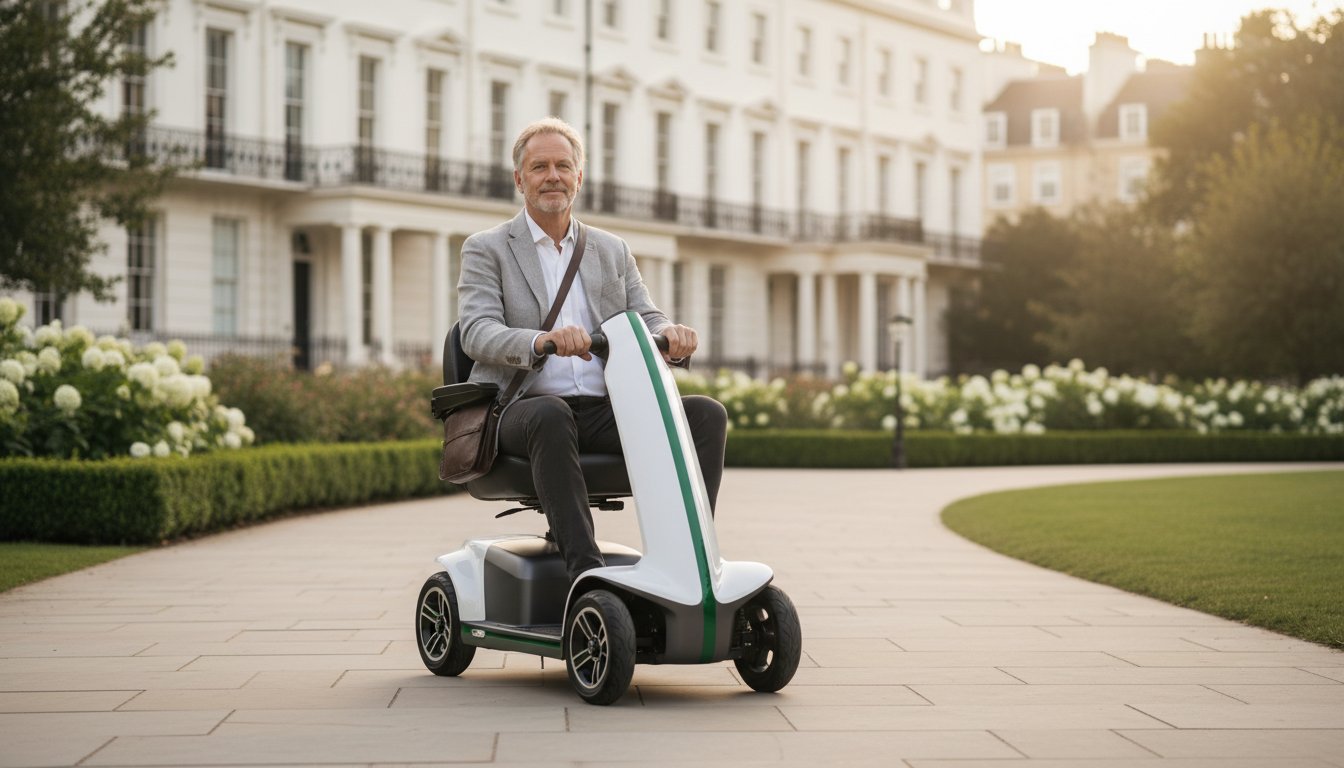
The very tool you use for stability might be the reason you're staying home more often. While a manual frame provides essential support, there comes a point where it limits your world rather than expanding it. You've likely felt the deep fatigue after a short trip to the shops or the fear of a stumble on a cracked pavement. Knowing when to upgrade from a walker to a scooter is a tactical decision to stop managing your pain and start enjoying your day.
You deserve to travel further without discomfort and keep pace with your family during weekend outings. In this 2026 guide, we'll walk you through the physical signs and lifestyle shifts that signal it's time for a change. We'll also cover practicalities, from navigating the current Department for Transport's modernization of mobility laws to finding a mobility scooter that fits perfectly in your car boot. It's time to move from simply getting around to truly moving forward with confidence and ease.
Key Takeaways
- Learn how to identify "walker fatigue" and the subtle ways it impacts your posture and energy levels throughout the day.
- Discover the specific physical red flags that signal exactly when to upgrade from a walker to a scooter to prevent chronic pain and social isolation.
- Explore how transitioning to a powered mobility scooter can expand your travel range from mere metres to several miles, restoring your access to the high street.
- Get practical advice on preparing your home for a new device, including storage considerations and essential consultations with healthcare professionals.
- Find out why choosing a lightweight, folding mobility scooter provides the perfect balance of independence and portable convenience for your lifestyle.
Recognising the Limits of Your Mobility Walker Frame
A manual walker serves a vital purpose by providing immediate stability for those with balance concerns. However, its utility is fundamentally different from that of a powered device. While a walker is a tool for short-distance support, a scooter is a vehicle for range. Many users find themselves stuck in a cycle of "pushing through" discomfort, unaware that their equipment is no longer fit for their expanding needs. Knowing when to upgrade from a walker to a scooter often starts with noticing how much energy you expend just to reach the end of your driveway.
"Walker fatigue" isn't just about feeling tired; it's a clinical shift in your posture. As you grow weary, you might find yourself leaning further over the handles. This places immense pressure on your lower back and shifts your centre of gravity. This hunching is a clear sign that the frame is becoming a hindrance. Walkers are generally unsuitable for distances exceeding 100 yards. Beyond this point, the mechanical effort required to move the frame often outweighs the stability it provides. Ignoring this threshold can lead to a "hidden cost" of chronic pain that lingers long after you've returned home.
The Physical Strain of Long-Distance Walking
Relying on a manual frame for extended periods often leads to secondary strain in the shoulders and wrists. Every time you lift or push the walker over uneven UK pavements, your upper body absorbs the shock. If you've noticed that your "rest stops" are becoming more frequent than your actual walking time, your body is signalling that the manual effort has become unsustainable. This transition point is a key indicator of when to upgrade from a walker to a scooter to protect your joints from unnecessary wear.
Safety Limitations of Walking Frames
Safety is the primary reason many choose a mobility walker frame, but that safety diminishes as you tire. Exhaustion increases the risk of the frame tipping, especially on steep inclines or loose gravel paths common in British parks. A Mobility scooter offers a more robust solution for these environments. Frames are excellent for indoor navigation or quick, flat trips to a nearby car, but they lack the wheelbase stability needed for unpredictable outdoor terrain. Recognising these limits is the first step toward reclaiming your confidence in the world around you.
5 Red Flags: When to Upgrade to a Mobility Scooter
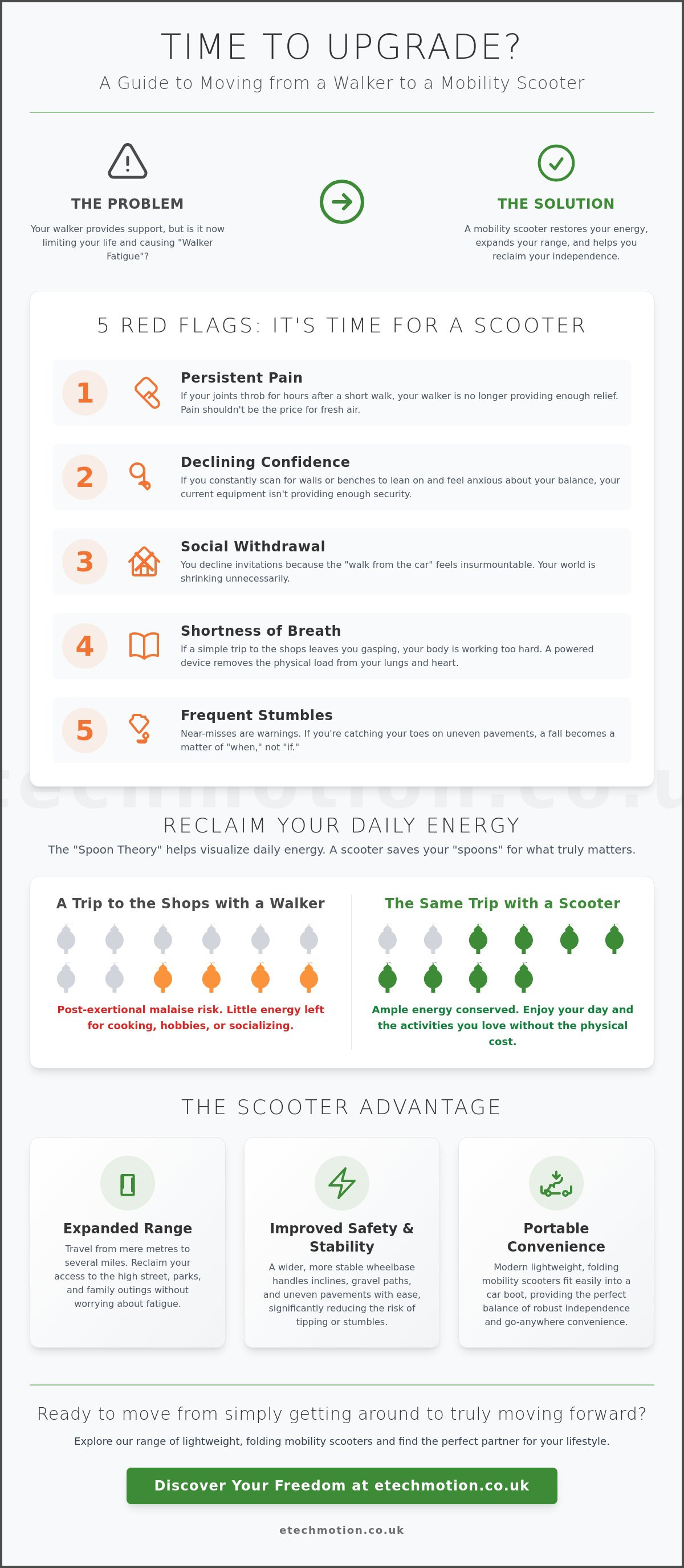
Deciding to move from a manual aid to a powered one is a significant milestone. It isn't a sign of giving up; it's a proactive choice to maintain your lifestyle and expand your personal territory. If you're unsure if you've reached that point, look for these five specific red flags that indicate when to upgrade from a walker to a scooter.
- Persistent Pain: If your joints throb for hours after a short walk, your walker is no longer providing enough relief. Pain shouldn't be the price you pay for a breath of fresh air or a trip to the local shops.
- Declining Confidence: Even with a sturdy four-wheeled rollator, you might feel a lingering anxiety about your balance. If you're constantly scanning for the next wall or bench to lean on, your confidence has outpaced your current equipment.
- Social Withdrawal: You start declining invitations to garden centres or family gatherings. If the "walk from the car" feels like an insurmountable hurdle, your world is shrinking unnecessarily.
- Shortness of Breath: If a simple shopping trip leaves you gasping for air, your body is working too hard. A powered device takes the physical load off your lungs and heart, letting you breathe easily.
- Frequent Stumbles: Near-misses are warnings. If you're catching your toes on uneven pavements or feeling "wobbly" more often, a fall is becoming a matter of "when" rather than "if."
Assessing Your Energy Levels
Many people use the "Spoon Theory" to describe their daily energy. Imagine you start each day with twelve spoons. If using a walker to get to the post office costs you eight spoons, you've got very little left for cooking, hobbies, or socialising. This often leads to post-exertional malaise, a state of total exhaustion that can last for days after a simple outing. We define your mobility threshold as the point where the physical effort of moving exceeds the enjoyment of the destination. If you're spending all your "spoons" just to move, it's time to consider an electric folding mobility scooter to preserve your energy for the things you love.
Social and Mental Health Indicators
Isolation is a growing concern for seniors across the UK, often stemming from the fear of being the "slowest" person in a group. You might worry about holding up your grandchildren or being a burden on a group walk. A scooter eliminates this anxiety entirely. It allows you to lead the way rather than trailing behind. By focusing on the freedom of the destination rather than the device itself, you can overcome any lingering stigma. Modern designs are sleek and efficient, positioning you as a tech-savvy explorer rather than someone with limited options. Reclaiming your place in the community starts with choosing the right tool for the job. Knowing when to upgrade from a walker to a scooter is about recognising that your mental well-being is just as important as your physical safety.
The Scooter Advantage: Range, Speed, and Stability
While a walker provides a steadying hand for short distances, it cannot compete with the sheer range a powered device offers. Transitioning to a mobility scooter fundamentally changes your daily radius. Instead of measuring your outings in metres before fatigue sets in, you can measure them in miles. This shift offers a massive psychological boost, allowing you to reclaim the high street and visit shops or parks that were previously out of reach. Identifying when to upgrade from a walker to a scooter is often the moment you decide to stop measuring your day by how much pain you can tolerate.
Stability is another critical factor where the two devices differ. A walker requires you to maintain a standing posture, which becomes increasingly difficult as your muscles tire. In contrast, a scooter provides a secure, seated position that eliminates the risk of a fall due to exhaustion. Modern 2026 models have moved far beyond the bulky, industrial designs of the past. Today's options are sleek, responsive, and designed to integrate into a busy life rather than dictate it. This evolution ensures that your transition feels like a technological step forward rather than a compromise.
Folding Mobility Scooters for Modern Travel
One of the biggest hurdles in the past was transportability. Traditional scooters were heavy and required specialized lifts. The rise of the electric folding mobility scooter has solved this problem. Using lightweight magnesium and aluminium alloys, these devices are now light enough to be lifted into a standard car boot by a partner or friend. For UK travellers, many of these folding models are compliant with airline regulations and easily fit into the dedicated spaces on buses and trains. This portability means your independence doesn't end at your front door; it travels with you on holiday and family visits.
Comfort and Ergonomics
Modern scooters prioritize long-term comfort through adjustable seating and ergonomic delta tillers, which are much easier for those with arthritis to operate than standard handlebars. Unlike walkers, which offer limited space for essentials, scooters feature dedicated on-board storage for shopping bags or personal items. This removes the strain of carrying weight while moving. Advanced active suspension systems in 2026 models effectively isolate the chassis, protecting your spine from the jarring vibrations of uneven pavement. Knowing when to upgrade from a walker to a scooter means recognizing that you no longer have to settle for a bumpy, painful journey.
Practical Considerations for the Transition
Transitioning to a powered device requires more than just picking a model. It’s a strategic change in how you interact with your environment. Before you decide when to upgrade from a walker to a scooter, consult with your GP or an occupational therapist. They can assess your specific physical requirements and ensure a scooter is the right fit for your medical profile. This professional sign-off provides peace of mind that you're choosing a tool that supports your long-term health rather than just your travel.
Many users find success with a hybrid approach. You don't have to abandon your current aid entirely. Keeping a frame for short, indoor movements while using a scooter for outdoor excursions often provides the best of both worlds. This strategy maintains your weight-bearing activity inside the home while removing the exhaustion of the high street. You should also assess your home for storage. Modern folding models are compact, but you still need a dedicated spot near a standard UK plug socket for convenient charging.
Understanding local regulations is vital for safety and compliance. In the UK, Class 2 scooters are limited to 4mph and are strictly for pavements. Class 3 models can reach 8mph on the road but must be registered with the DVLA. Between January and March 2026, the UK government conducted a significant consultation to modernise these laws. Staying informed through reliable local partners ensures you're always operating within the latest safety standards and pavement etiquette.
Testing Your Mobility Needs
Measure your most frequent routes before committing. Are the dropped kerbs in your area high? Is there a particularly steep hill on the way to the pharmacy? A professional demonstration is the best way to test these variables in real-world conditions. You also need to evaluate your hand strength. Operating a delta tiller is much easier than gripping walker handles, but you still need enough dexterity to manage the speed controls and braking systems with total confidence.
Budgeting and Value
Focus on the long-term value of your independence rather than just the initial cost. A reliable device reduces the need for paid transport and lessens your reliance on family members for simple errands. Local UK-based support and a solid warranty are non-negotiable trust signals that protect your investment. If you feel you’re in a transition phase and aren’t quite ready for a motor, explore our guide on walking aids for elderly to see if a more advanced rollator might bridge the gap. When you're ready for the full freedom of a powered journey, you can view our range of mobility scooters to find the perfect fit for your lifestyle.
Choosing Your First Scooter with Etech Motion
Selecting the right partner for your mobility journey is as crucial as the device itself. At Etech Motion, we don't just sell products; we champion a sustainable transport revolution that prioritises your personal freedom. Our team understands the technical intricate mechanics of modern mobility, yet we explain them in a way that relates to your daily life. Deciding when to upgrade from a walker to a scooter is a significant step toward a more energetic lifestyle, and we're here to ensure that transition is seamless, safe, and aspirational.
Our focus remains on advanced, reliable electric solutions that meet rigorous safety standards. We've designed our range to tackle the frustrations of traditional transit, offering lightweight frames that don't compromise on durability. Every component is selected to provide a smooth ride, whether you're navigating a busy high street or a quiet park path. By choosing a brand with deep regional roots, you're opting for local accountability and a commitment to long-term community satisfaction.
Folding vs. Heavy Duty: Which is Right for You?
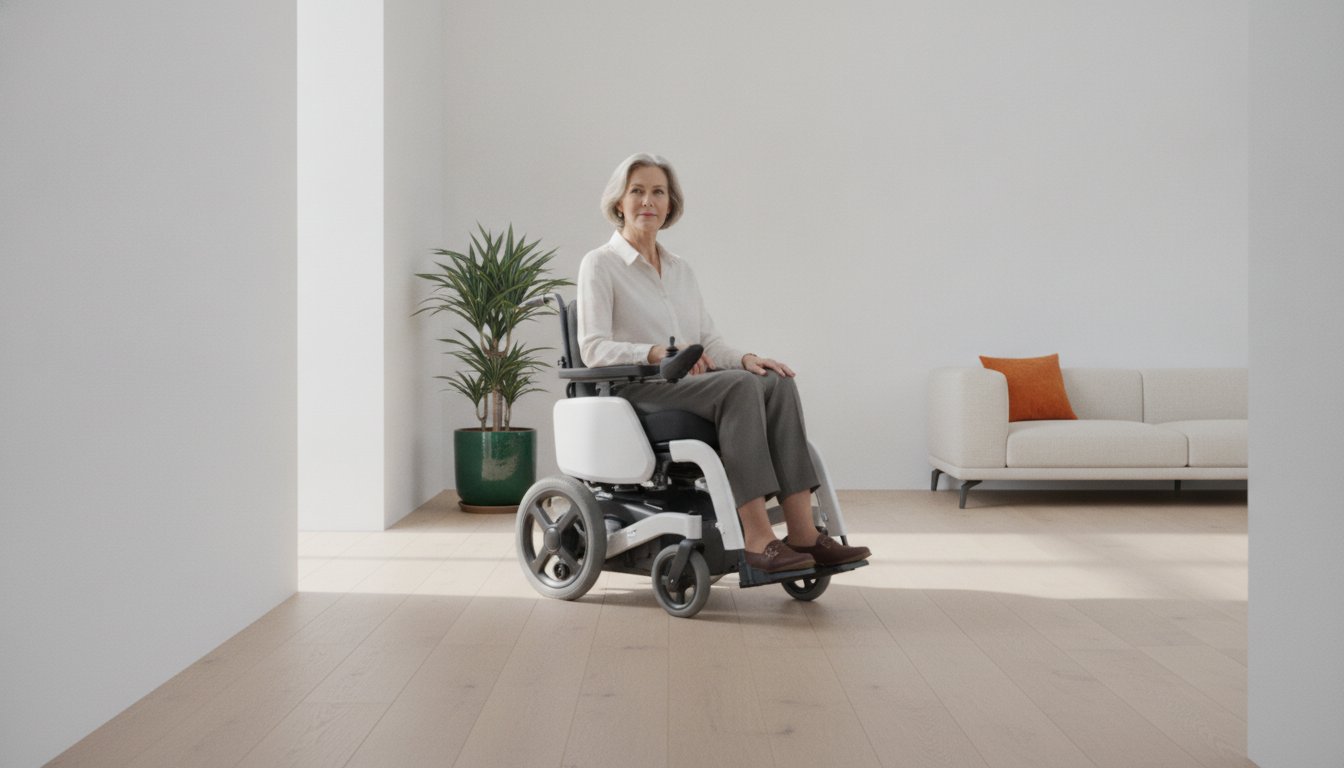
Your lifestyle dictates the best tool for the job. If you frequently travel by car or enjoy spontaneous day trips, our folding and lightweight scooters offer unmatched portable convenience. These models fit into standard car boots without the need for expensive vehicle modifications. However, if your local area involves more rugged UK terrain or steep inclines, a heavy-duty model provides the extra torque and stability you need. For some, a folding electric wheelchair might be the superior alternative if you require an exceptionally tight turning circle for narrow indoor spaces. We help you evaluate these variables to find a perfect match for your routine.
Getting Started Today
Taking the first step is simple. You can contact our specialist team for an authoritative mobility assessment to discuss your specific needs and challenges. We take pride in our transparent process, guiding you from initial curiosity to final setup. Once you've made your choice, you can expect professional nationwide UK delivery and a comprehensive demonstration to ensure you feel confident from the very first mile. Knowing when to upgrade from a walker to a scooter is about recognising that your world deserves to be bigger. Don't let a manual frame dictate your boundaries any longer. Explore our range of electric mobility scooters today and rediscover the joy of effortless movement.
Step into a Larger World Today
Deciding when to upgrade from a walker to a scooter is about prioritising your quality of life over simply "getting by." You've seen how clinical red flags like persistent pain and social withdrawal are clear signals that it's time for a change. Modern technology has transformed the landscape. Our folding designs now offer the perfect blend of portability and power, fitting easily into your daily routine and your car boot. You don't have to let physical exhaustion dictate your boundaries anymore.
At Etech Motion, we provide the specialist technical support and high safety standards you need to make this transition with total peace of mind. With our nationwide UK delivery and setup service, your journey toward greater independence is streamlined and stress-free. It's time to stop managing your limitations and start exploring your community again. Find your perfect mobility scooter at Etech Motion and rediscover the joy of effortless movement. Your future is waiting; let's go meet it together.
Frequently Asked Questions
Do I need a license to drive a mobility scooter on UK pavements?
You don't need a driving license to operate a mobility scooter on UK pavements. Class 2 devices are limited to 4mph for pedestrian areas, while Class 3 models can reach 8mph on roads. While registration with the DVLA is required for Class 3 models, they remain exempt from road tax. It's always best to stay informed about the latest 2026 government updates regarding pavement safety and priority.
Can I still use my walker if I buy a mobility scooter?
Absolutely. Transitioning doesn't mean giving up your current aid. Many people keep their walker for indoor stability and exercise while using a scooter for longer trips. Knowing when to upgrade from a walker to a scooter often involves creating this hybrid routine to balance activity with range. This approach ensures you maintain weight-bearing movement at home while avoiding exhaustion outdoors.
How do I know if a mobility scooter will fit in my car boot?
You should compare the "folded dimensions" provided in the product specifications with the interior measurements of your car boot. Modern folding mobility scooters are designed to be compact enough for most standard UK hatchbacks. If you're unsure, our specialist team can provide the exact measurements for any model to ensure a perfect fit for your vehicle before you purchase.
Is a mobility scooter harder to use than a walker?
Most users find a scooter much easier to manage than a manual frame. It replaces the physical effort of walking with simple finger-tip controls that require very little pressure. Features like delta tillers are specifically designed for those with limited hand strength or arthritis. This makes the switch an upgrade in comfort as well as distance, reducing the strain on your joints.
Can I take a folding mobility scooter on a bus or train in the UK?
Yes, most UK bus and train operators allow folding mobility scooters that meet their size and weight limits. Because these devices fold down to the size of a large suitcase, they easily fit into dedicated luggage or wheelchair spaces. It's always a good idea to check with your local operator for any specific permit requirements or "bridge cards" that make boarding even easier.
What happens if my mobility scooter runs out of battery while I am out?
If your battery runs out, you can engage the "freewheel" mode to manually push the device. However, modern lithium-ion batteries feature clear, accurate displays that show your remaining charge in real-time. By planning your route and checking your levels before you leave, you can avoid this situation entirely. Most 2026 models also offer fast-charging capabilities for a quick top-up.
Should I choose an electric wheelchair or a mobility scooter?
The choice depends on where you intend to use the device most. A scooter is typically better for longer outdoor journeys and provides a more traditional "vehicle" feel. If you need a very tight turning circle for navigating small rooms inside your home, a folding electric wheelchair might be the more practical choice. We can help you assess your environment to make the right decision.
How much maintenance does a mobility scooter require compared to a walker?
A scooter requires more attention than a walker because of its electrical and mechanical components. You'll need to charge the battery regularly and arrange an annual safety check to ensure everything is running smoothly. While a walker only needs occasional checks on its brakes and rubber feet, a scooter's maintenance schedule ensures long-term reliability and peak performance on all your outings.