What if your next vehicle wasn't a sign of slowing down, but a high-performance upgrade to your daily freedom? You likely believe that staying active should be effortless, yet the fear of looking frail often makes the transition to mobility scooters feel like a difficult step. It's frustrating when the simple desire to visit local shops or parks is hampered by confusion over UK road laws or the physical strain of heavy lifting.
This ultimate 2026 guide will show you how modern engineering bridges the gap between sleek design and rugged reliability, ensuring you travel through your community on your own terms. We promise to clarify the technical specifications of 48V lithium-ion systems and the specific Class 3 legal requirements for road use. You'll discover how a portable 22kg model can provide a 20-mile range, all backed by our dedicated UK-based expert support team to keep you moving forward with confidence.
Key Takeaways
- Learn how the shift toward sleek, modern designs is transforming mobility scooters from basic transport aids into stylish symbols of daily independence.
- Master the technical landscape by distinguishing between Class 2 and Class 3 models and understanding how brushless motor efficiency impacts your journey.
- Identify the ideal frame for your travel needs, whether you require a portable folding "boot scooter" or the robust stability of a heavy-duty fixed model.
- Navigate UK road legalities with confidence using our clear, step-by-step guide to DVLA registration and essential safety standards.
- Discover why expert UK-based support and high-performance engineering make Etech Motion the premier choice for your transition to electric mobility.
Understanding Mobility Scooters: More Than Just a Transport Aid
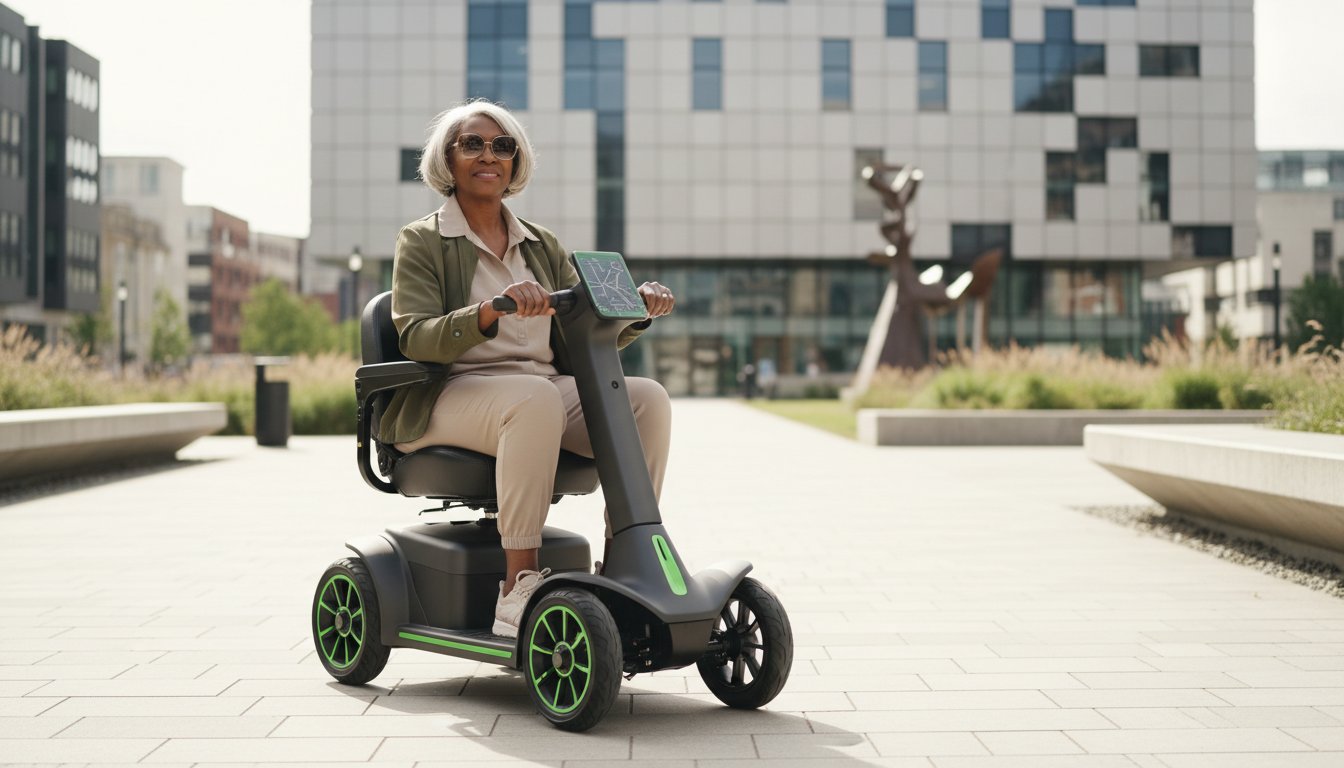
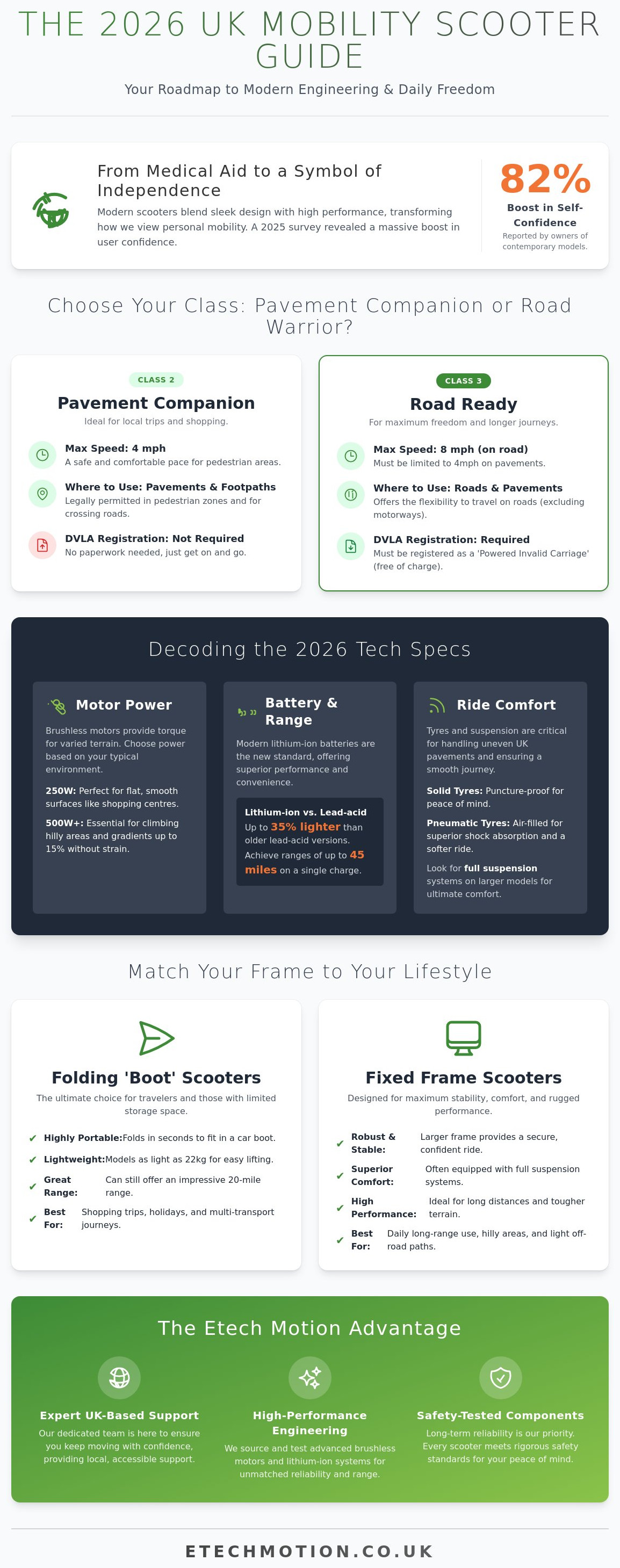
A modern mobility scooter is an electrically powered vehicle specifically engineered for individuals who find walking long distances challenging. While early iterations often felt like "medical equipment," 2026 designs have undergone a radical transformation. Today, these machines are sleek, high-performance vehicles that prioritise both style and functionality. This shift in aesthetics is vital; a 2025 user survey revealed that 82% of owners felt a significant boost in self-confidence when using a contemporary, well-designed model compared to older, bulkier versions. You can find a comprehensive mobility scooter overview that details their classification and history to understand how far this technology has progressed.
Owning one of these vehicles changes your daily rhythm. It's the difference between staying home and independently visiting the local high street or meeting friends in the park. By removing the physical strain of movement, mobility scooters help reduce social isolation, a factor that affects approximately 1.4 million older adults in the UK. They turn a difficult chore into an effortless journey, allowing you to reclaim your favourite outdoor spaces without the fear of fatigue or pain.
The Evolution of Personal Mobility in the UK
The UK market has seen a surge in innovation over the last five years. Modern 2026 models now utilise advanced lithium-ion technology, making them up to 35% lighter than previous lead-acid versions. These high-torque brushless motors provide a reliable range of up to 45 miles on a single charge, ensuring you don't get stranded. Choosing a UK-based specialist like E-Tech Motion ensures you receive expert support and access to safety-tested components, which is essential for long-term reliability and local accountability.
Is a Mobility Scooter Right for Your Lifestyle?
If you find that a walking stick or frame limits your travel to less than 300 metres, it's likely time to consider powered mobility. Unlike electric wheelchairs, which are often designed for permanent indoor use, mobility scooters offer a more active, "driving" experience for those with some upper-body stability. Consider your environment before choosing:
- Pavement use: Compact models are ideal for navigating tight supermarket aisles.
- Off-road adventures: Larger models with full suspension handle 15% gradients and gravel paths.
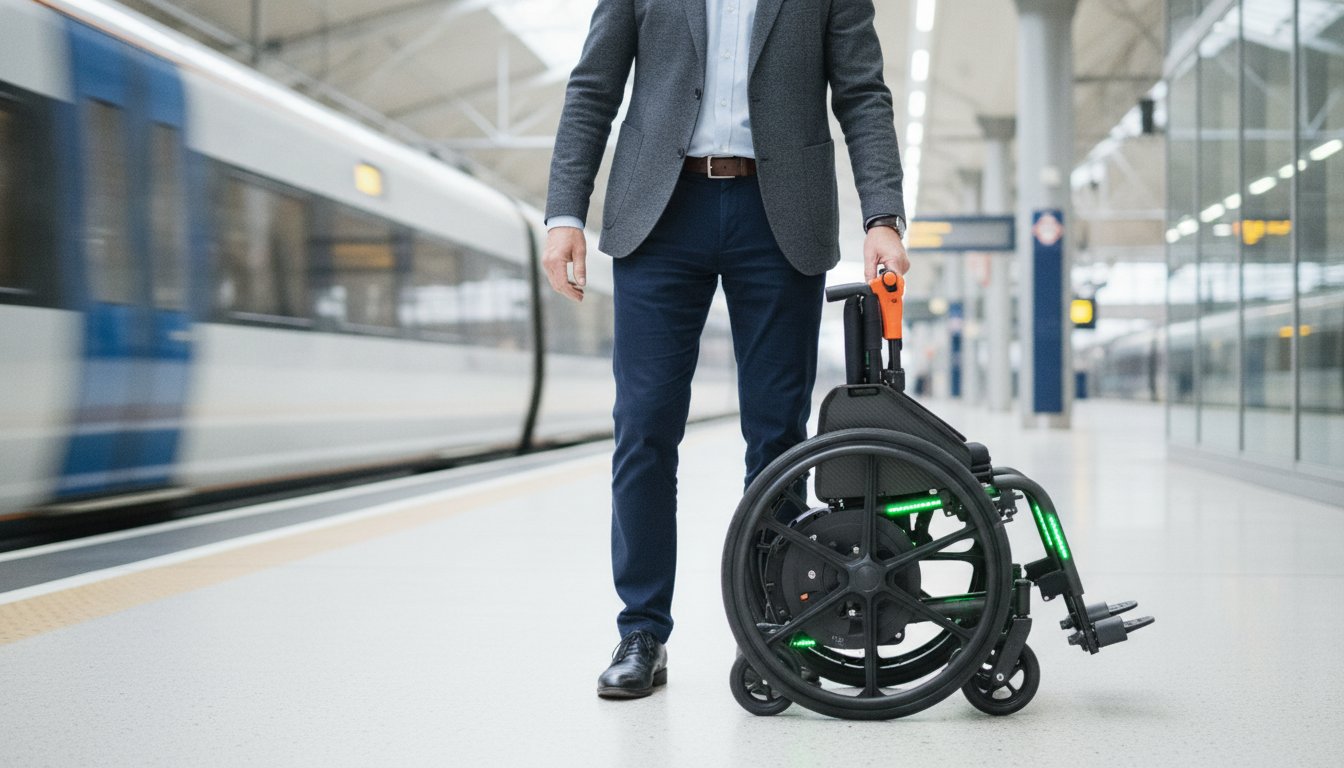
- Portability: Folding designs are essential if you frequently travel by car or train.
Navigating the Technical Landscape: Class, Power, and Battery Life
Selecting the right hardware is the first step toward reclaiming your freedom. In 2026, the technology behind mobility scooters has reached a peak of efficiency, but the technical jargon can feel overwhelming. Understanding the mechanics ensures you select a model that handles your specific neighborhood terrain without compromise. You're not just buying a vehicle; you're investing in a reliable partner for your daily adventures.
Class 2 vs. Class 3: Legal and Practical Differences
Before you commit to a model, you'll need to decide where you plan to ride. The UK government mobility scooter rules divide these vehicles into two distinct categories. Class 2 scooters are restricted to 4mph and are strictly for pavement use. They're typically lightweight, foldable, and don't require DVLA registration. If your journey involves road travel, a Class 3 scooter is essential. These reach speeds of 8mph, require full lighting systems including indicators, and must be registered with the DVLA. Choosing a Class 3 model provides the flexibility to cross busy junctions where pavements are narrow or uneven.
Decoding the Specifications: Watts, Volts, and Amp-Hours
Modern brushless motors are the heart of a reliable ride. A 250W motor is perfect for flat shopping centers, but if you live in a hilly area, a 500W motor provides the necessary torque to climb 15% inclines without stuttering. Think of Amp-hours (Ah) as your fuel tank. A 20Ah battery provides a significantly longer range than a 10Ah version, though your actual distance depends on your weight and the surface you're driving on. Comfort is also a technical choice. While solid tyres prevent punctures, pneumatic air-filled tyres combined with front and rear suspension are critical for absorbing the shock of cracked UK pavements.
- Lead-acid batteries: These are cost-effective but heavy. They typically last for 300 to 500 charge cycles before needing a replacement.
- Lithium-ion batteries: These are 3 times lighter than lead-acid alternatives and charge up to 40% faster. You'll get 1,000+ charge cycles, making them a smarter long-term investment for frequent users.
- Range Calculation: Manufacturer tests often happen in perfect conditions. To avoid range anxiety, take the advertised maximum distance and subtract 20% to account for real-world factors like wind, hills, and cold weather.
If a scooter is rated for 20 miles, plan your trips around a 16-mile radius to ensure you always have a power buffer. If you're unsure which power configuration suits your local geography, you can view our expert-tested range to find a setup that matches your specific needs. Balancing motor wattage with battery capacity is the secret to a mobility scooters setup that never lets you down.
Folding vs. Fixed Frames: Choosing the Right Level of Portability
Choosing the right frame design is the most critical decision you'll make when comparing mobility scooters. Your choice dictates whether you'll explore local high streets or take your device on a flight to Spain. By 2026, engineering breakthroughs have made the "boot scooter" the UK’s top-selling category, accounting for over 60% of new purchases. These models focus on effortless transport, yet fixed-frame alternatives remain the gold standard for those requiring maximum structural integrity and high weight capacities.
The Magic of Folding Mobility Scooters
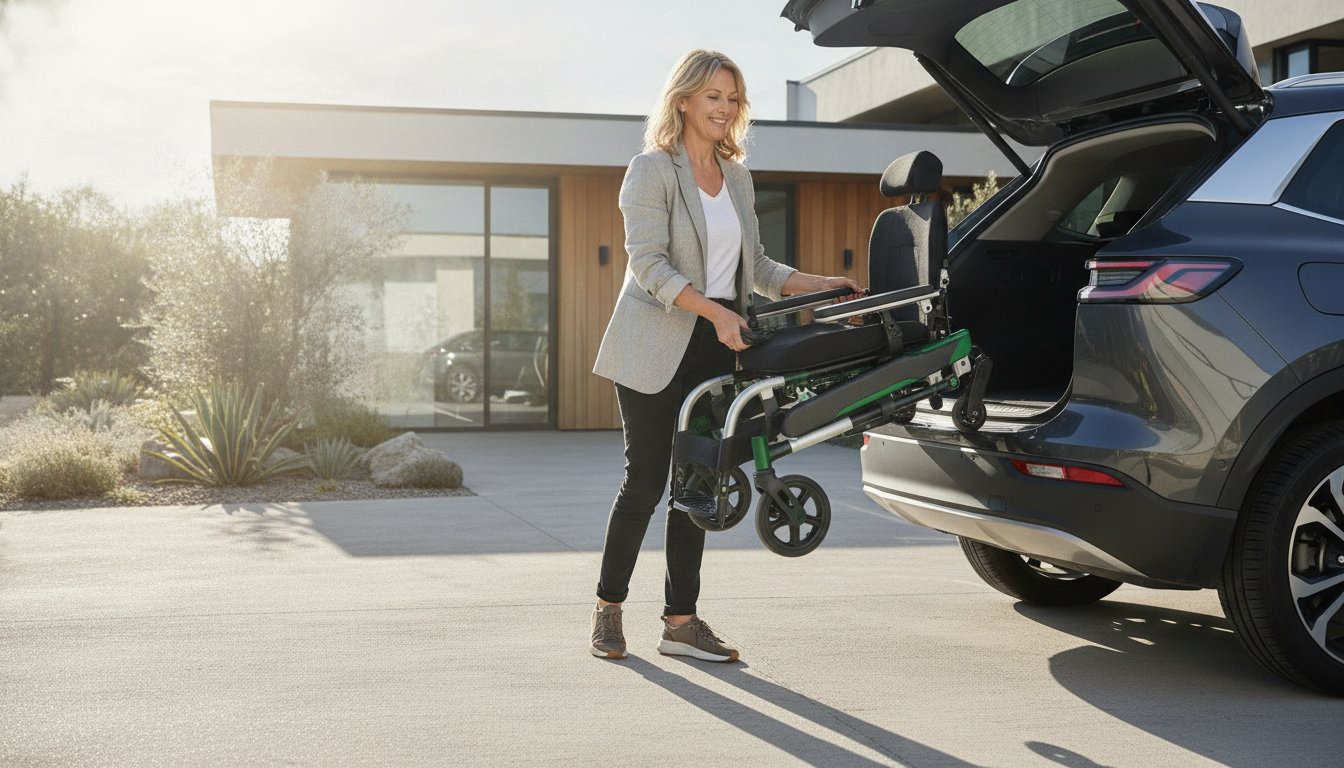
Folding models offer a bridge between restricted movement and total freedom. You can choose between manual mechanisms that click into place in under 5 seconds or automatic remote-controlled systems. Automatic folding is ideal if you have limited hand strength or arthritis, as the motor doesn't require you to bend or strain. These mobility scooters are designed to slide into the boot of a standard hatchback, such as a VW Golf, without needing expensive permanent ramps or hoists.
- Airline Compliance: Most folding units use lithium-ion batteries under 300Wh, meeting IATA standards for safe air travel.
- Weight Metrics: Always distinguish between "total weight" and "heaviest part." A scooter might weigh 28kg total, but if it dismantles, the heaviest section might only be 12kg.
- Compact Footprint: Modern designs allow for vertical storage, taking up no more room than a large suitcase in your hallway.
Heavy-Duty Scooters for Rugged Terrain
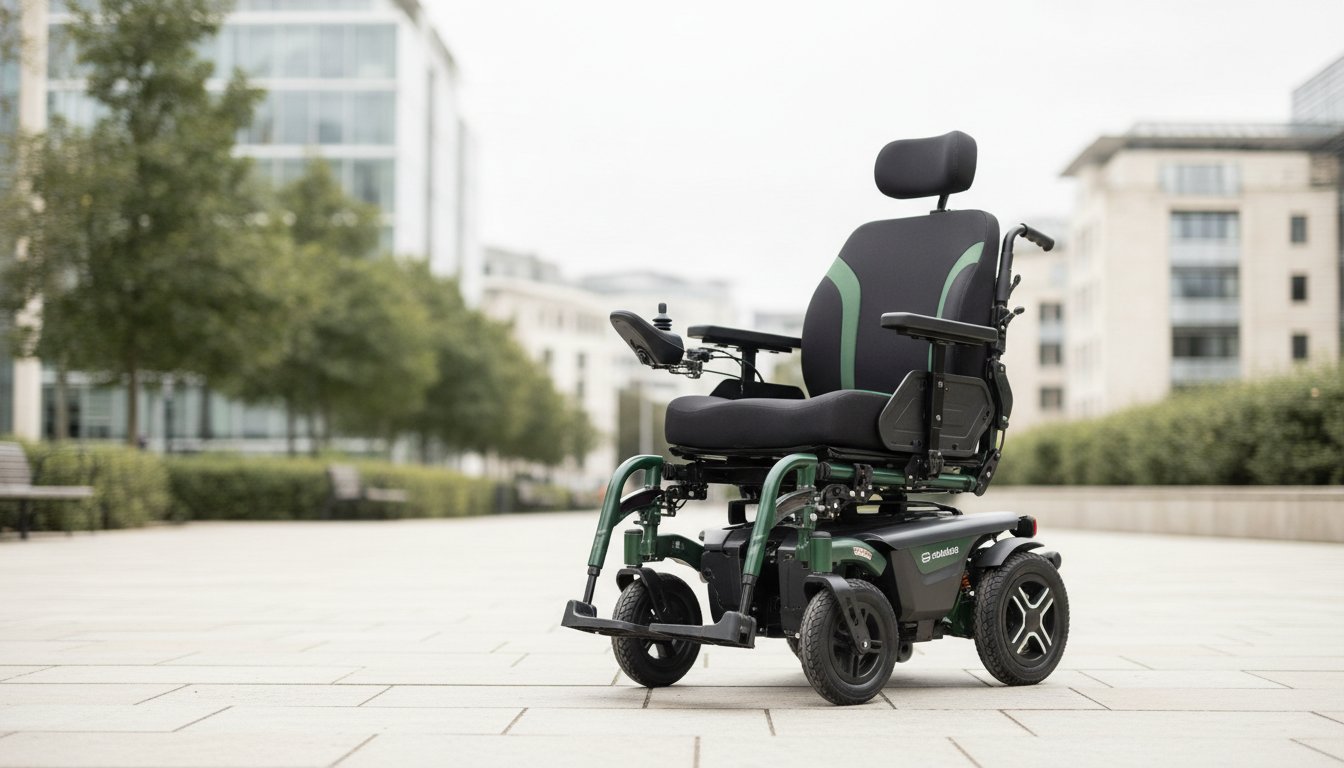
Fixed-frame models prioritise stability over portability. These are essential if you live in hilly areas or plan to traverse gravel paths and park trails. They feature 10-inch to 13-inch pneumatic tyres and ground clearance of at least 4 inches to prevent grounding on uneven kerbs. Before purchasing a high-speed road model, consult the UK government guidelines for mobility scooters to ensure you understand the legal distinction between Class 2 and Class 3 vehicles.
- Ergonomic Comfort: Heavy-duty models feature "Captain’s seats" with headrests and adjustable lumbar support for journeys exceeding 10 miles.
- Safety on Inclines: Larger frames offer a wider wheelbase, which significantly reduces the risk of tipping on 10-degree gradients.
- Enhanced Range: These frames house dual batteries, often providing a 30-mile range on a single charge.
Storage in smaller UK homes requires a strategic approach. If your hallway is narrow, look for models with "off-board" charging. This feature allows you to leave the scooter in a garage or shed while you bring the lightweight battery pack inside to charge at a standard wall outlet. This setup ensures your device is always ready for your next adventure while keeping your living space clear and safe.
Legal Requirements and Safety Standards for UK Users
Owning a mobility scooter in 2026 requires more than just choosing a model; you must understand the legal framework that keeps you and others safe. While Class 2 scooters are restricted to pavements, Class 3 mobility scooters are road-legal and demand specific compliance. You don't need a driving licence, but you must be 14 years or older to operate a Class 3 vehicle on public highways.
Registration with the DVLA is a legal requirement for all Class 3 models. You'll need to complete a V55/4 form for a new vehicle or a V55/5 for a used one. This process is free of charge and ensures your scooter is recognised on the national database. Although the law doesn't mandate insurance under the Road Traffic Act 1988, it's a vital safeguard. Comprehensive cover protects you against third-party liability and theft, providing peace of mind during every journey.
- Class 3 Checklist: Must have a maximum width of 0.85 metres, a speed limiter, active lights, indicators, and a rearview mirror.
- DVLA Process: Submit your V55 form to receive a logbook, which you'll need to update if you change your address.
- Road Tax: You must apply for a nil-value tax disc annually, even though there's no cost involved.
Rules of the Road (and Pavement)
Safety starts with speed control. You must never exceed 4mph on pavements or in pedestrian zones. Most modern mobility scooters feature a toggle switch to cap speed instantly. On the road, the limit is 8mph. You're required to follow the Highway Code, specifically rules 36 to 46. This includes using lights at night and avoiding prohibited areas like motorways or dual carriageways with speed limits over 50mph. Always give way to pedestrians on footpaths; they have the right of way.
Maintenance and Quality Assurance
Reliability is non-negotiable for independence. An annual professional service ensures your electromagnetic brakes and motor remain responsive. Battery health is equally critical. For 2026 lithium-ion models, avoid letting the charge drop below 20% to prevent cell degradation. At E-Tech Motion, every product meets strict UKCA and CE safety standards. This ensures your equipment isn't just functional, but built to the highest UK engineering specifications for long-term durability.
Ready to find a road-legal solution that fits your lifestyle? Browse our range of UKCA-compliant mobility scooters today.
Finding Your Perfect Motion: Why Etech Motion is the UK Choice
Choosing a mobility scooter is a significant step toward reclaiming your personal freedom. At Etech Motion, we focus on the intersection of high-performance engineering and real-world accessibility. We specialise in folding and lightweight technology because portability is the ultimate driver of an independent lifestyle in 2026. Whether you require a 15kg ultra-light model for easy car boot storage or a robust long-range vehicle, our selection meets the highest UK safety standards. We provide nationwide delivery across the UK mainland, ensuring your new equipment arrives fully inspected and ready to ride.
Expert Guidance Every Step of the Way
Our Birmingham-based technical team provides expert support to every corner of the UK. We don't just ship products; we provide bespoke mobility solutions. If you need a specific accessory or a comfort adjustment, such as a custom seat height or tiller angle, our specialists handle those details. Every model includes a 12-month warranty as standard, ensuring your investment is protected by a local, accountable partner. We've supported over 5,000 UK residents in finding the right balance between speed, weight, and battery life, ensuring every customer feels confident before their first trip.
Start Your Journey to Freedom Today
You can view our full range of folding and heavy-duty mobility scooters online to compare technical specifications. Our digital showroom provides clear data on battery range, weight capacity, and turning circles for every model. We believe in transparency, so you'll find exact dimensions to ensure your new scooter fits your storage space and transport needs. If you're unsure which unit suits your local terrain, our specialist team offers bespoke recommendations via phone or email. We take the guesswork out of the transition to electric mobility, providing a seamless path from your initial enquiry to your first outdoor adventure.
Embrace Your New Era of Personal Freedom
Choosing the right equipment means more than just picking a vehicle; it’s about reclaiming your daily autonomy. As we move through 2026, the shift toward advanced lithium-ion technology has made modern mobility scooters up to 30% more efficient and lighter than previous generations. You’ve now learned how to navigate UK Class 3 legal requirements and why a folding frame provides the best portability for your lifestyle. Etech Motion serves as your dedicated UK specialist, offering expert support from our local team and reliable nationwide delivery across the United Kingdom. We focus on high-performance engineering to ensure your transition to electric motion is both seamless and safe. Our specialists ensure every model meets the latest 2026 safety standards, providing you with total peace of mind on every trip. Don’t let limited movement dictate your boundaries when the latest technology is ready to carry you further. Your next chapter of effortless travel starts today.
Browse our collection of high-performance mobility scooters
Frequently Asked Questions
Do I need a driving licence to use a mobility scooter in the UK?
You don't need a driving licence to operate a mobility scooter in the UK. The DVLA doesn't require you to pass a test or hold a valid licence for Class 2 or Class 3 vehicles. You must be at least 14 years old to drive a Class 3 model on public roads. These regulations remain the standard across England, Scotland, and Wales in 2026.
Can I take my mobility scooter on public transport like buses or trains?
Most UK bus and train operators allow mobility scooters if they meet specific size and weight dimensions. For instance, Stagecoach and Arriva typically accept Class 2 models that are no more than 600mm wide and 1000mm long. You'll often need a Permit to Travel from the specific transport provider before boarding. Always check the operator's website to ensure your scooter fits their ramp weight limits.
How often do I need to charge my mobility scooter battery?
You should charge your mobility scooters after every trip where the battery level drops below 80 percent. If you use the vehicle daily, plug it in every night to maintain the health of the lithium-ion or lead-acid cells. For occasional users, a full charge once every 14 days prevents the battery from discharging completely. This consistent routine can extend your battery's total lifespan by up to 25 percent.
Is it legal to drive a mobility scooter on the road?
It's legal to drive Class 3 mobility scooters on UK roads as long as they're registered with the DVLA. These models feature a maximum road speed of 8mph and must be equipped with lights, indicators, and a horn. Class 2 models are restricted to pavements and pedestrian areas with a 4mph speed limit. You must follow the Highway Code at all times when navigating road traffic.
Do mobility scooters need to be taxed or insured?
You don't have to pay vehicle tax for a Class 3 scooter, but you must register it with the DVLA. While insurance isn't a legal requirement in 2026, the Department for Transport strongly recommends a basic policy. Most comprehensive plans cost roughly £50 per year and provide essential third-party liability and theft protection. Class 2 scooters don't require any formal registration or tax documentation.
What happens if my mobility scooter breaks down while I am out?
You should contact a specialist recovery service if your vehicle suffers a mechanical failure while you're away from home. Providers like Autohome or Fish Insurance offer 24/7 breakdown assistance specifically tailored for electric mobility users. They'll typically transport you and your scooter back to your residence within a 20 mile radius. It's vital to keep your membership details and a charged mobile phone with you at all times.
Can I use a mobility scooter if I am not registered as disabled?
You don't need to be officially registered as disabled to use mobility scooters in public spaces. UK law states you can operate one if you have a physical disability, a medical condition that makes walking difficult, or a temporary injury. As long as you have a genuine physical need for the equipment to maintain your independence, you're legally permitted to use it on pavements and roads.
How much does a good quality mobility scooter cost in 2026?
A high-quality mobility scooter in 2026 typically costs between £850 for a portable folding model and £4,800 for a heavy-duty Class 3 vehicle. Mid-range models with a 20 mile range usually retail for approximately £1,750. Prices have stabilized following the 2024 manufacturing shifts, making advanced lithium technology more accessible. These figures often include standard VAT relief for buyers with qualifying long-term health conditions.