True bariatric independence in 2026 isn't just about finding a wider seat; it's about a payload-first engineering approach that prioritises motor torque and frame reinforcement. If you're searching for a powerchair for a person over 30 stone, you've likely felt the frustration of chairs that feel underpowered on hills or too bulky for standard UK doorways. It's exhausting to worry about mechanical failure or battery range when you're simply trying to enjoy a day out. You need a solution that offers stability and strength without sacrificing the freedom of movement you deserve.
This guide is here to help you reclaim that confidence. You'll discover the essential engineering, safety, and comfort features required for a reliable bariatric powerchair that supports 30 stone and beyond. We'll walk you through the technical specifications that matter, from Class 3 road requirements to the latest seating innovations designed for all-day posture support. By the end of this article, you'll have a clear roadmap to choosing a heavy duty electric wheelchair that delivers long-term reliability and a better daily routine.
Key Takeaways
- Identify why the 30-stone (190kg) mark represents a vital engineering benchmark that demands specific reinforced chassis materials for long-term safety.
- Discover why dual high-wattage motors are non-negotiable when selecting a powerchair for a person over 30 stone to maintain performance on varied UK terrain.
- Evaluate the latest 2026 breakthroughs in folding electric wheelchairs to see if a portable design can meet your specific stability and weight-capacity needs.
- Master the practicalities of UK mobility by learning how to calculate turning circles and check public transport ramp limits before you travel.
- Learn how expert nationwide delivery and professional handover services provide the technical support needed for a seamless transition to a bariatric mobility solution.
Defining the Bariatric Threshold: What Does "Over 30 Stone" Mean for a Powerchair?
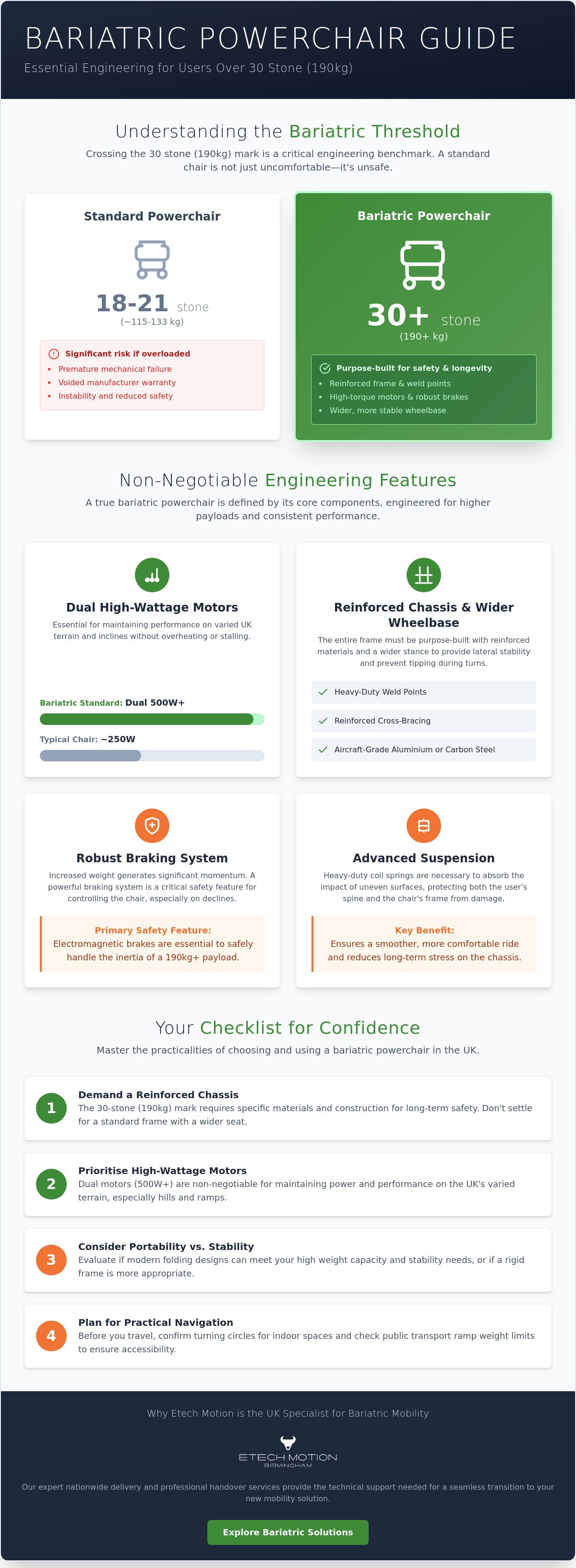
Many mobility shops use the term "heavy duty" to describe any chair that supports slightly more than the average user. In 2026, the industry has finally drawn a firmer line. A standard electric wheelchair usually caps out at 18 to 21 stone. When you search for a powerchair for a person over 30 stone, you're entering the bariatric category. This isn't just a marketing label; it's a structural necessity. Crossing the 30-stone (190kg) threshold changes the fundamental physics of how a chair moves, turns, and stops.
Choosing a chair rated for only 25 stone when you weigh 30 stone is a significant risk. It isn't just about the seat being too tight. Overloading a frame puts immense pressure on weld points and motor gears. This leads to premature mechanical failure and almost certainly voids your manufacturer warranty. Much like how the medical sector uses specialized bariatric equipment to handle higher payloads safely, your mobility device must be purpose-built for the job. The 2026 generation of these chairs has evolved. Manufacturers now use reinforced alloys and aircraft-grade aluminium to keep the chair's own weight manageable while supporting much higher capacities.
The Physics of Payload: Why Weight Ratings Matter
Bariatric weight capacity is the maximum safe operating load including accessories. When a chair carries 190kg or more, the momentum generated during movement is substantial. This increases braking distances and places extreme strain on the electronic braking systems. You'll also notice that tyres wear down faster and suspension springs can lose their tension if they aren't rated for the specific payload. Modern high-capacity chairs use advanced sensors to adjust power delivery based on the weight detected, ensuring the ride remains smooth rather than jerky.
Standard vs. Bariatric: Key Structural Differences
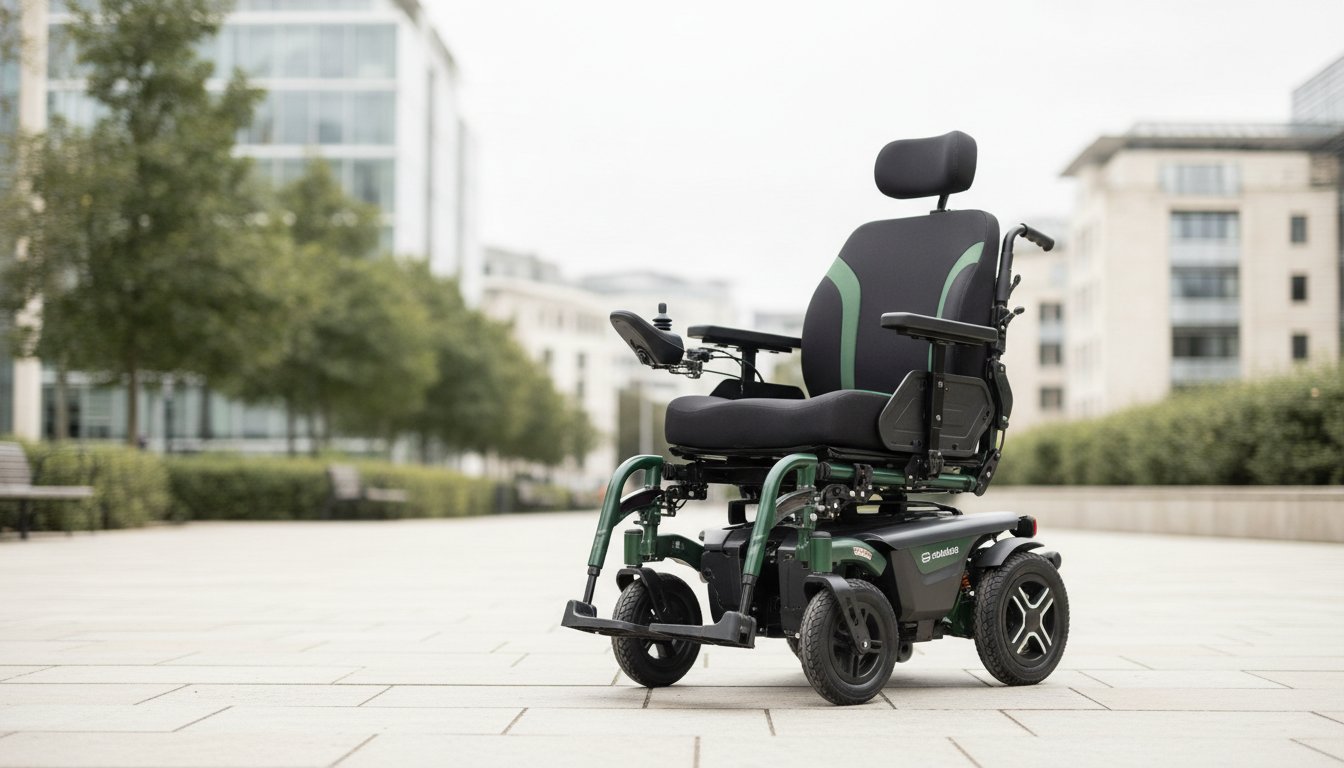
The difference is in the bones of the machine. A powerchair for a person over 30 stone features reinforced cross-bracing and heavy-duty weld points that standard models simply don't have. You can't just put a wider seat on a standard frame; the entire chassis must be wider to provide lateral stability. This prevents the chair from feeling "tippy" when turning or traversing uneven ground. Wider wheelbases are a non-negotiable feature for safety. By increasing the distance between the wheels, engineers create a lower centre of gravity that keeps the user secure even when navigating steep kerb cuts. High-torque motors are also essential. While a standard chair might use 250W motors, a bariatric model often requires dual 500W units to tackle UK pavements and inclines without the motors overheating or stalling under a 190kg+ load.
Essential Engineering Features for Bariatric Powerchairs
Engineering a powerchair for a person over 30 stone requires more than just scaling up a standard design. While many mass-market retailers label chairs as "heavy duty" if they support 150kg, a user weighing 190kg or more needs a machine built with higher peak torque and reinforced components. In 2026, the gold standard for bariatric mobility starts with dual 500W motors. Anything less often results in sluggish performance on inclines or motors that overheat during extended use. It's not just about the wattage; the controller amperage must be high enough to deliver the necessary current to those motors when the terrain gets tough.
The choice of chassis material is equally critical. Carbon steel remains the traditional choice for maximum durability and rigid frames, but aircraft-grade aluminium has become the preferred option for high-capacity folding models. This alloy offers the strength needed to support 30 stone without making the chair so heavy that it's impossible to transport. Following transportation safety guidelines is essential when moving larger payloads, as the structural integrity of the chair dictates how it performs under pressure. Advanced suspension systems with heavy-duty coil springs are also a necessity, protecting both the user's spine and the frame itself from the jarring impact of UK pavement cracks.
Braking systems must be robust to handle the momentum of a 190kg+ payload. While regenerative braking helps extend battery life, electromagnetic brakes are the primary safety feature. They ensure the chair remains locked in place when stopped, even on a steep gradient. If you're looking for a machine that combines these safety features with reliable performance, exploring a dedicated heavy duty electric wheelchair is the best place to start your search.
Seating and Ergonomics for Larger Frames
Comfort is a function of proper support. A powerchair for a person over 30 stone should offer adjustable seat widths, often extending to 24 inches or more, to prevent pinching and skin irritation. Seat depth customisation is just as important to ensure the user's weight is distributed evenly across the thighs. High-density pressure relief cushions are standard in 2026, helping to prevent sores during long periods of use. Additionally, look for heavy-duty armrests and reinforced footplates that can safely support a user's weight during transfers.
Battery Technology and Range for Heavy Loads
Payload directly impacts mileage. A battery rated for 15 miles with a 12-stone user might only deliver 8 miles when carrying 30 stone. To combat this, modern bariatric models often feature dual-battery configurations. Lithium-ion batteries are the preferred choice over traditional AGM (Absorbent Glass Mat) types because they maintain a more consistent power output even as the charge drops. This prevents the "slowdown" effect often felt with older battery technologies when the motor is under high drain, ensuring you have enough power to get home safely.
Choosing the Right Model: Folding vs. Rigid Bariatric Powerchairs
The decision between a folding or rigid frame is no longer as simple as it was a few years ago. Traditionally, if you needed a powerchair for a person over 30 stone, your only option was a heavy, non-folding beast that required a converted van and a ramp for every journey. In 2026, the engineering landscape has shifted. High-capacity folding powerchairs now exist that don't compromise on safety or structural integrity. However, the choice still depends heavily on your lifestyle, your home environment, and how you plan to move across the UK.
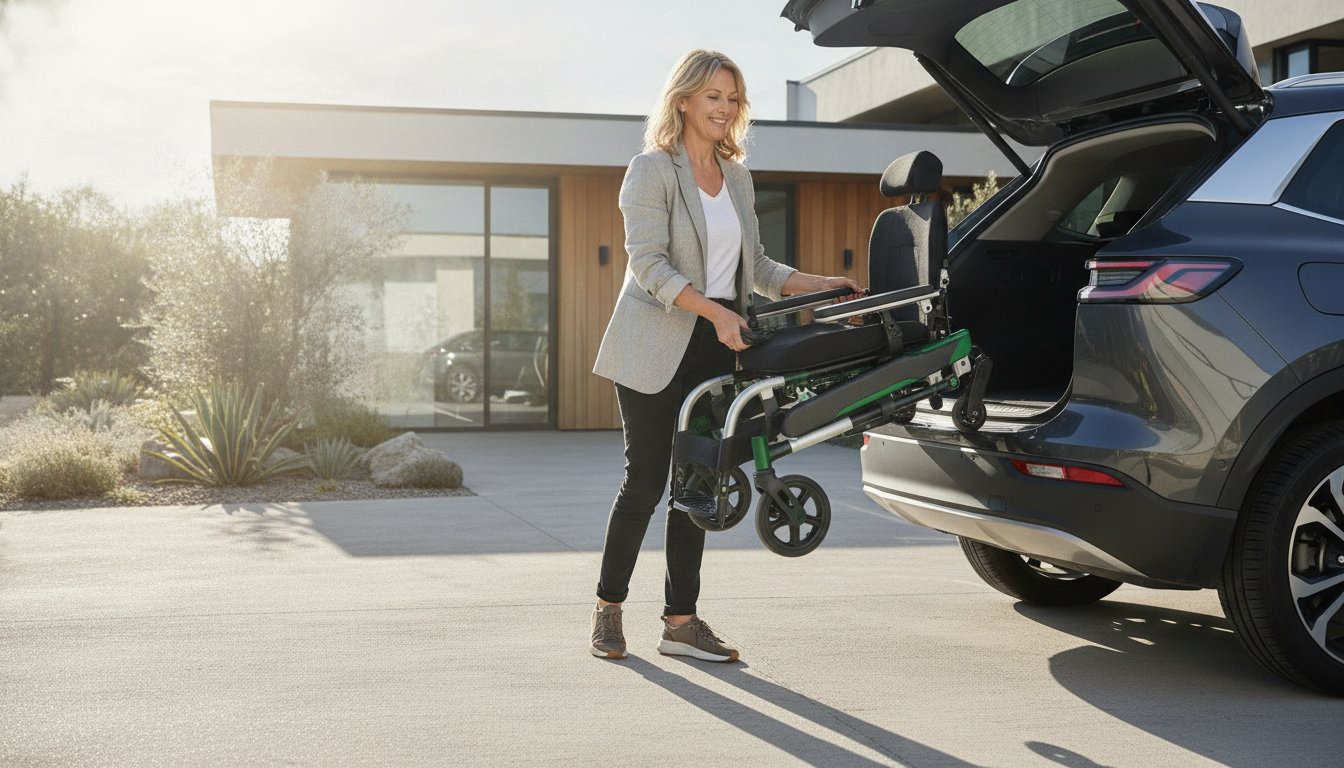
Managing the "dead weight" of the chair itself is a critical factor for many users. A bariatric chair needs to be heavy enough to remain stable under a 190kg+ load, but light enough to be manageable for carers or vehicle lifts. Rigid chairs often weigh upwards of 100kg without the user, while modern folding bariatric models strive to keep this weight lower using advanced alloys. You must consider whether you have the physical assistance or a hoist to manage the chair's weight when it isn't in use. Transportability is the primary hurdle; while a 30-stone chair is naturally wider, many 2026 designs are specifically engineered to fit into the boot of a larger estate car or SUV when collapsed.
When to Choose a Folding Bariatric Chair
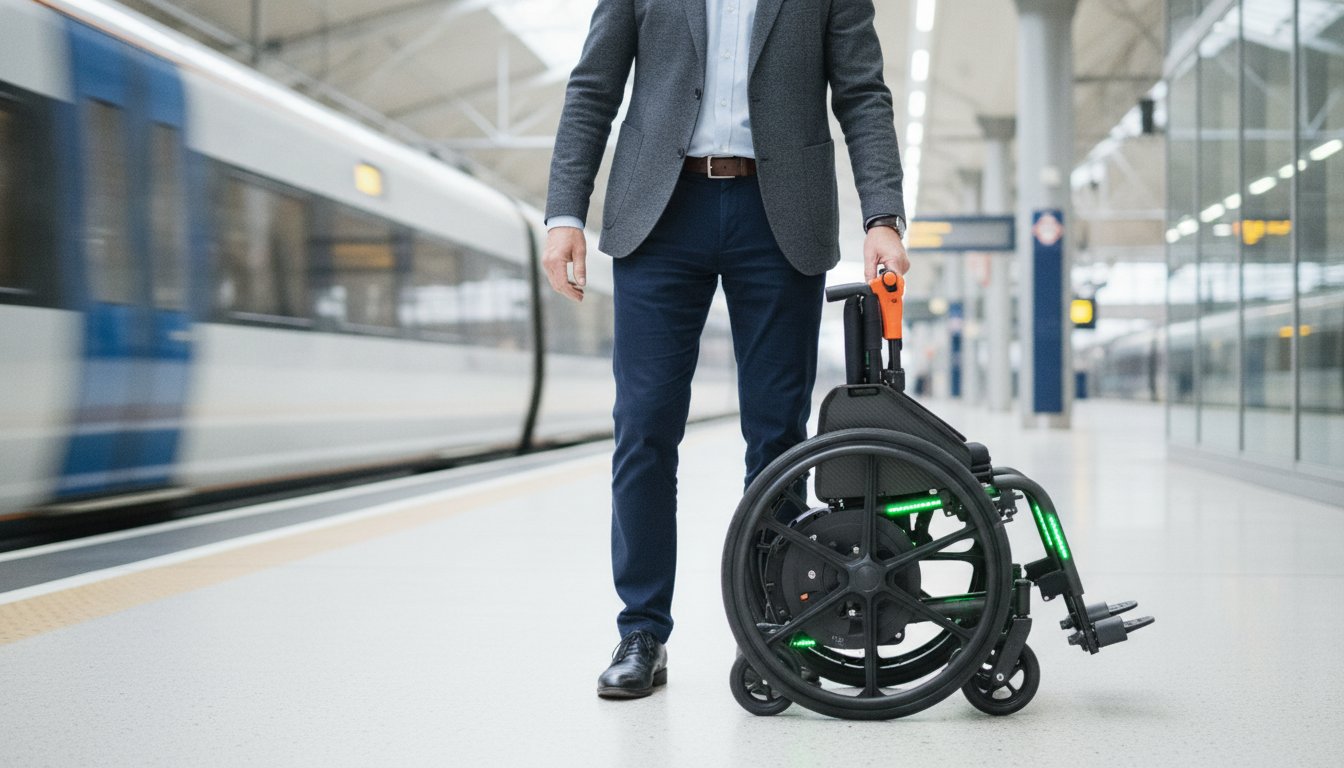
Folding models are ideal if you prioritise indoor storage or frequent travel. These chairs work best on relatively flat terrain, such as shopping centres, paved parks, and accessible public buildings. The key to safety in a folding powerchair for a person over 30 stone is the mechanism itself. You must ensure the locking pins and hinges are specifically rated for high payloads to prevent the frame from flexing over time. For a deeper dive into how these portable options have evolved, check out our Ultimate Guide to Folding Electric Wheelchairs. These models offer a balance of independence and convenience that was previously unavailable to bariatric users.
The Case for Rigid Heavy-Duty Powerchairs
If your daily routine involves navigating steep hills, high kerbs, or uneven countryside paths, a rigid frame is often the superior choice. These models provide maximum durability because they have fewer moving parts in the chassis. This lack of joints translates to better energy transfer from the dual motors to the wheels, significantly improving off-road performance and kerb-climbing abilities. Rigid frames also allow for more complex, bespoke seating systems. If you require specific postural support or tilt-in-space functions that a standard seat cannot provide, a rigid chassis is usually the only way to accommodate these heavy-duty medical accessories safely. They are built for 100% outdoor use, offering a level of longevity that suits daily, high-mileage users.
Practical Living: Navigating the UK in a 30-Stone Powerchair
Owning a powerchair for a person over 30 stone opens up the world, but it requires a bit of forward planning to ensure your environment is ready. UK infrastructure is famously varied. You might transition from a modern shopping centre to a narrow Victorian pavement in a single afternoon. Navigating these spaces safely means understanding the physical footprint of your chair. In 2026, manufacturers have moved away from the bulky, clinical aesthetics of the past, offering sleek designs that look like modern transport rather than medical equipment. This shift in design prioritises your dignity while maintaining the heavy-duty performance needed for 190kg+ payloads.
UK public transport has improved, but weight limits remain a factor. Most bus ramps are rated for 300kg. This sounds like a high limit until you combine a 190kg user with a 100kg chair and any additional shopping or accessories. Always check with local operators or National Rail before travelling to confirm their specific ramp capacities. Outdoors, the high torque of a bariatric motor allows you to handle gravel and grass more effectively than lighter models, as the weight provides better traction. However, steep pavements require careful approach angles to keep the centre of gravity stable. If you're ready to upgrade your mobility, you can view our full range of electric wheelchairs to find a model that fits your lifestyle.
Home Accessibility Audit
Most UK standard doorways are 762mm, requiring careful chair width selection to avoid scuffing your frames or door jambs. Ideally, you want a clear opening of at least 800mm to allow for comfortable movement and slight steering adjustments. Turning circles are equally vital; bariatric chairs are naturally longer, so you'll need more space in hallways and kitchens to pivot. When installing ramps, the gradient becomes a safety priority. While a 1:12 slope is common, a shallower 1:15 ratio is often safer for a powerchair for a person over 30 stone to prevent motor strain and ensure the chair remains perfectly stable during the climb.
Maintenance for Heavy-Duty Use
Tyre pressure management is your first line of defence against motor strain. Even a slight drop in PSI increases rolling resistance, forcing the dual motors to work harder and draining your battery faster. Perform weekly safety checks to inspect welds and bolts for any signs of stress, especially if you frequently navigate uneven ground or high kerbs. Because of the high payload, professional servicing should happen bi-annually rather than once a year. This ensures that the electronic braking systems and high-torque gears remain in peak condition, giving you peace of mind every time you leave the house.
Why Etech Motion is the UK Specialist for Bariatric Mobility
Etech Motion isn't just a retailer; we're your specialist partner in solving the unique challenges of bariatric mobility. When you're searching for a powerchair for a person over 30 stone, you need more than a generic list of specifications. You need technical expertise that understands how 190kg+ payloads impact motor lifespan and chassis integrity. Our team focuses on the engineering details we've discussed throughout this guide, ensuring every machine we recommend is capable of delivering the freedom and reliability you expect in 2026.
We provide nationwide UK delivery accompanied by a professional handover. This isn't a "box at the door" service. For high-capacity equipment, a specialist ensures you're comfortable with the controls, the charging routine, and the safety features before they leave. This personal touch is a cornerstone of our commitment to your long-term satisfaction. We back our products with industry-leading warranties on motors and reinforced frames, giving you the confidence that your investment is protected against the rigours of daily use. Our commitment to sustainable and reliable mobility solutions means we don't just sell products; we support your movement for years to come.
The Etech Motion Quality Assurance
Every heavy duty electric wheelchair undergoes rigorous testing before it leaves our facility. We verify that the dual high-wattage motors and electromagnetic braking systems meet our strict performance standards under load. Beyond the chair itself, we provide access to specialist bariatric accessories, from custom pressure-relief cushions to extra-wide footplates. Learn more about how we prioritise your safety in The Ultimate Guide to Heavy Duty Electric Wheelchairs in the UK.
Getting Started with Your New Independence
Taking the first step toward independence is simple. You can book a professional assessment with our team to discuss your specific requirements, from doorway widths to terrain challenges. We also offer finance options to make high-quality bariatric mobility equipment more accessible for your budget. Join the thousands of UK users who have regained their freedom with Etech Motion. We're here to help you move away from transit frustrations and toward a smarter, technologically-driven world where your weight never limits your reach.
Reclaim Your Independence with Confidence
Choosing the right mobility solution is about more than just seat width; it requires a payload-first approach to engineering that ensures your safety and comfort on every journey. You now understand the vital importance of high-torque motors and reinforced chassis materials when selecting a powerchair for a person over 30 stone. By auditing your home environment and planning for UK public transport limits, you can transition to a more active lifestyle without the fear of mechanical failure or accessibility hurdles. Reliable mobility is the key to maintaining your dignity and freedom in a world that is becoming increasingly accessible.
Our team is ready to support your journey with specialist bariatric engineering and reliable UK-based technical support. We focus on providing high-performance solutions that integrate seamlessly into your daily routine, backed by the quality assurance of a local mobility expert. Browse our range of Heavy Duty Electric Wheelchairs today to discover models that include free UK nationwide delivery on selected models. Your path to a smarter, more efficient future starts with the right equipment and a partner who truly understands your requirements. Let's get you moving with the joy and independence you deserve.
Frequently Asked Questions
Is it safe to use a powerchair if I am slightly over the weight limit?
No, it is not safe to exceed the stated weight capacity of any mobility device. Overloading a powerchair compromises the structural integrity of the reinforced frame and places excessive strain on the motors and electronic braking systems. Manufacturers set these limits based on rigorous safety testing; exceeding them can lead to sudden mechanical failure and will void your warranty. Always choose a model that offers a buffer above your actual weight for maximum reliability.
What is the maximum seat width available for bariatric powerchairs in 2026?
In 2026, bariatric powerchairs typically offer seat widths ranging from 22 inches up to 30 inches on specialist bespoke models. While many standard heavy-duty chairs cap at 24 inches, modular seating systems allow for further depth and width customisation to suit your specific body measurements. It's vital to ensure the seat width doesn't exceed the total chassis width to maintain lateral stability and prevent the chair from becoming too wide for standard UK pathways.
Can a 30-stone person use a folding electric wheelchair?
Yes, modern engineering has made high-capacity folding electric wheelchairs a reality for users weighing up to 30 stone. These 2026 models use reinforced aluminium alloys and heavy-duty locking pins to ensure the frame remains rigid during use. You must verify that the specific model is explicitly rated for a 190kg payload. While these chairs offer great portability, they are often better suited for flat pavements and indoor storage rather than extreme off-road terrain.
How long does the battery last on a bariatric powerchair with a full load?
Battery range varies based on terrain, but a 30-stone payload typically reduces the manufacturer's maximum stated range by approximately 30% to 50%. If a chair is rated for 15 miles, you might expect 7 to 10 miles in real-world UK conditions. To ensure reliable travel, many bariatric models utilise dual lithium-ion battery setups. Always plan your journeys with a safety buffer of charge to account for steep hills or uneven surfaces that drain power more quickly.
Are there any UK government grants for bariatric electric wheelchairs?
You may be eligible for support through the NHS Wheelchair Services or the Access to Work scheme if the chair is required for your employment. While the NHS often provides standard models, they may contribute a voucher toward a specialist powerchair for a person over 30 stone. Additionally, most users qualify for VAT relief, which saves 20% on the purchase price. Charities like Motability also offer leasing schemes for those receiving specific disability benefits.
Will a bariatric powerchair fit through a standard UK front door?
Most bariatric chairs are designed to fit through a standard 762mm UK doorway, but it is often a tight squeeze. You should look for models with a total chassis width of 700mm or less to allow for safe clearance without scuffing the frame. If your doorway is particularly narrow, some folding models allow you to remove the armrests or footplates to reduce the width during entry. Always measure your specific entry points before finalising your purchase.
What motor wattage is recommended for a user over 190kg?
We recommend a minimum of dual 500W high-torque motors for any user weighing over 190kg. Standard 250W motors often struggle with the momentum of a bariatric payload, especially when tackling steep UK pavements or kerb climbs. High-wattage motors ensure the powerchair for a person over 30 stone maintains a consistent speed without overheating. It's equally important to check the controller's amperage, as this dictates how much power the motors can draw when they need it most.
Do I need a special vehicle to transport a heavy-duty powerchair?
You don't necessarily need a converted van, but you will likely need a vehicle with a large boot and a ramp or hoist system. While some folding bariatric chairs fit into a large estate car or SUV, the dead weight of the chair makes manual lifting difficult and potentially dangerous. A boot hoist is the most common solution, allowing you to lift the chair into the vehicle effortlessly. For rigid models, a Wheelchair Accessible Vehicle is usually required.