The era of clunky, medical-looking mobility aids is officially over. You likely agree that choosing an electric wheelchair shouldn't feel like a compromise between technical reliability and personal style. It's frustrating when complex jargon about brushless motors or lithium-ion range leaves you more confused than when you started. You just want to get back to visiting friends or exploring the high street without the constant worry of range anxiety or a chair that's too heavy for the car boot.
We promise to help you reclaim your independence through this comprehensive 2026 guide to modern powerchair technology and UK safety regulations. You'll learn exactly how to select a device that offers effortless movement while meeting the latest 2026 weight-to-power standards. We'll break down everything from motor torque to the specific selection criteria that ensure your new ride is as aspirational as it is functional.
Key Takeaways
- Learn how modern powerchair technology prioritises energy conservation and independence, redefining mobility as an empowering lifestyle choice.
- Understand the technical shift toward brushless motors and high-efficiency Lithium-ion (LiFePO4) batteries to ensure your electric wheelchair offers maximum torque and reliability.
- Identify whether a lightweight folding frame or a customisable rigid framework best suits your travel habits and daily requirements for effortless portability.
- Navigate UK safety regulations with ease by mastering the legal distinctions between 4mph pavement models and road-legal Class 3 chairs.
- Discover how Birmingham-based expertise and national support provide the reliable foundation you need to transition confidently to green, electric mobility.
What is an Electric Wheelchair? Redefining Modern Mobility
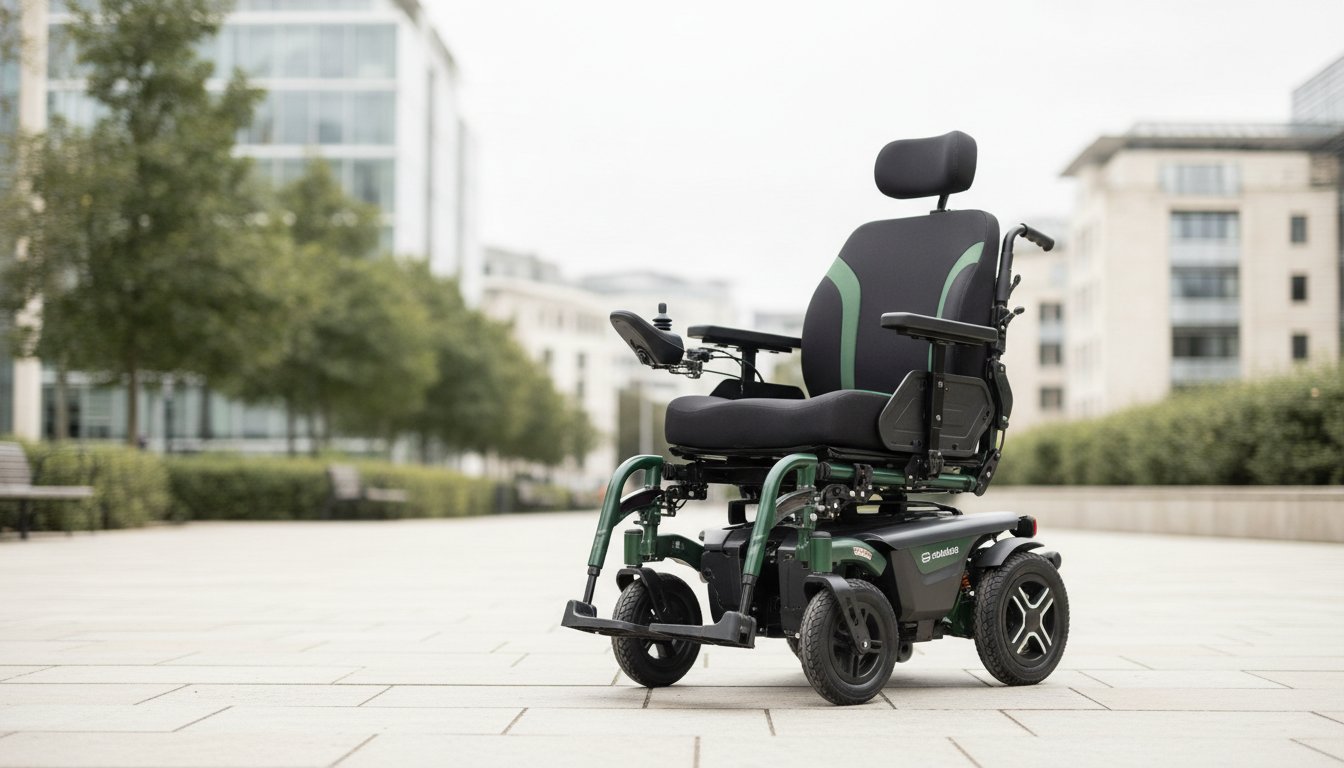
An Motorized wheelchair, often called a powerchair, represents the pinnacle of personal transport technology. It's a battery-powered device designed to provide effortless movement for individuals with limited physical strength or stamina. Unlike manual alternatives that demand significant upper-body exertion or the presence of an attendant, these machines use high-torque brushless motors to handle the heavy lifting. In the UK, current safety regulations categorise these as Class 2 or Class 3 medical devices, ensuring they meet rigorous standards for stability and braking performance.
The transition from a manual frame to an electric wheelchair is often described as a pivotal emotional shift. It moves the user from a state of being pushed to a position of total control. You aren't just a passenger; you're the driver. This independence is vital when navigating busy Birmingham locations like the Bullring or the Birmingham Museum and Art Gallery. Energy conservation is a primary benefit here. While a manual chair user might experience shoulder fatigue after just 300 metres of travel, a powerchair user can cover 15 to 20 miles on a single charge without any physical strain.
Modern powerchairs are now part of the wider "e-mobility" movement. This isn't just about medical necessity; it's a choice for sustainable, eco-friendly urban transport. By utilising lithium-ion battery technology, which offers up to 1,000 charge cycles, these vehicles provide a green alternative to traditional petrol-based transport for short local journeys. They represent a forward-thinking approach to inclusive city living.
Powerchair vs. Mobility Scooter: Which is Right for You?
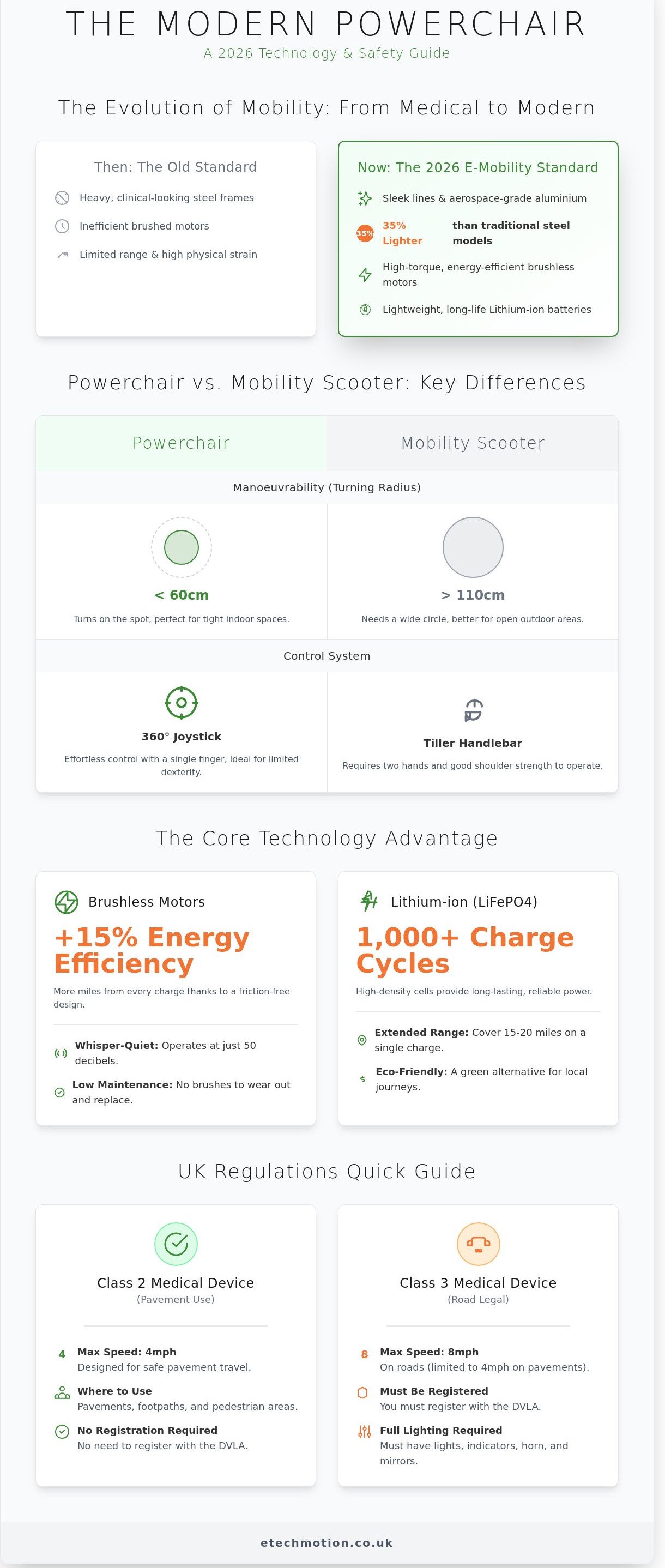
Choosing between a powerchair and a mobility scooter depends on your environment. Powerchairs are the undisputed kings of indoor manoeuvrability. Most models feature a turning radius of less than 60cm, allowing them to spin on the spot. This makes them perfect for tight Birmingham apartments or narrow shop aisles. In contrast, even compact scooters usually require a turning circle of 110cm or more, making them cumbersome in restricted spaces.
Steering mechanisms also differ significantly. Scooters use a tiller, which looks like bicycle handlebars and requires two-handed coordination and shoulder strength. Powerchairs use a 360-degree joystick that can be operated with a single finger. This ergonomic advantage is crucial for users with limited dexterity or arthritis. Additionally, powerchairs offer superior postural support. You can customise the seating with pressure-relieving cushions or lateral supports, options that are rarely available on standard scooter benches.
The Evolution of Design: From Medical to Modern
The days of heavy, clinical-looking frames are gone. Since the 2018 surge in material innovation, aerospace-grade aluminium has become the industry standard. Using 7000-series aluminium allows manufacturers to reduce frame weight by 35% compared to traditional steel models. This means a modern electric wheelchair can be both incredibly strong and light enough to lift into a car boot.
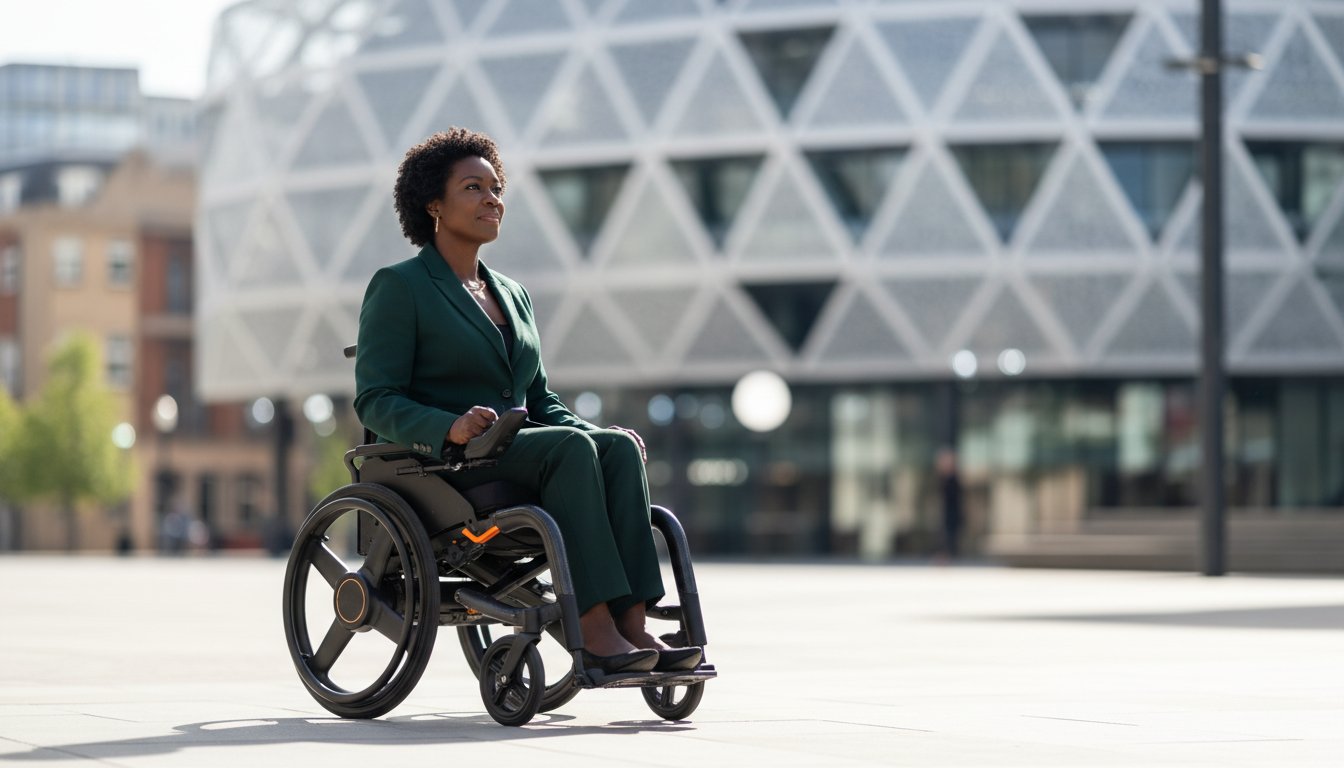
Aesthetics have undergone a similar transformation. Manufacturers now prioritise sleek lines and customisable colour palettes, moving away from the "medical" look of the 1990s. These devices are designed to reflect the user's personality, fitting seamlessly into a modern lifestyle. A modern powerchair is a seamless blend of advanced robotics and high-end ergonomic furniture. This design philosophy ensures that your equipment feels like an extension of your body rather than a piece of hospital apparatus.
Understanding the Tech: Motors, Batteries, and Drive Systems
The core of a modern electric wheelchair lies in its propulsion system. By 2026, the industry has largely moved away from heavy, inefficient components toward streamlined digital technology. Choosing the right combination of motor and battery isn't just about speed; it's about ensuring your chair can handle the varied inclines of Birmingham, from the steep climbs in the Lickey Hills to the flat concourses of New Street Station. Understanding these mechanics helps you invest in a machine that stays reliable for years.
The Power of Brushless Motors
Brushless motors represent the current gold standard for mobility. Unlike older brushed versions, they don't rely on physical contact to transmit power, which eliminates friction and heat buildup. This design choice increases energy efficiency by approximately 15%, meaning you get more miles out of every charge. These motors operate at a whisper-quiet 50 decibels, making them perfect for socialising in quiet cafes or navigating library aisles without disruption. Because there are no brushes to wear down, maintenance requirements are reduced by roughly 40% over the chair's lifespan.
The torque profile of a brushless system is also superior. It provides instant, smooth acceleration that feels natural rather than jerky. This precision is vital when navigating tight spaces or boarding public transport. If you're looking for a ride that feels intuitive, you can browse our latest range of high-performance mobility solutions to see these motors in action.
Battery Care and Charging in the UK
Lithium-ion technology, specifically Lithium Iron Phosphate (LiFePO4), has transformed range expectations in 2026. These batteries offer over 2,000 charge cycles, compared to the 300 cycles typical of older lead-acid variants. However, the British climate requires specific care. Cold snaps where temperatures drop below 5°C can temporarily reduce battery capacity by up to 20%. It's best to charge your battery indoors at room temperature to maintain its chemical health. Modern lithium units thrive on the "little and often" rule; don't wait for the battery to hit zero before plugging it in.
Safety is a non-negotiable priority. Always ensure your battery and charging equipment carry the UKCA or CE marks, signifying they meet rigorous British safety standards. When operating on public paths, you must adhere to the UK regulations for powered wheelchairs to ensure safety for yourself and pedestrians. Using uncertified third-party chargers is a significant fire risk and often voids your warranty.
Real-world mileage often differs from the manufacturer's laboratory tests. A electric wheelchair rated for 15 miles might achieve 11 miles if the user weighs 100kg and is navigating 10-degree inclines in damp conditions. Surface rolling resistance on gravel or uneven pavement can also sap power faster than smooth tarmac. Always factor in a 25% "safety buffer" when planning longer trips across the city.
Drive wheel configuration dictates how the chair handles specific environments:
- Rear-Wheel Drive: Offers excellent stability and tracking at higher speeds, making it ideal for longer outdoor journeys.
- Centre-Wheel Drive: Features the tightest turning circle, often as small as 50cm, which is perfect for navigating narrow hallways or lifts.
- Front-Wheel Drive: Excels at climbing obstacles like 5cm kerbs and provides great traction on soft grass or uneven terrain.
Selecting the right drive system depends on whether your daily routine involves more indoor manoeuvring or outdoor exploration. Each system changes the centre of gravity, affecting how the chair feels when you're turning or stopping suddenly.
Folding vs. Rigid: Choosing the Right Framework for Your Life
Selecting the framework of your electric wheelchair is a decision that dictates your daily range and ease of travel. It's a direct trade-off between ultimate portability and maximum customisation. Folding models prioritise the ability to shrink down for storage, while rigid or heavy-duty frameworks offer a stable platform for complex seating needs and rugged terrain. You'll need to decide if you value a chair that fits in a cupboard or one that handles a 5-mile trek across uneven park paths without vibration.
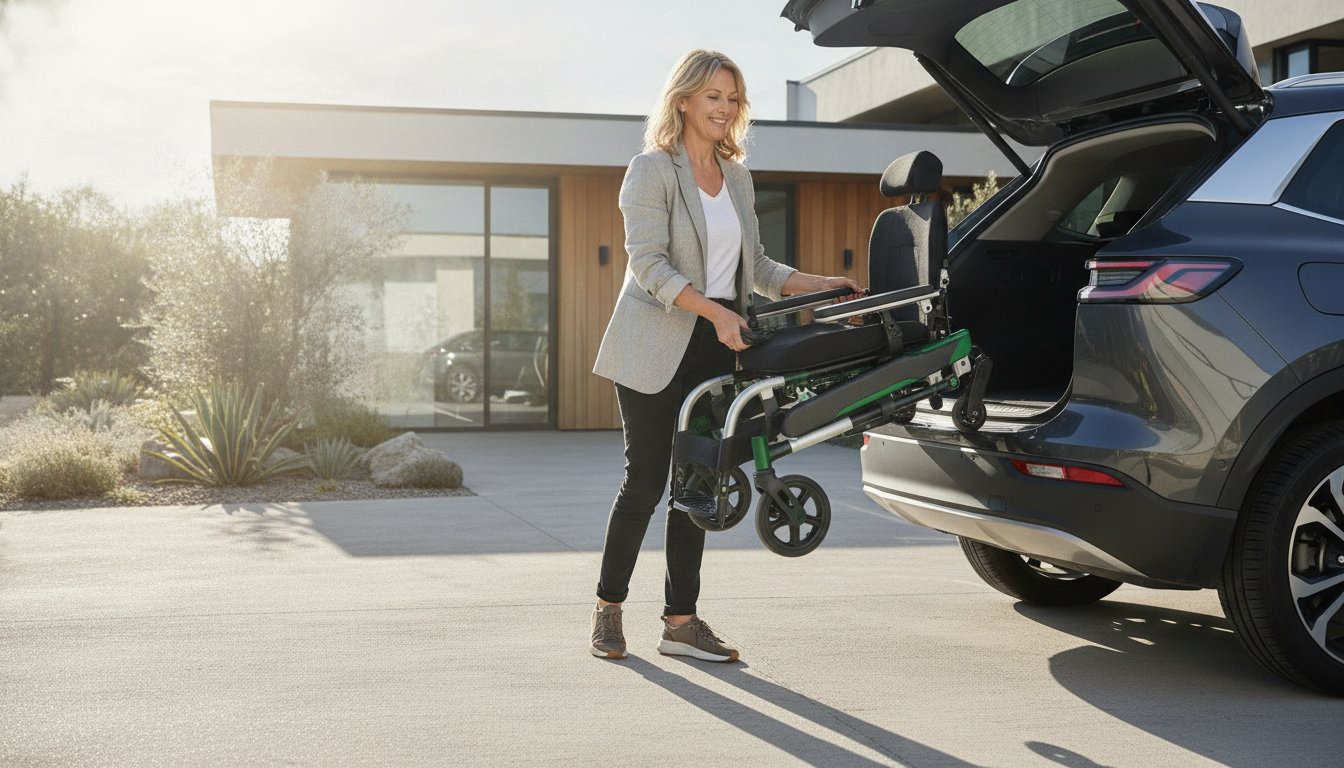
Weight metrics are often misunderstood by first-time buyers. You must distinguish between "total weight" and "lifting weight." The total weight includes the motors, frame, and batteries, which might reach 30kg or more. However, many modern designs allow you to pop out the lithium-ion batteries and the seat cushion in seconds. This reduces the lifting weight to a more manageable 22kg or 25kg, which is a vital distinction if a partner or carer needs to hoist the unit into a vehicle.
The Rise of the Folding Electric Wheelchair
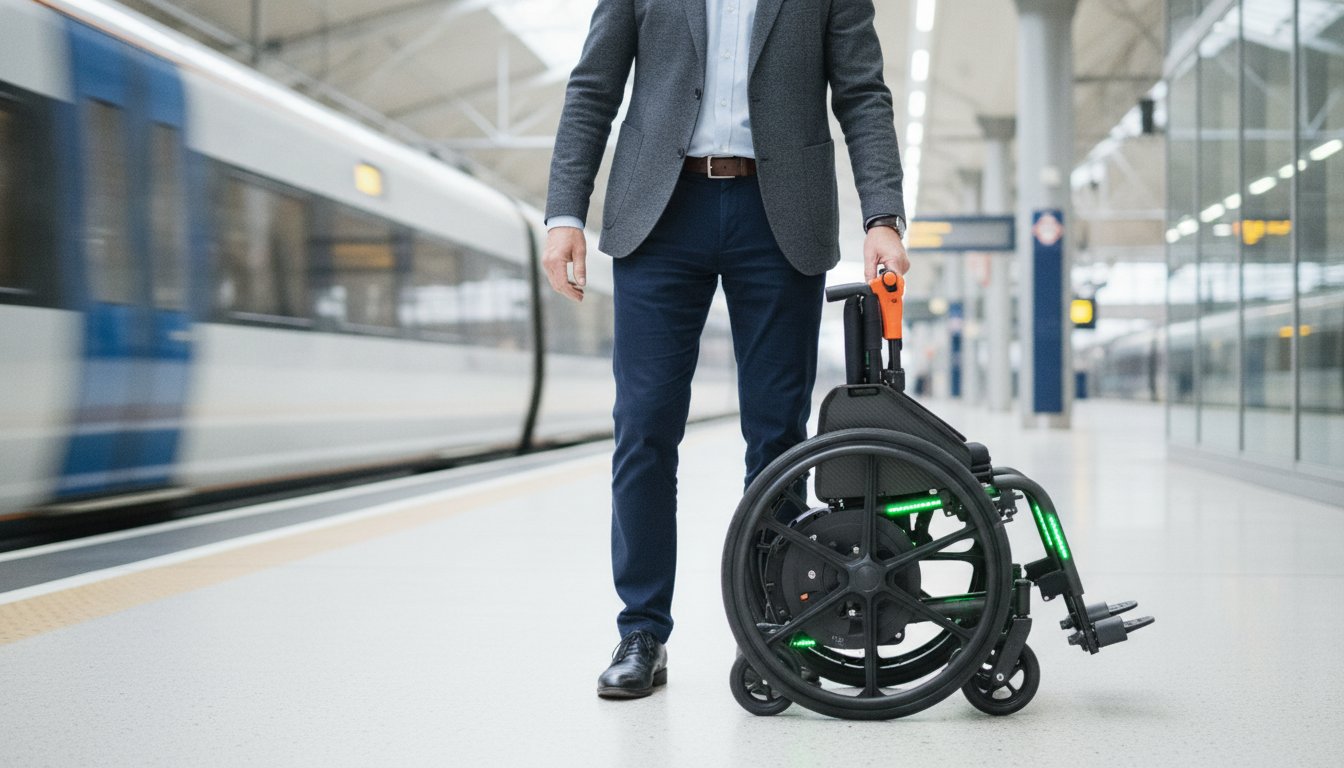
The frequent traveller or the Birmingham commuter who relies on taxis and trains will find the folding electric wheelchair indispensable. In 2024, one-touch folding mechanisms allow these chairs to collapse in under 5 seconds. Look for frames made from aerospace-grade aluminium or magnesium alloy; these materials provide the strength needed for a 120kg user capacity while keeping the frame light enough for a standard UK car boot. A folded dimension of roughly 75cm x 60cm x 35cm is the benchmark for fitting into a typical hatchback like a Ford Focus or Volkswagen Golf.
Travel regulations are another factor. Most collapsible power chairs now feature airline-friendly dry-cell or lithium batteries. To comply with IATA regulations, ensure your battery capacity doesn't exceed 300Wh. Always check with your carrier 48 hours before flying from Birmingham Airport to ensure your specific model meets their safety protocols for cabin or hold storage.
Heavy-Duty and All-Terrain Capabilities
If your daily route involves the cobblestones of the Jewellery Quarter or the steep gradients of the Lickey Hills, a rigid or heavy-duty model is the superior choice. These frames don't flex, which means more power is transferred directly to the wheels. Suspension systems are the standout feature here. Front-wheel or mid-wheel independent suspension absorbs the shock from uneven pavements, preventing the jarring sensations that lead to fatigue or back pain. It's also worth noting that the UK government rules for powered wheelchairs classify these larger, faster models as Class 3 vehicles if they reach 8mph, requiring registration with the DVLA.
For bariatric users, heavy-duty frames provide essential stability. Modern engineering ensures that an increased weight capacity doesn't mean a clunky design. You can find a heavy duty electric wheelchair that supports up to 25 stone (approx. 160kg) while maintaining a sleek, modern profile. These models often feature reinforced cross-braces and wider seat bases, ensuring comfort isn't sacrificed for durability. They're built for the long haul, offering larger batteries that can provide a range of 20 miles or more on a single charge, making them the workhorse of the mobility world.
The Practical Guide to UK Regulations and Safety
Understanding the legal landscape is essential for any electric wheelchair user in Britain. The Department for Transport (DfT) categorises mobility vehicles into two distinct groups, Class 2 and Class 3, each with specific rules for operation. Class 2 vehicles are designed for pavement use only. They have a maximum speed limit of 4mph and don't require registration with the DVLA. In contrast, Class 3 vehicles are road-legal machines that can reach speeds up to 8mph. These must be fitted with a speed limiter to ensure they don't exceed 4mph when you're moving among pedestrians.
If you choose a Class 3 chair, you're legally required to register it with the DVLA using form V55/4. While you won't pay vehicle excise duty, this registration ensures your vehicle is officially recognised on the national database. Insurance isn't a legal mandate for either class, yet the DfT strongly advises it. A comprehensive policy covers accidental damage and third-party liability; this is invaluable in busy urban environments like Birmingham city centre where the risk of minor collisions is higher.
Navigating UK Pavements and Spaces
UK infrastructure presents unique challenges. Many older British towns feature high kerbs and narrow footpaths. Selecting a chair with a kerb-climbing ability of at least 60mm allows you to navigate these obstacles without assistance. Standard UK internal doorways typically measure between 750mm and 800mm. To move through your home or local shops comfortably, look for a model with a total width under 680mm. Visibility is paramount during the winter months. By late December, Birmingham sees sunset as early as 3:54 PM; ensure your chair features integrated LED lights and high-visibility reflectors to stay safe.
Maintenance and Local Support
Consistent upkeep prevents costly repairs. Spend ten minutes every Monday performing a safety check. Test the joystick response, check the tyre tread depth, and ensure the battery terminals are clean. Avoid "grey market" imports that lack UK-based warranties. Sourcing your equipment from a local specialist guarantees access to expert technicians and genuine spare parts. Regular servicing is the key to a 10-year lifespan for a quality chair.
Public transport etiquette makes travel smoother for everyone. Most West Midlands buses accommodate an electric wheelchair up to 700mm wide and 1200mm long. On trains, look for the dedicated wheelchair spaces usually located near the accessible toilets. While the Blue Badge scheme is primarily for parking, carrying your badge or a "Please Offer Me a Seat" badge can help staff and passengers identify your needs quickly. Most UK rail operators now provide "Passenger Assist" services, which you can book just two hours before travel to ensure ramps are ready at your destination.
Finding Your Freedom with Etech Motion
At Etech Motion, we don't view mobility as a clinical necessity. We see it as a fundamental lifestyle choice. Our Birmingham headquarters serves as a hub for innovation, allowing us to deliver premium transport solutions across the United Kingdom. We understand the unique challenges of urban life in the Midlands. We know that a reliable electric wheelchair is the difference between staying home and enjoying a full social life. Our philosophy centres on the idea that everyone deserves to move with dignity, speed, and style.
The Etech Difference is built on three pillars: safety, support, and local accountability. Unlike retailers who drop-ship products from overseas, we manage the entire quality control process in-house. Our technicians perform a detailed 15-point pre-delivery inspection on every unit. This includes testing the electromagnetic braking systems, checking battery health, and ensuring all folding components operate smoothly. We provide UK-backed warranties because we stand by the durability of our motors and frames. Taking the next step is simple. You can browse our digital showroom or book a consultation with our Birmingham experts to find a bespoke solution.
Expert Support Every Step of the Way
Choosing the right model involves balancing technical specs with daily comfort. We help you compare brushless motor efficiency against total vehicle weight to ensure your choice fits your vehicle's boot and your home's layout. Our commitment doesn't end when you make a purchase. We believe in lifelong support for every customer we serve.
- Tailored Consultations: We analyse your typical terrain and travel habits to recommend the best battery capacity.
- Maintenance and Spares: We stock thousands of spare parts in our UK warehouse, from replacement joysticks to high-capacity lithium cells.
- Local Expertise: You won't be left stranded by long shipping delays from international suppliers; our team is right here in Birmingham.
To see our curated selection of 2026 models, explore the electric wheelchair uk collection today. Our team is ready to help you find an electric wheelchair that matches your ambition and your environment.
Join the Green Mobility Revolution
Adopting electric transport is a powerful step toward a sustainable future. A typical full charge for one of our mobility devices costs less than £0.20, making it one of the most cost-effective ways to travel. This efficiency helps reduce the carbon footprint of our cities while providing you with a silent, emission-free ride. Beyond the financial and environmental savings, the mental health impact of regained independence is profound. Accessing local parks and high streets without relying on others reduces feelings of isolation and boosts confidence.
We aren't just selling hardware; we're facilitating a shift toward a cleaner, more accessible world. Our products empower you to reclaim your schedule and explore the city on your own terms. Motion is progress; let's move forward together.
Step Into Your Future of Independent Mobility
Choosing the right electric wheelchair in 2026 means balancing advanced brushless motor efficiency with the practicalities of UK life. Whether you opt for a 15kg ultra-lightweight folding model for easy car boot storage or a robust Class 3 vehicle for 8mph road use, your choice should reflect your personal drive for freedom. British safety standards are at the heart of our selection, ensuring every unit meets rigorous 2026 compliance for total peace of mind. You've seen how the right battery and drive system can transform your daily routine from a chore into an adventure.
Etech Motion is your dedicated partner in this transition. We're specialists in lightweight and folding technology, offering 100% UK-based expert support throughout the life of your product. When you order, you'll receive nationwide delivery with a professional setup service, meaning our technicians handle the heavy lifting while you get comfortable. It's time to move beyond the constraints of traditional transport and embrace a smarter, greener way to travel. You deserve a mobility solution that's as ambitious as your plans.
Explore our range of advanced electric wheelchairs and reclaim your independence today
Frequently Asked Questions
Do I need a driving licence to use an electric wheelchair in the UK?
You don't need a driving licence to operate an electric wheelchair in the UK. Current Department for Transport regulations state that anyone with a physical disability or injury can use these vehicles without a formal test or licence. While no documentation is required, you must be at least 14 years old to operate a Class 3 model on public roads. This ensures users have the maturity to navigate Birmingham traffic safely and legally.
How far can an electric wheelchair go on a single charge?
Most modern powerchairs achieve a range of 12 to 18 miles on a single charge. A high-spec model equipped with a 24V 20Ah lithium-ion battery typically covers 15 miles of flat terrain before requiring a top-up. Factors like user weight and Birmingham’s specific topography can reduce this total by 15%. Always check your battery gauge before starting a long journey across the city centre to ensure you have sufficient power.
Can I take my folding electric wheelchair on an aeroplane?
You can take your folding electric wheelchair on an aeroplane provided the battery meets IATA safety regulations. Most airlines require lithium-ion batteries to be under 300Wh for transport in the cabin or hold. You should notify your carrier 48 hours before departure to ensure they have space for your specific model dimensions. Providing the airline with a copy of the battery’s safety data sheet prevents delays during the boarding process at the airport.
What is the difference between a Class 2 and Class 3 powerchair?
The primary difference is the maximum speed and where you're legally allowed to travel. Class 2 chairs are limited to 4mph and must stay on pavements or pedestrian areas. Class 3 models reach 8mph and include front and rear lights, indicators, and a horn for road use. You must register Class 3 vehicles with the DVLA, though they remain tax-exempt. Choosing the right class depends on whether you plan to commute on Birmingham’s road network.
How much does a good quality electric wheelchair cost in 2026?
A high-quality powerchair in 2026 typically costs between £1,800 and £4,200 depending on the technical specifications. Entry-level folding models start near £1,450, while premium carbon-fibre versions with advanced brushless motors often reach £3,900. These figures reflect the 5% annual increase in manufacturing costs seen since 2023. Investing in a mid-range model usually provides the best balance of durability and lightweight portability for your daily lifestyle and transport needs.
Can I use my electric wheelchair in the rain?
You can use your powerchair in light rain, but you should avoid heavy downpours or deep puddles. Most controllers carry an IPX4 water-resistance rating, which protects against splashes from any direction. If you get caught in a Birmingham storm, wipe the joystick and upholstery dry with a soft cloth immediately after returning home. This simple maintenance step prevents moisture ingress from damaging the sensitive electronic circuits and ensures the long-term reliability of your motor.
Do I need to register my powerchair with the DVLA?
You only need to register your powerchair with the DVLA if it's a Class 3 model capable of 8mph. You'll need to complete a V55/4 or V55/5 form to receive a logbook for your vehicle. There's no fee for this registration, and you won't pay any vehicle excise duty. Class 2 chairs designed solely for pavement use don't require any paperwork. Keeping your registration documents updated ensures you're fully compliant with UK road safety legislation.
How often should I service my electric wheelchair?
You should book a professional service for your mobility device every 12 months. An annual 25-point safety check ensures the motor brushes, tyre treads, and battery health remain in peak condition. Regular maintenance prevents 80% of common mechanical failures and extends the lifespan of your lithium-ion cells beyond the typical 3-year warranty period. Our UK-based support team recommends keeping a service log to maintain the resale value and safety standards of your equipment.