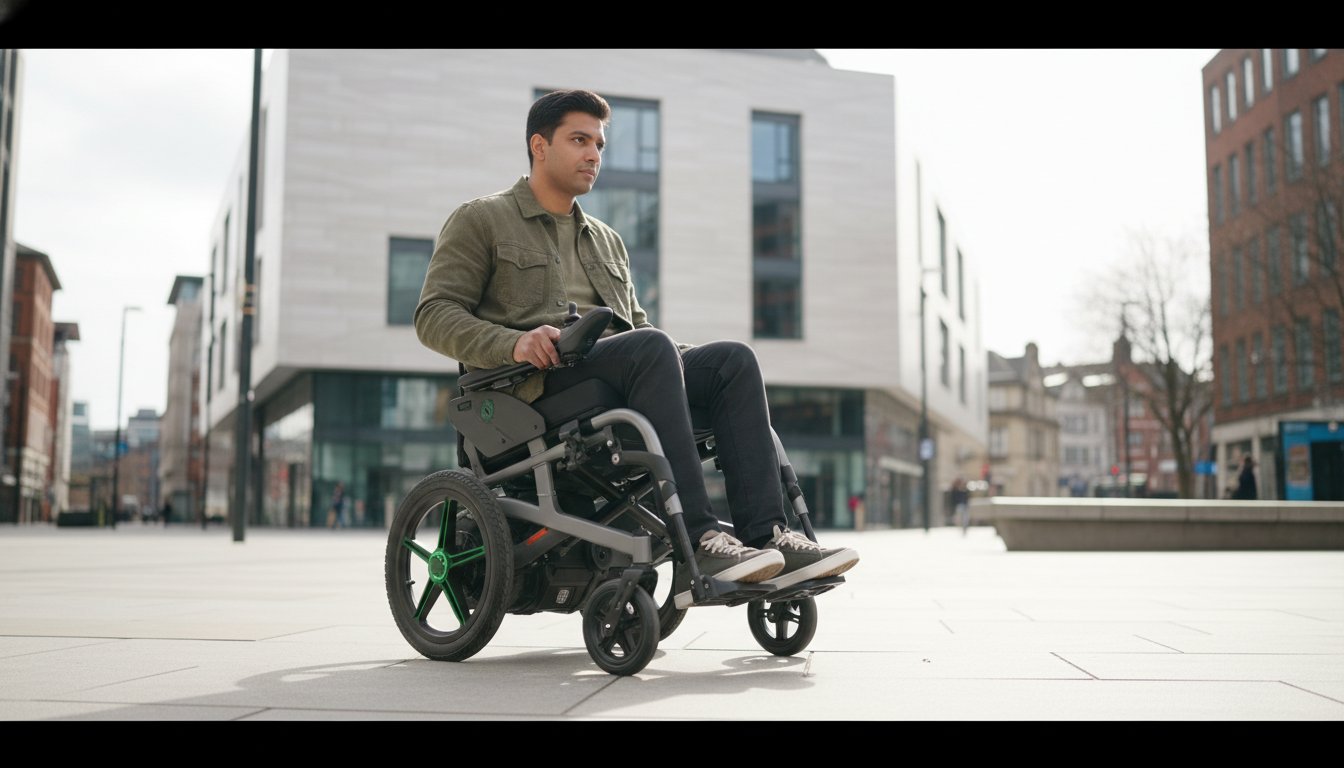
A single four-inch kerb shouldn't be the boundary that dictates where your journey ends. For many, the challenge of navigating kerbs in an electric wheelchair brings a familiar jolt of anxiety about tipping backwards or damaging sensitive castor wheels. You've likely felt the frustration of a planned route being cut short because the pavement height looks just a bit too risky. With a 23% increase in electric wheelchair demand recorded in 2025, more people than ever are facing these exact urban obstacles and worrying about getting high-centred in public.
Mastering these transitions is a matter of physics and technique rather than just power. We'll help you understand your chair's specific torque limits and approach angles so you can reclaim your freedom across the UK's streets. This guide breaks down the safest methods for mounting and descending kerbs, highlights the latest 2026 UK Department for Transport mobility regulations, and provides the expert support you need to travel solo with total confidence.
Key Takeaways
- Learn why ground clearance is the most critical specification when evaluating standard UK kerb heights of 100mm to 150mm.
- Master the "Square-On" technique for navigating kerbs in an electric wheelchair to ensure your castor wheels are aligned and your balance remains stable.
- Discover the specific physical advantages of rear-wheel versus mid-wheel drive configurations when approaching outdoor obstacles.
- Understand how mechanical kerb climbers and advanced suspension systems work together to maintain traction and protect your motors.
- Identify which heavy-duty or lightweight models provide the necessary torque and wheel size for your specific local environment.
Understanding Kerb Heights and Your Electric Wheelchair’s Limits
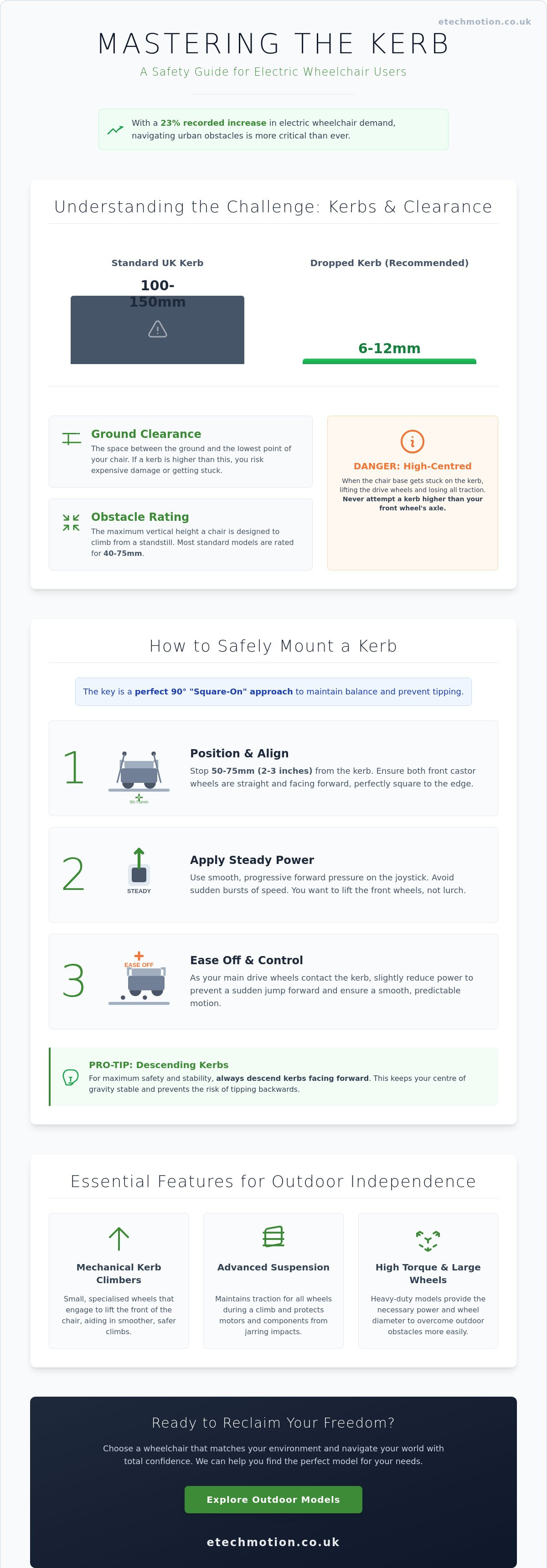
Most UK streets feature standard kerbs between 100mm and 150mm in height. While these seem like small steps to a pedestrian, they represent significant physical barriers when you're navigating kerbs in an electric wheelchair. Success starts with knowing the numbers. You must distinguish between a standard full-height kerb and a dropped kerb, which is ideally flush with the road but often retains a 6mm to 12mm lip. These small variations determine whether your journey remains smooth or comes to an abrupt, jarring halt.
Your most vital technical specification is ground clearance. This refers to the distance between the flat ground and the lowest point of your wheelchair's undercarriage, usually the battery box or motor housing. If a kerb's height exceeds this clearance, you risk expensive mechanical damage. Manufacturers also provide an "Obstacle Climbing" rating in the user manual. While learning electric wheelchair basics, you'll find that most standard 2026 models are rated for obstacles between 40mm and 75mm. Kerb climbing capacity is the maximum vertical height a chair can clear from a standstill.
The Danger of the "High-Centred" Position
Getting high-centred occurs when your front wheels clear the edge, but the kerb height exceeds your ground clearance. This traps the chassis on the concrete; it lifts your drive wheels off the ground and strips away all traction. Your wheelbase length plays a major role here. A longer wheelbase provides excellent stability but requires more space to clear the peak of a kerb without the belly of the chair bottoming out. If a kerb looks higher than the axle of your front castor wheels, it's objectively too high for your model. Don't risk the motor strain; find an alternative route.
Dropped Kerbs and the Highway Code
Current UK regulations categorize powered chairs into Class 2 and Class 3. While the 2026 Department for Transport consultation is currently reviewing these laws, the core advice remains: use dropped kerbs whenever possible. The Highway Code encourages mobility users to plan routes that avoid full-height kerbs to prevent accidents and tip-overs. Even if your heavy-duty chair can technically mount a 100mm kerb, repeated impacts strain the brushless motors and lithium-ion battery mounts. Always choose the dropped option if it's within a reasonable distance to preserve your chair's longevity and your own safety.
How to Safely Mount and Descend Kerbs: A Step-by-Step Method
Mastering the art of navigating kerbs in an electric wheelchair requires a methodical approach that prioritises balance over raw speed. The most frequent cause of tipping isn't the height of the kerb itself, but the angle of approach. You must always use a "Square-On" approach, hitting the kerb at a precise 90-degree angle. If one wheel strikes the concrete before the other, the chair's centre of gravity shifts laterally, which can lead to a dangerous sideways tip or cause the motor to stall. Research into Power Wheelchair Kerb-Climbing Technology confirms that maintaining perpendicular alignment is the most effective way to distribute torque across the chassis.
Before you apply power, check your castor wheel alignment. Front castors are designed to swivel, but they must be facing forward and straight before you attempt a climb. If they're tucked under the chair or turned sideways, the initial surge of power will be wasted as the wheels struggle to find a path upward. This creates unnecessary strain on your brushless motors and can drain your lithium-ion battery faster than expected. Finding the right momentum balance is a skill; you need enough power to lift the front wheels without so much speed that you lose control once the rear wheels follow.
Mounting a Kerb (Going Up)
- Step 1: Bring the chair to a complete stop approximately 2 to 3 inches (50mm to 75mm) from the kerb. This gap gives you the space to ensure your castors are perfectly straight and square to the edge.
- Step 2: Apply steady, progressive forward pressure on the joystick. Avoid "flooring" the control; instead, feel the motors engage as the front wheels begin to lift.
- Step 3: The moment your drive wheels make contact with the kerb edge, ease off the power slightly. This prevents the chair from "lurching" forward once it clears the peak, keeping your movement smooth and predictable.
Descending a Kerb (Going Down)
When it's time to head back down, always descend facing forward. While manual wheelchair users sometimes go backwards, electric chairs have a higher weight centre that makes forward descent safer for the motor housing. Creep forward slowly until the front castors gently roll off the edge. This "Slow-Drop" technique protects your spine from jarring impacts and prevents the chair's undercarriage from slamming into the pavement. If you frequently travel on uneven urban paths, choosing a heavy duty electric wheelchair with enhanced independent suspension can significantly dampen these jolts. Always check for pedestrians and traffic before you commit to the drop, as your field of vision changes as the chair tilts forward.
Remember that navigating kerbs in an electric wheelchair safely is a skill that improves with practice. Start with smaller dropped kerbs to build your confidence before moving on to standard pavement heights.
Drive Configurations: How Mid-Wheel vs. Rear-Wheel Chairs Handle Kerbs
The physics of navigating kerbs in an electric wheelchair changes significantly depending on where your drive wheels are located. While a Folding Electric Wheelchair offers excellent portability, its rear-wheel drive setup handles a 100mm kerb very differently than a mid-wheel model. Understanding these mechanical differences is the key to avoiding a "high-centred" stall or an unexpected tip. Each configuration has a specific "personality" when it meets an obstacle, and mastering yours is the first step toward outdoor independence.
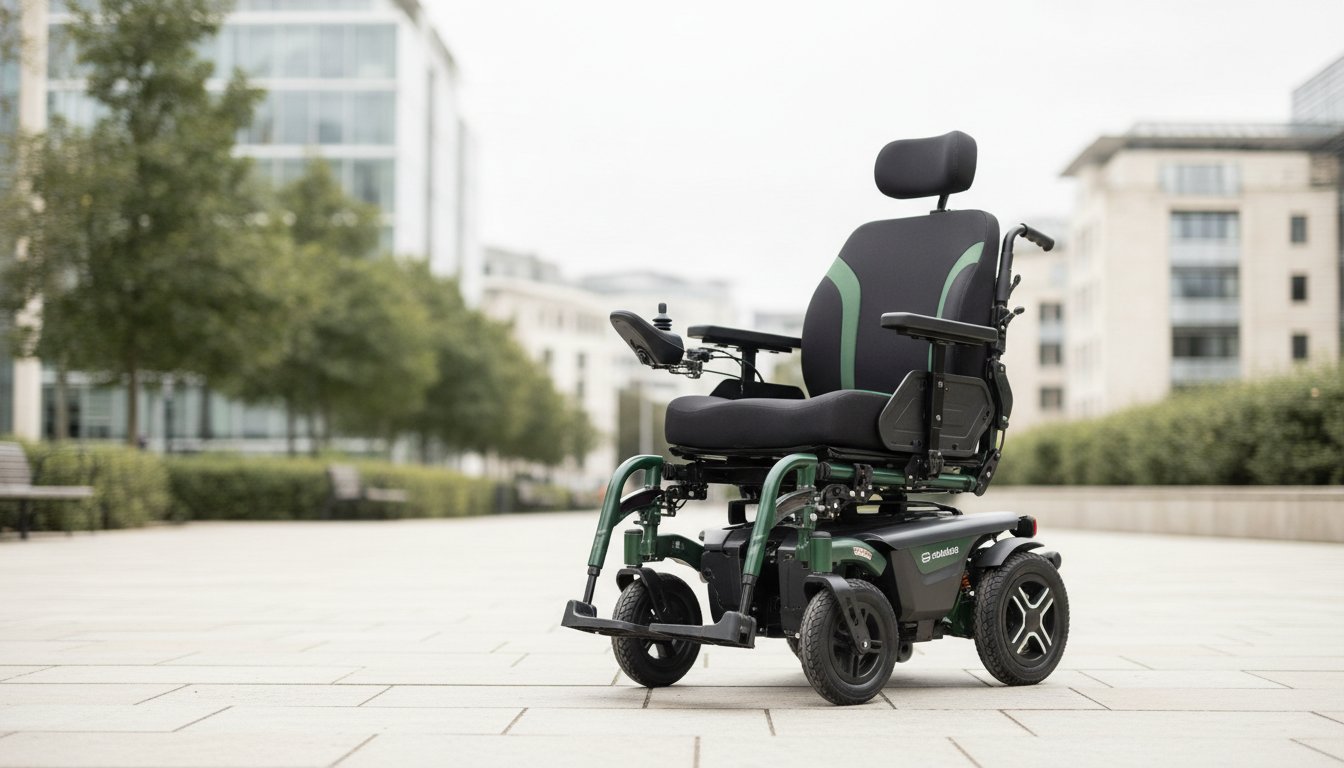
Rear-wheel drive is the traditional configuration, acting much like a rear-wheel drive car. The front castors lead the way, while the large rear wheels provide the "push" required to mount an obstacle. This setup offers superior stability because the centre of gravity remains between the wheels during a climb. Conversely, front-wheel drive chairs are often considered the masters of the urban jungle. Because the large drive wheels hit the kerb first, they can "pull" the chair up obstacles that would stop a castor-first chair in its tracks. Some 2026 front-wheel models are rated to clear kerbs up to 75mm without a kerb climber attachment.
Mid-wheel drive chairs present a unique "pivot" dynamic. With six wheels on the ground, these chairs offer a zero-turn radius that is perfect for indoor use but requires more finesse outdoors. When the front castors mount a kerb, the drive wheels must follow immediately to maintain traction. If the drive wheels lose contact with the ground because the front or rear wheels are suspended, you'll lose all movement. This makes the "square-on" approach even more critical for mid-wheel users to ensure all wheels maintain contact with the surface.
The Pivot Point Factor
Motor location dictates your approach angle. In a mid-wheel drive chair, the pivot point is directly beneath your seat, which means any tilt is felt instantly. You must be particularly careful with anti-tip wheels on uneven UK pavements. If these small safety wheels strike the ground too early, they can lift your drive wheels off the pavement, leaving you stranded. Precise joystick control is essential to keep all six wheels engaged with the surface as you transition between heights.
Weight Distribution and Traction
Traction is a product of weight and tyre surface area. A Heavy Duty Electric Wheelchair typically features wider tyres and a heavier chassis, which provides the downward force needed to grip wet or mossy kerbs. On a rainy UK afternoon, a lightweight chair might suffer from wheel spin on a smooth concrete edge. You can improve your climbing success by leaning your upper body forward slightly as you mount a kerb; this shifts the weight over the drive wheels and helps them bite into the surface for maximum torque.
Essential Safety Equipment and Kerb-Climbing Technology
While technique is vital, the hardware beneath you dictates your ultimate success when navigating kerbs in an electric wheelchair. Modern 2026 drive systems are increasingly sophisticated, moving away from simple on/off power delivery. Many high-end models now utilise torque-sensing controllers that can automatically boost power when an obstacle is detected. This ensures the brushless motors provide the necessary "kick" to lift the castors over a 100mm lip without requiring the user to jam the joystick forward, which often leads to a loss of control once the peak is cleared.
Suspension systems also play a crucial role in maintaining traction. Independent wheel movement allows each tyre to stay in contact with the ground, even when the chassis is tilted at an angle. This is particularly important on uneven UK pavements where a kerb might be higher on one side than the other. You must also regularly check your anti-tip wheels. These safety components are essential for preventing backwards flips, yet if they're set too low, they'll catch on the pavement as you tilt back to mount a kerb, effectively pinning you in place. Adjusting them to the manufacturer's maximum safe height provides the necessary clearance for urban obstacles.
Tyre Pressure and Maintenance
Your tyres are your only contact point with the concrete. Under-inflated tyres are a significant safety risk because they deform under pressure, which reduces your effective ground clearance and makes the chair sluggish. This lack of "snap" can leave you stuck halfway up a kerb. You should also inspect your castor forks for tension. A loose castor fork creates a "wobble" after an impact, which can destabilise the chair at higher speeds. If you frequently navigate rough terrain, we recommend contacting our team for expert mobility support to ensure your motor mounts and lithium-ion battery housing remain secure.
The "Kerb Climber" Attachment
A kerb climber is a mechanical lever system, often found on rear-wheel drive models in the UK, designed to assist the front castors. When the chair approaches a kerb, this spring-loaded arm strikes the concrete first, acting as a pivot that physically lifts the front of the chair upward. While these attachments significantly increase your climbing capacity, they require regular maintenance to ensure the spring tension remains correct. The main drawback is that they can slightly reduce your ground clearance on flat ground. They're best suited for users who prioritise outdoor independence over indoor agility and need to clear standard UK pavement heights regularly.
Selecting the Best Electric Wheelchair for Outdoor Independence
Choosing the right mobility solution depends entirely on your daily environment. If you live in a modern urban development with consistent dropped kerbs, a Lightweight Electric Wheelchair might be your ideal companion. However, many UK town centres still feature standard 150mm kerbs that haven't been modernised. In these areas, navigating kerbs in an electric wheelchair requires a chassis designed for durability. A Heavy Duty Electric Wheelchair often features larger 12 to 14 inch wheels, providing the necessary leverage to overcome un-dropped obstacles that would stop a travel-focused chair.
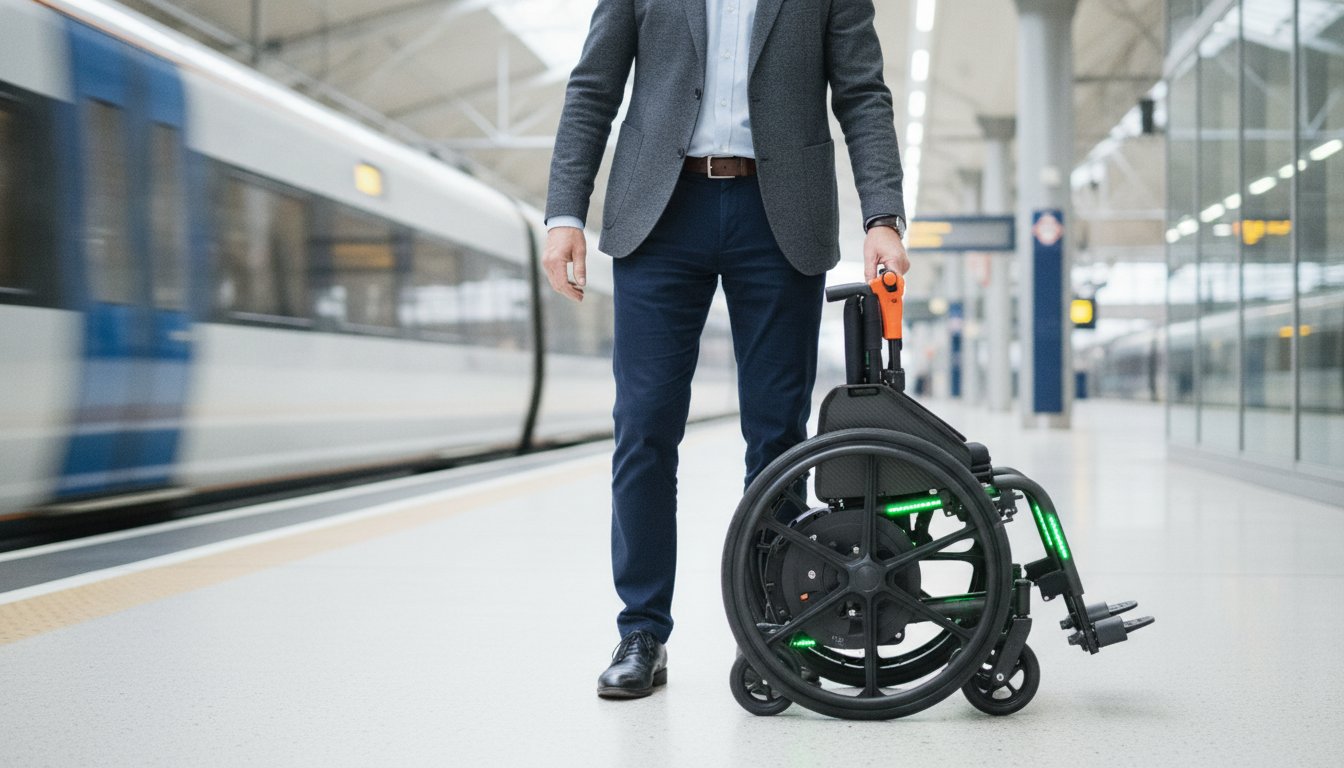
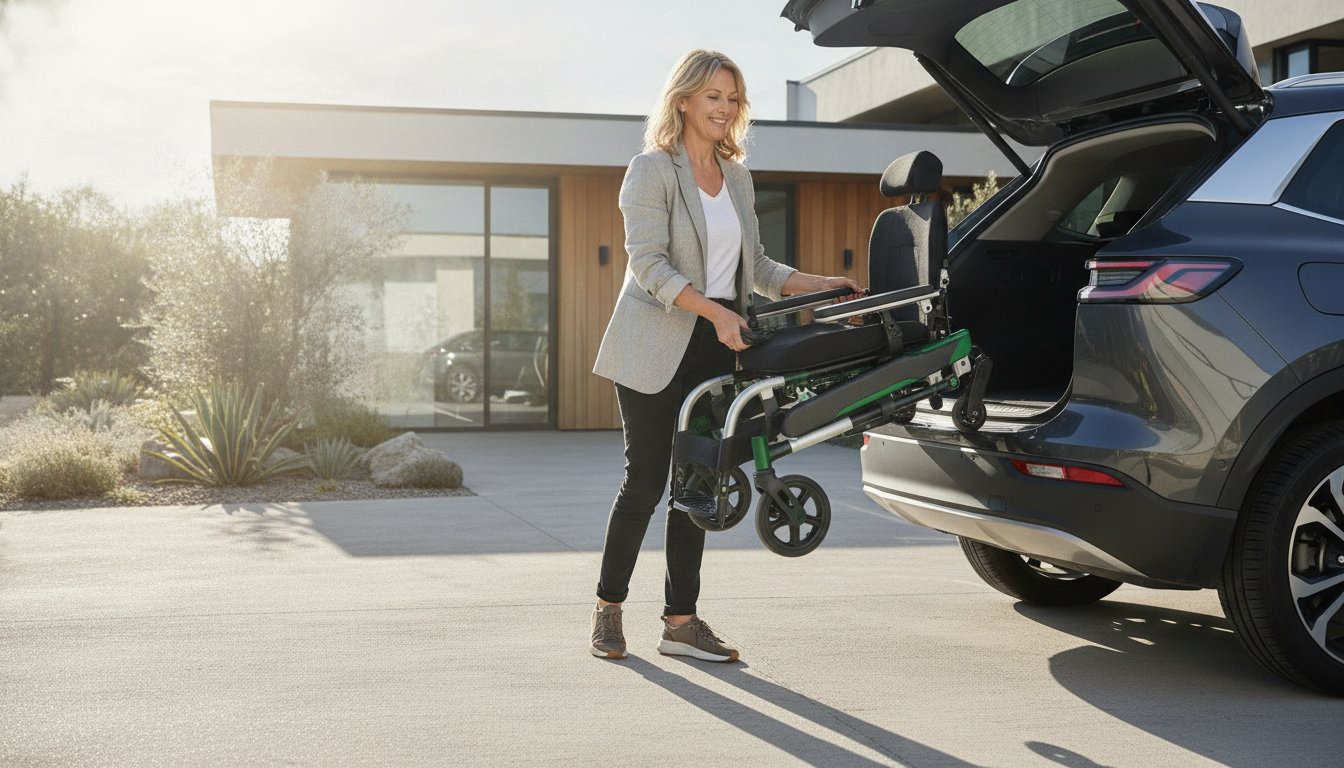
There is a natural trade-off between portability and climbing capability. While folding models weighing as little as 14.5kg offer incredible freedom for car travel, they often have smaller castor wheels. These are perfect for flat pavements but might only be rated for obstacles up to 1.4 inches high. Conversely, larger outdoor models are built with higher ground clearance and more powerful brushless motors. These specifications are vital if your local routes include steep 10 to 12 degree slopes or irregular pavement heights. Balancing these needs ensures you don't feel limited by your equipment choice.
Assessing Your Navigation Needs
Before making a final decision, take a critical look at your most frequent routes. Are the kerbs consistently dropped at every junction? Do you often encounter mossy or uneven surfaces? We recommend a home demonstration on your actual local paths to see how a specific model handles the real-world obstacles you face daily. Ground clearance should be one of your top three priorities. If you find yourself frequently navigating kerbs in an electric wheelchair, a model with a higher obstacle climbing rating will prevent the motor strain and chassis damage discussed in previous sections.
The Etech Motion Advantage
As a homegrown UK business, Etech Motion understands the specific challenges of British infrastructure. We provide expert support to help you weigh the benefits of mid-wheel versus rear-wheel drive configurations based on your lifestyle. With the UK Department for Transport's 2026 consultation on powered mobility devices currently shaping the future of regulations, it's more important than ever to choose a partner committed to safety standards and quality assurance. Our team is here to ensure your transition to electric mobility is both aspirational and practical. Explore our range of high-performance electric wheelchairs today to reclaim your outdoor independence.
Reclaim Your Outdoor Independence
Mastering the techniques for navigating kerbs in an electric wheelchair is about more than just safety; it's about the freedom to explore your community without hesitation. By applying the "Square-On" approach and understanding your chair's specific ground clearance, you move from anxiety to expert control. We've explored how drive configurations and torque delivery impact your ability to clear obstacles, proving that the right technical knowledge is just as important as the power in your motors. Your equipment shouldn't be a barrier to your daily life.
Etech Motion is here to ensure you have the right tools for the road ahead. As specialists in heavy-duty and folding mobility solutions, we provide UK-based expert support to help you match a chair to your specific local terrain. With nationwide delivery on all power chairs, we make it easy to access high-performance technology that respects your need for independence. Our team is dedicated to providing the technical depth and reliability you need for long-term satisfaction in a smarter, electric-powered world.
Find your perfect electric wheelchair at Etech Motion and experience the joy of effortless motion. Your world is waiting to be rediscovered.
Frequently Asked Questions
Can all electric wheelchairs go over kerbs?
No, not every model is built for kerb climbing. While outdoor-focused chairs often clear 50mm to 75mm obstacles, many lightweight indoor models are restricted to 20mm thresholds. You must consult your manufacturer's specific "maximum obstacle height" before attempting any transition. Attempting to force a chair over a height it wasn't designed for can lead to permanent chassis misalignment or motor failure.
How high a kerb can a folding electric wheelchair climb?
Most folding models can handle obstacles between 25mm and 40mm. Because these chairs prioritise portability and a low weight, they typically feature smaller castor wheels that cannot safely clear a standard 150mm UK pavement. Navigating kerbs in an electric wheelchair with a folding frame requires careful route planning to ensure you only use dropped kerbs or ramps whenever possible.
Is it safer to go up a kerb backwards or forwards?
It is significantly safer to go up a kerb facing forwards in a power chair. This orientation allows you to monitor your castor alignment in real-time and ensures the drive wheels provide the necessary torque from a stable rear position. Going backwards in an electric model shifts the centre of gravity dangerously and increases the risk of a rearward tip, which is why most manufacturers strictly advise forward approaches.
What should I do if my wheelchair gets stuck on a kerb?
Stop applying power immediately to prevent motor strain or tyre damage if you feel the undercarriage strike the concrete. If the chassis is high-centred, don't attempt to "rock" the chair with the joystick; this can overheat the electronics. Ask a pedestrian for a steadying hand or a small push while you apply very low power to help the drive wheels regain traction on the pavement surface.
Will navigating kerbs damage my electric wheelchair motor?
Frequent high-impact climbing can lead to premature wear on brushless motors and gearbox components. While modern chairs are durable, the jarring force of hitting a 100mm kerb at speed strains the lithium-ion battery mounts and suspension. Navigating kerbs in an electric wheelchair using the correct momentum balance is essential for maintaining your chair's long-term reliability and protecting your investment from unnecessary mechanical stress.
Do I need a special licence to drive a power chair on UK pavements?
You don't need a licence to operate a mobility device on pavements, though Class 3 chairs must be registered with the DVLA for road use. The ongoing 2026 Department for Transport review is currently looking at modernising these rules for all powered devices. Always ensure your chair is switched to the 4 mph limit when travelling on pedestrian walkways to remain compliant with current safety standards.
How do anti-tip wheels affect kerb climbing?
Anti-tip wheels act as a vital safety net to prevent backwards flips during a steep ascent. However, if they are adjusted too low, they can strike the ground as the chair tilts back; this lifts the drive wheels and kills your traction. Correct adjustment allows for a standard climb while still catching the chair if the tilt becomes excessive, ensuring a safe balance between obstacle clearance and stability.