Why should a higher weight capacity mean sacrificing the ability to fold your chair or navigate a narrow British high street? For many, searching for a bariatric electric wheelchair UK retailers provide often leads to a frustrating choice between a bulky, immovable frame or a portable model that feels cramped and unstable. It's exhausting to worry about whether a battery can handle a heavier load or if a chair will actually fit through a standard doorway. You deserve a mobility solution that matches your lifestyle, not one that limits it.
This 2026 guide changes the narrative by focusing on precision engineering rather than just "upsizing." With 30% of adults in England living with obesity as of 2024, the demand for robust, high-torque powerchairs has never been higher. We'll show you how to find a chair that balances a 227kg safe working load with the freedom of independent movement across the UK. You'll also learn how to navigate UKCA safety standards and secure 0% VAT relief to save 20% on your purchase, ensuring your transition to electric mobility is both high-performance and cost-effective.
Key Takeaways
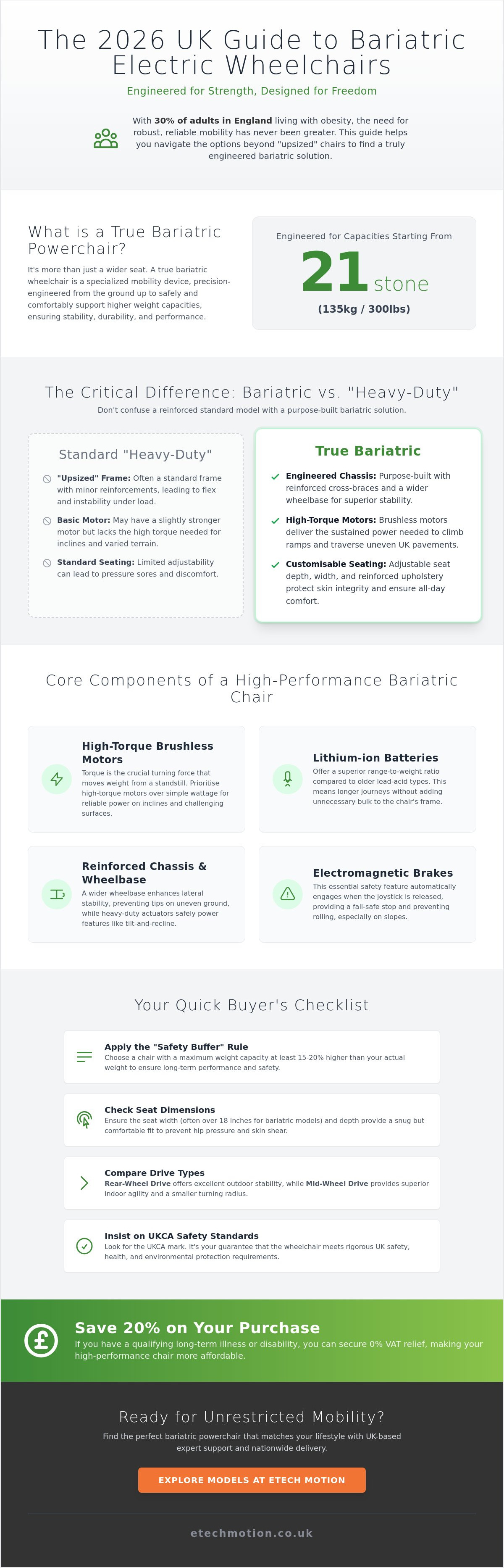
- Learn to distinguish between standard heavy-duty frames and precision-engineered bariatric models built for weight capacities starting at 21 stone.
- Discover why high-torque brushless motors and lithium-ion batteries are the secret to a bariatric electric wheelchair UK riders can depend on for consistent power.
- Compare rear-wheel and mid-wheel drive systems to see which configuration offers the best mix of outdoor stability and indoor agility for your lifestyle.
- Master the "safety buffer" rule and seat dimension checks to guarantee your powerchair remains comfortable and safe for years to come.
- Understand the value of UK-based expert support and UKCA safety standards in ensuring your mobility transition is smooth and secure.
What is a Bariatric Electric Wheelchair and Who is it For?
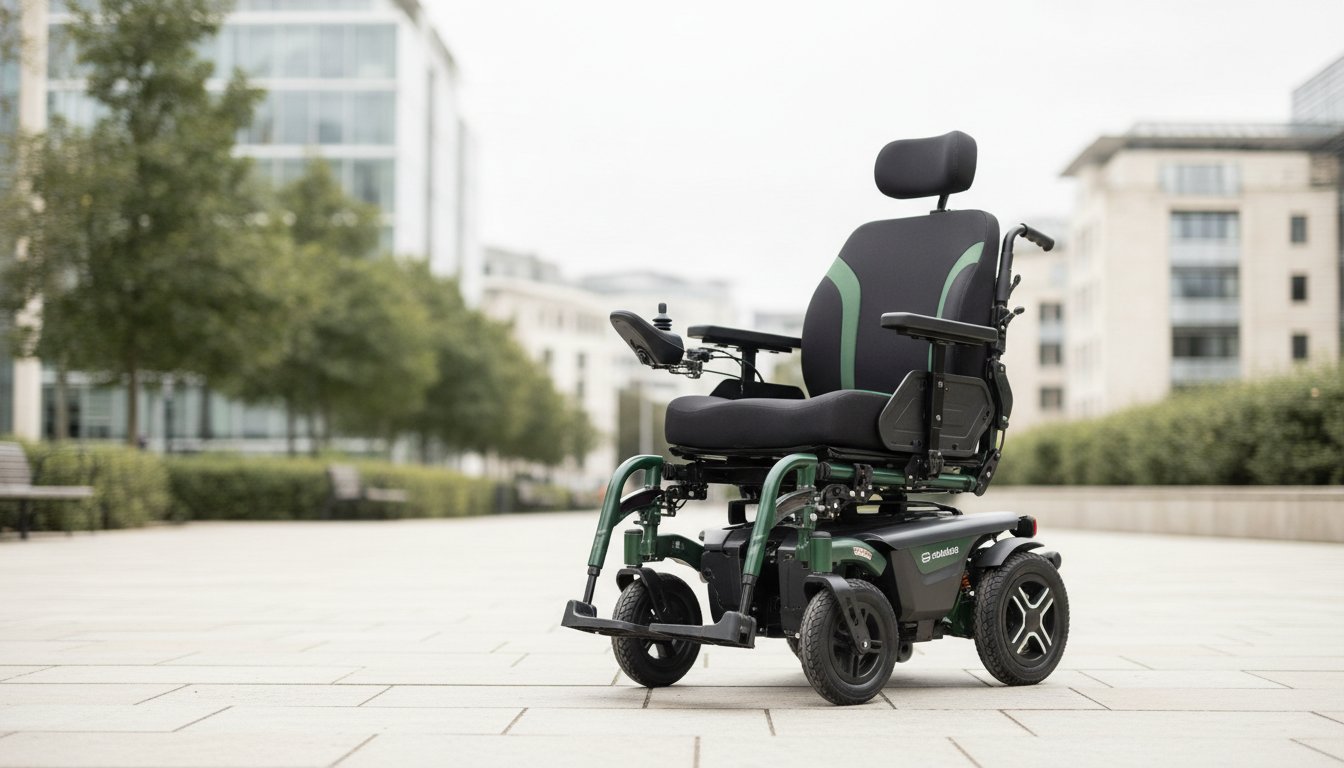
A bariatric wheelchair is a specialized piece of mobility equipment engineered for weight capacities that typically start at 21 stone (135kg). In the UK mobility market, it's easy to confuse "heavy-duty" with "bariatric," but the distinction is vital for your safety. While heavy-duty chairs might feature a slightly stronger motor, a true bariatric electric wheelchair UK model is designed from the ground up. This means the frame geometry, motor torque, and seat ergonomics are all optimized for higher loads. This isn't just about size; it's about ensuring your chair doesn't "flex" or lose stability when you're navigating a busy shopping centre or a sloped driveway.
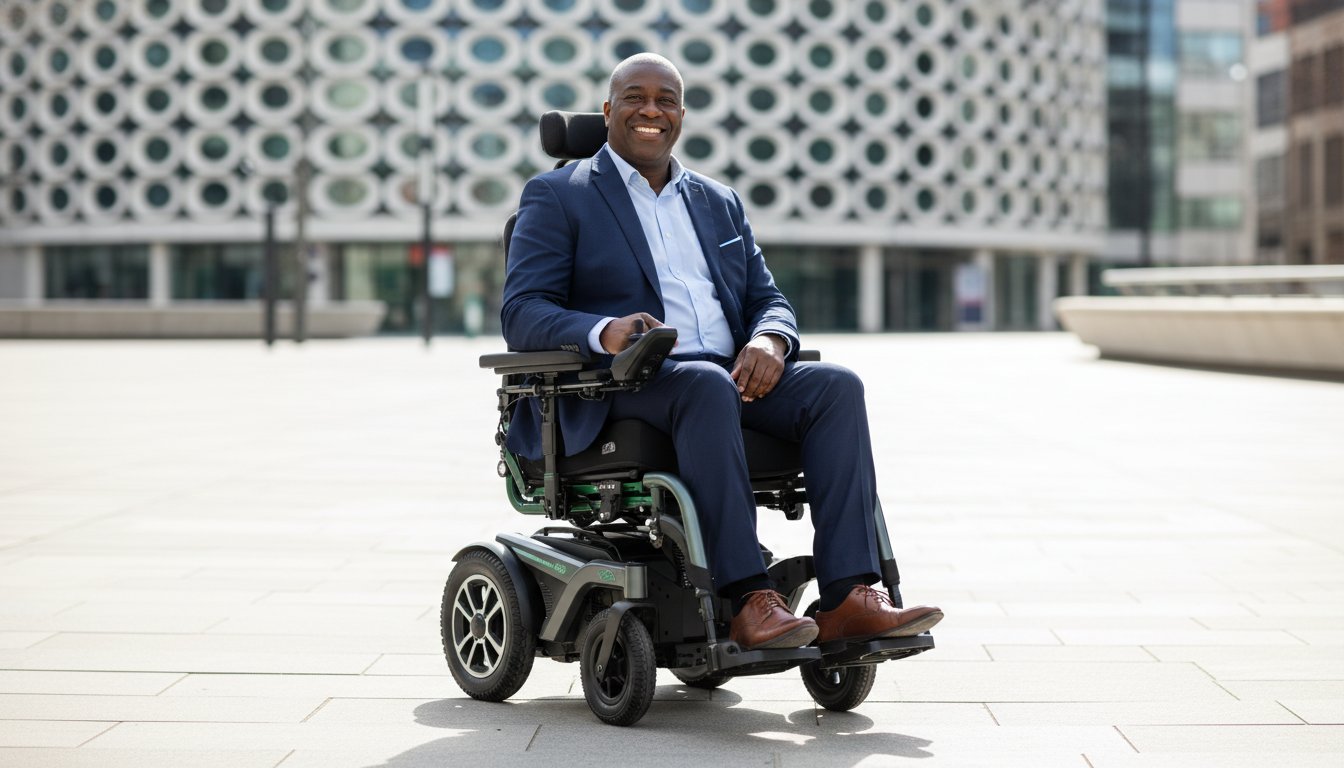
Beyond the technical specs, the right fit has a profound psychological impact. Moving from a chair that feels cramped or flimsy to one that feels solid and responsive changes your mindset. You stop worrying about equipment failure and start focusing on the journey. It's the difference between feeling restricted by your mobility aid and feeling empowered by it. With reinforced upholstery and precision-engineered seat depth, these chairs protect your long-term skin integrity by preventing the "bottoming out" effect that causes pressure sores.
Signs You Need a High-Capacity Powerchair
If your current seat width, typically 16 to 18 inches, feels tight, you're likely experiencing unnecessary pressure on your hips and thighs. This isn't just uncomfortable; it's a primary cause of skin shear. UK users should be diligent with their "stones to kilograms" conversion; since one stone is roughly 6.35kg, a 22-stone user weighs nearly 140kg. If your chair is rated for 135kg, you're already over the limit. Look for signs of frame stress, such as unusual creaking or a loss of steering precision, which suggest the chassis is struggling to maintain its integrity under your weight.
Bariatric vs. Standard Powerchairs: The Structural Differences
The secret to a reliable bariatric electric wheelchair UK riders can trust lies in its reinforced cross-braces and heavy-duty actuators. These components allow for advanced features like power tilt-and-recline without the risk of mechanical burnout. Manufacturers also widen the wheelbase to enhance lateral stability, which is essential for staying safe on uneven UK pavements. High-quality bariatric models offer customisable seating systems that adjust to your unique body shape. This ensures weight is distributed evenly across reinforced upholstery, protecting your skin and providing a smooth ride every time you leave the house.
This focus on anatomical support and physical health is a principle shared by ergonomic specialists like EKOBOR, who provide premium furniture solutions designed to maintain healthy posture and comfort beyond mobility aids.
Essential Engineering: What Makes a Powerchair Truly Heavy-Duty?
True heavy-duty performance isn't just about making the frame wider. It's about the synergy between the motor, the power source, and the ground. When you're selecting a bariatric electric wheelchair UK pavements can be unforgiving. Steep kerbs, cambered footpaths, and uneven surfaces demand a drive system that won't stall or overheat. Engineering for bariatric needs requires a focus on sustained output rather than just peak speed.
Motor Power and Torque Requirements
Wattage is often the first number people look at, but it only tells half the story. High wattage might give you a higher top speed, but torque is the real hero for bariatric users. Torque is the turning force required to move weight from a standstill. Without sufficient torque, a powerchair will struggle to start on an incline or navigate thick carpet. Brushless motors are the modern standard here; they offer higher efficiency, generate less heat, and require less maintenance than older brushed versions.
Safety is equally dependent on how you stop. Electromagnetic braking systems are essential for managing higher momentum when travelling downhill. These systems engage automatically when the joystick is released, providing a fail-safe that prevents the chair from rolling away. Understanding these UK rules for powered wheelchairs helps you decide if you need a Class 2 chair for pavements or a Class 3 model for road use.
Battery Range and Efficiency
The transition from lead-acid to lithium-ion technology has revolutionised heavy-duty mobility. Lithium-ion batteries provide a much better range-to-weight ratio, which is crucial when the chair itself is already reinforced. Keep in mind that user weight directly impacts the "maximum range" quoted by manufacturers. A range of 15 miles might drop to 10 miles under a maximum load, so look for dual-battery setups if you plan on longer days out. Most modern folding bariatric electric wheelchair UK models use airline-compliant lithium batteries, allowing you to maintain your independence even when travelling abroad.
Suspension and Traction
A robust suspension system is the difference between a smooth ride and constant jarring. Heavy-duty suspension must absorb impact without "bottoming out" under a 30-stone load. This is often paired with specific tyre choices to ensure stability:
- Pneumatic Tyres: These air-filled tyres offer superior shock absorption and better traction on soft ground like grass or gravel.
- Solid Tyres: These are puncture-proof and ideal for city dwellers who don't want to worry about sharp debris on the pavement.
If you're looking for a balance of power and portability, you can view our latest heavy-duty powerchairs to see these engineering principles in action. Choosing the right combination of motor torque and tyre type ensures your chair remains a reliable partner for years to come.
Comparing Drive Types and Portability for Bariatric Users
Choosing the right drive configuration for your bariatric electric wheelchair UK model depends largely on where you intend to spend most of your time. While engineering has advanced significantly by 2026, the physical layout of the wheels still dictates how a chair handles different environments. Rear-wheel drive remains the traditional choice for those who prioritse outdoor stability. These models excel at tracking in a straight line and often offer higher top speeds, making them ideal for long journeys on paved cycle paths or coastal promenades. However, because the pivot point is at the back, they require a larger area to turn, which can be challenging in a standard British high street shop.
Front-wheel drive models are less common but offer a unique advantage for users who frequently encounter obstacles. By placing the drive wheels at the front, the chair can "pull" itself over kerbs and navigate soft ground like garden turf more effectively. For the majority of users, the choice comes down to the balance between outdoor power and indoor finesse. Modern bariatric folding chairs now achieve capacities of 25+ stone without sacrificing portability, a feat made possible by high-strength aerospace alloys that didn't exist a decade ago.
Manoeuvrability in UK Homes
Navigating a home in the UK often means dealing with narrow hallways and the standard 762mm internal door frame. Mid-wheel drive is the gold standard for these environments because the chair rotates on its own axis. This creates the tightest possible turning circle, allowing you to spin 360 degrees in a space barely wider than the chair itself. To make this agility accessible, many manufacturers now offer customisable joystick sensitivity. This allows users with limited upper-body strength to control a heavy-duty frame with minimal effort, ensuring the chair feels responsive rather than cumbersome in tight kitchens or bathrooms.
The Logistics of Folding Bariatric Chairs
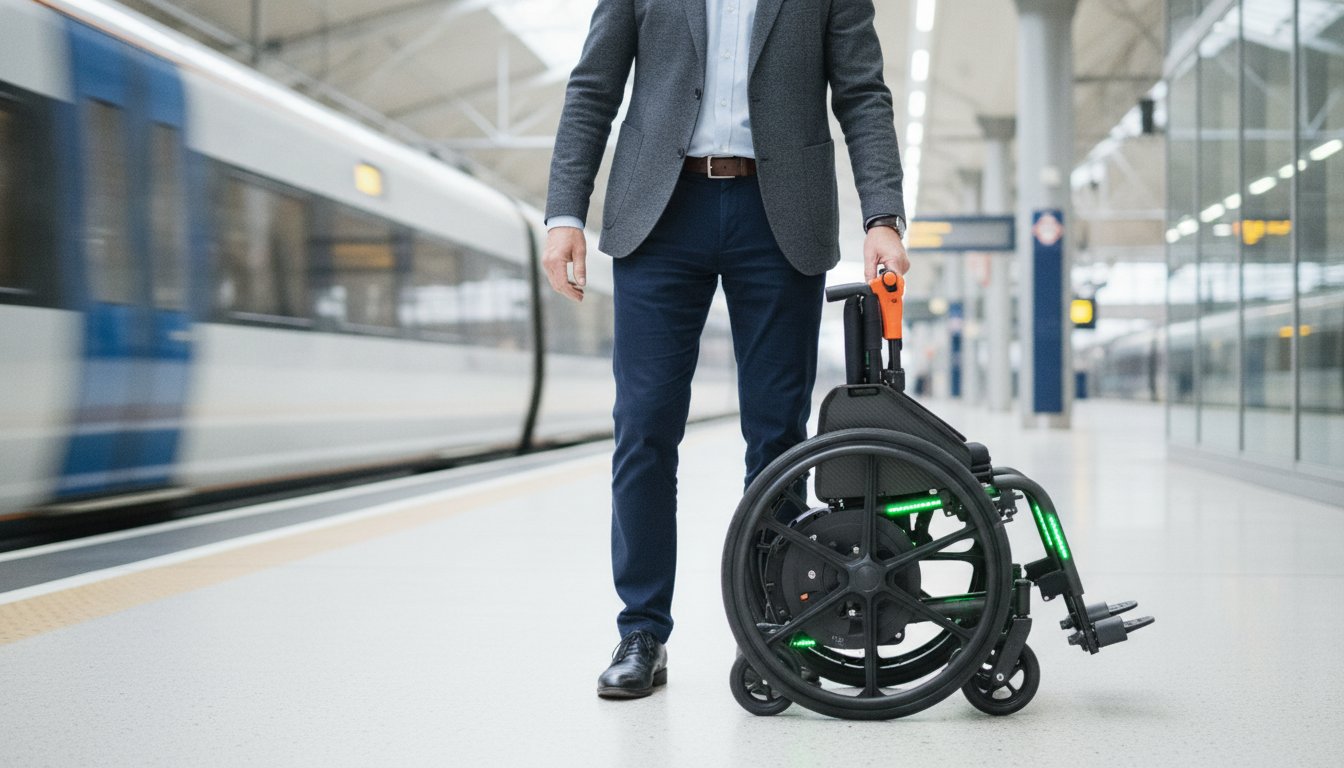
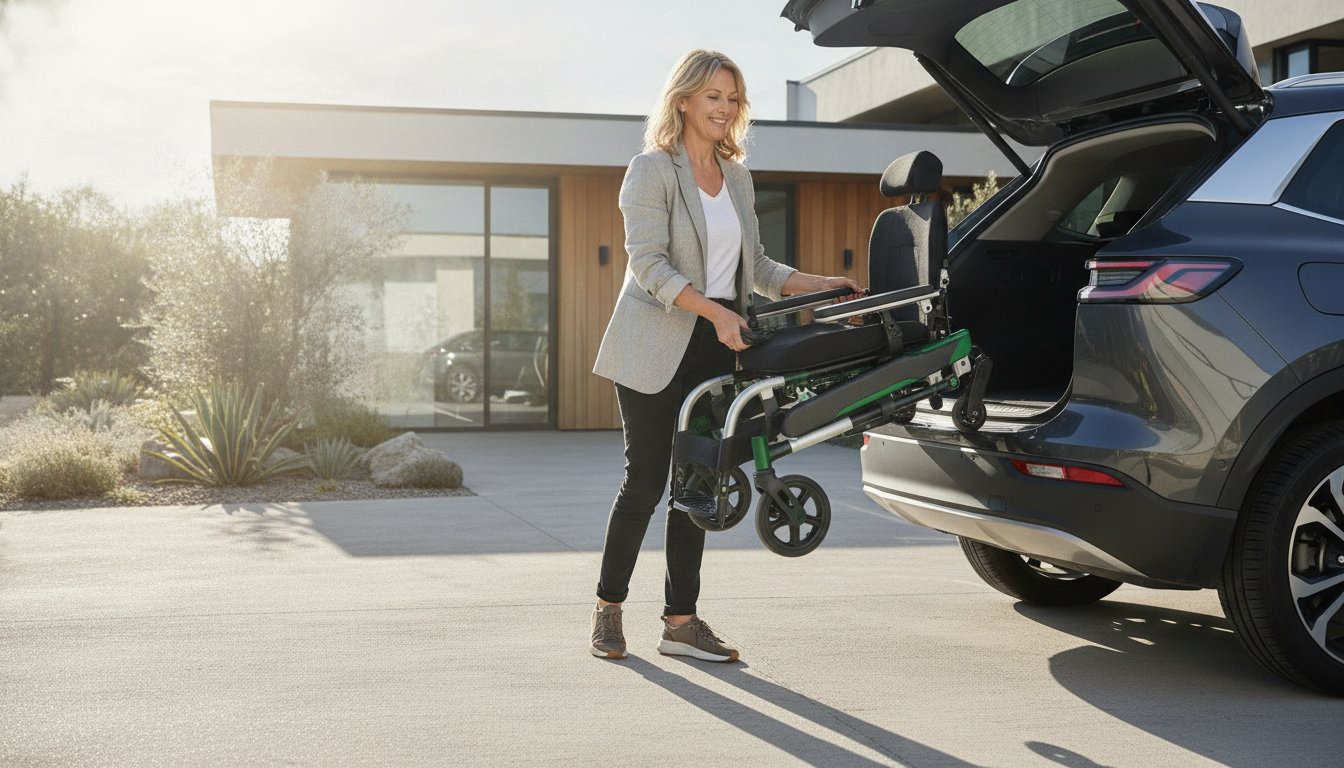
The "folding vs. dismantling" debate is crucial for anyone planning to transport their chair in a car. A folding bariatric chair is convenient for quick trips, but the total weight can still be significant for a caregiver to lift. In 2026, many heavy-duty models are designed to be dismantled into three or four smaller sections. When evaluating a chair, always check the "weight of the heaviest part." If the main motor section weighs 15kg but the total chair is 45kg, it's much easier for a partner to load into a boot piece by piece. This modular approach ensures that even a high-capacity powerchair remains a practical tool for spontaneous days out and family adventures.
Buyer’s Checklist: Finding the Perfect Fit for Your UK Lifestyle
Finding the right bariatric electric wheelchair UK model requires more than just checking a weight limit. You need to account for your daily routine, from the width of your hallway to the gradient of your driveway. Start with an accurate weight measurement, but always leave a 10-15% safety buffer. If you weigh 150kg, choosing a chair with at least a 165kg limit ensures the high-torque motors and suspension systems operate within their optimal range. This prevents premature wear and ensures the chair remains responsive on inclines.
Seat dimensions are equally critical for long-term comfort. Measure your hip-to-hip width while seated and add approximately 5cm to allow for thicker clothing and air circulation. You should also measure from the back of your knee to your spine to determine the correct seat depth. A seat that is too deep will cause you to slouch, while one that is too shallow won't provide enough thigh support. This balance is essential for maintaining the skin integrity we discussed in the opening section of this guide.
VAT Relief and Funding in the UK
As of May 2026, individuals with a long-term illness or disability can purchase a bariatric electric wheelchair UK residents rely on at 0% VAT. This represents a 20% saving on the purchase price. You don't need formal registration as disabled; you simply make a declaration to the supplier at the point of sale. For those receiving the higher rate mobility component of PIP or DLA, the Motability Scheme remains a popular pathway for accessing new equipment. We always recommend choosing a UK-based retailer. It makes warranty claims and repair logistics much simpler than dealing with an overseas manufacturer.
Measuring Your Environment
Before committing to a model, assess your physical surroundings. Check any existing ramp gradients to ensure they can safely support a heavier powerchair without risking a tip. You also need to verify vehicle compatibility. Even if a chair folds, its weight might necessitate a boot hoist for safe loading. If you plan to use public transport, remember that most UK buses and trains are designed to accommodate chairs with a maximum width of 700mm and a length of 1200mm. Ensuring your chair fits these dimensions is the key to true urban freedom.
Ready to find your perfect match? You can browse our full range of heavy-duty mobility solutions to see which model fits your checklist.
Why Choose Etech Motion for Your Heavy-Duty Mobility?
Choosing a bariatric electric wheelchair UK users can depend on is a significant commitment. At E-Tech Motion, we don't just sell mobility aids; we provide a gateway to renewed independence. Our approach balances technical precision with a deep understanding of the challenges faced by heavier users. By focusing on robust engineering and local accountability, we ensure your transition to electric mobility is effortless and secure. We believe that a high-capacity powerchair should never feel like a compromise on style or agility.
Our philosophy is simple: mobility is the catalyst for your next adventure. Whether you're exploring a local park or navigating a busy city centre, our chairs are designed to be your reliable partner. We remove the anxiety often associated with such a purchase through transparent pricing and professional guidance. Every product in our range meets strict UK safety standards, including the UKCA and CE markings required as of May 2026, ensuring your equipment is "road-ready" and built to last.
Expert Support and Aftercare
Reliability stems from proximity. Our Birmingham-based headquarters serves as the central hub for national support, ensuring you're never more than a phone call away from expert advice. Unlike overseas retailers, we maintain a comprehensive inventory of spare parts and offer dedicated technical support long after your initial purchase. For new users, our professional "setup and demonstration" service is invaluable. We walk you through every control, from adjusting joystick sensitivity to managing your lithium-ion battery life, ensuring you feel confident from the very first mile.
Modern Mobility for a Greener Future
We're proud to lead the green transport revolution in the UK. Our eco-friendly electric solutions reduce reliance on traditional transport while providing the high-torque power necessary for bariatric needs. We've seen hundreds of users regain their freedom, moving from a life of restriction to one of active engagement with their community. This transformation is what drives us to innovate and maintain the highest quality assurance in the industry. By choosing a homegrown UK business, you're investing in a service that understands the specific nuances of the British landscape and its regulatory requirements.
Ready to reclaim your freedom and start your next chapter? You can explore our range of bariatric electric wheelchairs today and find the perfect match for your lifestyle.
Start Your Next Adventure with Confidence
Choosing a bariatric electric wheelchair UK model is about more than finding a larger seat; it's about selecting a drive system that matches your ambition. We've explored how high-torque motors and lithium-ion efficiency provide the foundation for a reliable ride, while accurate measurements ensure long-term comfort. By understanding the 20% savings available through VAT relief and the agility of mid-wheel drive, you're now equipped to make a choice that truly fits your lifestyle.
E-Tech Motion stands as your expert partner in this journey. Our Birmingham-based support team provides the technical guidance you need, backed by nationwide delivery and full compliance with UK safety standards. We're committed to making your transition to electric mobility as smooth as possible. Find your perfect heavy-duty powerchair at Etech Motion today and rediscover the joy of effortless movement. The road ahead is open, and we're here to help you navigate it with ease.
Frequently Asked Questions
What is the maximum weight capacity for a bariatric electric wheelchair?
Leading bariatric models in 2026 reach a safe working load of 35.75 stone (227kg). While some bespoke clinical chairs can exceed this, a standard bariatric electric wheelchair UK retailers stock usually peaks at this level to maintain portability. You should always ensure your chosen model includes a 10% to 15% safety buffer above your current weight to prevent unnecessary motor strain and ensure longevity.
Can I get VAT relief on a heavy-duty powerchair in the UK?
You can claim 0% VAT if you have a chronic illness or a physical disability, which represents a 20% saving on the purchase price. To benefit, you simply complete a self-declaration form at the point of sale confirming the equipment is for your personal use. You don't need a doctor's letter or formal registration as disabled; the declaration itself is sufficient for HMRC compliance.
Are bariatric electric wheelchairs allowed on UK public transport?
Most bariatric powerchairs are permitted on UK buses and trains if they fit within the standard footprint of 700mm wide and 1200mm long. Because heavy-duty chairs are naturally wider, you must verify your specific model's external dimensions before travelling. Many modern designs specifically prioritise these measurements to ensure users can access the national transport network without being turned away by drivers.
How wide is a bariatric powerchair and will it fit through my front door?
Heavy-duty powerchairs typically measure between 660mm and 740mm in total width. Since the standard UK internal door is 762mm, most models will fit with a small margin for error. However, older properties or narrow hallways may present a challenge. It's best to measure your narrowest entry point and compare it against the chair’s widest part, which is usually the rear wheel hubs.
Do folding bariatric wheelchairs exist for car travel?
Folding bariatric models are widely available in 2026 and are more capable than ever. High-strength magnesium and titanium alloys allow these chairs to support weights over 25 stone while still collapsing into a size suitable for a standard car boot. Some models also dismantle into modular sections, ensuring the heaviest part is manageable for a caregiver to lift safely during a day out.
How often does the battery need charging on a heavy-duty model?
You should charge your lithium-ion battery every night if you use the chair daily. Even if you haven't fully depleted the power, keeping the battery topped up ensures you have the maximum range available for the following day. Because a bariatric electric wheelchair UK users operate carries a heavier load, the battery works harder, making a consistent charging routine essential for battery health.
What is the difference between a mobility scooter and a bariatric powerchair?
The primary difference lies in the turning circle and steering method. Powerchairs use a joystick and can rotate on their own axis, making them far superior for indoor navigation and tight shops. Mobility scooters use a tiller and require a much larger area to turn. Powerchairs also offer superior pressure-relieving seating options, which are critical for maintaining skin integrity during long periods of use.
Is a mid-wheel drive or rear-wheel drive better for heavy users?
Mid-wheel drive is the better option if you prioritise indoor agility and navigating narrow UK kitchens. Because the chair rotates around your centre of gravity, it feels more intuitive and responsive in tight spaces. Rear-wheel drive is often preferred by those who spend more time outdoors, as it provides better tracking and stability when travelling at speed on uneven pavements or coastal paths.