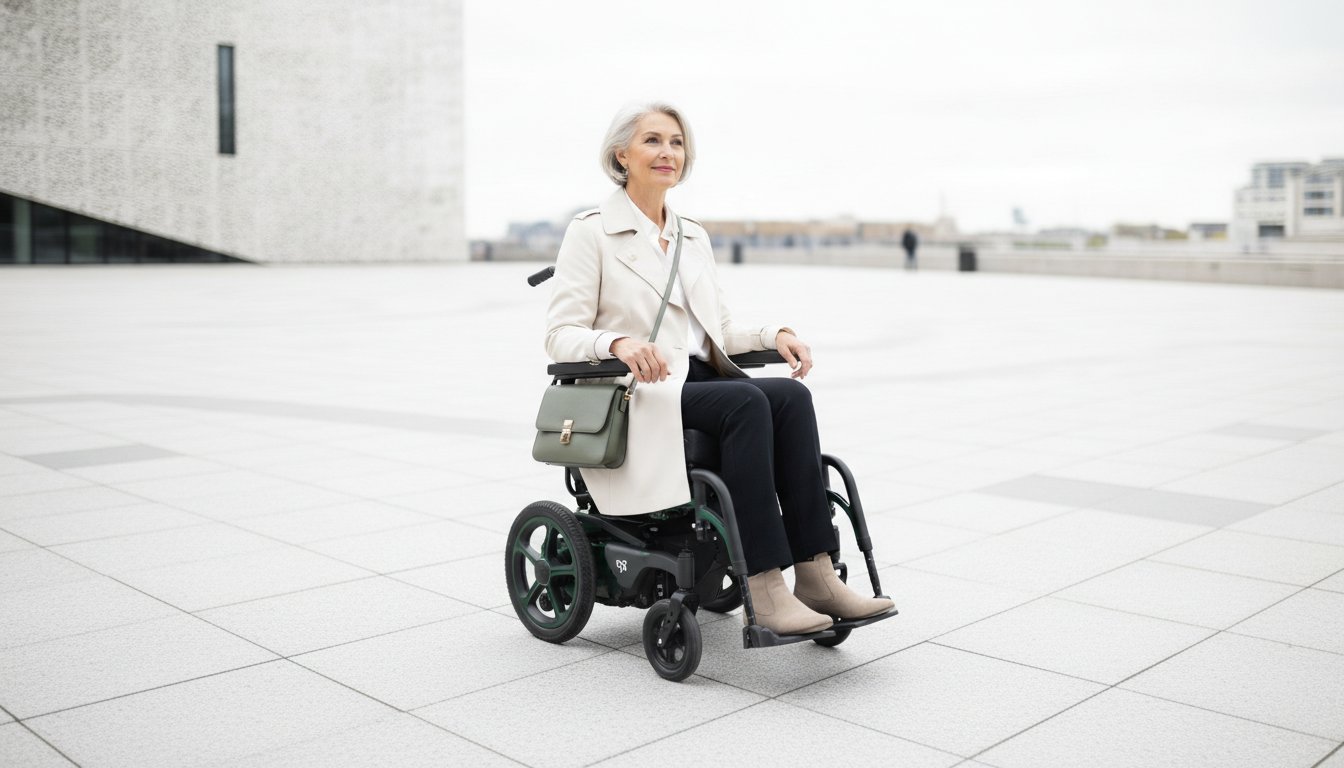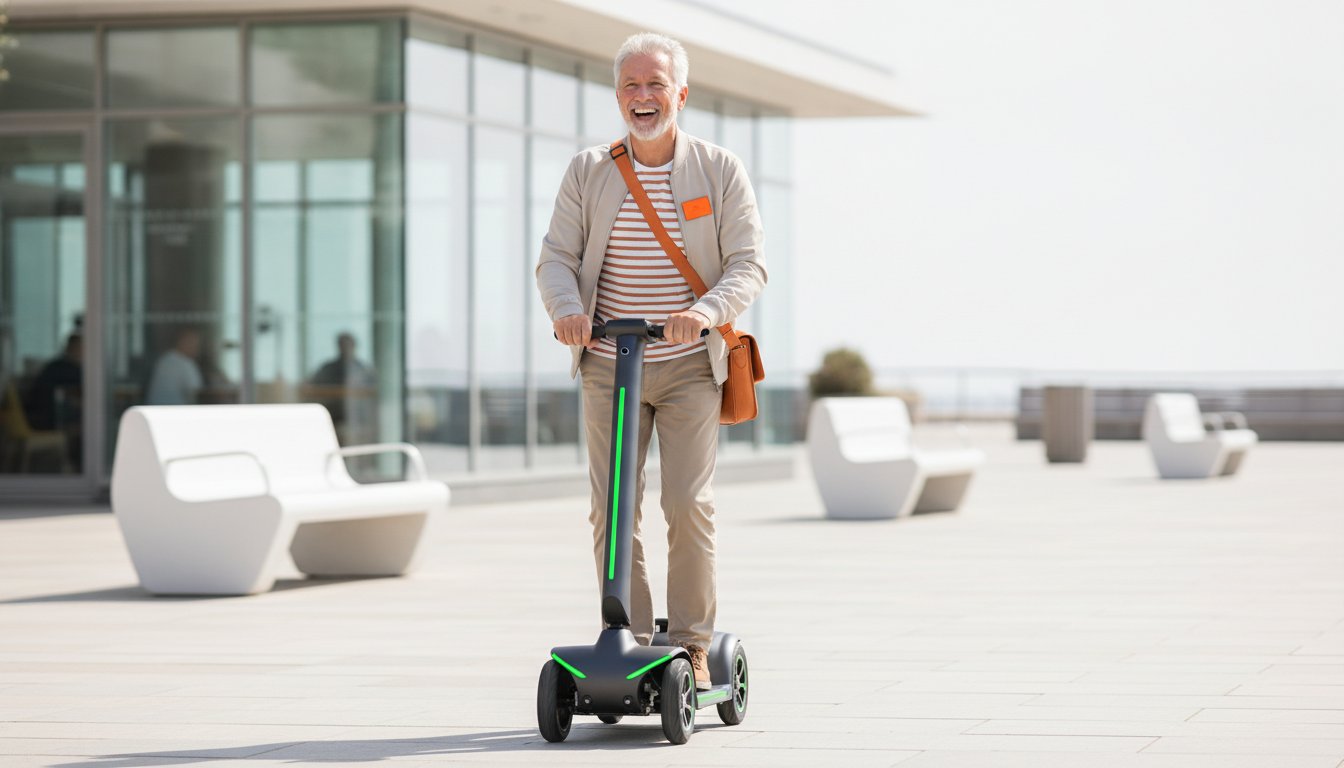
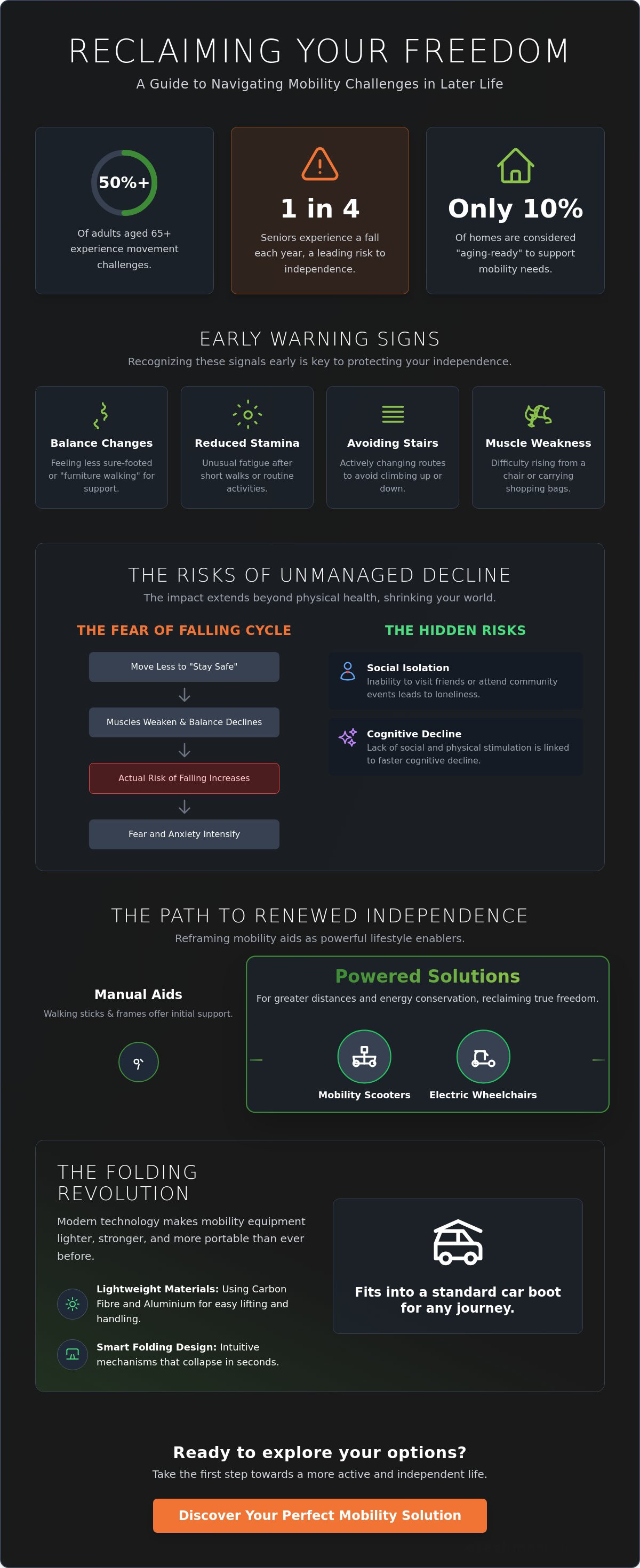
Over 50% of adults aged 65 and older experience movement challenges, yet only 10% of homes are currently considered aging-ready. If you've felt a pang of worry while climbing stairs or avoided a social outing because of the distance, you aren't alone. Coping with reduced mobility in old age doesn't mean your world has to shrink. It's a transition toward using smarter, more efficient tools that protect your freedom. By embracing modern technology and high safety standards, you can stay in the home you love while maintaining the active, joyful lifestyle you deserve.
We understand that the frustration of physical decline or the fear of falling is a heavy burden, particularly when one in four seniors falls each year. This guide provides a clear, authoritative roadmap to help you reclaim your confidence and move safely. You'll learn how to maximize your 2026 Medicare benefits, including meeting the $283 Part B deductible, to access vital equipment. We also preview how the latest advancements in smart sensors and lightweight materials make using a mobility scooter or a folding electric wheelchair more intuitive and energy-efficient for your daily routine.
Key Takeaways
- Identify the early warning signs of movement decline, such as changes in balance or stamina, to protect your independence before risks increase.
- Understand the connection between limited movement and social isolation, and how staying mobile preserves your long-term cognitive health.
- Explore the transition from manual aids to powered solutions, showing how a Mobility Scooter or Electric Wheelchair simplifies coping with reduced mobility in old age.
- Implement practical daily strategies like energy pacing and specific nutrition to maintain muscle mass and keep your energy levels consistent.
- See how the "Folding Revolution" in design uses carbon fibre and aluminium to ensure your equipment fits easily into a standard car boot for any journey.
Understanding Reduced Mobility: Causes and Early Signs in 2026
Mobility isn't a light switch that simply turns off. It's a gradual spectrum involving your movement range, balance, and physical stamina. Successfully coping with reduced mobility in old age begins with recognizing that these changes are manageable transitions rather than permanent roadblocks. In the UK, several health factors commonly drive this shift. Osteoarthritis remains a leading cause of joint stiffness, while cardiovascular health impacts how much oxygen reaches your muscles during a walk. Neurological changes can also subtly alter your gait, making you feel less sure-footed than you were a decade ago.
Early signs are often easy to dismiss as just getting older. You might find yourself furniture walking, which means touching walls or tables for support as you move through a room. Perhaps you've started avoiding the stairs or feel an unusual level of fatigue after a short trip to the local shops. Coping with reduced mobility in old age is much easier when you identify these signals early. Acknowledging these changes allows you to make lifestyle adjustments before a minor stumble becomes a life-changing event.
The Tipping Point: When is it Time to Take Action?
There is a distinct difference between slowing your pace and restricting your life. If you've stopped visiting friends or attending community events because the walk feels too daunting, you've reached a tipping point. This often triggers a fear of falling cycle. When you move less to stay safe, your muscles weaken, which actually increases your risk of a tumble. Breaking this cycle requires a proactive approach. Consulting a GP or an occupational therapist for a baseline assessment is a vital first step. They can recommend specific assistive technology for seniors that restores your confidence and keeps you engaged with the world.
The Impact of Ageing on Muscle and Bone Health
Biological changes like sarcopenia, the natural loss of muscle mass and strength, play a massive role in stability. Without enough muscle power, your joints take more of the impact, leading to increased inflammation and pain. For the UK senior population, declining bone density also turns simple falls into high-risk scenarios. Maintaining independence depends on protecting these foundations. By understanding the mechanics of your body, you can choose the right tools to support your frame and keep moving forward with energy and joy.
The Risks of Unmanaged Mobility Decline: Beyond Physical Health
While the physical discomfort of stiff joints is a common frustration, the real danger of unmanaged decline lies in what you lose outside the home. Falling is the primary physical concern, often resulting in a loss of long-term independence that is difficult to reclaim. Research into the causes of mobility loss shows that even a small decline in strength can lead to a significant drop in quality of life. When you stop moving, your circulation slows and your heart has to work harder, creating a cascade of secondary health issues like heart disease and poor vascular health.
The "hidden" risk is social isolation. If you can't walk to the local cafe or navigate the high street, your world shrinks to the four walls of your living room. This lack of social stimulation is closely linked to cognitive decline and depression. Coping with reduced mobility in old age requires looking at the whole person, not just the physical symptoms. Losing the ability to visit friends independently isn't just a logistical problem; it's an emotional blow that can sap your motivation to stay active.
The Psychology of Mobility: Overcoming the Stigma
Many people view mobility aids as a "last resort" or a sign of giving up. This perspective is outdated and keeps people trapped at home. It's time to reframe these tools as lifestyle enablers. Just as you'd use glasses to read or a hearing aid to follow a conversation, an Electric Wheelchair or a scooter is simply technology that bridges the gap between your physical ability and your social goals. Mobility is a tool for participation, not a badge of disability.
Fall Prevention: Creating a Safety Net at Home
Safety starts where you spend the most time. Simple changes can prevent the falls that often lead to more severe mobility restrictions. You should audit your living space for common hazards like loose rugs or poor lighting in hallways. Installing grab rails in bathrooms and near entryways provides immediate stability and peace of mind. Consistency in balance exercises also builds the "strength at any age" needed to navigate your home with confidence. Coping with reduced mobility in old age is about creating a protective environment while you explore new ways to stay active.
Choosing the Right Support: From Walking Aids to Electric Freedom
Selecting the right equipment is a strategic decision that directly impacts your freedom. It's not just about finding a tool; it's about matching your specific needs to a solution that supports an active lifestyle. Coping with reduced mobility in old age is significantly easier when you move through a clear hierarchy of support, starting with balance assistance and progressing to full-powered independence. A professional assessment from an occupational therapist ensures the dimensions and weight capacity of your equipment fit your frame perfectly. This process prevents the common mistake of buying a device that's too heavy or difficult to operate, ensuring every purchase is a step toward greater autonomy.
Manual Aids: Rollators and Walking Frames
For those who need minor balance support inside the home or on flat pavements, manual aids are the first line of defence. Using walking aids for elderly users provides immediate stability and builds confidence during short trips to the kitchen or the garden. Three-wheeled walkers offer excellent manoeuvrability in tight hallways, making them perfect for older UK homes with narrower doorways. Conversely, four-wheeled rollators provide a more stable base and often include a built-in seat for rest during outdoor excursions. A correctly fitted mobility walker frame also encourages an upright posture. This prevents the "humped" lean that often leads to long-term back pain and reduced lung capacity.
Powered Independence: Mobility Scooters and Power Chairs
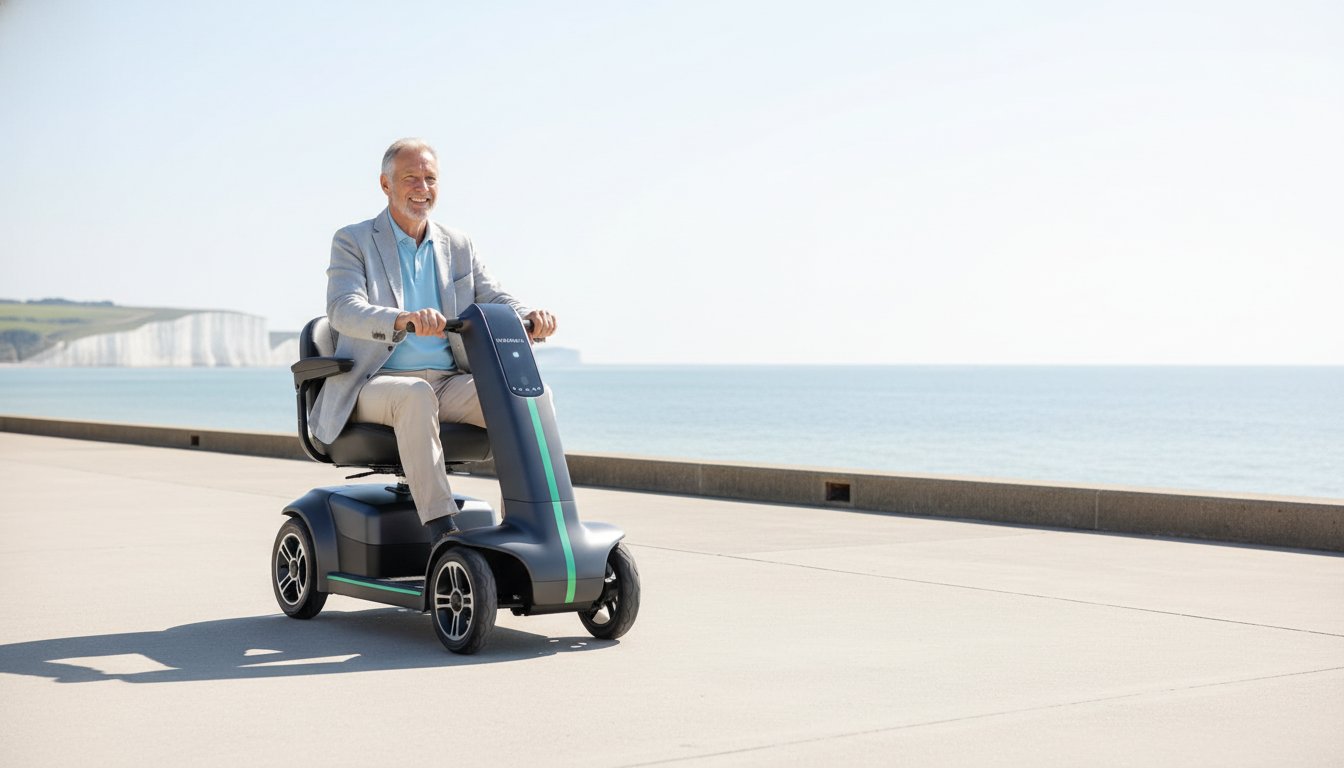
When walking longer distances becomes tiring, transitioning to powered solutions allows you to maintain your social routine without physical exhaustion. Many users find that mobility scooters are the ideal choice for shopping trips or visiting local parks, providing the speed and range needed to keep up with grandchildren. If your primary challenge is moving safely within your home, an electric wheelchair offers a tighter turning circle and better access to desks or dining tables. For those facing gravel paths, grass, or steeper inclines, a heavy duty electric wheelchair provides the necessary torque and advanced suspension. Integrating these practical strategies for daily life ensures you don't just survive the day; you thrive in it. Coping with reduced mobility in old age becomes a journey of technological empowerment where the right machine restores your ability to explore the world on your own terms.
Practical Strategies for Daily Life: Adapting Your Routine
Managing your day becomes a strategic exercise when movement is limited. Pacing is the most effective tool in your kit. Instead of rushing through chores, break tasks into smaller segments with planned rest periods. This prevents the late-afternoon fatigue that often leads to stumbles. Coping with reduced mobility in old age is also about internal fuel. Prioritise high-protein meals to combat sarcopenia, a condition we discussed earlier, and ensure you're drinking enough water to maintain the mental focus needed for safe movement. Even minor dehydration can affect your balance and reaction times.
Exercise doesn't have to mean walking miles. Seated leg lifts, ankle rotations, and overhead reaches strengthen the muscle groups that support your stability. Many UK community centres now offer chair-based yoga or Pilates classes designed specifically for seniors. These sessions provide both physical benefits and a vital social outlet. By staying active in a controlled, low-impact way, you maintain the range of motion necessary for daily tasks like dressing or cooking.
Optimising Your Home Environment
Your home should work for you, not against you. Follow the "Reach and Height" rule by moving everyday essentials, like mugs, medications, and remote controls, to surfaces between your waist and shoulder level. This eliminates the need for risky overstretching or deep bending. Replace traditional round door knobs with lever-style handles and swap out twist taps for lever versions. These small changes significantly reduce the strain on your joints if you have reduced grip strength. For doorways with small steps, lightweight threshold ramps provide a smooth transition for a Lightweight Electric Wheelchair without requiring permanent construction.
Staying Active and Socially Connected
Independence is hollow if it leads to isolation. Modern UK infrastructure is increasingly designed around "accessible hubs." Shopping centres and renovated parks often feature level flooring and ample seating, making them ideal for a day out. When physical travel feels like too much, use technology to bridge the gap. Video calls and social apps aren't just for the young; they're essential tools for maintaining your support network. Planning your outings around these accessible locations ensures you can enjoy the freedom of movement without the anxiety of navigating unknown obstacles. Coping with reduced mobility in old age is a process of refinement, where you adapt your surroundings and habits to keep your lifestyle as vibrant as ever.
Embracing the Future: Why Modern Tech is the Ultimate Coping Mechanism
Technology has fundamentally transformed how we approach movement. Gone are the days of heavy, cumbersome steel frames that required significant strength to operate. In 2026, the industry has shifted toward aircraft-grade aluminium and carbon fibre. These advanced materials provide incredible structural integrity without the weight, making it easier for you or your family to handle the equipment. Smart features now come as standard, including adjustable joystick sensitivity for precise control and electromagnetic braking systems that engage automatically for total safety. Even small additions like USB charging points for your devices show that modern mobility aids are designed for a connected, active life.
Etech Motion positions itself at the forefront of this sustainable transport revolution. We don't just see these tools as medical devices; we see them as the keys to your freedom. Coping with reduced mobility in old age is no longer about accepting a smaller world. It's about upgrading to smarter technology that matches your ambition. By choosing equipment with high safety standards and regional reliability, you ensure your transition to powered mobility is both aspirational and accessible. In 2026, Medicare Part B continues to support this journey, generally covering 80% of medically necessary equipment once your $283 annual deductible is met.
The Freedom of a Folding Electric Wheelchair
A folding electric wheelchair represents the pinnacle of the "Folding Revolution." These machines fold in seconds, fitting neatly into a standard UK car boot without the need for expensive van modifications or heavy lifting. This simplicity removes the logistical barriers that often lead to social isolation. The psychological boost of knowing you can join family holidays, go to the theatre, or enjoy a day at the park is immense. You're no longer restricted by the distance you can walk; you're empowered by the range of your battery. This shift in perspective is the most vital part of coping with reduced mobility in old age.
Next Steps: Assessing Your Needs for 2026
Finding the right tool starts with a personal assessment. We encourage you to "test drive" modern equipment to feel the difference that responsive motors and ergonomic seating make to your daily comfort. Etech Motion acts as your expert partner, providing the professional UK-based support and nationwide delivery you need for peace of mind. Our team understands the intricate mechanics of the industry and explains them in a way that relates to your specific challenges. Reclaiming your independence starts with a single choice. By selecting the right tool today, you're not just buying a product; you're investing in a future of movement, progress, and joy.
Take Charge of Your Independence Today
Success in coping with reduced mobility in old age depends on your willingness to adapt your environment and embrace the tools available to you. By identifying early signs and making strategic home modifications, you protect yourself against the risks of falls and social isolation. Modern technology has replaced heavy, clinical equipment with sleek, high-performance solutions that fit your life. Whether you need the stability of a heavy-duty model or the convenience of an ultra-lightweight folding frame, the right choice restores your ability to participate in the activities you love.
As a specialist UK retailer, we provide safety-tested equipment designed for reliability and ease of use. Our team offers professional support to ensure you find the perfect match for your routine, backed by the convenience of nationwide delivery. Don't let physical limitations define your boundaries. Explore our range of independence-boosting electric wheelchairs and scooters to start your next chapter of movement. Your journey toward a more active, connected, and joyful lifestyle is just one decision away.
Frequently Asked Questions
Is reduced mobility an inevitable part of getting older?
Reduced mobility isn't an absolute certainty for everyone, though physical changes are common as we age. Many seniors maintain high levels of movement through consistent strength training, proper nutrition, and proactive healthcare. While conditions like osteoarthritis may arise, successfully coping with reduced mobility in old age often depends on how early you address these changes with the right exercises and support tools.
What are the first signs that I might need a mobility aid?
The first signals are often subtle, such as reaching for furniture for balance while walking or feeling an unusual level of fatigue after a short trip to the shops. You might also notice you're avoiding stairs or declining social invitations because the walk feels too daunting. Recognising these early signs allows you to transition to a mobility aid before your world starts to shrink.
Can I improve my mobility through exercise even in my 80s?
You can definitely improve your strength and balance at any age, including your 80s and beyond. Low-impact, chair-based exercises focus on the muscle groups essential for stability and standing. Research shows that consistent resistance training helps combat sarcopenia, the natural loss of muscle mass. Staying active ensures you have the physical foundation to use equipment like a Mobility Scooter or Electric Wheelchair safely.
How do I choose between a mobility scooter and an electric wheelchair?
The choice depends on where you plan to use the device most frequently. A Mobility Scooter is typically ideal for longer outdoor journeys, such as shopping trips or park visits, as they offer higher speeds and greater range. An Electric Wheelchair provides a tighter turning circle, making it the superior choice for navigating indoor spaces like kitchens, hallways, and narrow doorways in typical UK homes.
Will using a mobility aid make my muscles weaker?
Using a mobility aid doesn't cause muscle weakness; instead, it often prevents it by keeping you active. When movement becomes painful or scary, people tend to stay stationary, which leads to rapid muscle wastage. By using a Folding Electric Wheelchair for longer distances, you save your energy for the walking you can do safely, ensuring you remain a participant in your own life rather than being confined to the house.
Are there grants or VAT relief available for mobility equipment in the UK?
VAT relief is available in the UK for individuals with a chronic illness or disability, which can significantly reduce the cost of essential equipment. You don't need to be registered disabled to qualify; you simply need to confirm the equipment is for personal use related to your condition. Some local councils and charities also offer grants for home modifications or specific aids, so it's always worth checking with your local authority.
How do I talk to a parent who is resisting using a walker or wheelchair?
Reframe the conversation by focusing on freedom rather than limitation. Instead of discussing what they can't do, highlight how a Lightweight Electric Wheelchair acts as a "lifestyle enabler" that lets them visit the garden or join family outings without pain. Comparing mobility aids to other common tools like glasses or hearing aids helps remove the stigma and positions the equipment as a positive choice for independence.
Can modern electric wheelchairs be used on public transport like buses and trains?
Most modern power chairs are designed specifically to be compatible with UK public transport standards. A Folding Electric Wheelchair is particularly useful here because it meets the weight and size requirements for bus ramps and train carriages. These compact designs ensure that coping with reduced mobility in old age doesn't stop you from using the sustainable transport network to visit friends or explore your local area.