You're likely overpaying by exactly 20% on your next electric mobility upgrade simply because HMRC's official guidance feels like an impenetrable maze. Having VAT relief on mobility equipment explained clearly is the difference between a high-end powerchair being an expensive dream or an accessible reality. It's a common frustration for many of the 16 million disabled people currently living in the UK who find that budget constraints are the only barrier to life-changing technology. We know that the fear of making a false declaration often outweighs the desire to save money, leaving you stuck with confusing terminology instead of the freedom you deserve.
This guide shows you exactly how to claim your 20% discount instantly at the point of purchase. You'll learn how to reclaim your independence without the tax headache. We'll walk you through the updated 2026 eligibility requirements, clarify which high-end electric products are covered under HMRC Notice 701/7, and show you how to complete your declaration with total confidence. It's time to make your next move more affordable and get back to the lifestyle you love.
Key Takeaways
- Discover how to instantly save 20% on your next purchase by applying for zero-rated status on essential mobility aids.
- Get the complex HMRC rules regarding VAT relief on mobility equipment explained clearly to confirm if your specific impairment qualifies for the discount.
- Identify which high-performance electric wheelchairs and mobility scooters are designed solely for disabled users to meet UK exemption criteria.
- Master the step-by-step process for declaring your eligibility at the point of sale to ensure your savings are applied before you pay.
- Avoid costly financial mistakes, such as attempting to reclaim tax after a purchase, by following our expert advice on timing and documentation.
What is VAT Relief on Mobility Equipment?
In the UK, most goods and services carry a standard Value Added Tax (VAT) of 20%. For many, this tax adds a significant financial hurdle to obtaining essential health tools. This is why VAT relief on mobility equipment explained simply is so vital for our community. VAT relief is a government scheme that allows "zero-rating" on specific products designed for people with disabilities or chronic conditions. It isn't a complex refund process that requires you to fill out forms for HMRC and wait months for a cheque. Instead, it's a direct, point-of-sale discount that removes the tax immediately at the checkout.
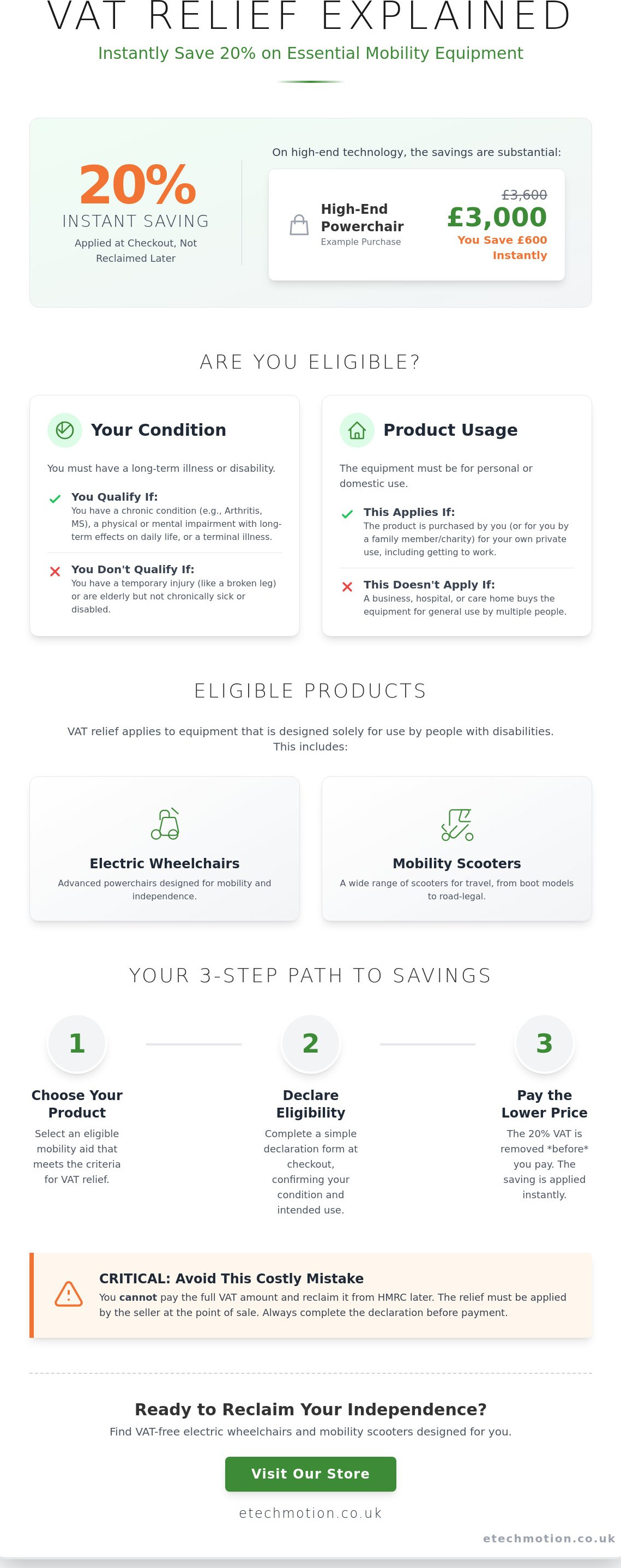
The financial impact of this relief is substantial, especially when you invest in high-performance technology. For example, if you're purchasing a high-end electric wheelchair or a specialised powerchair priced at £3,000, the 20% VAT would normally add an extra £600 to your bill. By applying for relief, you save that £600 instantly. This system ensures that life-changing mobility solutions remain accessible and affordable for those who need them most to maintain their independence.
VAT Relief vs. VAT Exemption
You'll often hear these two terms used interchangeably within the mobility industry, but they carry different legal weights. VAT exemption usually applies to services like healthcare or insurance where no tax is charged at all. In contrast, mobility equipment is technically "zero-rated." This means the VAT rate exists but is set at 0% for eligible individuals. Because of this distinction, you'll see E-Tech Motion and other UK retailers displaying two prices on product pages. We show the VAT-inclusive price for the general public and the VAT-exclusive price for those who qualify for relief. This clarity helps you understand exactly what you'll pay based on your personal circumstances.
Why the UK Government Offers This Relief
The primary goal of this tax break is to support independence and reduce the "disability price tag." Research from the charity Scope in 2023 highlighted that disabled households face average extra costs of £975 per month compared to non-disabled households. By removing the 20% tax on essential tech, the government helps level the playing field. When researching Mobility Scooter VAT Relief, it's clear that these regulations are designed to make freedom of movement a right rather than a luxury. By zero-rating these products, UK tax law acknowledges the Social Model of Disability, which suggests that society should remove the barriers that restrict people with impairments. This proactive approach ensures that cost isn't the primary barrier to a more active, sustainable lifestyle.
Who Qualifies for VAT-Free Mobility Equipment?
Understanding eligibility is the first step toward reclaiming your independence without the 20% tax burden. The core requirement for VAT relief on mobility equipment explained by HMRC hinges on the user being "chronically sick or disabled." This isn't a vague suggestion; it's a specific legal definition that ensures support reaches those with long-term needs. You don't need to be "Registered Disabled" or receive specific benefits like PIP to qualify. Instead, the focus remains on your physical or mental health condition and how it impacts your daily life.
The Definition of "Chronically Sick or Disabled"
HMRC defines a chronic condition as an ailment that is long-term, typically lasting more than three months. This includes physical impairments like arthritis, which affects 10 million people in the UK, or Multiple Sclerosis, which impacts over 130,000 residents. Mental health conditions and learning disabilities also qualify if they cause significant daily challenges. If a person has a terminal illness, they're automatically eligible for the 0% rate. You can find the full criteria in the Official UK Government VAT Relief Guidance. It's important to remember that temporary injuries, such as a broken leg that's expected to heal fully within weeks, don't meet the "chronic" threshold for VAT relief.
Personal vs. Domestic Use Explained
To claim the 0% VAT rate, the equipment must be for "personal or domestic use." This means the product is for your private benefit and not for business purposes. You can certainly use a VAT-free powerchair to get to your office or navigate your workplace. However, the relief doesn't apply if a business or institution, like a hospital or a private care home, buys the equipment for general use by multiple residents. The purchase must be made by the individual, or a parent, guardian, or charity on their behalf. If you're looking for a ride that fits your lifestyle, our range of electric mobility solutions is designed specifically for these personal journeys.
Eligibility for Seniors and the Over-60s
Age alone isn't a qualifying factor for 0% VAT relief. A healthy 75-year-old buying a scooter for convenience still pays the full 20% rate. However, many seniors have age-related chronic conditions like severe osteoarthritis or respiratory issues that do trigger eligibility. There's also a separate 5% reduced rate for specific home adaptations, such as grab rails or walk-in baths, specifically for people aged 60 or over. If you're a senior with a diagnosed long-term condition, you're entitled to the full 0% rate on mobility aids, ensuring your transition to electric mobility is as affordable as possible.
Which Mobility Products are Eligible for VAT Exemption?
The primary rule for zero-rating mobility products centres on the manufacturer's intent. To qualify for 0% VAT, a product must be designed solely for use by a disabled person or someone with a chronic medical condition. This distinction is vital because it separates specialist medical equipment from general leisure products. When VAT relief on mobility equipment explained to new users, the focus always remains on this design criteria. You aren't just buying a vehicle; you are investing in a certified medical aid that restores independence. According to the UK government guidelines on VAT relief, equipment like adjustable beds, hoists, and even certain building adaptations also fall under this category, though motorised transport remains the most common claim.
Electric Wheelchairs and Powerchairs
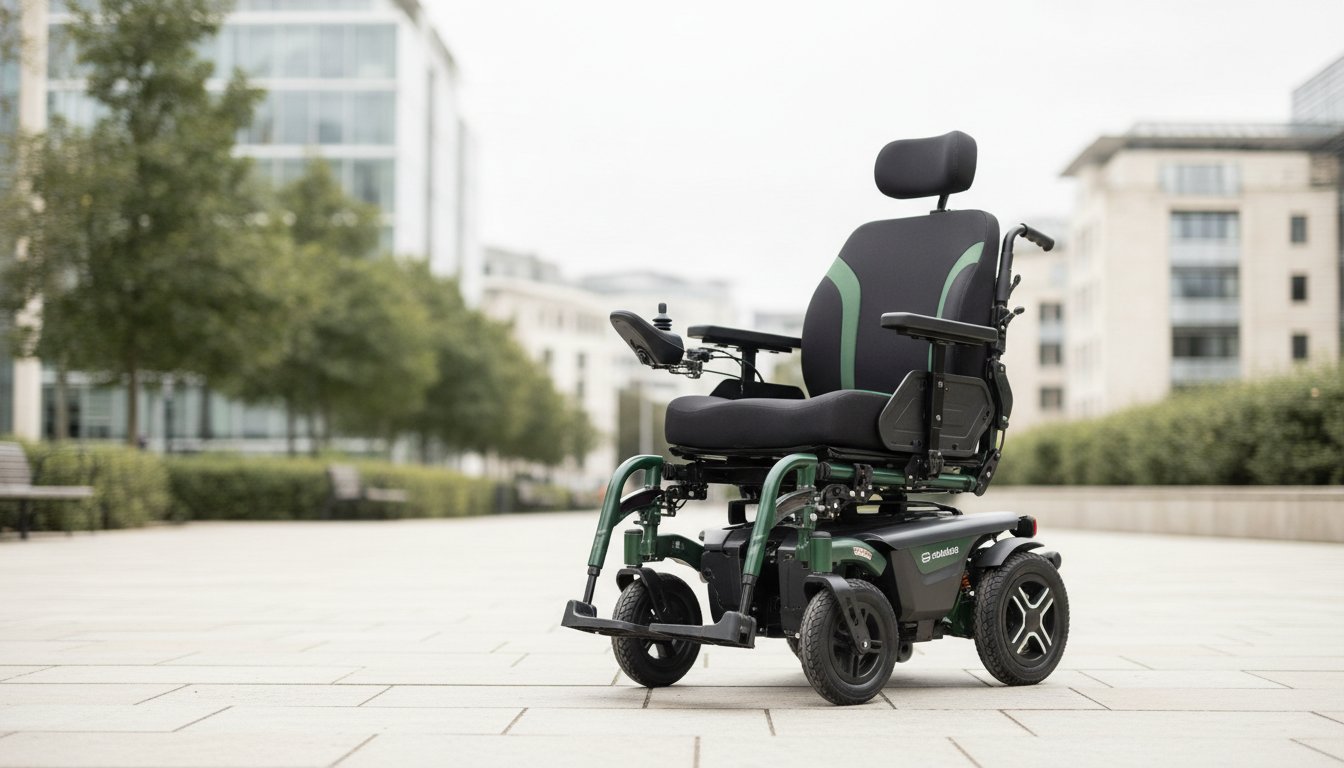
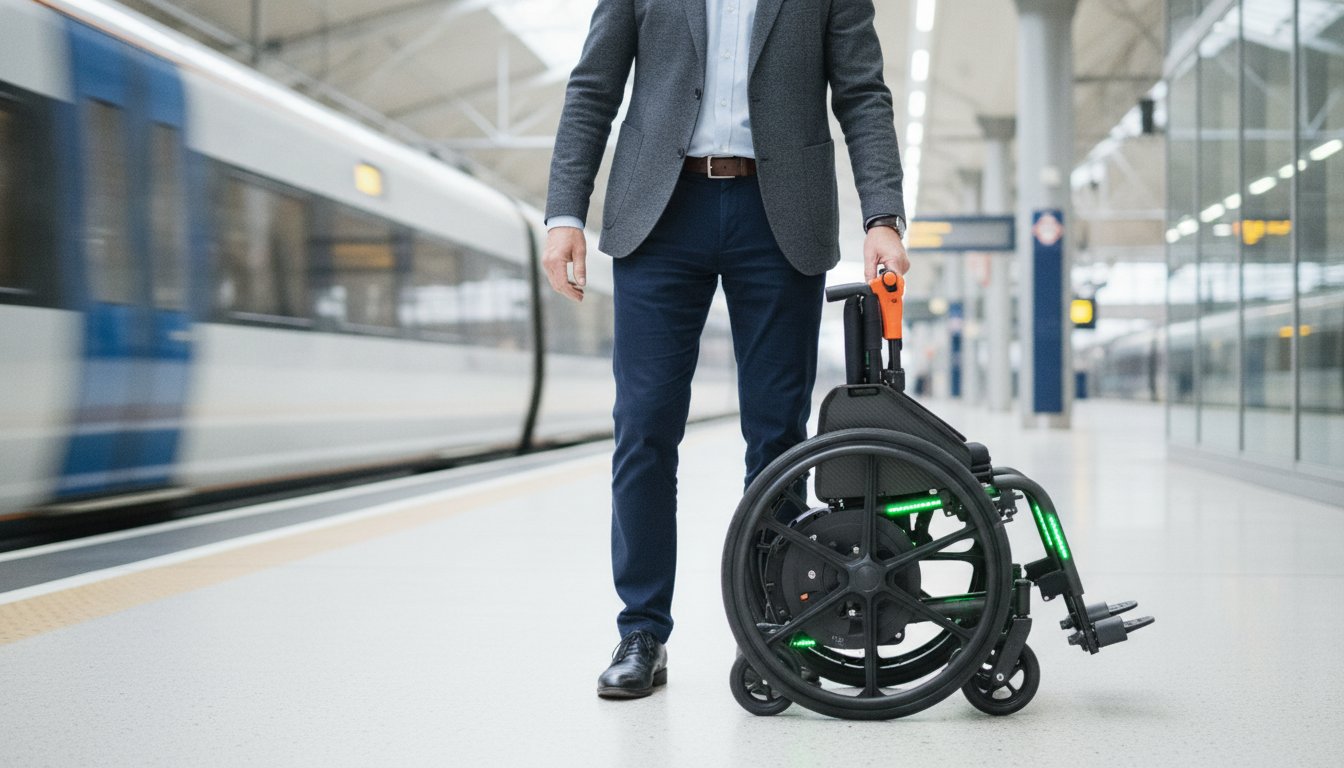
Most folding electric wheelchairs qualify for VAT exemption because their core engineering addresses specific mobility limitations. These chairs often feature specialised joystick controllers and pressure-relief seating that generic seating lacks. Heavy-duty powerchairs designed for bariatric use or rough terrain also qualify as specialist equipment. The eligibility hinges on a manufacturer's declaration that the product is a medical device. Because these powerchairs are built to navigate indoor and outdoor spaces for users who cannot walk, they meet the "solely designed for" threshold required by HMRC.
Mobility Scooters and Folding Scooters
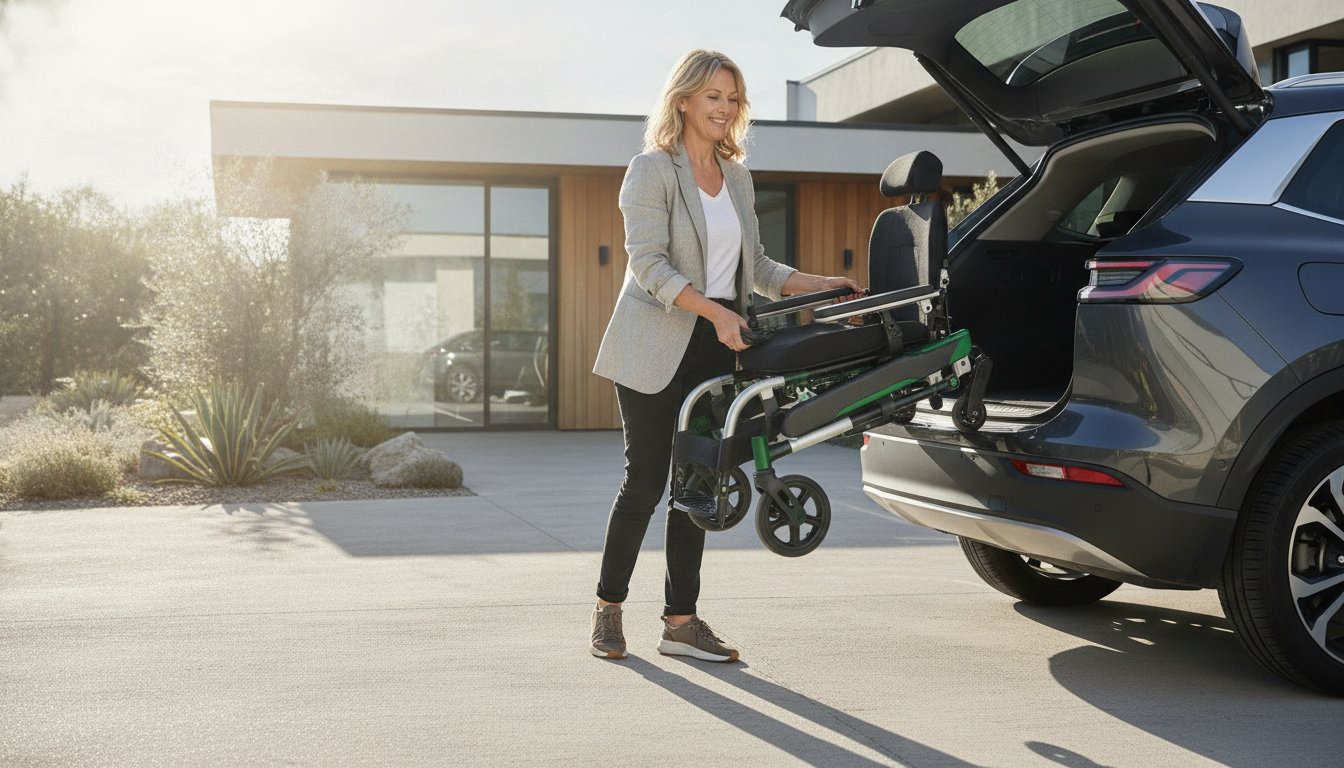
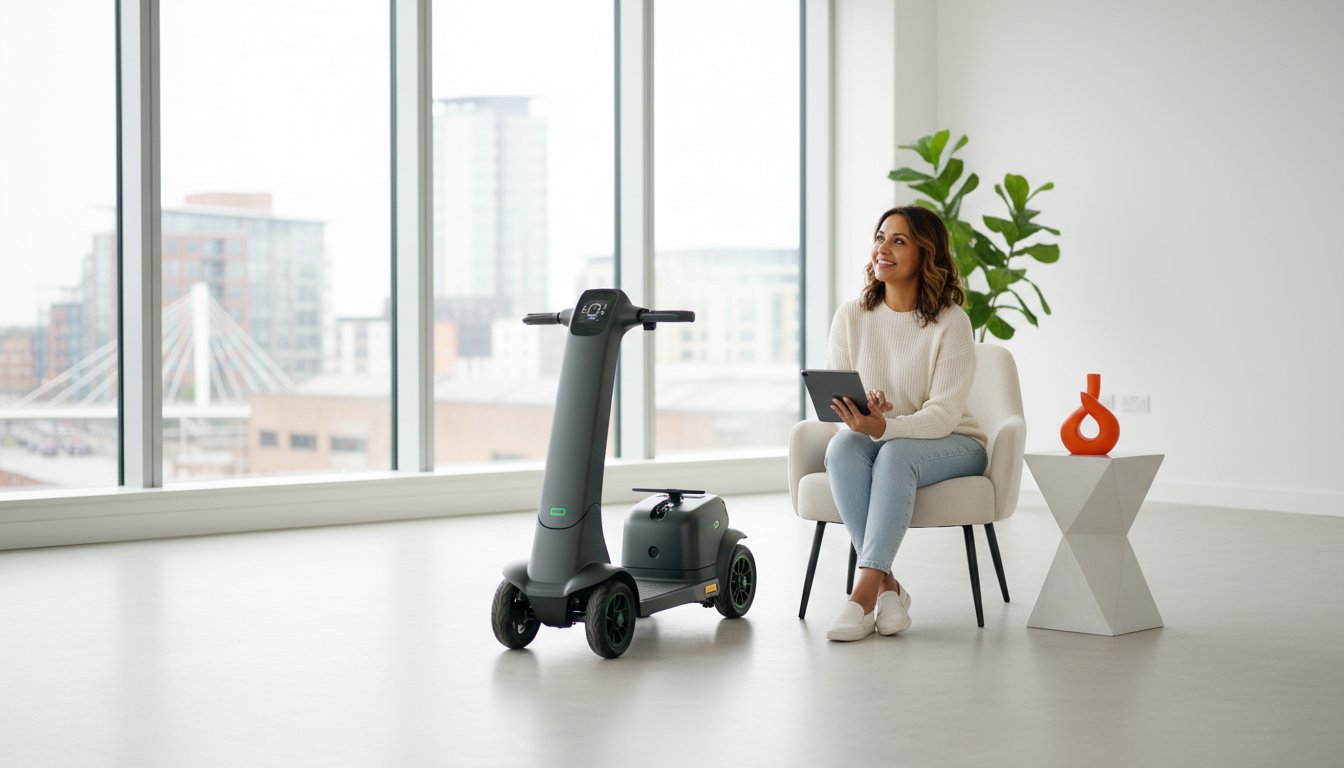
The UK market classifies scooters into two main groups, both of which are eligible for relief. Class 2 scooters are restricted to 4mph and intended for pavements, while Class 3 scooters can reach 8mph and are road-legal. Portable and electric folding mobility scooters are particularly popular for their ability to fit into car boots, yet they maintain their status as exempt goods because they serve a medical purpose. While a standard bicycle is viewed as a leisure or commuting tool and attracts the full 20% VAT rate, e-mobility aids are recognised as essential prosthetic tools for movement. This distinction ensures that those who rely on motorised assistance for daily tasks don't face an additional tax burden.
Maintenance, Batteries, and Repairs
The savings don't stop at the initial purchase. You should never pay VAT on repairs or maintenance for an exempt vehicle. This includes the cost of replacement parts such as high-performance lithium-ion batteries or specialised chargers. If you book an annual service charge for your wheelchair to ensure the motor and electromagnetic brakes are functioning correctly, this service is also zero-rated. Keeping your equipment in top condition is a matter of safety, and the tax system supports this by extending VAT relief on mobility equipment explained above to the entire lifecycle of the product. Whether it is a tyre replacement or a complex controller repair, ensure your provider applies the 0% rate at the point of invoice.
How to Claim VAT Relief: A Step-by-Step Guide
Retailers act as the bridge between you and HMRC. They're responsible for ensuring the 20% tax isn't applied to eligible orders. This means the VAT relief on mobility equipment explained here is a point-of-sale benefit, not a rebate you claim back from the government later. You must provide your declaration during the checkout process. If you complete the purchase at the full price, retailers generally can't refund the VAT retrospectively because the tax is already logged in their accounting system. HMRC mandates that businesses store these declarations for at least six years to justify the tax-free sale.
The Self-Declaration Form
You need to provide your full name, home address, and a specific description of your disability or chronic condition. You don't need a doctor's letter or a formal prescription to qualify. This system relies on honesty, but it carries significant legal weight. Making a false declaration to avoid paying tax is a criminal offence. Under the Finance Act 2008, HMRC can issue heavy financial penalties if they find the system is being abused. Accuracy is vital to keep your purchase legally compliant.
Claiming VAT Relief Online
Modern e-commerce platforms have streamlined this process for the digital age. At the checkout, look for a "VAT Relief" toggle or a specific digital form. Once you enter your details, the system should automatically deduct the 20% from your subtotal. If a website doesn't offer a VAT-free price at the final stage, stop the transaction. Contact the support team to ensure you aren't overcharged. At E-Tech Motion, we've designed our checkout to be efficient, ensuring your VAT relief on mobility equipment explained during the process is applied instantly.
Purchasing for Someone Else
A family member or carer can buy equipment for a disabled person and still claim the relief. The declaration form must include the name and condition of the person who will actually use the equipment, even if they aren't the one paying. For charities, the rules differ slightly. Under HMRC Notice 701/6, a "Relevant Charity" can claim relief if the equipment is for the personal use of disabled people. They must provide a specific eligibility certificate to the retailer at the time of purchase to satisfy audit requirements.
If you're ready to find your next ride and save on your purchase, browse our range of VAT-exempt mobility scooters and powerchairs today.
Common Pitfalls and FAQ about Mobility VAT
Understanding how VAT relief on mobility equipment explained in this guide applies to your purchase helps you avoid costly errors. Many users assume they can pay the full price now and simply "reclaim" the 20% tax from the government at a later date. This is a significant misconception. The UK system operates as a point-of-sale discount rather than a rebate scheme. If you don't secure the relief during the transaction, the opportunity is usually lost.
Can I get a VAT refund after I’ve bought the item?
HMRC maintains a strict policy regarding retail transactions. Once a sale is processed with VAT included, the tax is logged in the retailer's accounts. You cannot apply to HMRC for a personal refund of this money. If a retailer mistakenly charges you VAT when you've provided a valid declaration, they must rectify the error by issuing a credit note and a new invoice. This is only possible before they've filed their tax return. It's much safer to ensure your declaration is signed and accepted before any payment leaves your bank account.
The "Designed Solely" Rule
Not every product found in a mobility shop is eligible for zero-rating. HMRC uses the "designed solely" rule to determine eligibility. This means the item's primary purpose must be to assist someone with a disability or chronic condition. This distinction is vital for accessories and add-ons. Consider these examples:
- Standard Cushions: A generic foam cushion is standard-rated at 20% VAT because anyone can use it for comfort.
- Pressure-Relief Cushions: A specialist gel cushion designed specifically for wheelchair users to prevent sores is eligible for 0% VAT.
- Batteries: A general-purpose lead-acid battery carries full VAT, but a bespoke power pack for a specific electric wheelchair model is often exempt.
The manufacturer's intent and the product's technical specifications dictate the tax classification. If an item is "dual-purpose," meaning it's equally useful to a person without a disability, you'll likely have to pay the full VAT amount.
Expert Support for Your Purchase
Navigating these rules doesn't have to be stressful. Our UK-based team at Etech Motion acts as your specialist partner to ensure every document is compliant. We verify your eligibility quickly, providing the peace of mind that your purchase meets all 2026 tax standards. We don't just sell equipment; we guide you through the transition to electric mobility with transparency and technical precision. This support ensures you focus on the freedom of your new ride rather than the complexity of tax codes. Browse our VAT-exempt electric wheelchairs today and experience a smoother, more affordable way to stay mobile.
Claim Your 20% Saving and Reclaim Your Mobility
Navigating the financial side of independence doesn't have to be complex. Now that you've had VAT relief on mobility equipment explained, it's clear how this 20% saving makes high-performance technology far more accessible for those with chronic illnesses or disabilities. The process is straightforward, requiring only a simple HMRC-compliant self-declaration at the point of sale to remove the tax burden immediately.
At E-Tech Motion, we specialize in lightweight and folding mobility technology designed for the modern world. Our UK-based expert support team ensures you find a device that matches your specific needs, whether you're navigating local shops or planning a trip further afield. We're committed to making your transition to electric mobility as smooth as possible by handling the technical details so you can focus on the freedom ahead.
View our range of VAT-exempt electric wheelchairs and scooters and start your next adventure with total confidence.
Frequently Asked Questions
Do I need a doctor’s letter to prove I qualify for VAT relief?
You don't need a doctor's letter to qualify for VAT relief on mobility equipment. HMRC requires a simple self-declaration form provided by the retailer at the point of purchase. You must state your chronic illness or disability clearly on this document. Retailers keep these records for 6 years to satisfy VAT inspections, making the process quick and efficient for you.
Can I claim VAT relief if I am buying a mobility scooter for a temporary injury?
You can't claim VAT relief for temporary injuries like a broken leg or a short-term post-operative recovery. HMRC rules state the equipment must be for someone who's "chronically sick or disabled," meaning the condition is long-term or terminal. If your recovery is expected within a few months, the standard 20% VAT rate applies to your purchase. This ensures the relief supports those with permanent mobility challenges.
Is there an age limit for claiming VAT relief on mobility aids?
There's no age limit for claiming VAT relief on mobility aids. Whether you're purchasing for a child or an elderly relative, eligibility depends entirely on the user's physical or mental condition rather than their date of birth. As long as the user meets the HMRC criteria for being chronically sick or disabled, they're entitled to the 0% VAT rate on qualifying products like electric wheelchairs.
Does VAT relief apply to the delivery charges of mobility equipment?
VAT relief applies to delivery charges if the mobility equipment itself is zero-rated. When you purchase a qualifying scooter or wheelchair, the associated shipping and handling fees also benefit from the 0% VAT rate. This is because the delivery is considered an integral part of the supply. It's a vital part of the VAT relief on mobility equipment explained in current UK tax law, helping you save on the total cost of your independence.
What happens if I use my VAT-free electric wheelchair for my business?
You must use VAT-free mobility equipment solely for personal or domestic use to remain compliant. HMRC guidelines prohibit claiming relief on items used for business purposes or for general use by able-bodied people. If you use your electric wheelchair for commercial activities, you may be liable to pay the full 20% VAT back to the government. Stick to personal use to ensure your tax-free status remains valid.
Can I claim VAT relief on second-hand mobility scooters?
You can claim VAT relief on second-hand mobility scooters if you buy them from a VAT-registered business. Private sales between individuals don't involve VAT, so there's no relief to apply. When buying from a specialist dealer, the same rules for new equipment apply to used stock. This allows you to access high-quality lithium-ion powered mobility at a lower price point while still benefiting from the 0% tax rate.
Do I have to pay VAT on the repairs and batteries for my wheelchair?
You don't have to pay VAT on repairs, maintenance, or replacement parts like batteries for your wheelchair. As long as the equipment was originally eligible for VAT relief, any subsequent work or essential components are also zero-rated. This includes the installation of new brushless motors or high-capacity battery packs. It's a permanent benefit that makes the long-term ownership of your electric mobility device more affordable and sustainable.
What conditions qualify as "chronically sick" for HMRC purposes?
HMRC defines "chronically sick" as having a physical or mental impairment that has a long-term and substantial adverse effect on your ability to carry out everyday activities. This includes conditions like arthritis, diabetes, or cardiovascular disease. It doesn't include elderly people who are otherwise able-bodied. Understanding how VAT relief on mobility equipment explained in these terms helps you identify if your condition qualifies for the 20% saving.