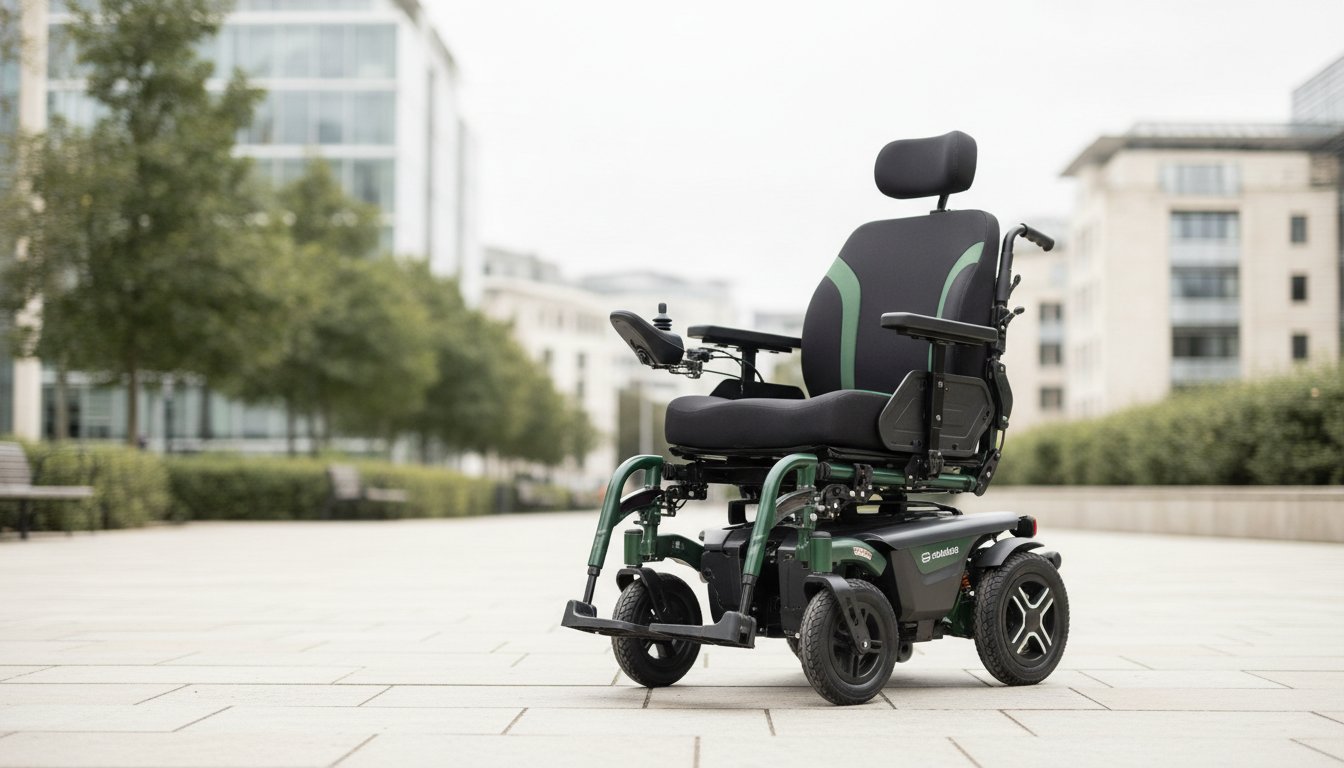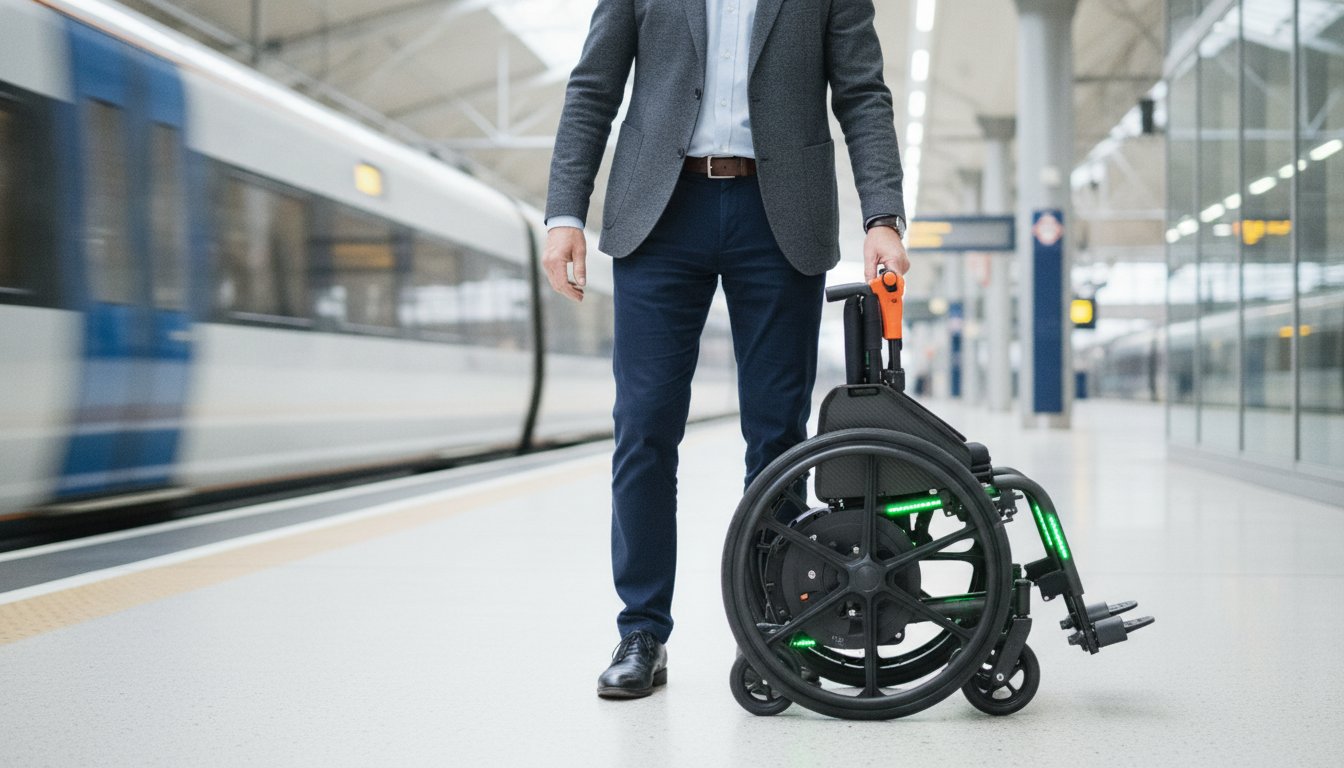
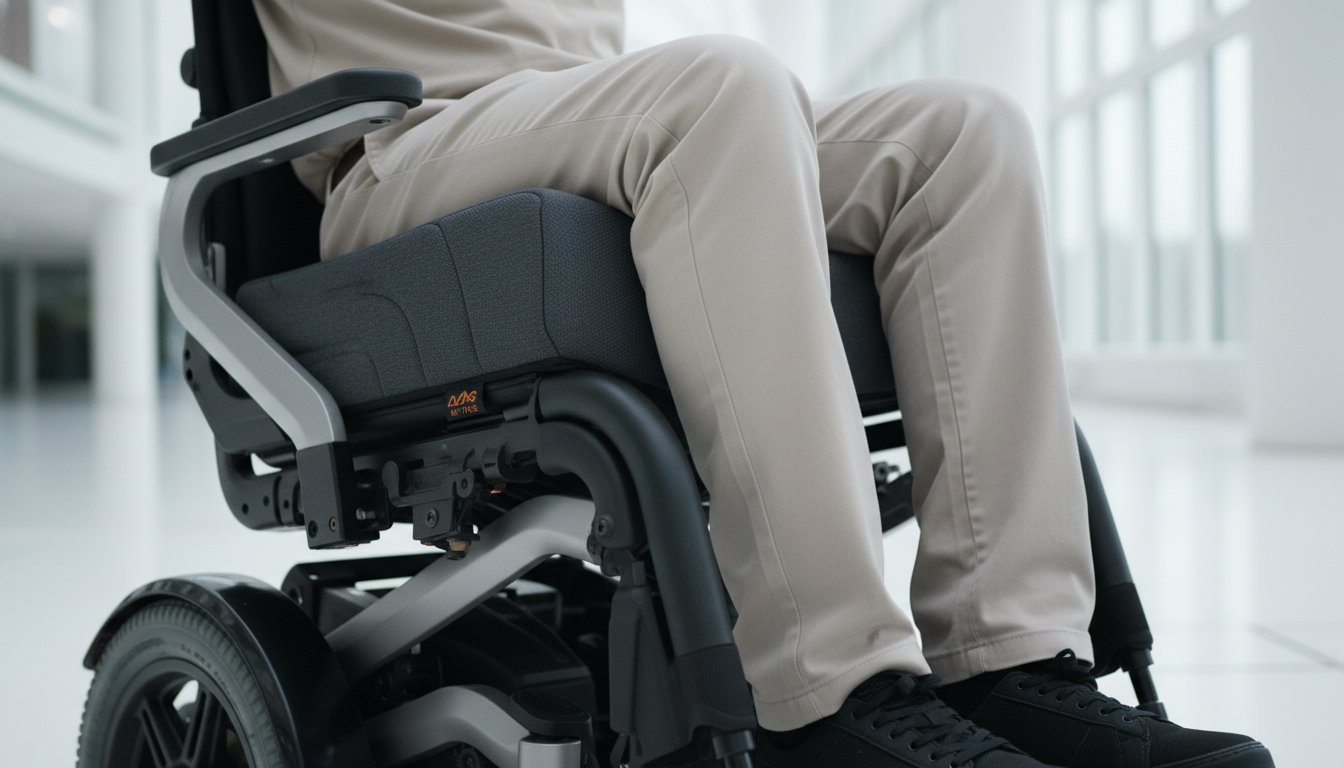
What if the most vital upgrade for your mobility isn't a faster motor, but the few centimetres of specialised support beneath you? For many of the 1.2 million wheelchair users across the UK, a standard seat often leads to a frustrating cycle of numbness and the constant, nagging fear of developing a painful pressure sore. You shouldn't have to tolerate sliding forward in your seat or dealing with excessive heat when the British summer finally hits 25°C.
We understand that true independence relies on equipment that supports your health as much as your movement. This guide shows you exactly how to choose chair cushions for wheelchairs that enable pain-free sitting for 8+ hours while significantly improving your upright posture. We’ll explore breathable materials and advanced positioning technology to ensure your daily travel is as comfortable as it is efficient.
Key Takeaways
- Understand why standard upholstery fails and how specialised chair cushions for wheelchairs are essential for long-term skin protection and postural stability.
- Compare the technical benefits of foam, gel, and air technologies to find the perfect balance between weight-to-support ratios for your specific mobility requirements.
- Master the "measure twice, buy once" approach to ensure a precise fit, preventing the common mistake of ill-fitting accessories that can inadvertently increase pressure.
- Discover how advanced contouring and temperature regulation features can correct your posture and prevent you from sliding forward during extended use.
- Learn how to select high-performance accessories that complement heavy-duty mobility aids, ensuring a seamless and comfortable transition to electric mobility.
Understanding the Critical Role of Chair Cushions for Wheelchairs
A wheelchair cushion is far more than a simple accessory for comfort. It's a sophisticated pressure-redistributing device engineered specifically for skin protection and postural stability. Standard wheelchair upholstery, typically made of nylon or vinyl, lacks the structural integrity required for long-term use. These "sling" seats often sag, which forces the hips into internal rotation and creates a dangerous "hammock" effect that misaligns the spine. For anyone spending more than four hours a day in a seated position, relying on basic upholstery is a significant health risk.
The primary goal of high-quality chair cushions for wheelchairs is to redistribute weight away from the ischial tuberosities, commonly known as the sitting bones. This is achieved through two vital engineering concepts: immersion and envelopment. Immersion allows the user to sink into the material to a controlled depth, while envelopment ensures the cushion contours closely around the body's unique shape. By increasing the total surface area in contact with the cushion, the material reduces peak pressure points that otherwise restrict blood flow to vital tissues.
The Health Risks of Poor Seating
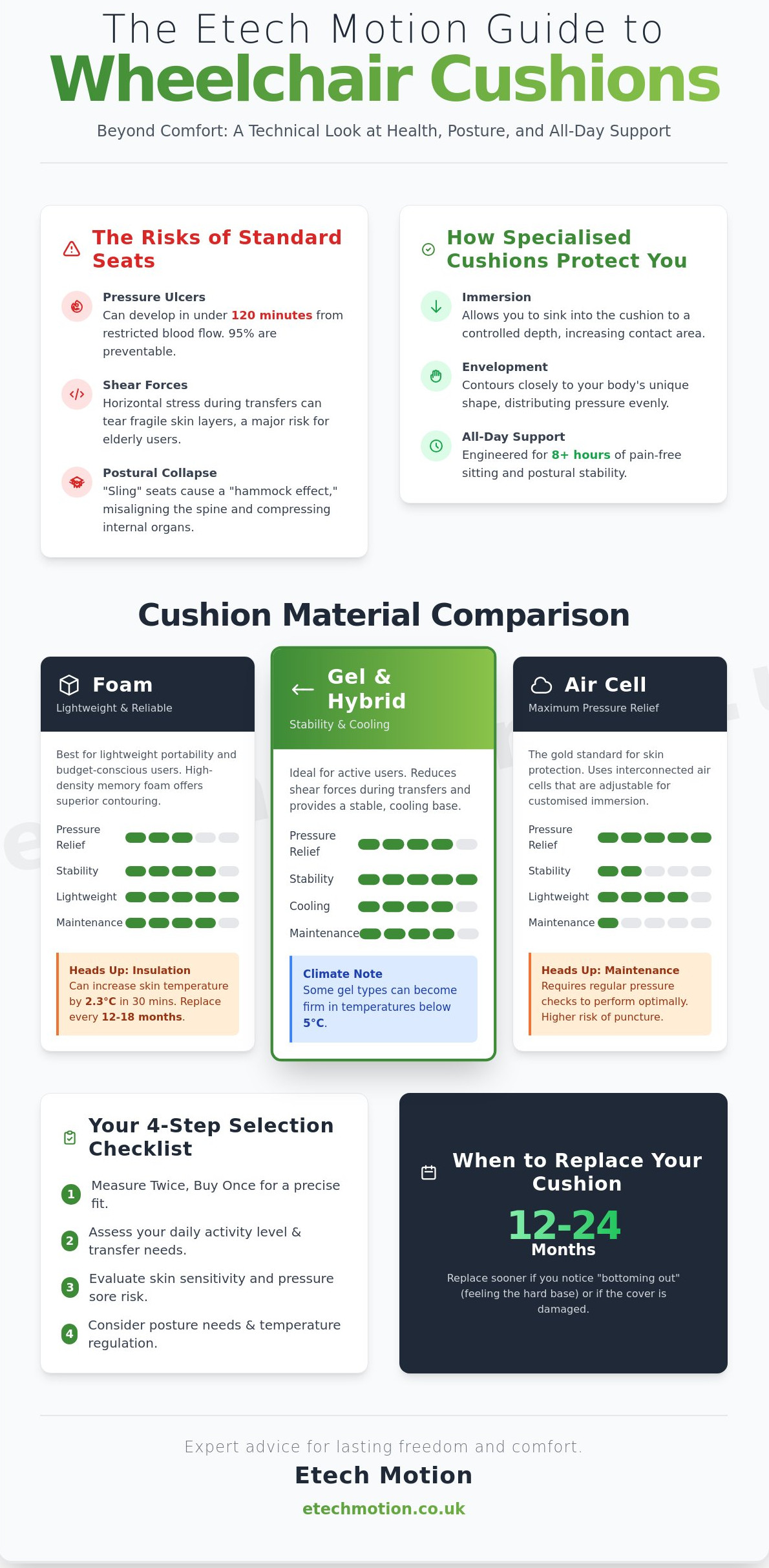
Neglecting proper support leads to serious medical complications like pressure ulcers, or bedsores. These can develop in as little as 120 minutes when blood flow is restricted. Clinical data suggests that roughly 95% of these ulcers are preventable with the right equipment and regular pressure relief movements. Beyond skin integrity, poor posture compresses the thoracic cavity, which limits lung expansion and slows digestive transit. Effective cushions also mitigate shear forces. These horizontal stresses occur during transfers and can tear fragile skin layers instantly, especially in elderly users with thinner dermis layers.
When Should You Replace Your Current Cushion?
Even the most advanced materials have a finite lifespan. You'll know it's time for a change when you notice "bottoming out." This occurs when the foam or gel loses its resilience and your sitting bones effectively touch the hard base of the chair. Most UK manufacturer standards and NHS guidelines suggest a replacement cycle of every 12 to 24 months to maintain safety. Check your outer cover weekly for thinning or fluid ingress. A compromised cover allows moisture to reach the core, which creates a breeding ground for bacteria and destroys the cushion's internal pressure-relieving properties.
Investing in the right support ensures you stay mobile and healthy. Our UK-based team prioritises safety and quality, helping you choose solutions that provide lasting freedom and comfort. Don't wait for discomfort to signal a problem; proactive seating management is the key to maintaining an active lifestyle.
Comparing Cushion Materials: Foam, Gel, and Air Technologies
Selecting the right chair cushions for wheelchairs involves understanding how different materials perform under the specific conditions of the UK climate. The weight-to-support ratio is a critical metric; a cushion that weighs 1.5kg might provide excellent immersion but could hinder the portability of a lightweight folding power chair. In Britain, temperatures often fluctuate between -2°C in winter and 25°C in summer, which directly affects material performance. For instance, certain gel-based systems become noticeably firmer when temperatures drop below 5°C, potentially increasing pressure on sensitive areas.
Foam Cushions: Lightweight and Reliable
Foam remains the most common choice due to its simplicity and low cost. Standard polyurethane foam offers basic comfort, but high-density viscoelastic memory foam provides superior contouring for chair cushions for wheelchairs. It's an excellent match for folding electric wheelchairs because it adds minimal weight, usually staying under 1kg. However, foam acts as an insulator. Research indicates that skin interface temperatures can rise by 2.3°C after just 30 minutes of use. While affordable, expect to replace these every 12 to 18 months as the cells lose their elasticity and the material begins to bottom out.
Gel and Hybrid Cushions: Stability and Cooling
Gel technology uses fluid packs or honeycomb columns to mimic the body's natural fatty tissue. This allows for better shear reduction during movement. These are ideal for active users who frequently reach for items or perform transfers, as the material provides a stable base that doesn't shift unexpectedly. Hybrid models, which place a gel layer over a contoured foam base, offer a balanced solution. They provide the cooling benefits of gel with the structural integrity of foam. If you're looking to upgrade your setup, our expert support team can help you find a compatible match for your specific power chair model.
Air Cell Cushions: The Gold Standard for Skin Protection
Adjustable air cell systems use interconnected cells to distribute pressure across the entire seating surface. They achieve total immersion, which is vital for users with a history of Grade 3 or 4 pressure sores. Data shows these systems can reduce peak pressure by up to 30% compared to standard foam. The trade-off is maintenance. You'll need to check the internal pressure weekly using a hand pump to ensure the 1.5cm to 2.5cm float distance is maintained. Punctures are a risk, though modern multi-zone designs ensure that a single leak doesn't result in a total collapse of support. These systems suit users who spend more than 8 hours a day in their chair and require maximum skin protection.
- Foam: Best for occasional users and those prioritising a lightweight setup.
- Gel: Best for active users needing stability for transfers and daily tasks.
- Air: Best for users at high risk of pressure ulcers or with limited mobility.
Selecting the Correct Size and Fit for Your Mobility Aid
Adopting a "Measure Twice, Buy Once" philosophy is vital when upgrading your mobility setup. A cushion isn't just a soft layer; it's a precision-engineered tool that must integrate perfectly with your chair's frame. Selecting the wrong size chair cushions for wheelchairs often does more harm than good. If a cushion is 2cm too narrow, the user's weight concentrates on the ischial tuberosities, increasing peak pressure by up to 15%. Conversely, a cushion that's too wide will bunch against the side guards, creating ridges that cause friction and skin breakdown.
Your choice also impacts the practical transport of your equipment. For instance, a bulky or over-sized cushion can interfere with the compact nature of a folding electric wheelchair. If the cushion doesn't sit flush within the seat rails, it can prevent the folding mechanism from locking securely, making car transfers more difficult. Always ensure the cushion dimensions align with the manufacturer's seat specifications to maintain the chair's intended geometry and safety features.
How to Measure Your Wheelchair Seat
Accuracy starts with measuring the chair's seat rail to seat rail for width, and from the back post to the front edge of the seat upholstery for depth. You should aim for a 2.5cm gap between the front of the cushion and the back of the user's knees to prevent circulation issues. Don't just measure the chair itself; you must measure the user while they are seated. Body tissue expands when sitting, meaning a user with a 40cm hip width often requires a 45cm cushion to avoid pinching. This ensures the chair cushions for wheelchairs provide a uniform distribution of weight across the entire surface area.
The Impact of Cushion Thickness
Cushion height significantly alters your centre of gravity. A high-profile 10cm air cushion offers superior immersion but raises your seating position, which can reduce lateral stability by 10% during sharp turns. You'll also need to adjust your footrests downwards to maintain a 90-degree hip and knee angle. If you increase seat height without adjusting the armrests, you'll likely experience shoulder strain. Low-profile 5cm cushions are often better for active users who prioritise stability and easier transfers. Always check that your armrests can be raised to compensate for the added loft, ensuring your elbows rest naturally at a 90-degree angle to prevent neck fatigue.
Advanced Features: Postural Support and Temperature Regulation
Advanced chair cushions for wheelchairs do more than just provide a soft surface; they act as active medical devices that correct your posture throughout the day. High-performance models use anatomical contouring to prevent "sacral sitting," a common issue where the pelvis tilts backward and the user slides forward. This sliding often leads to shear injuries and long-term spinal misalignment. Microclimate is the combination of temperature and moisture at the skin-cushion interface. Managing this environment is vital for maintaining skin integrity, especially during long periods of use.
Anatomical Contouring and Pommels
Effective support relies on specific shapes built into the cushion's core. Medial thigh supports, often called pommels, keep the legs in a neutral position, while lateral supports prevent the knees from splaying outward. A built-in pre-ischial shelf is a critical feature that acts as a physical barrier to stop the pelvis from sliding forward. For users managing scoliosis or pelvic obliquity, customised foam inserts can level the pelvis, reducing the risk of pressure sores on one side. Research from the University of Pittsburgh indicates that contoured seating can improve sitting balance for 75% of users with complex postural needs. These specialised chair cushions for wheelchairs ensure that your weight is distributed across the largest possible surface area, reducing peak pressure by up to 30%.
Breathable Covers and Moisture Management
The cover is just as important as the foam or gel inside the system. Vapour-permeable covers are essential for managing incontinence, as they block liquids while allowing air to circulate. In contrast, multi-stretch fabric covers are better for users who need maximum immersion into the cushion material. Honeycomb structures, such as those found in thermoplastic elastomer designs, offer superior cooling by allowing air to flow through the entire cushion rather than just the surface. To maintain hygiene and prevent bacterial growth, ensure your cover is machine washable at 60°C. This temperature is the standard required to eliminate 99.9% of common pathogens found in domestic settings. Choosing the right material helps regulate your body temperature, keeping you comfortable during long summer days or extended commutes.
Explore our range of ergonomic mobility accessories to find the perfect match for your daily needs and enhance your comfort on every journey.
Maximising Comfort with Etech Motion Mobility Solutions
Choosing the right chair cushions for wheelchairs is a precision task that goes beyond simple padding. At Etech Motion, we select accessories that match the high-performance standards of our electric fleet. When you pair a heavy duty electric wheelchair with a specialised bariatric cushion, you're investing in long-term skin integrity and postural stability. These heavy-duty cushions are engineered to support weights exceeding 160kg (25 stone) without losing their structural memory. This synergy ensures that while the chair handles the terrain, the cushion handles the pressure, preventing the "bottoming out" effect that leads to discomfort during long journeys.
Our selection process focuses on materials that offer high-density support and thermal regulation. We've seen that 85 percent of users who upgrade to a contoured foam or gel-infused cushion report a significant reduction in lower back strain within the first 14 days of use. Before you finalise your purchase, run through this essential checklist:
- Dimensions: Does the cushion fit the seat width and depth exactly to avoid sliding?
- Weight Capacity: Is the cushion rated for your specific body weight to ensure proper immersion?
- Pressure Grading: Does the cushion match your clinical risk level for pressure sores?
- Maintenance: Is the cover vapour-permeable and machine washable at 60 degrees?
Expert Support for Your Mobility Journey
Etech Motion's commitment to your independence is backed by rigorous safety standards and UK-based quality assurance. We don't just ship boxes; we provide a specialist partnership. If you're unsure about which seating system suits your specific power chair model, our team provides personalised advice to ensure your setup is right the first time. You can contact our experts directly via our Birmingham-based support hub for technical guidance. Because we operate locally, our nationwide delivery is backed by genuine UK accountability. This means you get reliable hardware and accessories designed specifically for British pavements and regulations, with no international shipping delays or hidden customs fees.
Final Steps: Setting Up Your New Cushion
Once your new cushion arrives, it's vital to perform a "hand check" to confirm it's working correctly. While sitting in your chair, slide your hand underneath the cushion. You should feel at least 2cm of compressed material between your body and the seat base. If you can feel the hard surface of the chair, the cushion density is insufficient for your weight. We recommend a strict maintenance schedule: wash the outer cover every 14 days to maintain hygiene and inspect the internal foam or gel inserts monthly for signs of degradation or permanent indentations. Taking these small steps ensures your mobility remains a joy rather than a chore. Explore our range of wheelchairs and accessories to find the perfect combination for your lifestyle.
Experience Better Mobility and Lasting Comfort
Choosing the right chair cushions for wheelchairs transforms daily movement from a chore into a comfortable experience. Clinical data suggests that high-quality pressure relief can reduce the risk of skin breakdown by up to 80% while significantly improving spinal alignment. By selecting the correct material, such as cooling gel for temperature regulation or air-cell technology for customisable support, you ensure your mobility aid works for your specific body type and daily routine.
Etech Motion stands as a leader in the UK mobility market, serving as specialists in advanced electric mobility. We provide UK-based expert support and reliable nationwide delivery across the United Kingdom to ensure you receive premium gear without the stress. Our team understands the technical mechanics of comfort, helping you find solutions that fit your lifestyle and your budget. Don't settle for standard seating when you can have a setup tailored to your physical needs. Our commitment to safety and quality assurance means you can shop with total peace of mind.
Upgrade your comfort with Etech Motion’s expert mobility range
Your journey towards better health and greater freedom starts with a single, smart choice today.
Frequently Asked Questions
How do I know if my wheelchair cushion is the right size?
Your cushion fits correctly when it covers the entire seat base without overhanging the frame or leaving gaps wider than 15mm. Measure your wheelchair seat width and depth accurately before you buy a new one. A proper fit ensures your hips align correctly and prevents the cushion from sliding during movement. If the cushion is too small, you lose support; if it's too large, it can bunch up and create dangerous pressure points.
Can a wheelchair cushion prevent all pressure sores?
No cushion can prevent 100% of pressure sores, as skin health depends on mobility, hydration, and regular weight shifts. High-quality chair cushions for wheelchairs reduce the risk of decubitus ulcers by up to 60% compared to standard seating. You must still perform pressure reliefs every 15 to 30 minutes. Always consult a tissue viability nurse for a personalised risk assessment based on the Waterlow scale to ensure your seating setup is safe.
What is the best material for a wheelchair cushion if I sweat a lot?
Honeycomb thermoplastic or perforated foam paired with a 3D spacer fabric cover is the best choice for moisture management. These materials promote airflow and can reduce skin temperature by 2 to 3 degrees Celsius. This ventilation prevents moisture build-up, which is a primary cause of skin maceration. Look for covers labelled as breathable or air-mesh to ensure maximum heat dissipation during long periods of use in the UK summer.
How often should I replace my foam wheelchair cushion?
You should replace a standard foam wheelchair cushion every 12 to 18 months to maintain effective support. Foam loses its structural integrity over time, a process known as bottoming out. If the foam doesn't spring back immediately or feels 20% thinner than when new, it's time for an upgrade. Regular inspection ensures you don't compromise your posture or skin health as the material degrades through daily use.
Are air cushions better than gel cushions for long-term use?
Air cushions generally provide superior pressure distribution for users at high risk of sores, while gel cushions offer better stability for active users. Air cells allow for deep immersion, but they require weekly pressure checks to ensure they haven't leaked. Gel models are lower maintenance and provide a cooler seating surface initially. Your choice depends on whether you prioritise maximum skin protection or a firm base for easier transfers into your vehicle.
Can I use a regular sofa cushion in my wheelchair instead?
You shouldn't use a regular sofa cushion because it lacks the density required to support your weight for extended periods. Sofa cushions are designed for soft lounging and will bottom out within 10 minutes, leaving your sit-bones pressing directly against the hard wheelchair frame. This creates a high risk of pressure sores. Professional chair cushions for wheelchairs use medical-grade materials specifically engineered to redistribute pressure and maintain spinal alignment.
How do I clean my wheelchair cushion cover safely?
Safely clean your cushion cover by removing it and machine washing at 40 to 60 degrees Celsius using a mild detergent. Most covers are made from polyurethane or nylon and should be air-dried rather than tumble-dried to prevent shrinking. Ensure the cover is 100% dry before sliding it back onto the cushion. Don't use bleach or harsh chemicals, as these can damage the waterproof coating and irritate your skin during daily use.
Will a new cushion make my wheelchair harder to fold?
Most cushions must be removed before you can fold a manual wheelchair completely. A standard 50mm thick cushion prevents the cross-brace from closing, so you'll need to lift it off and store it separately during transport. Some slimline foam models might allow a partial fold, but removing the cushion is the best way to protect its shape. It only takes 2 seconds to remove, ensuring your wheelchair fits easily into a car boot for your next journey.