What if your next trip to the local high street was defined by effortless movement rather than physical strain? For the 1.2 million wheelchair users currently living in the UK, the transition to an electric motorized wheelchair represents a significant leap toward total independence. You likely feel that a mobility aid should simplify your life, not complicate it with technical jargon or anxiety about whether your new chair will actually fit through a standard 76cm UK doorway.
It's natural to feel overwhelmed by the choice between Class 2 and Class 3 legalities or how a lithium-ion battery will handle a typical British downpour. You want a reliable partner that fits into your car boot and your lifestyle without the constant worry of maintenance. We promise to provide the clarity you need to choose a chair that restores your freedom for shopping and socialising. This guide breaks down the essential technical specifications and UK road regulations to ensure your investment delivers lasting results. We'll examine everything from motor torque and battery range to the practicalities of keeping your chair in peak condition.
Key Takeaways
- Understand the core differences between powerchairs and traditional mobility aids to identify the most effective solution for your personal independence.
- Navigate UK legal classifications with ease, ensuring you remain compliant with Class 2 and Class 3 regulations for pavement and road use.
- Evaluate the benefits of lightweight folding designs versus rigid frames to determine which structure best suits your lifestyle and transport needs.
- Optimise the performance of your electric motorized wheelchair by mastering battery maintenance and understanding essential weatherproofing for the British climate.
- Discover why partnering with a specialist UK provider for technical support and safety assurance is vital for your long-term peace of mind.
What is an Electric Motorised Wheelchair and How Does it Differ?
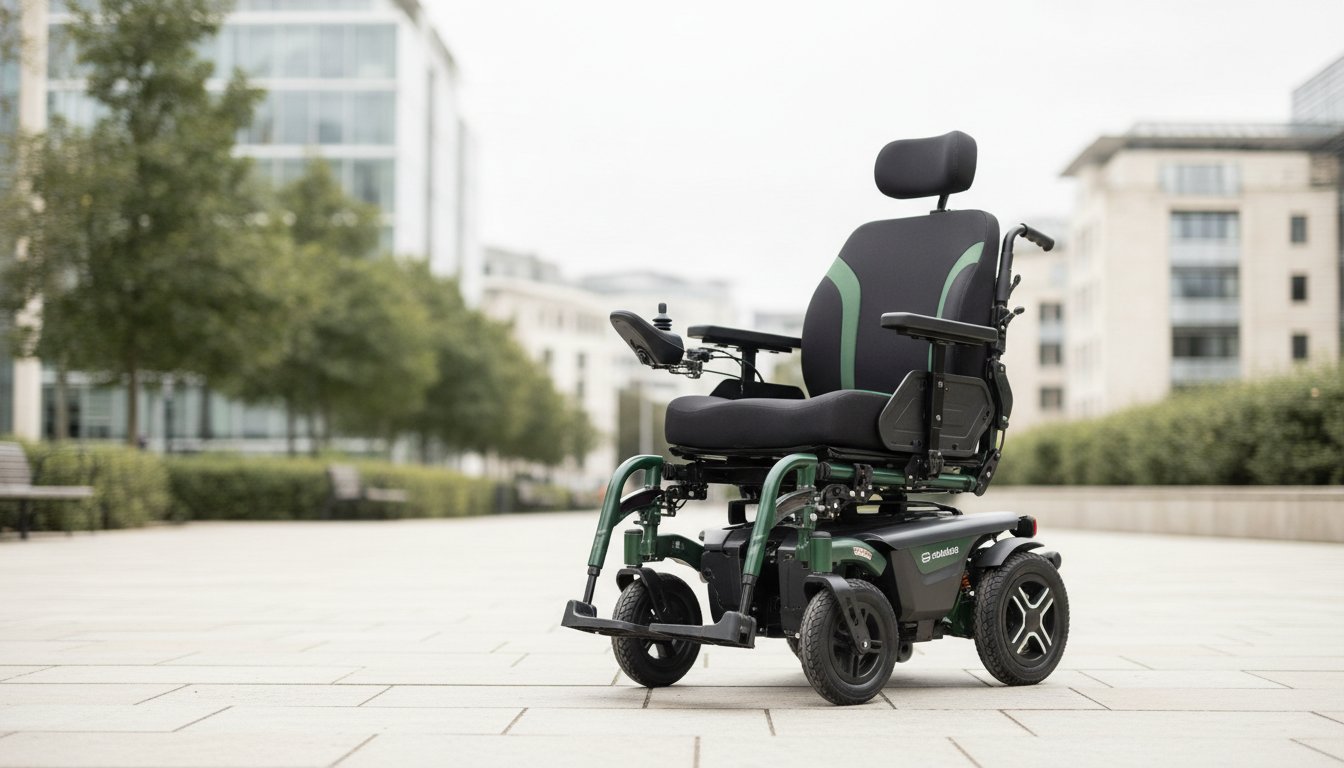
An electric motorised wheelchair, often called a powerchair, is a sophisticated mobility solution designed for those who require consistent support without the physical exertion of a manual chair. Unlike traditional models that rely on upper body strength or a dedicated pusher, these devices use integrated battery systems to provide total independence. It's a self-propelled system that puts the user in complete control of their environment, whether they're navigating a living room or a busy shopping centre.
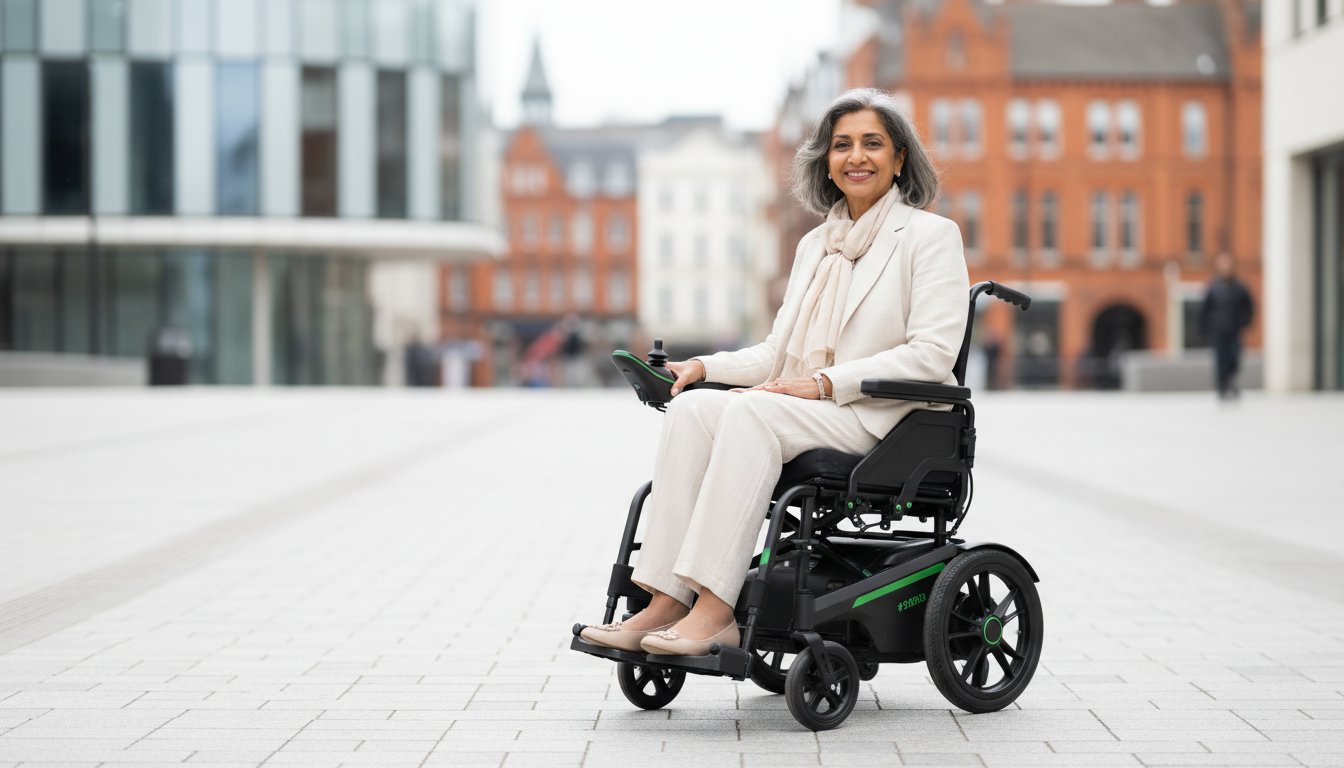
The core difference between a powerchair and a mobility scooter lies in agility and intent. Scooters usually require two-handed steering via a tiller and have a larger footprint, making them better suited for outdoor pavements. In contrast, an electric motorized wheelchair is operated by a sensitive joystick, allowing for precise movement in confined indoor spaces. The psychological impact of this transition is profound. Users often report a renewed sense of dignity when they no longer have to rely on others for basic movement. By removing the "mental tax" of planning every short trip around physical exhaustion, these chairs help individuals reclaim their social lives and personal autonomy.
The motorized wheelchair serves both clinical needs and lifestyle convenience. For those with limited respiratory function or neurological conditions, it's a medical necessity. For others, it's a tool to preserve energy for the things that matter, like spending time with family or returning to work.
The Evolution of Powerchair Design
Modern mobility engineering has moved far beyond the bulky medical devices of the past. Today's electric motorized wheelchair features sleek, ergonomic seating that provides postural support for all-day use. The introduction of brushless motor technology has been a game-changer, offering up to 40% more efficiency and significantly reducing the overall weight of the unit. These motors are paired with intelligent control systems, where joystick sensitivity can be customised to match the user's specific hand strength and coordination.
Manual vs. Motorised: Making the Switch
Deciding to move from a manual chair to a powered system often comes down to long-term joint health. Repetitive strain on the shoulders is a common issue for manual users, with some studies indicating that up to 70% of long-term users develop rotator cuff complications. Switching to a motorised system eliminates this physical strain entirely. Furthermore, powerchairs offer superior terrain handling. While a manual chair might struggle with slight inclines or uneven paving found in older urban areas, a motorised chair maintains a steady pace. Its "zero-radius" turning circle means the chair can rotate on its own axis, providing a level of indoor manoeuvrability that manual chairs and scooters simply cannot replicate.
Navigating UK Classifications and Drive Systems
Selecting the right mobility solution requires a clear understanding of the legal landscape in Great Britain. The Department for Transport categorises mobility aids under the term "invalid carriages," and your choice dictates where you can legally travel. Whether you are commuting through Birmingham city centre or visiting local parks, your electric motorized wheelchair must adhere to specific safety standards and speed restrictions to keep you and the public safe.
Class 2 vs. Class 3: What You Need to Know
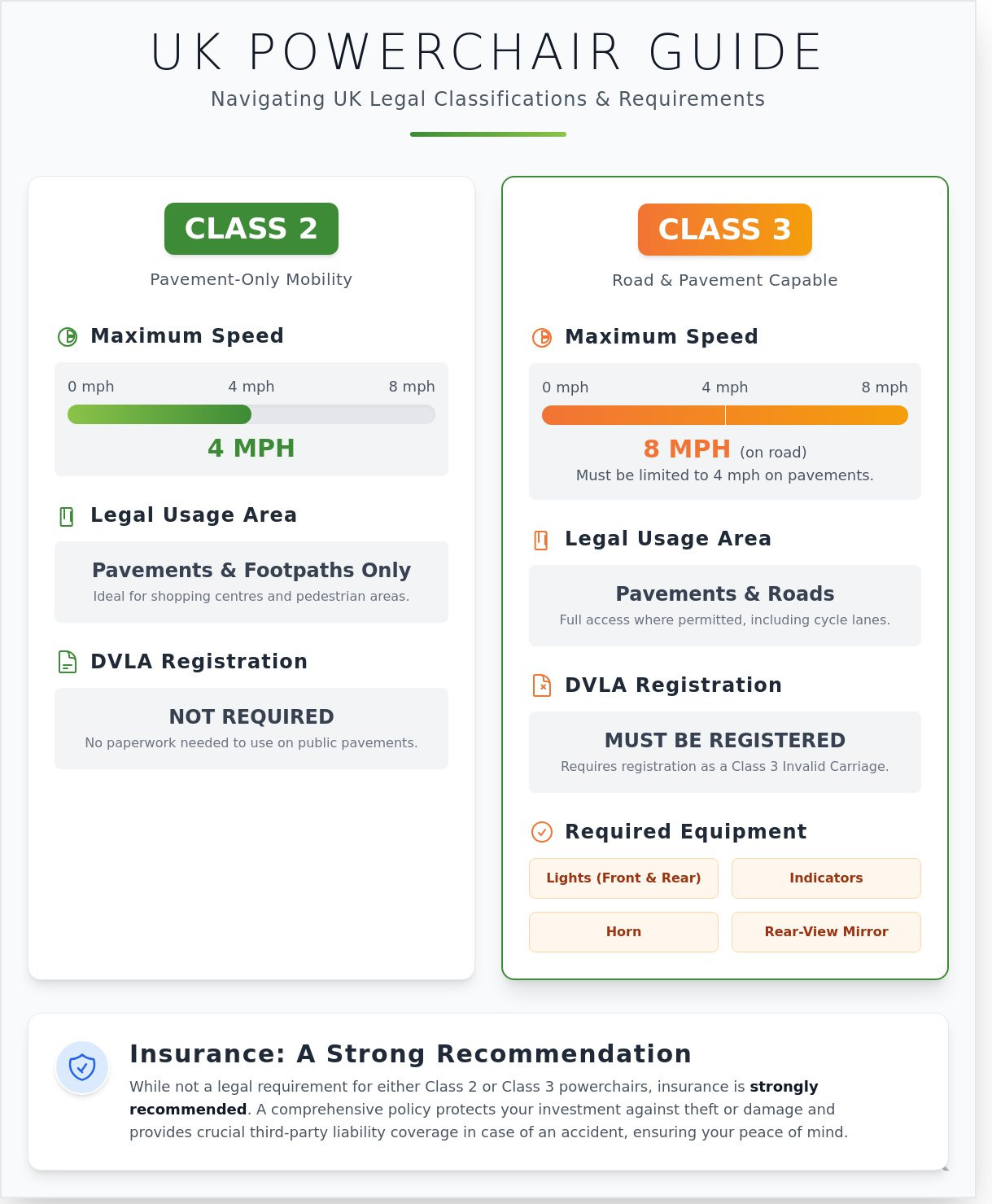
The distinction between Class 2 and Class 3 is fundamental to your daily freedom. Class 2 vehicles are designed strictly for pavement use. These models have a maximum speed limit of 4mph and don't require registration with the DVLA. They are ideal for navigating shopping centres or crowded footpaths where agility is more important than raw speed. If your journey involves crossing busy junctions or travelling on the road, a Class 3 vehicle is necessary. These machines can reach 8mph and must be equipped with lights, indicators, a horn, and a rear-view mirror.
It's vital to follow the UK mobility scooter and powered wheelchair rules to ensure you stay compliant. For instance, even if your machine can hit 8mph, you must switch to a 4mph setting when on the pavement. While insurance isn't a legal requirement for either class, we strongly recommend it. A comprehensive policy protects your investment against theft and provides essential third-party liability coverage in the event of an accident.
Choosing Your Drive Train
The drive system of your electric motorized wheelchair determines how it handles the physical environment. Each configuration offers distinct advantages depending on whether you prioritise indoor manoeuvrability or outdoor ruggedness.
- Rear-wheel drive: This is the traditional choice for users who spend significant time outdoors. Because the drive wheels are at the back, these chairs offer excellent stability at higher speeds and track straight with minimal effort. They provide a smooth ride on long, open paths.
- Mid-wheel drive: This setup is the gold standard for indoor use. With the drive wheels positioned directly under your centre of gravity, the chair can literally turn on the spot. It offers the tightest turning circle available, making it perfect for navigating narrow hallways or tight lifts.
- Front-wheel drive: For those facing challenging terrain, front-wheel drive is exceptional. The large wheels at the front pull the chair over obstacles, making it much easier to climb 10cm kerbs or navigate soft surfaces like grass and gravel.
Handling British pavements requires more than just a motor; it requires torque and sophisticated suspension. High-torque brushless motors ensure you don't lose momentum when tackling steep inclines or uneven paving stones. Quality suspension systems, often featuring independent springs, absorb the impact of potholes and dropped kerbs. This technical precision ensures a stable ride and protects the frame from long-term wear. If you're unsure which drive system fits your lifestyle, our team provides expert mobility advice to help you find the perfect match for your environment.
Folding vs. Rigid Frames: Matching a Chair to Your Lifestyle
Selecting the correct chassis is a pivotal decision that dictates how you interact with your surroundings. While traditional designs once forced a choice between durability and portability, modern engineering has bridged this gap. The contemporary electric motorized wheelchair now offers high-torque performance within frames that are either remarkably light or exceptionally stable. Your choice depends on whether you prioritise the ability to stow your chair in a car boot or require a fixed, bespoke seating system for long-term postural support. Before making a final decision, it's vital to measure your living environment accurately. Standard UK internal doorways typically measure 762mm, yet many older properties in Birmingham have narrower entries. You should also consult this NHS guide to wheelchairs and mobility scooters to understand how clinical assessments might influence your frame choice.The Benefits of a Folding Motorised Wheelchair
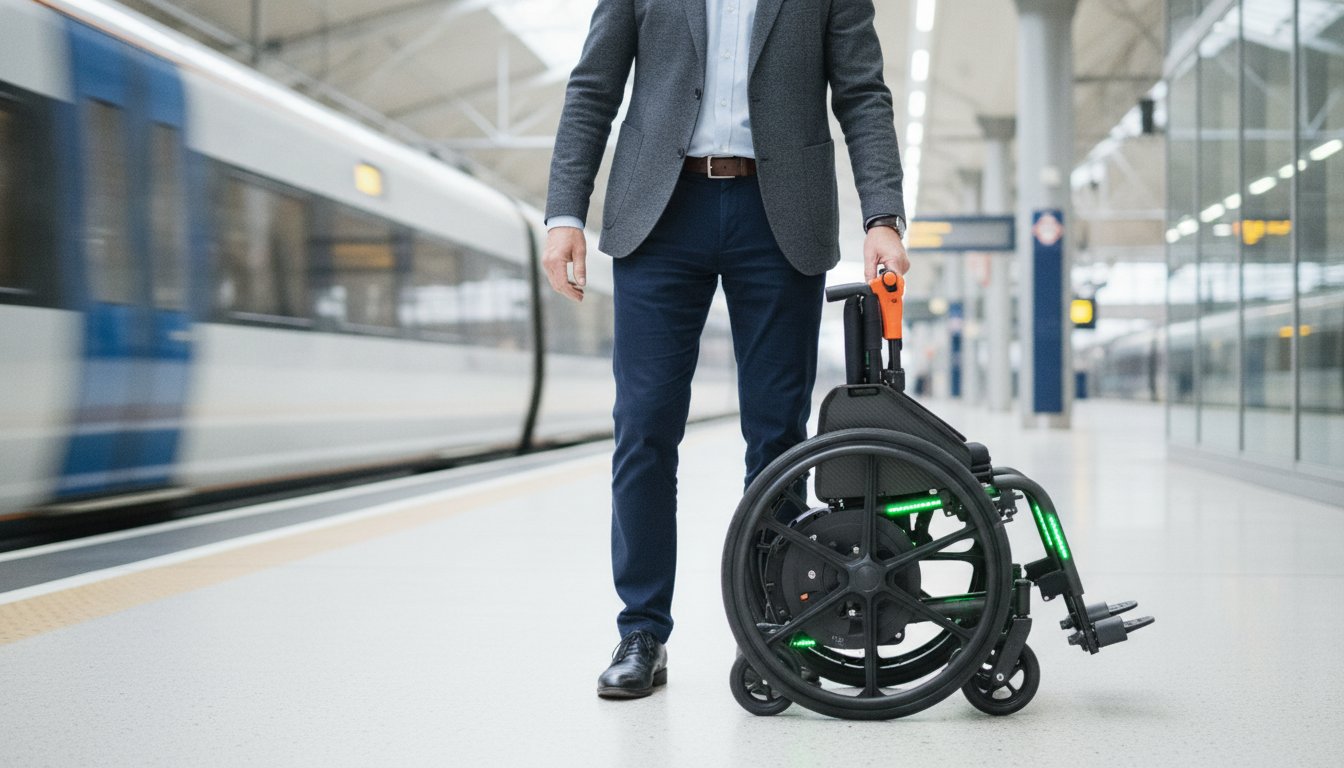
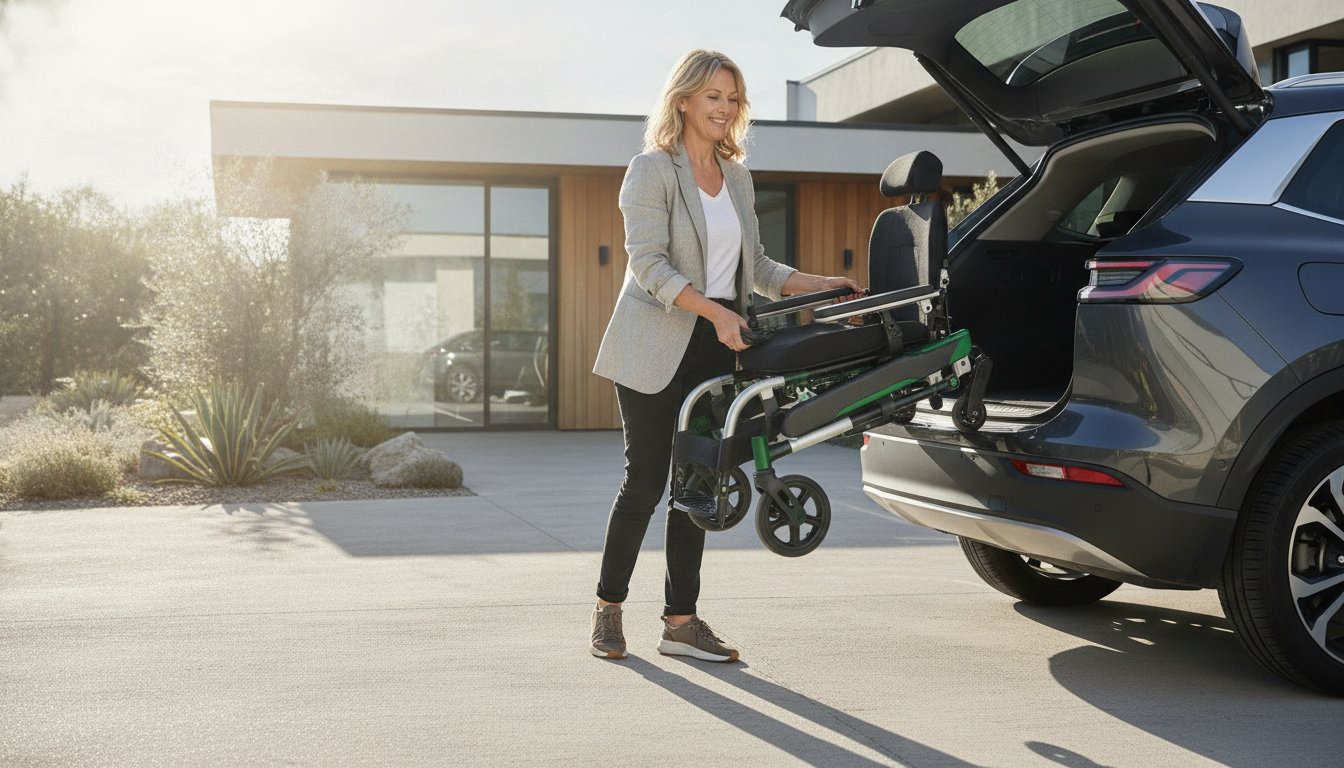
Folding models have seen a 40% surge in popularity over the last five years due to advancements in "one-touch" mechanisms. These systems allow the chair to collapse into a compact shape in under 5 seconds, making them perfect for users who enjoy day trips or have limited storage in smaller UK flats.- Material Innovation: Carbon fibre frames can weigh as little as 16kg, while aircraft-grade aluminium offers a balance of 25kg weight and high structural integrity.
- Transport: These chairs fit comfortably into the boot of a standard hatchback, removing the need for expensive vehicle adaptations.
- Urban Agility: A folding electric motorized wheelchair often features a tighter turning circle, which is essential for navigating busy Birmingham shopping centres.
Heavy Duty and All-Terrain Considerations
For users requiring a higher weight capacity, a heavy-duty rigid or reinforced folding frame is essential. These models are engineered to support users up to 25 stone (approx. 158kg) without compromising the motor's lifespan or the chair's safety.- Reinforced Stability: Heavy-duty chairs use thickened cross-braces and dual-motor systems to ensure the frame doesn't flex under load.
- Drive Hardware: Look for 12-inch or 14-inch rear drive wheels with deep-tread pneumatic tyres. These provide the necessary grip for gravel paths and rural Birmingham parks.
- Battery Dynamics: Larger motors require more energy. While a standard chair might use a 12Ah battery, heavy-duty models often utilise 20Ah or 30Ah lithium-ion packs to maintain a 15-mile range under heavier loads.
Ownership Essentials: Charging, Maintenance, and UK Safety
Investing in a heavy-duty electric motorized wheelchair is about securing long-term independence. To protect that investment, you need to understand the hardware under the seat. Most modern chairs use either Lithium-ion or Absorbent Glass Mat (AGM) batteries. Lithium-ion batteries are the gold standard for performance, offering up to 1,000 charging cycles and a significantly lighter profile. AGM batteries are a cost-effective, robust alternative, though they typically require replacement after 300 to 500 cycles and weigh considerably more.
Living in Birmingham means preparing for unpredictable weather. Ensure your chair has a minimum IPX4 water-resistance rating to handle light rain and splashes. Regular safety checks are vital for peak performance and user confidence:
- Tyre Integrity: Check for tread wear and pressure every fortnight to maintain grip on wet pavements.
- Brake Response: Test electromagnetic brakes on a flat surface before every journey to ensure they engage immediately.
- Joystick Calibration: Ensure the controller responds instantly without drifting to avoid accidents in crowded spaces.
Battery Care and Charging Best Practices
Maximising your battery life starts with a consistent routine. Avoid letting your power level drop below 20% before plugging in. During the cold West Midlands winters, don't store your batteries in an unheated garage or shed. Extreme cold can permanently reduce capacity by 20% or more. If you plan to fly, check your battery's Watt-hour (Wh) rating. Most airlines follow IATA regulations, allowing lithium batteries up to 300Wh, provided you carry the correct safety certificate from the manufacturer.
UK Public Transport and Accessibility
UK law protects your right to travel. On buses, the designated wheelchair space is a priority area. While it's often shared with pushchairs, the driver should ask other passengers to move. Most modern UK buses accommodate an electric motorized wheelchair up to 700mm wide and 1200mm long. For rail travel, use the Passenger Assist app or book 24 hours in advance to ensure station staff have ramps ready. Safety doesn't end at the ramp; always use your lap belt during transit and ensure your chair features rear reflectors for visibility during dark winter afternoons.
Why Expert UK Support is Vital for Your Mobility Journey
Choosing an electric motorized wheelchair is a major life decision that impacts your daily independence and safety. Many online retailers operate as "box-shifters," meaning they move products from overseas factories to your doorstep without ever opening the carton. This model creates significant risks for the user. Without a UK-based specialist to verify the integrity of the lithium-ion batteries or the calibration of the control systems, you might receive a product that doesn't meet British safety standards. At Etech Motion, we eliminate this uncertainty by performing rigorous quality assurance on 100% of our stock before it leaves our facility.
Local accountability is the cornerstone of a reliable mobility partnership. We provide nationwide delivery across the UK, backed by a team that understands the specific challenges of navigating British high streets and public transport. Accessing expert advice ensures you don't end up with a model that's too heavy for your car boot or too wide for your doorways. We help you analyse technical specifications like turning circles and gradient ratings so you choose the right model the first time. Our Birmingham-based roots mean we're part of your community, not a faceless international marketplace.
The Etech Motion Advantage
Our engineering philosophy focuses on the latest technological advancements to improve your quality of life. We specialise in high-torque brushless motors that offer superior energy efficiency and a quieter ride compared to traditional brushed motors. By utilising aerospace-grade aluminium and carbon fibre blends, we've developed a curated range of folding and heavy-duty chairs that remain easy to handle. We've intentionally moved away from the "medical" aesthetic. Our designs feature sleek lines and modern finishes, ensuring your electric motorized wheelchair feels like a premium piece of technology rather than a clinical prescription.
Your Next Steps to Freedom
Transitioning to a new mobility solution should be an exciting experience, not a stressful one. You can request detailed technical data sheets for any model or organise a consultation with our specialists to discuss your specific requirements. Every purchase is protected by a comprehensive UK-based warranty and a dedicated support team ready to assist with maintenance or spare parts. This local infrastructure ensures your mobility is never compromised for long. Don't settle for a generic service when you can have expert British support. Explore our favourite electric motorised wheelchairs and find your perfect match today.
Take the Next Step Toward Your Newfound Freedom
Selecting the right electric motorized wheelchair depends on matching technical specifications to your unique daily routine. You now understand how UK Class 2 and Class 3 regulations dictate where you can travel, alongside the practical benefits that lightweight folding frames provide for modern transport. Prioritising regular maintenance and UK safety standards ensures your equipment remains a reliable partner for every journey. At Etech Motion, we specialise in lightweight folding technology designed to make your transition to electric mobility effortless and aspirational.
As a specialist UK-based partner, we offer the local accountability you need. Every purchase includes nationwide delivery and a comprehensive warranty to protect your investment. Our expert support team remains available to guide you through the technical details, ensuring you feel confident in your choice. You don't have to settle for limited mobility when the right technology is within reach. Browse Our Full Range of Electric Motorised Wheelchairs and reclaim your independence with a brand that understands the British landscape.
Frequently Asked Questions
Do I need a licence to drive an electric motorised wheelchair in the UK?
You don't need a driving licence to operate an electric wheelchair in the UK. This rule applies to both Class 2 and Class 3 invalid carriages as defined by the Department for Transport. While no test is required, you must be 14 years old or over to drive a Class 3 vehicle on public roads.
Can I take my folding electric wheelchair on an aeroplane?
You can take a folding electric wheelchair on an aeroplane if the battery meets Civil Aviation Authority safety standards. Most airlines accept lithium-ion batteries with a total capacity up to 300Wh, or two separate batteries up to 160Wh each. You should notify your airline at least 48 hours before your flight to confirm their specific carriage procedures.
How long does a powerchair battery typically last on a single charge?
A standard powerchair battery typically covers a range of 12 to 15 miles on a single charge. High-capacity lithium-ion setups can extend this distance to 25 miles under optimal conditions. Factors like the user's weight and the steepness of local terrain will influence the final mileage you achieve during daily use.
What is the difference between a powerchair and an electric motorised wheelchair?
The terms are often used interchangeably, but a powerchair is specifically designed for long-term use with advanced joystick controls and a tight turning circle of 500mm to 700mm. An electric motorized wheelchair often refers to a traditional wheelchair frame fitted with motors for propulsion. Powerchairs offer superior agility in confined indoor spaces compared to larger motorised frames.
Will an electric wheelchair fit through a standard UK internal door?
Most electric wheelchairs will fit through a standard UK internal door, which typically measures 762mm in width. Heavy-duty models are usually designed with a total width between 600mm and 700mm to ensure they clear these openings safely. You should measure your specific doorways before purchasing to confirm there's at least 50mm of clearance for comfortable access.
Do I need to pay road tax for a Class 3 motorised wheelchair?
You don't have to pay road tax for a Class 3 motorised wheelchair, but you must register the vehicle with the DVLA. You'll receive a nil-value tax record after completing the V55/4 or V55/5 registration forms. This process is a legal requirement for any mobility vehicle capable of reaching 8mph on public highways.
Can electric wheelchairs be used in the rain?
You can use an electric motorized wheelchair in light rain, but you should avoid deep puddles and heavy storms. Most mobility electronics carry an IPX4 water resistance rating, which protects the components against splashes from any direction. Using a waterproof control panel cover provides extra protection for the sensitive joystick components during wet weather.
What happens if my electric wheelchair breaks down away from home?
If your wheelchair breaks down, you can engage the manual freewheel mode to allow someone to push you to a safe location. Many users carry specialist breakdown cover from providers like Motability or Fish Insurance, which offer 24/7 roadside assistance and recovery. These services ensure you and your chair return home safely if a mechanical fault occurs while you're out.