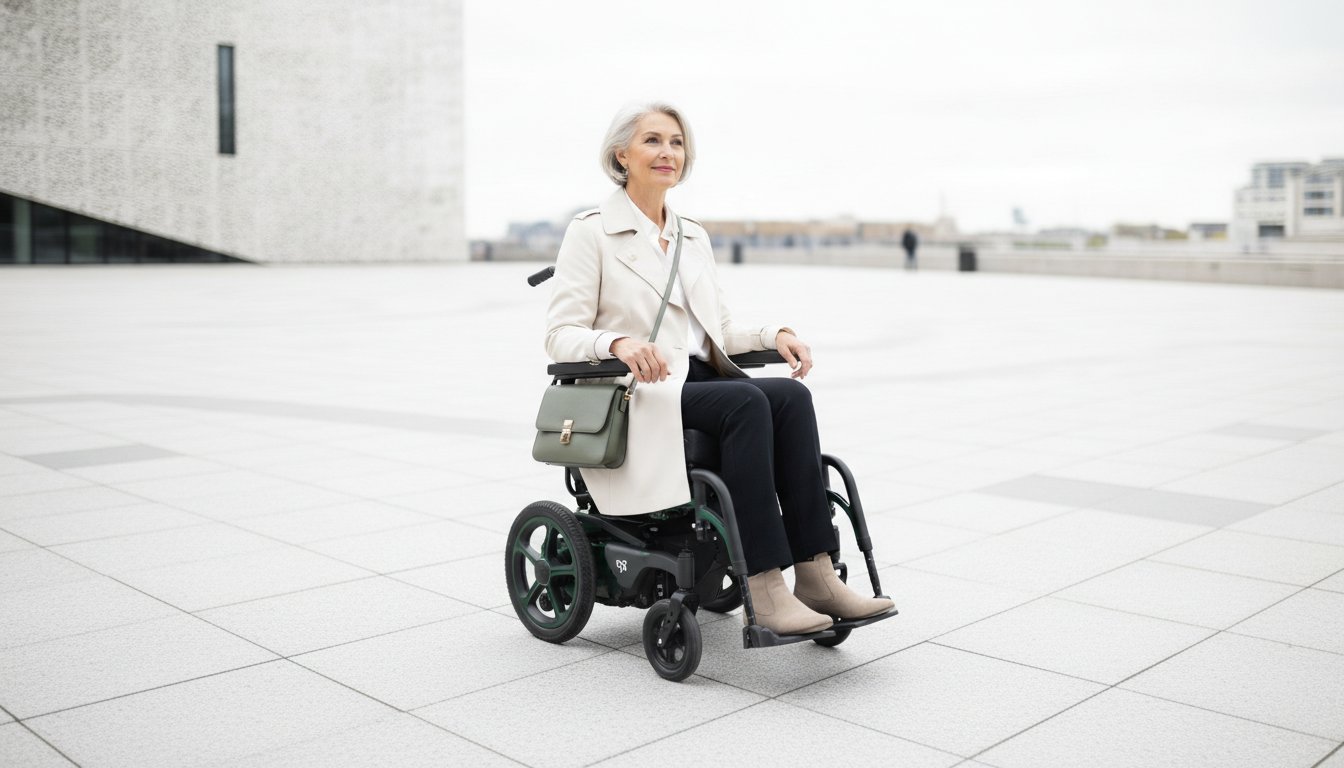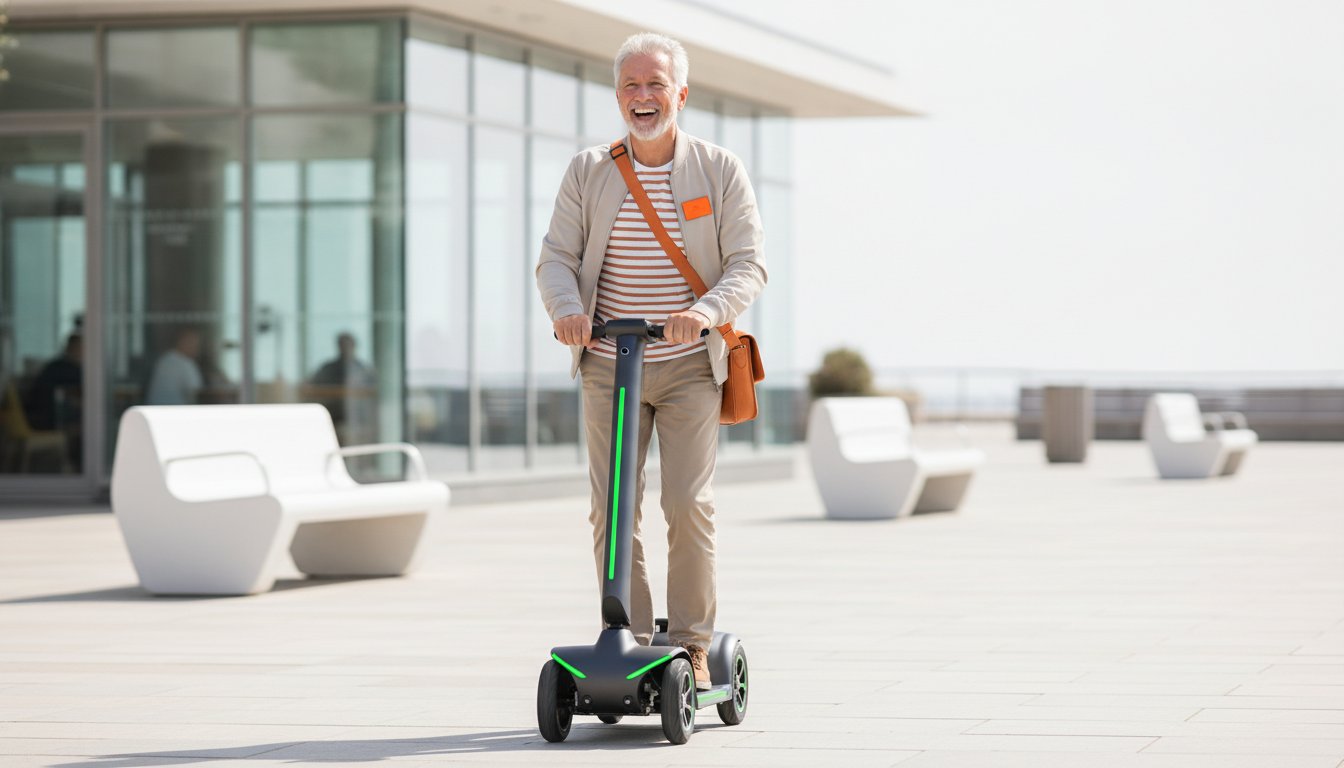
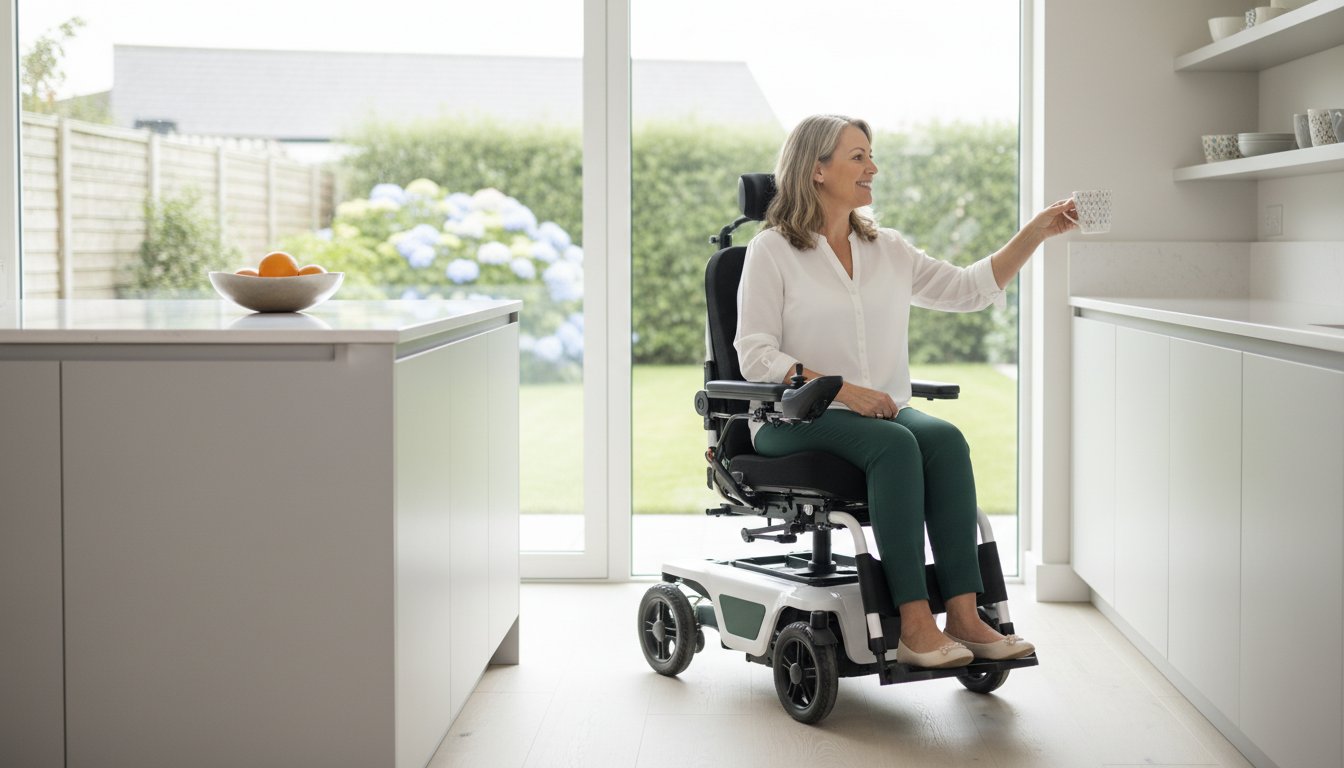
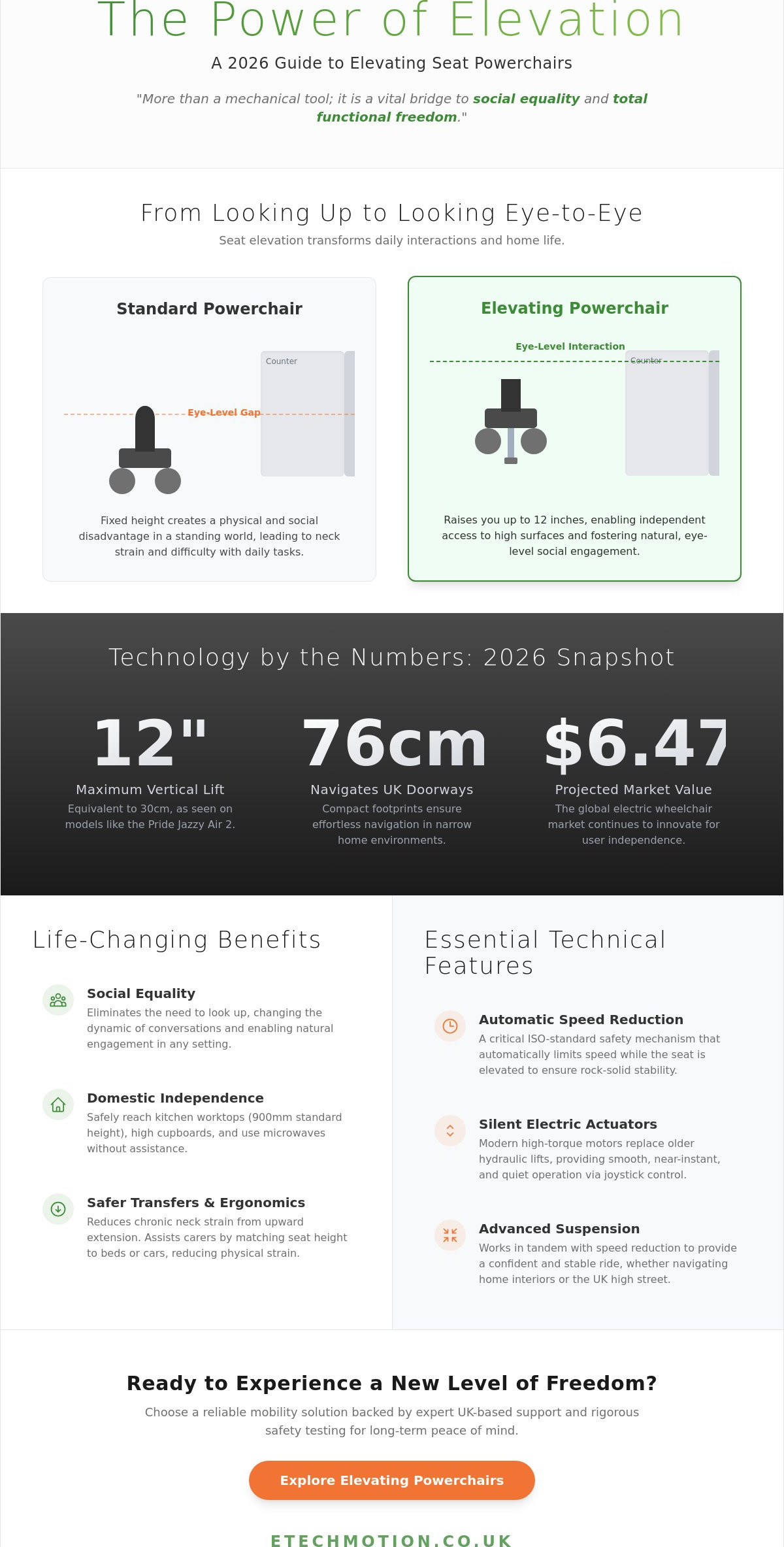
Why should the height of your chair dictate the level of your social interactions? For many users, the most significant barrier isn't a flight of stairs, but the simple inability to meet a friend eye-to-eye or reach a high kitchen cupboard. You likely already feel that traditional seating can be isolating in a standing world, leaving you at a physical and social disadvantage. We believe that a powerchair with elevating seat function is more than just a mechanical tool; it is a vital bridge to social equality and total functional freedom.
In this 2026 guide, we'll demonstrate how modern seat risers provide the rock-solid stability you need to navigate your home and the UK high street with confidence. With the global electric wheelchair market projected to reach $6.47 billion this year, technology has evolved to offer life-changing features like the 12-inch lift found on the Pride Jazzy Air 2. We will break down how these ISO-standard devices transform daily tasks into effortless experiences, all while ensuring you have access to the expert UK-based support and quality assurance you deserve for a reliable, long-term mobility solution.
Key Takeaways
- Learn how vertical lift technology transforms daily tasks like reaching high cupboards or using ATMs independently.
- Discover why a powerchair with elevating seat function is a vital tool for social equality, enabling natural engagement in standing-only environments.
- Understand the critical safety mechanisms that keep you stable while raised, including automatic speed reduction and advanced suspension.
- Identify the specific drive-wheel configurations and turning circles you need to navigate narrow UK doorways and home environments effortlessly.
- Explore how to choose a reliable mobility solution backed by expert UK-based support and rigorous safety testing for long-term peace of mind.
What is a Powerchair with an Elevating Seat Function?
A powerchair with elevating seat function, often called a seat riser, is a sophisticated mobility solution designed to move the user vertically while they remain in a seated position. Unlike standard models that have a fixed seat height, these chairs use a motorised lift system to raise the entire seating module. This technology allows users to adjust their height on the fly, bridging the gap between sitting and standing heights. While some might view this as a luxury, it's a fundamental tool for autonomy that integrates seamlessly into a Motorized wheelchair to enhance daily functionality.
The mechanics rely on high-torque electric actuators located beneath the seat base. These actuators provide a smooth, telescoping lift that typically offers between 10 and 12 inches (25 to 30cm) of vertical travel. It's vital to distinguish this from other specialised functions. For example, tilt-in-space technology rotates the seat to redistribute weight for pressure relief, while standing chairs move the user into a full upright position. A seat riser focuses specifically on height, allowing you to remain seated and mobile while elevated.
The Evolution of Seat Riser Technology
Modern mobility has come a long way from the clunky, heavy hydraulic lifts of previous decades. In 2026, the industry has shifted toward silent, precision-engineered electric actuators that offer near-instant response. These systems are now fully integrated with standard joystick controllers, meaning you don't need to fumble with separate switches to reach a high shelf. Because of advancements in lithium-ion battery density and motor miniaturisation, 2026 models are significantly more compact. They maintain a standard footprint that fits through a typical 76cm UK doorway even with the lift mechanism installed.
Who Benefits Most from an Elevating Powerchair?
Independence in the home is a primary driver for choosing this technology. If you have limited upper-body reach, an elevating seat makes kitchen tasks like using a microwave or reaching the top shelf of a fridge possible without assistance. Beyond the home, these chairs are transformative in professional settings. They allow you to sit at high conference tables or interact at a service counter without looking up at a steep angle. Carers also find these chairs invaluable; by adjusting the seat height to match a bed or a car seat, they can perform transfers with much less physical strain, reducing the risk of injury for everyone involved. As the global market for these devices grows toward its projected $6.47 billion value this year, the focus remains firmly on creating a world where height is no longer a barrier to participation.
The Life-Changing Benefits of Seat Elevation Technology
Moving through the world at a fixed height often creates more than just physical barriers; it creates a social and psychological divide. When you use a powerchair with elevating seat function, the primary benefit isn't just the few extra inches of height, but the radical shift in how you interact with your surroundings. This technology transforms a mobility aid from a simple transport device into a tool for social equality. By allowing you to rise to the occasion, quite literally, you eliminate the constant need to look up during every interaction, which fundamentally changes the power dynamic of a conversation.
The practical applications are equally profound. Everyday tasks that once required assistance, such as using an ATM, reaching a higher shelf in a supermarket, or accessing a wall-mounted intercom, become solo operations. The medical and functional importance of this cannot be overstated. In fact, the CMS Decision on Seat Elevation Systems highlights that these features are essential for performing "mobility-related activities of daily living." Beyond reach, the ergonomic benefits are significant. Constant upward neck extension leads to chronic strain and fatigue; maintaining an eye-level posture protects your cervical spine and makes long social gatherings far more comfortable.
Enhancing Domestic Independence
In a standard UK home, kitchen worktops are typically set at a height of 900mm. For a user in a standard chair, this creates a "functional reach" deficit, which is the gap between your comfortable arm extension and the height of the surface or object you need to manipulate. With an elevating seat, you can safely position yourself above hobs and sinks, reducing the risk of burns or spills during meal prep. You can also easily manage household essentials like thermostats, light switches, and top-loading washing machines. If you're looking to upgrade your home autonomy, you might want to view our latest electric wheelchairs designed with these precise domestic challenges in mind.
The Social and Professional Edge
The workplace often presents unique challenges where standing desks and high conference tables are common. A powerchair with elevating seat function allows you to join these spaces as an equal participant rather than an observer. In crowded social environments like pubs or galleries, being at eye level increases your visibility to others, which is a key safety factor that prevents people from accidentally bumping into you. More importantly, it builds immense personal confidence. Overcoming the "looking down" dynamic allows for more natural, fluid communication. You're no longer restricted by the architecture of the room; you're empowered to lead the conversation from a position of physical and social prominence.
Safety during transitions is the final, vital piece of the puzzle. By matching your seat height exactly to the level of a bed, toilet, or car seat, you create a level transfer surface. This significantly reduces the physical effort required by both you and your carer, lowering the 15% annual risk of transfer-related falls reported in many mobility studies. It's about moving with grace, safety, and total independence.
Essential Technical Features and Safety Standards
Safety isn't just a feature; it's the foundation of your confidence when you're 30cm above the ground. A powerchair with elevating seat function must balance vertical reach with uncompromising stability. When the seat rises, the chair's centre of gravity shifts upward, which naturally increases the risk of tipping if the base isn't engineered correctly. To counter this, high-quality models utilise a heavy-duty chassis and advanced suspension systems that maintain a firm grip on the floor, even when you're at full extension. In the UK, every reliable chair should adhere to BS EN 12184 standards, which dictate the safety and performance requirements for electrically powered wheelchairs.
One of the most critical technical features you'll encounter is automatic speed reduction. As soon as the electric actuator begins to lift the seat, the chair's controller communicates with the motors to engage a "creep speed" mode. This prevents the user from accidentally driving at high speeds while elevated, which could be dangerous on uneven surfaces. While we often focus on the medical and functional benefits of seat elevation, the underlying engineering is what makes those benefits accessible in a safe, daily context. Weight capacity is another vital consideration; remember that the lifting mechanism has its own payload limit, often ranging from 136kg to 205kg depending on whether you choose a standard or heavy-duty model.
Safety Mechanisms You Should Look For
Your chair should come equipped with inhibit switches. These smart sensors detect the seat's position and automatically lock out high-speed gears or certain tilt functions to prevent instability. Anti-tip wheels are equally crucial; they act as a secondary fail-safe to keep the base level during vertical movement. You might worry about battery drain, but modern 2026 lithium-ion systems are highly efficient. Raising the seat typically uses less than 1% of a standard charge cycle, so you won't sacrifice your travel range for the sake of height.
Maintenance of the Lift Actuator
To keep your lift operating smoothly, you need to perform basic maintenance on the lifting tracks. Dust and hair can accumulate in the telescoping segments, so wiping them down and applying a manufacturer-approved lubricant every six months is essential. Listen for any new grinding or clicking sounds in the motor, as these are early warning signs of wear. Because these motorised components are complex, we recommend a professional service at least once a year. This ensures the electronic connections remain secure and the actuator continues to provide a silent, steady lift for years to come.
How to Choose the Best Elevating Powerchair for Your Lifestyle
Selecting a chair isn't just about the lift; it's about where that lift takes you. Choosing a powerchair with elevating seat function requires a balance between your domestic needs and your outdoor ambitions. While many guides focus strictly on kitchen reach, the 2026 market offers robust solutions for those who want to maintain their height at a garden party or a high-street café. You need to consider the drive-wheel configuration first. Mid-wheel drive models offer the tightest turning circles, often as small as 50cm to 60cm, making them ideal for navigating the 76cm standard doorways found in most UK homes.
Indoor vs. Outdoor Performance
If you plan to use your chair primarily on the pavement, a rear-wheel drive configuration provides superior stability at higher speeds. However, for maximum versatility, mid-wheel drive is the industry standard for indoor-outdoor hybrids. Tyre choice is another vital factor. Non-marking solid tyres are perfect for avoiding scuffs on kitchen lino, but if you're venturing onto gravel or uneven paths, pneumatic tyres offer the suspension needed to keep the seat stable while elevated. For a broader look at general specifications, check out The Ultimate Guide to Choosing an Electric Wheelchair.
Portability often remains a concern for active users. Traditionally, the complex actuators required for a 30cm lift made chairs too heavy to fold. By 2026, lightweight alloys have allowed for some semi-portable designs, though most elevating chairs still require a vehicle hoist for transport. Battery range is also a key metric. While the lift itself uses minimal power, the extra weight of the mechanism means you should look for a lithium-ion setup that provides at least 15 to 20 miles of range to ensure you don't run out of juice mid-adventure.
Comfort and Customisation
Comfort is subjective, but ergonomics are scientific. When you're in an elevated position, your centre of gravity changes, so adjustable armrests and footplates are essential to maintain a healthy posture. Ensure the joystick is positioned so you can reach it comfortably whether the seat is at its lowest 45cm point or its full 75cm extension. Many users find that a seat width of 18 or 20 inches provides the best long-term support for all-day use.
Ready to find your perfect fit? Explore our range of electric wheelchairs to see which configuration matches your daily routine.
Expert Support and Quality Assurance with Etech Motion
Choosing a powerchair with elevating seat function is a significant investment in your future autonomy. You aren't just buying a piece of equipment; you're choosing a partner for your mobility journey. At Etech Motion, we've established ourselves as a leading UK specialist by focusing on more than just the transaction. We understand that the transition to an electric-powered world should feel effortless and supported. Every chair we supply undergoes rigorous quality assurance to meet the highest safety standards, ensuring that your lift mechanism and drive system perform perfectly from day one.
Our commitment to your safety is reflected in our strict adherence to BS EN 12184 standards. This ensures that every component, from the high-torque brushless motors to the efficient lithium-ion batteries, is fit for purpose on UK streets and within the home. We don't just ship boxes; we provide a comprehensive nationwide delivery service that includes a professional handover. One of our experts will guide you through the operation of your new chair, ensuring you're comfortable with the elevating controls and safety inhibitors before we leave. This level of local accountability is a core trust signal that sets us apart from generic online retailers.
The Etech Motion Advantage
When you work with us, you gain direct access to mobility specialists who understand the mechanics of elevation tech. We know the intricate details of vertical lift systems and can provide expert advice tailored to your specific environment. Whether you're navigating a compact flat or planning outdoor adventures, we'll help you find the right configuration for your lifestyle. If you require a higher weight capacity or a more rugged frame for your daily routine, you can explore our Heavy Duty Electric Wheelchair Guide for more robust options. Our local support network means that if you ever need technical assistance, help is never more than a phone call away.
Take the Next Step Toward Independence
Reclaiming your independence has never been more accessible. We offer a range of support services to help you make an informed decision, including detailed consultations and transparent product specifications. Many of our customers are eligible for VAT relief, which can significantly reduce the cost of your new mobility solution. We also provide flexible finance options to help spread the cost, making the latest 2026 technology affordable for everyone. It's time to stop looking up and start engaging with the world at eye level. View our range of advanced powerchairs with elevating seats today and discover the freedom that comes with Etech Motion's expert support.
Take Your Mobility to New Heights in 2026
Investing in a powerchair with elevating seat function represents a definitive shift toward total autonomy. You've seen how vertical lift technology transforms simple tasks into effortless victories, whether you're reaching for a high shelf or engaging in eye-to-eye social interactions. By choosing a chair that balances precision engineering with user comfort, you're not just buying a mobility aid; you're gaining a tool for social and functional equality.
We're here to ensure your transition to advanced mobility is smooth and reliable. Every chair we provide complies with BS EN 12184 safety standards, backed by our specialist UK-based expert support and efficient nationwide delivery. Our team is committed to your long-term satisfaction and the success of your electric mobility journey. Explore our range of high-performance elevating powerchairs today and discover how we can help you move forward with confidence. It's time to experience the world from a brand new perspective.
Frequently Asked Questions
Do I qualify for VAT relief on a powerchair with an elevating seat?
You qualify for VAT relief if you have a chronic illness or a disability that affects your mobility. This 0% VAT rating saves you 20% on the total purchase price of your mobility solution. You simply need to complete a self-declaration form at the point of sale. This government incentive makes advanced technology much more accessible for those who need it most in the UK.
Can I drive my powerchair while the seat is in the elevated position?
Yes, you can drive while raised, but your speed will be automatically limited for safety. Most 2026 models engage a "creep mode" that reduces travel speed to approximately 3.5mph or less. This ensures you maintain stability while navigating your home or a shop. It's a standard feature on any high-quality powerchair with elevating seat function to prevent accidents on uneven surfaces.
How high can a powerchair seat actually rise?
Most modern elevating seats provide between 25cm and 30cm of vertical lift. For example, the Merits Dualer offers a 5-inch lift, while more advanced models like the Pride Jazzy Air 2 reach a full 12 inches. This range is specifically designed to bring a seated user to the average standing eye level of 160cm to 170cm, facilitating natural social interactions and easier reach in professional settings.
Are elevating powerchairs stable on uneven ground or pavements?
These chairs are engineered for maximum stability, but we recommend using the elevation function primarily on level ground. While advanced suspension systems help absorb minor bumps, raising your centre of gravity naturally changes the chair's balance. For outdoor use on pavements, always ensure you're on a flat surface before engaging the lift to maintain the highest safety standards and prevent the risk of tipping.
Will an elevating seat function make the wheelchair too heavy for a car hoist?
The additional electric actuators and reinforced lift frames do add weight, typically between 15kg and 25kg. You must check that your car hoist is rated for the total weight of the chair, which often exceeds 100kg for these models. Most standard UK vehicle hoists installed in 2025 and 2026 can handle up to 150kg, making them perfectly suitable for most elevating chairs.
How much extra does a seat riser function typically cost?
Verified market data for 2026 shows that powerchairs with these functions generally range from $2,500 to $5,000. Entry-level models like the Merits Vision Sport are priced around $2,637, whereas premium options with higher lift capacities can exceed $4,254. The price difference reflects the complexity of the motorised lift system and the enhanced safety electronics required to manage a higher centre of gravity safely.
Does the elevating function require frequent maintenance or servicing?
The lift mechanism requires a professional inspection at least once every 12 months as part of your standard service. You should keep the lifting tracks free from dust and debris to prevent the motor from straining during vertical movement. We recommend a quick monthly check of the telescoping segments for any signs of wear. Regular lubrication ensures the actuator remains silent and reliable for years of daily use.
Can I use an elevating powerchair in a small UK kitchen?
Yes, these chairs are specifically designed to excel in tight domestic spaces. Mid-wheel drive configurations offer a turning circle as small as 50cm, which is significantly narrower than the 76cm width of a standard UK internal doorway. This agility allows you to position yourself perfectly in front of hobs or sinks, using the lift to reach wall-mounted cupboards that would otherwise be inaccessible without assistance.