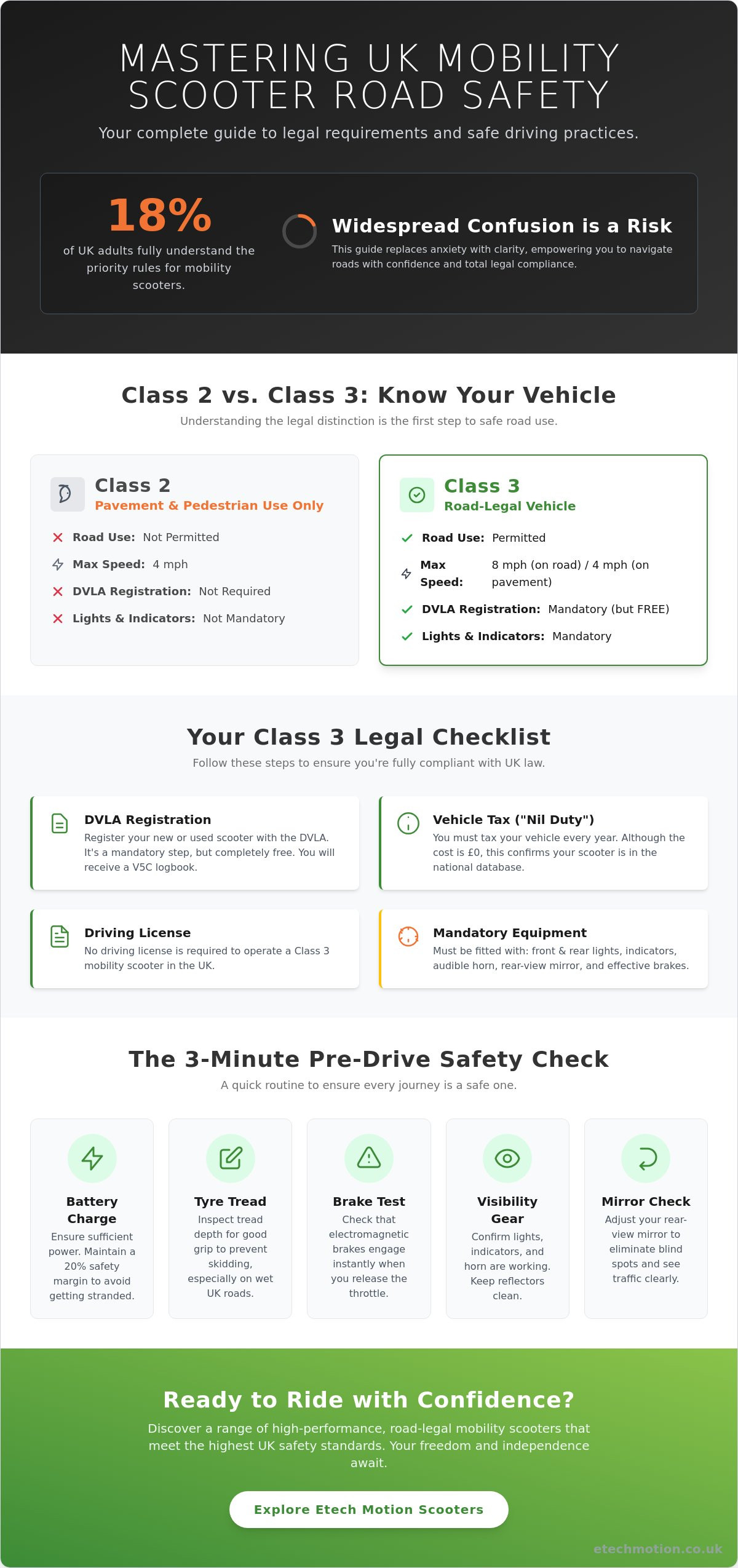
Did you know that while over 200,000 road-legal Class 3 scooters are active in the UK today, only 18% of adults correctly understand the priority rules governing their use? This widespread confusion makes mastering mobility scooter safety for road use a vital skill for protecting your independence. You likely feel the pressure of navigating busy junctions or the frustration of deciphering the legal gap between Class 2 and Class 3 models. It's natural to worry about how faster vehicles see you when you're simply trying to reach your destination safely.
We're here to replace that anxiety with total clarity. This guide provides the expert support you need to master the latest UK road laws and "defensive mobility," which is a proactive approach to visibility and positioning. You'll learn how to navigate the DVLA registration process to avoid unlimited fines and discover practical techniques for staying safe in traffic. We'll explore the implications of the April 22, 2026 government policy review and provide a clear roadmap for tackling roundabouts and dual carriageways with absolute confidence.
Key Takeaways
- Understand the critical legal distinctions between Class 2 and Class 3 models, including the mandatory 8mph road limit and the free DVLA registration process.
- Master the core principles of mobility scooter safety for road use, specifically how to position yourself for maximum visibility and execute safe turns at busy junctions.
- Learn to perform a professional pre-drive inspection of your lithium-ion battery and tyre tread to ensure your vehicle is ready for the demands of UK tarmac.
- Adopt defensive driving techniques that help you anticipate the actions of faster vehicles and manage unpredictable weather conditions like rain or heavy winds.
- Discover how to choose a high-performance electric folding mobility scooter that meets stringent UK safety standards while providing the freedom of independent travel.
Understanding the Legal Requirements for Road-Legal Scooters
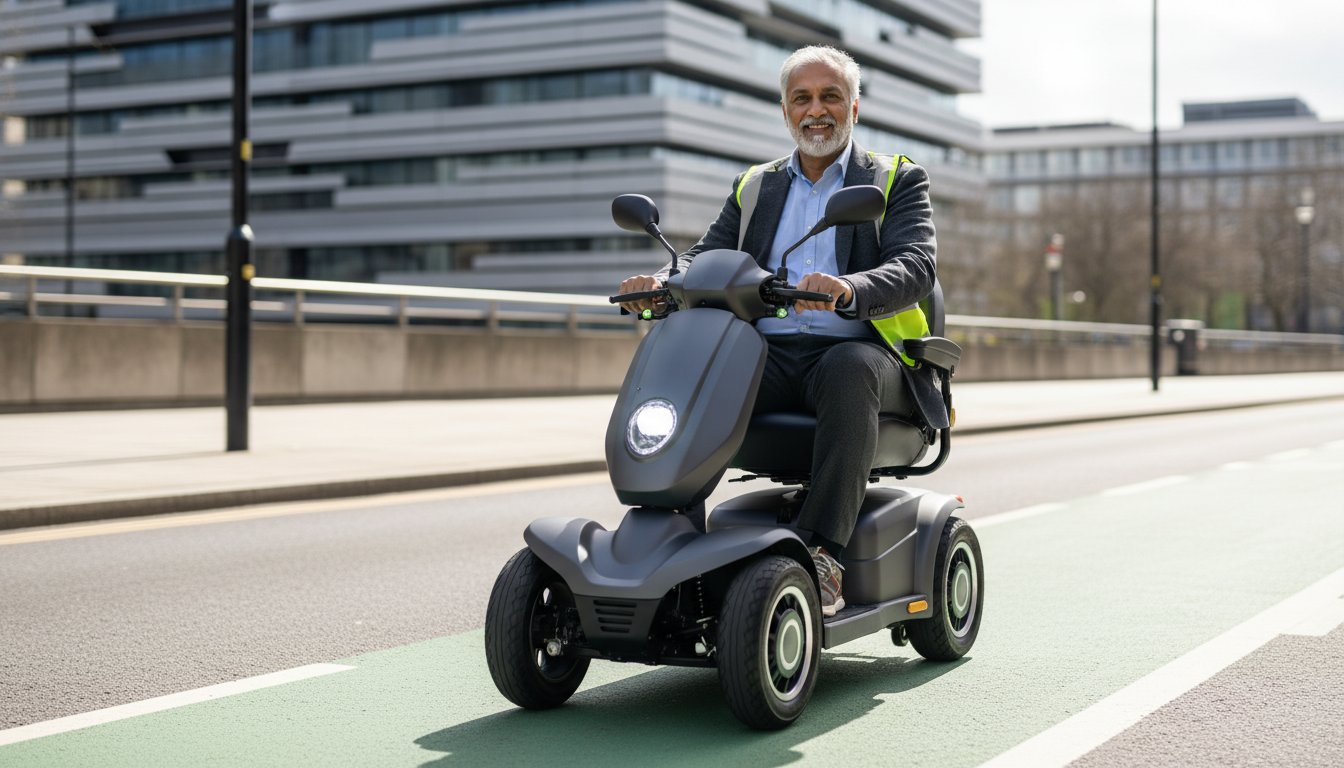
Navigating the UK's legal framework is the first step toward true independence. While there are an estimated 350,000 mobility scooters in use across the country, over 200,000 of these are Class 3 models specifically designed for the road. Understanding the Legal definition of mobility scooters is essential because the law treats pavement-only vehicles and road-legal ones very differently. To ensure mobility scooter safety for road use, you must ensure your vehicle meets the Class 3 criteria. This includes a maximum speed of 8mph and a maximum unladen weight of 150kg.
Your scooter must feature a physical speed toggle. On the pavement, you're legally restricted to 4mph. When you transition to the road, you can switch to the 8mph setting. This flexibility allows you to move with the flow of local traffic while remaining respectful of pedestrians in shopping areas. Beyond speed, your vehicle must be equipped with specific safety features to be road-legal. These include front and rear lights, indicators, an audible horn, and a rear-view mirror. Using mirrors effectively reduces the physical strain of turning your head, and if you find that chilly conditions increase muscle tension, you can learn more about managing neck comfort during the winter. Without these, you're not just risking a fine; you're compromising your visibility to other drivers.
Class 2 vs. Class 3: Which is Road-Legal?
Class 2 scooters are strictly for pavement and pedestrian use. They're limited to 4mph and don't require registration. However, they lack the lighting and braking systems needed for safe road travel. To legally drive on the road, you need a Class 3 vehicle. These must have hazard warning lights and a braking system that works effectively. It's a technical threshold that ensures you can signal your intentions clearly to motorists at junctions and roundabouts.
Registration and Tax: Your Legal Obligations
You don't need a driving license, but you do need to register your Class 3 scooter with the DVLA. It's a straightforward process. You'll need to fill out form V55/4 for new vehicles or V55/5 for used ones. Once processed, the DVLA will send you a V5C logbook. It's free. Even though the cost is £0, you must still "tax" your vehicle every year. This "nil duty" tax disc confirms your scooter is registered in the national database. While insurance isn't a legal requirement yet, third-party cover is highly recommended. Basic liability insurance typically costs between £30 and £60 annually and provides vital protection if an accident occurs on the road.
Preparing Your Vehicle: The Pre-Drive Safety Checklist
Before you press the power button, a quick three-minute safety check ensures your journey is as smooth as possible. Mastering mobility scooter safety for road use starts before you even leave your driveway. Your lithium-ion battery is the heart of your vehicle. In 2026, these batteries offer faster charging and longer ranges, but you should always maintain a 20% safety margin. This buffer protects you against unexpected detours or heavy wind resistance that can drain power faster than expected, ensuring you never find yourself stranded far from home.
Next, inspect your tyres. UK tarmac is notoriously unforgiving, especially during the 133 days of rain the UK averages annually. Check that your tread depth is sufficient to displace water and prevent skidding. While you're at it, test your automatic electromagnetic brakes. These should engage the moment you release the throttle. If the scooter rolls more than a few inches on flat ground, it's time for a professional service. Finally, adjust your mirrors. Blind spots are a leading cause of accidents when merging into traffic. You should be able to see the road behind you clearly without straining your neck. Adhering to the official UK government rules ensures your vehicle remains compliant while protecting your safety. If you're looking for a vehicle that simplifies these checks, an electric folding mobility scooter from Etech Motion often features intuitive digital diagnostics to help you monitor system health in real-time.
Visibility Essentials: Being Seen on the Road
Visibility is your best defence against faster vehicles. Check your front and rear lights daily, even if you only plan to travel during the afternoon. UK weather can change in minutes, and dusk can settle quickly. Ensure your reflectors are clean and free of mud. If your route includes a dual carriageway where the speed limit is under 50 mph, you must use an amber flashing beacon. This isn't just a recommendation; it's a legal requirement that alerts motorists to your presence from a distance.
Modern Tech Safety Features in 2026
The latest 2026 models have transformed safety through advanced engineering. Modern lithium-ion systems now include thermal management to prevent overheating during long summer climbs. We also see a shift toward advanced suspension systems that do more than provide comfort. They maintain tyre contact with the road when you hit one of the millions of potholes currently affecting UK roads, preventing stability loss. Use your digital display to monitor your speed constantly, ensuring you stay within the 8mph legal limit for road travel at all times.
How to Navigate UK Roads: A Step-by-Step Guide
Confidence on the road starts with your physical presence in the lane. Many users instinctively hug the kerb, but "gutter riding" actually increases your risk. It makes you less visible to drivers emerging from side roads and encourages motorists to attempt dangerous overtakes in narrow gaps. For optimal mobility scooter safety for road use, position yourself toward the centre of the lane when approaching junctions or when the road is too narrow for a car to pass safely. This "primary position" ensures you're a visible part of the traffic flow rather than an obstacle on the periphery.
Communication is your most effective tool for staying safe. Always signal your intentions at least five seconds before making a move. Since mobility scooters have a smaller profile than cars, making eye contact with drivers at side roads is a vital way to confirm they've actually seen you. According to the UK government mobility scooter road rules, you must follow the Highway Code just like any other vehicle, which includes obeying all traffic lights and signs. If a roundabout feels too busy or complex, don't feel pressured to stay on the road. It's often safer to transition to the pavement and use pedestrian crossings to navigate the junction before returning to the road on the other side.
Turning Right at Busy Junctions
Turning right across traffic is the most challenging manoeuvre for any scooter user. You have two main options. The traditional method involves positioning yourself near the centre of the road, signaling, and waiting for a gap. However, for many, the "L-shaped" or pedestrian turn is much safer. To do this, drive straight across the side road to the opposite corner, stop, turn your scooter 90 degrees, and wait for the lights to change or for a clear gap to proceed. This technique is a cornerstone of mobility scooter safety for road use at complex urban intersections. Never attempt to "filter" or weave between stationary cars; drivers don't expect a vehicle of your size to appear from between lanes.
Prohibited Roads: Where You Cannot Drive
While Class 3 scooters offer incredible freedom, certain routes remain strictly off-limits. You're legally banned from motorways and bus lanes. Cycle lanes are generally permitted if they're part of the road, but cycle tracks, which are separated from the road, are often restricted to bikes only. Be extremely cautious with dual carriageways. While legal on dual carriageways with speed limits under 50mph, you must use an amber flashing beacon. If the speed limit exceeds 50mph, stay off the road entirely. It's simply not worth the risk when faster vehicles are moving at significantly higher speeds.
Tactical Safety: Defensive Driving for Mobility Users
Defensive mobility isn't just about following the rules; it's about active survival. The "Assume They Haven’t Seen You" rule is the foundation of mobility scooter safety for road use. Even if you have the right of way, treat every car at a junction as if the driver is distracted. By positioning yourself proactively and anticipating the mistakes of others, you create a safety buffer that prevents accidents before they happen. This mindset is vital because while your right to the road is equal to a car, your vulnerability is higher.
You'll occasionally encounter impatient drivers or "road rage," often fueled by the fact that 38% of UK adults wrongly believe mobility scooters are banned from pavements or shouldn't be on the road. Don't let a honking horn bully you into the gutter where the road surface is uneven and dangerous. Stay calm, maintain your primary position, and only pull over to let traffic pass when it's safe for you to do so. If your scooter experiences a mechanical failure or the lithium-ion battery cuts out, turn on your hazard lights immediately. If you're able, move the vehicle to the pavement or a verge. If you're stuck in the live lane, stay on the vehicle with your lights on and call for assistance immediately.
Visibility in Adverse Conditions
UK weather requires tactical adjustments. Rain can double your braking distance, so reduce your speed well before you reach a stop sign. In fog or low-light conditions, your amber flashing beacon is your best friend; it's the most effective way to break through the "visual clutter" of a busy street. During winter months, road salt is a major concern. It can cause rapid corrosion to your scooter’s frame and electrical connectors. We recommend wiping down your vehicle after every trip to ensure long-term reliability and safety. If you need a vehicle designed for these challenges, explore our range of electric folding mobility scooters for expert-backed reliability.
The Psychology of the Road
Success on the road is often a mental game. Making direct eye contact with a driver at a side road is the only way to confirm they've truly acknowledged your presence. A quick nod can prevent a collision. Predictability is your second most powerful tool. Avoid sudden swerves or unexpected changes in speed, as these are the leading causes of scooter-related incidents in urban areas. By signaling early and moving with purpose, you help motorists understand your intentions, making the road a safer place for everyone moving forward into an electric future.
Choosing the Right Road-Legal Scooter with Etech Motion
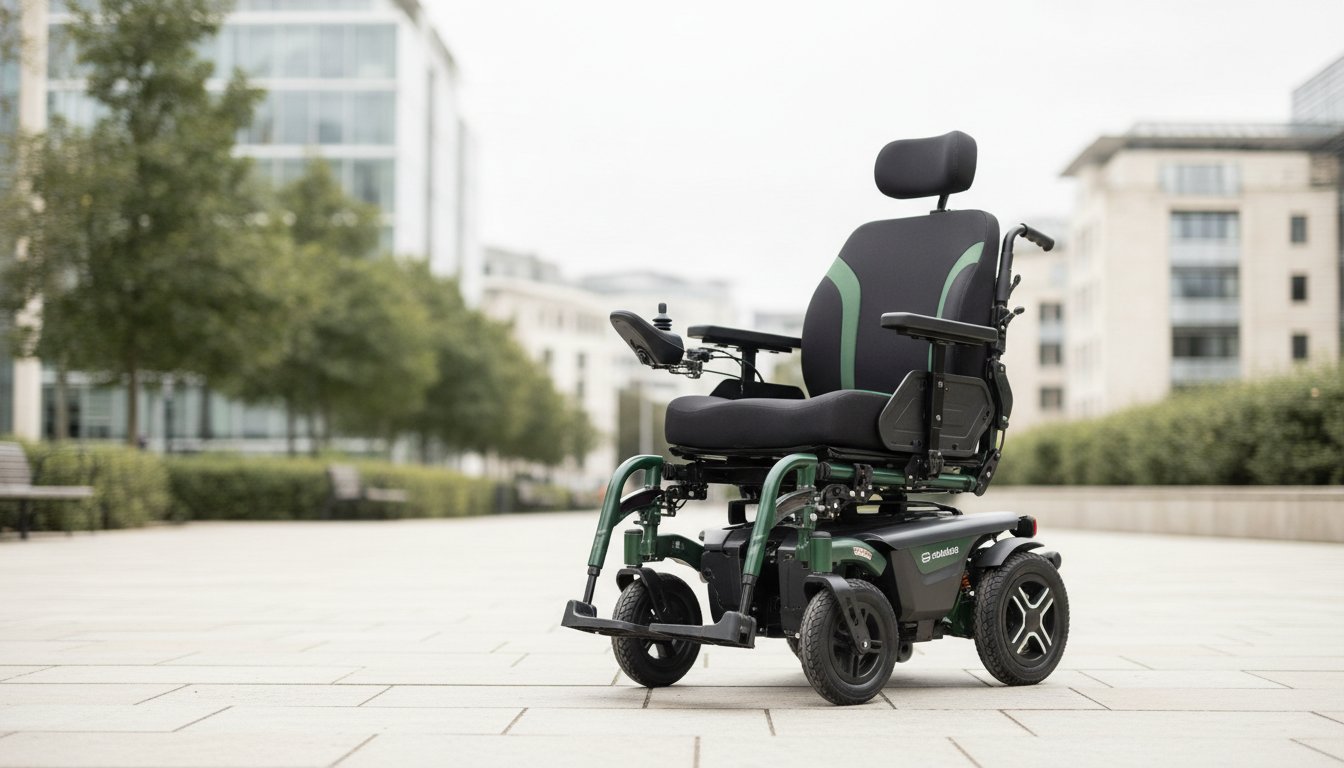
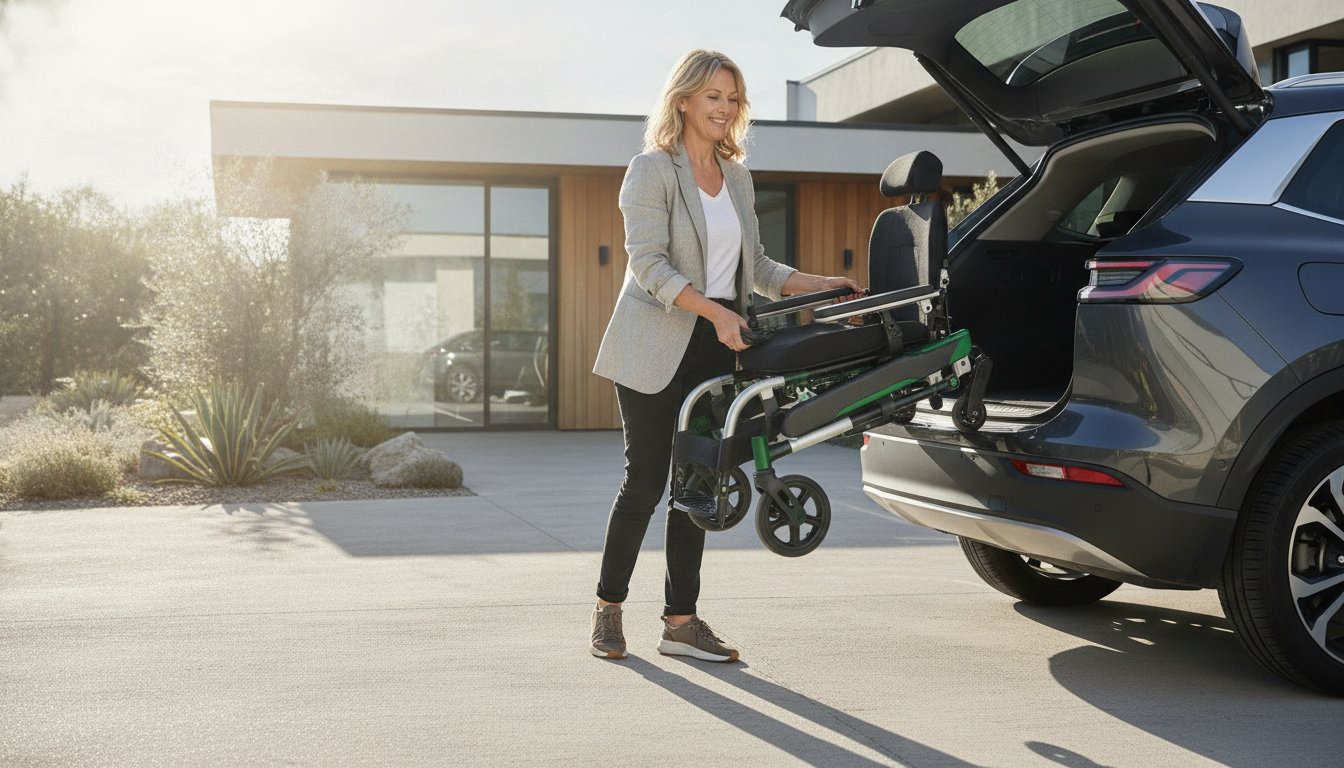
Selecting the right vehicle is the final piece of the safety puzzle. While the legal and tactical knowledge we've covered is vital, your equipment must be capable of performing under pressure on busy UK streets. At Etech Motion, we bridge the gap between portability and power. Traditionally, road-legal Class 3 vehicles were bulky and difficult to store. Today, an electric folding mobility scooter provides the 8mph speed and safety features required for the road without sacrificing the convenience of a compact frame. This evolution ensures that mobility scooter safety for road use is accessible to everyone, regardless of their storage space at home.
Our commitment to UK-based support means you're never alone on your journey. Every vehicle we sell undergoes a rigorous quality assurance check to meet British safety standards before it leaves our facility. If you need spare parts or technical advice, our homegrown expert support team is just a phone call away. This local accountability is a key component of our trust-building strategy. For those who require extra stability and range for long-distance travel, our heavy duty electric wheelchairs and scooters offer superior suspension and torque, making the transition to road use feel effortless and secure.
Our Top Road-Legal Picks for 2026
High-performance folding mobility scooters with Class 3 capabilities are the gold standard for 2026. These models feature the mandatory lights, mirrors, and horn while remaining light enough to transport in a standard car boot. We also offer heavy duty electric wheelchairs that qualify for road use, providing a robust solution for users with more complex mobility needs. Having a UK-based partner ensures that maintenance is straightforward. We stock all necessary components, from brushless motors to lithium-ion cells, keeping your vehicle in peak condition for years of sustainable adventure.
Start Your Journey to Independence
Etech Motion helps you move from the pavement to the road with total confidence. We provide a professional setup service and nationwide delivery to ensure your new scooter is ready for the road the moment it arrives. Our experts will walk you through the speed settings and safety features, ensuring you feel comfortable before your first trip. If you're unsure which model fits your lifestyle, you can book a consultation with our specialist team to find your perfect match. We are dedicated to improving mobility scooter safety for road use across the UK. Take the first step toward a cleaner, more efficient future and Explore our range of road-legal mobility scooters today.
Embrace the Freedom of the Open Road
Mastering mobility scooter safety for road use is about more than just following the Highway Code; it's about claiming your space with authority and expertise. You've now gained the tools to navigate complex junctions using the "L-shaped" turn and the knowledge to keep your vehicle compliant through free DVLA registration. By combining a proactive defensive driving mindset with a rigorous pre-drive safety checklist, you can significantly reduce the risks associated with modern traffic. The transition to independent road travel becomes effortless when you have the right technical foundation and a clear understanding of your legal rights.
We're here to ensure your journey is supported by the highest engineering standards and reliable local accountability. Our safety-tested 2026 models are designed to handle the unique challenges of UK tarmac, featuring advanced lithium-ion systems and enhanced visibility tools. With our nationwide delivery and UK-based expert support, moving forward into the electric mobility revolution has never been more accessible. Your next adventure is waiting for you. Browse Road-Legal Mobility Scooters at Etech Motion and rediscover the joy of independent travel today.
Frequently Asked Questions
Do I need a driving licence to use a mobility scooter on the road?
No, you don't need a driving licence to operate a mobility scooter in the UK. However, you must be at least 14 years old to drive a Class 3 vehicle on public roads. While there is no formal test, you're legally required to follow the Highway Code and understand the specific rules governing your vehicle class to ensure your safety and that of others.
Is it legal to drive a mobility scooter on a dual carriageway in the UK?
Yes, it's legal to drive a Class 3 mobility scooter on a dual carriageway, provided the speed limit is under 50mph. You must also use an amber flashing beacon at all times to alert other motorists to your presence. It's strictly prohibited to use any mobility scooter on motorways or in bus lanes, as these environments are too dangerous for vehicles limited to 8mph.
Do I have to wear a helmet when driving a mobility scooter on the road?
There is no legal requirement to wear a helmet when driving a mobility scooter on the road in the UK. While not mandatory, many users choose to wear one for personal protection, especially in busy urban areas. It's often more important to focus on visibility, so wearing high-visibility clothing or a reflective vest is highly recommended to ensure drivers can see you in all light conditions.
Can I be done for drink driving on a mobility scooter?
Yes, you can be prosecuted for driving a mobility scooter while under the influence of drink or drugs. Under the Road Traffic Act 1988, it's an offence to be in charge of a "mechanically propelled vehicle" while unfit through drink or drugs. The police have the power to stop you, and penalties can include unlimited fines or even prison sentences if you cause a serious accident.
What happens if my mobility scooter breaks down on a busy road?
If your scooter breaks down, turn on your hazard lights immediately and attempt to move the vehicle to the pavement or a safe verge. If you're unable to move and remain in the live lane, stay on the vehicle with your lights on so you're visible to traffic and call for assistance. It's wise to carry a mobile phone and have the number of a dedicated recovery service saved in your contacts.
Do mobility scooters need an MOT or annual road tax payment?
Mobility scooters don't require an MOT, but Class 3 models must be registered and "taxed" annually through the DVLA. While the cost of this tax is £0, the registration process is mandatory to ensure your vehicle is recorded in the national database. Maintaining mobility scooter safety for road use involves keeping your V5C logbook up to date and ensuring your vehicle remains in a roadworthy condition through regular self-checks.
Can I take my road-legal scooter on the pavement as well?
Yes, you can use your road-legal Class 3 scooter on the pavement, but you must switch your speed setting to the 4mph limit. Pedestrians always have the right of way on pavements, and you must give them plenty of space. Driving at the 8mph road speed on a pavement is illegal and can lead to fines of up to £1,000 if you're caught causing an obstruction.
Are there eyesight requirements for driving a mobility scooter on the road?
Yes, you must be able to read a standard car registration plate from a distance of 12.3 metres (40 feet). This standard ensures you have sufficient vision to identify hazards and read road signs while moving at 8mph. If you require glasses or contact lenses to meet this distance, you must wear them every time you operate your vehicle to maintain mobility scooter safety for road use.