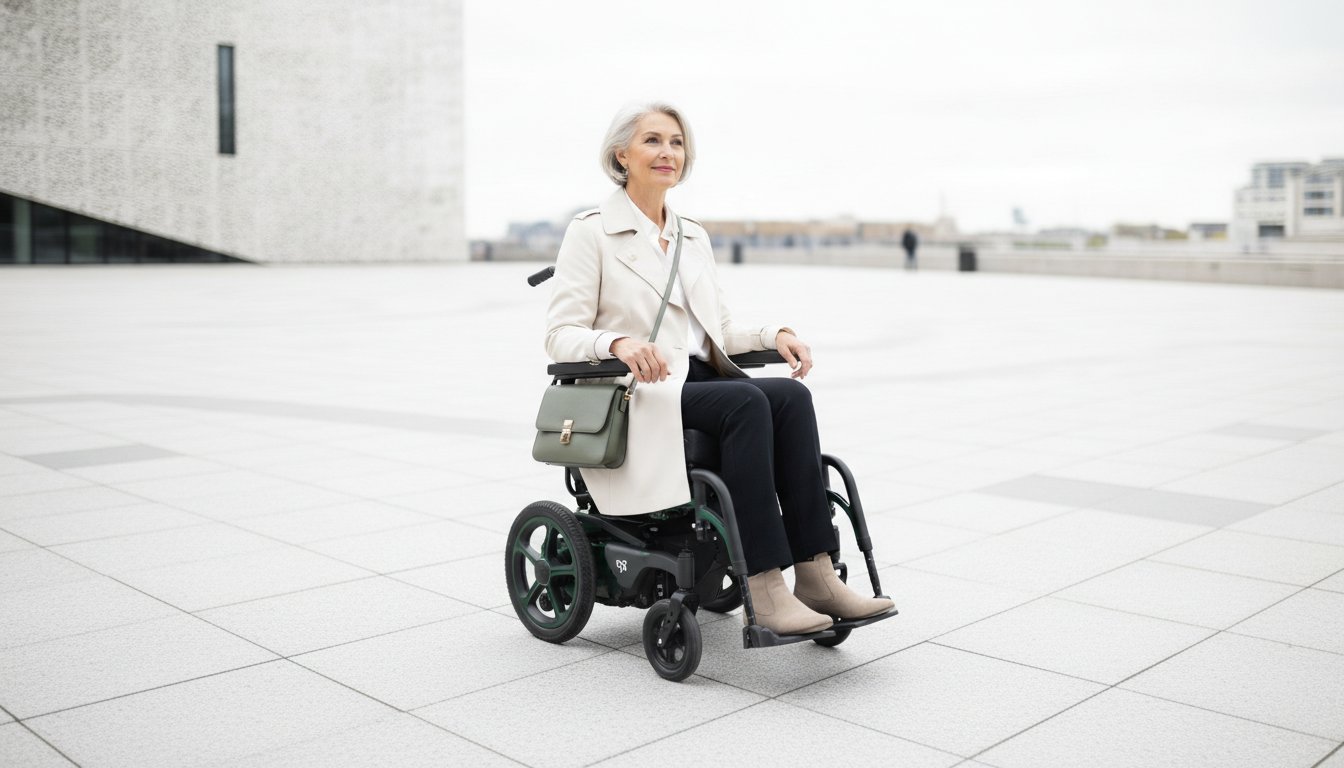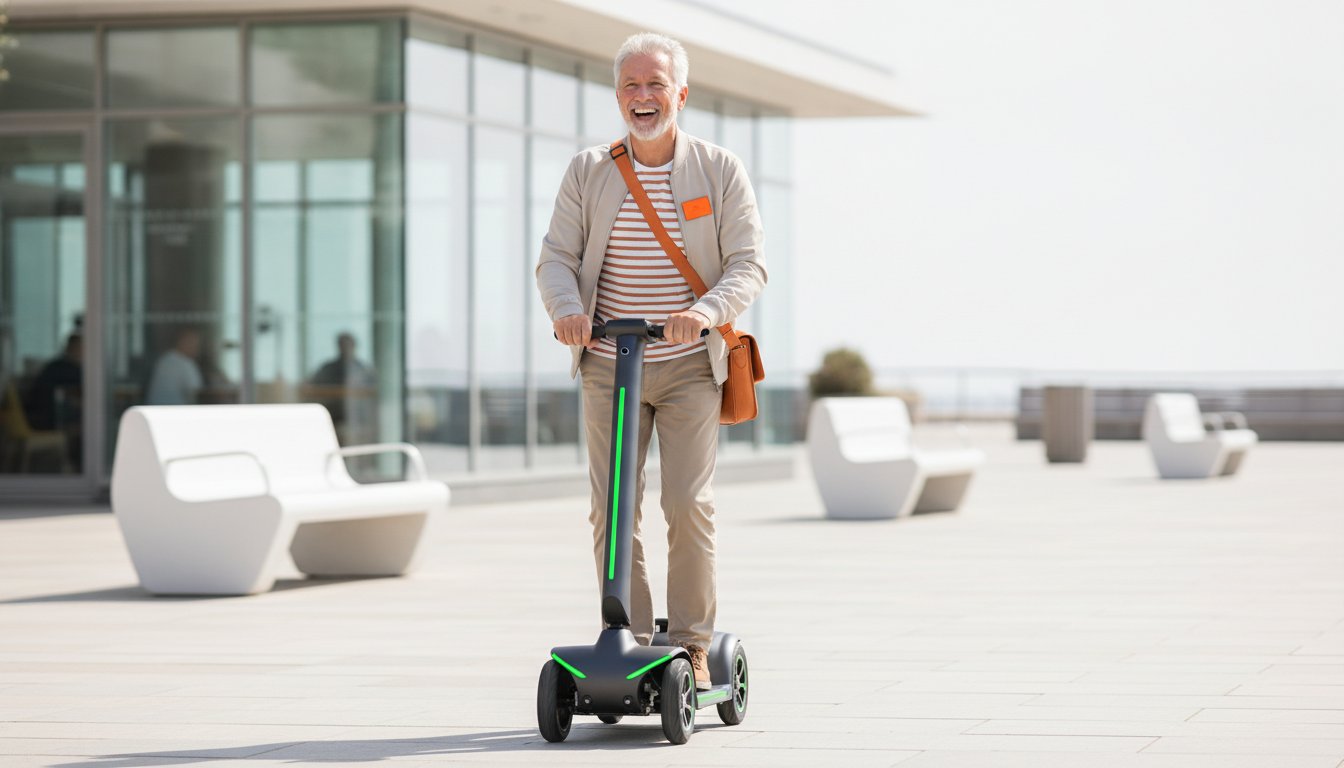

Pushing a manual wheelchair shouldn't be a daily test of physical endurance that leaves you feeling drained and aching. You likely started this journey seeking independence for your loved one, but you've quickly realised that your own physical health is just as essential to the equation. Choosing an electric wheelchair with attendant controls changes the narrative entirely, turning a strenuous task into a smooth, collaborative partnership. It's about more than just moving from A to B; it's about reclaiming the joy of a high street stroll without the anxiety of losing control in a crowd or struggling with steep pavement inclines.
We understand that technical jargon like "joystick override" can feel overwhelming, especially with the UK government currently modernising mobility laws in 2026. This guide simplifies the complex stuff, showing you how to move beyond the old NHS voucher system to make the most of your Personal Wheelchair Budget (PWB). You'll discover how to secure 0% VAT relief and select a UK-spec model that balances robust power with the lightweight portability needed for a standard car boot. We're here to help you find the perfect balance of safety, comfort, and freedom for both you and your passenger.
Key Takeaways
- Understand how an electric wheelchair with attendant controls replaces physical exertion with precision steering, protecting carers from long-term fatigue and back strain.
- Learn why 250W dual motors are the UK standard for maintaining stability and reliable control when navigating crowded high streets or uneven pavements.
- Discover how to balance the need for a lightweight folding frame that fits in a car boot with the motor power required for smooth, attendant-led navigation.
- Gain practical advice on mastering carer ergonomics, including handle height adjustments and understanding the slight 'lag' in power delivery for safer stops.
- Explore how the latest Freedom Pro and Elite series models integrate advanced safety features to meet 2026 UK standards for collaborative mobility.
What is an Electric Wheelchair with Attendant Controls?
An electric wheelchair with attendant controls is a sophisticated evolution of the traditional power chair. It features a secondary joystick or control panel mounted on the rear handles, allowing a carer to take full command of the vehicle's direction and speed. This setup transforms an electric wheelchair from a solo-operated device into a collaborative tool. In the UK, this technology is becoming the standard for managing long-term conditions like Parkinson's or Motor Neurone Disease. It addresses a critical pain point: the physical exhaustion of the carer. By using the chair's own battery power to navigate, the attendant avoids the back strain and fatigue associated with pushing a manual chair over long distances or up inclines.
The UK market is shifting rapidly toward these models as we better understand the needs of an ageing population. For many families, the transition to a power chair can feel daunting if the user is worried about steering in tight spaces or busy high streets. Attendant controls remove that anxiety. They provide a safety net, ensuring that even if the user becomes tired or overwhelmed, the carer can step in and navigate safely. This dual-purpose design is particularly effective for neuro-disability support, where physical or cognitive abilities might fluctuate throughout the day.
How Attendant Control Systems Function
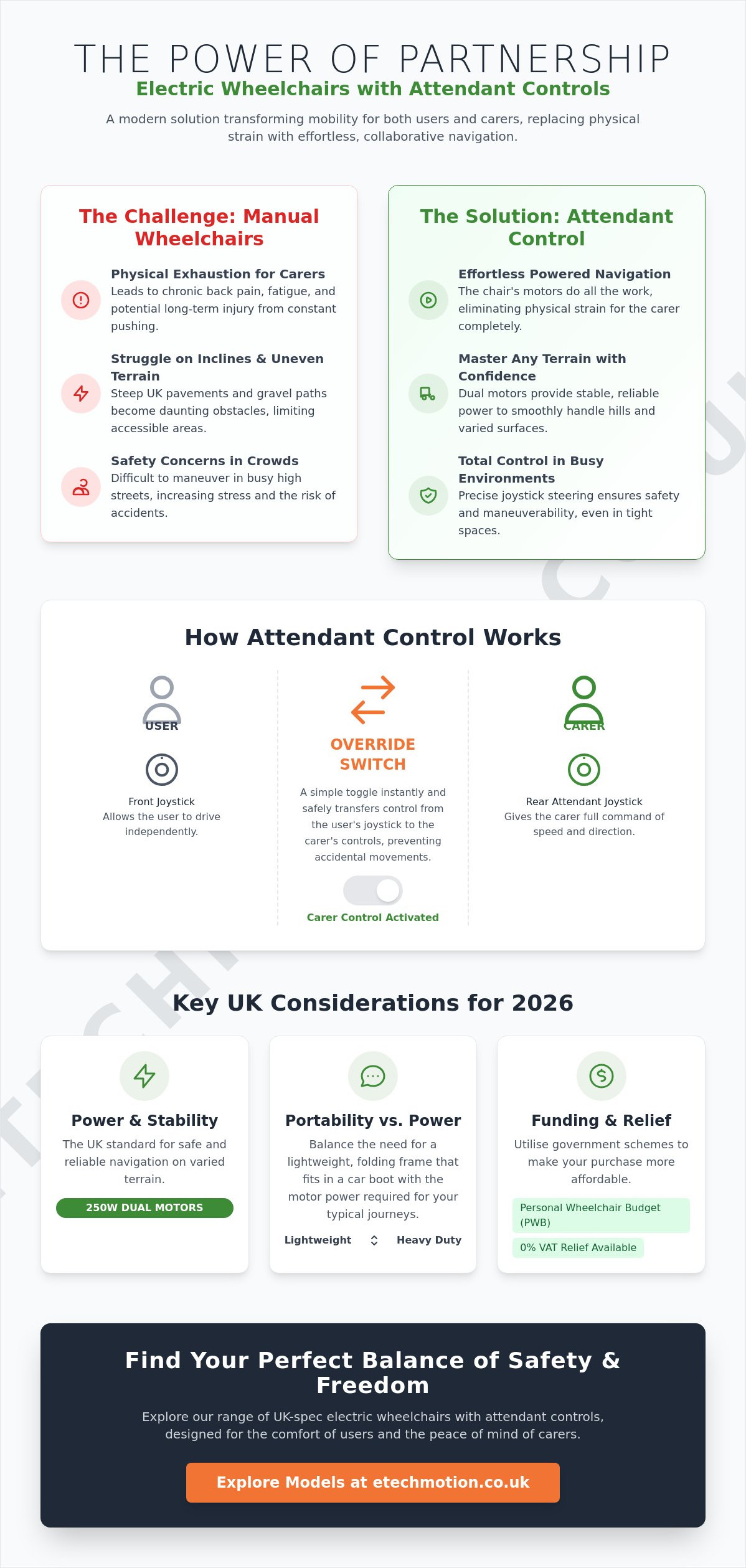
At the heart of every electric wheelchair with attendant controls is the override mechanism. When the carer activates the rear joystick, the system prioritises their input over the user's front-mounted control. This prevents accidental movements if the user bumps their joystick in a crowded space. Most high-quality UK models utilise proportional control. If you push the stick slightly, the chair crawls; a firmer push increases the speed. You'll generally choose between wired systems, which offer maximum reliability, and wireless Bluetooth remotes that provide the carer with more freedom of movement around the chair.
Dual Control vs. Attendant-Only Models
Understanding the difference between these two configurations is essential for your 2026 purchase. Dual control models offer the best of both worlds. The user maintains their independence with a front joystick, but the carer can step in whenever needed. This is ideal for users who experience fatigue. Attendant-only models, however, remove the front joystick entirely. These are specifically designed for individuals who cannot safely navigate themselves. Switching between these modes on modern chairs is usually a matter of flicking a single toggle switch. This ensures that the transition from user-led to carer-led movement is seamless, maintaining safety at all times.
Key Benefits for Carers and Users in 2026
Investing in an electric wheelchair with attendant controls is not just a purchase for the user; it's a vital support system for the carer. Pushing a manual chair is exhausting. It often leads to chronic back pain and long-term fatigue, especially when navigating the steep hills or uneven terrains common across the UK. By switching to a powered system, the carer's physical workload drops to nearly zero. This shift prevents injuries and ensures the person providing care remains healthy and energised enough to enjoy the day alongside their loved one.
Safety in busy environments is another major advantage. UK high streets and shopping centres present unique challenges, from narrow aisles to sudden crowds. An electric wheelchair with attendant controls allows the carer to take over in these high-traffic zones. This oversight ensures the user isn't accidentally bumped or steered into a hazardous road crossing. Before making a final choice, it's often helpful to speak with your local wheelchair service for a clinical assessment to ensure the chair meets specific mobility requirements.
Dignity and social inclusion are the ultimate rewards of this technology. Users can sit comfortably in a high-spec chair while the carer manages tricky kerbs or gravel paths that would otherwise be impassable. This turns a stressful outing into a shared adventure. To see how these features improve daily life, you can explore our guide to selecting the right model for your family's specific needs.
Safety Features Every UK Carer Should Look For
Safety is paramount when another person is controlling the movement. Look for these essential features:
- Electromagnetic braking: This ensures the chair stops instantly the moment the carer releases the joystick, providing a fail-safe against slips.
- Anti-tip wheels: These are critical for navigating the high kerbs and uneven pavements found in many British towns.
- Speed limiters: This allows you to cap the chair's pace to match a comfortable walking speed, preventing it from moving too fast on downhill stretches.
The Psychological Impact of Controlled Independence
The mental benefit for the user is significant. For those with visual impairments or early-stage dementia, the fear of losing control of a power chair can be a major barrier to going out. The presence of a rear control system acts as a safety net, reducing control anxiety and building the user's confidence. They know they can drive when they feel capable, but help is always at hand. Collaborative mobility is the balance between user agency and carer safety. This sense of security often leads to a more active lifestyle and improved mental well-being for the entire household.
Choosing the Right Model: Folding vs. Heavy Duty
Selecting the right frame type is a balancing act between your travel habits and the physical needs of the user. While some brands focus solely on the absolute lightest models, it's vital to remember that an electric wheelchair with attendant controls requires sufficient weight distribution to remain stable. If a frame is too light, the carer might feel the chair "twitch" or lift slightly when navigating steep UK kerbs. You need a model that feels planted on the ground while still being manageable for transport in a standard family car.
According to the official FDA definition of a powered wheelchair, these devices are specifically intended for medical purposes to provide mobility. To ensure this mobility is reliable for both parties, look for 250W dual motors. This is the gold standard for UK carers because it provides enough torque to handle grass, gravel, and those inevitable British hills without the motors straining. When calculating battery range, don't just look at the flat-surface estimate. Consider that a chair carrying a passenger and being steered from the rear often consumes more power on inclines. A 12 to 15-mile range is a safe benchmark for a full day out in a city like Edinburgh or Bath.
Folding Power Chairs with Carer Joysticks
A folding electric wheelchair is the ultimate solution for families who frequently travel. The key is finding a "boot-ready" design where the rear control hardware doesn't need to be detached every time you fold the frame. Most modern UK hatchbacks can accommodate these chairs once folded. If you plan on flying from Heathrow or Gatwick, ensure the lithium-ion batteries are IATA compliant. Many of our models feature an "instant split" design, allowing the chair to be separated into two lighter sections, making it much easier for a carer to lift into a car boot without assistance.
Heavy Duty Options for All-Terrain Use
For users requiring a higher weight capacity, a heavy duty electric wheelchair is the safer choice. These reinforced frames typically support up to 25 stone (160kg) and provide the stability an attendant needs when navigating off-road paths. Rear-wheel suspension is a non-negotiable feature here. It absorbs the shock from uneven cobbles or park trails, preventing those vibrations from travelling up the handles to the carer's wrists. The wider seating and sturdier wheelbase ensure that the electric wheelchair with attendant controls remains easy to steer, even when the terrain becomes challenging.
Practical Guidance: Maneuvering and Carer Ergonomics
Operating an electric wheelchair with attendant controls is a skill that combines technical understanding with physical awareness. One of the most overlooked aspects of mobility is the ergonomics for the person behind the chair. If the handle height is too low, the carer is forced to stoop, leading to significant lower back strain over a long afternoon. High-quality UK models feature adjustable handle heights, ensuring the carer can maintain an upright, neutral posture while steering. This small adjustment makes the difference between an exhausting chore and an effortless walk in the park.
Precision is key when navigating tight UK spaces like narrow shop aisles or public lifts. You'll likely notice a slight "lag" in power delivery when you first move the rear joystick. This is a deliberate safety feature designed to prevent sudden, jerky movements that could unsettle the passenger. Mastering this timing allows for smoother stops and starts. To ensure this responsiveness lasts, keep the attendant control cables and connectors free from road grit and moisture. A quick wipe down after a damp British autumn walk prevents debris from interfering with the electrical signals, protecting your equipment for the long term.
Step-by-Step: Taking Control from the User
Transitioning from user-led to carer-led movement should always start with clear communication. Give your passenger a verbal cue before you flick the toggle switch to avoid surprising them with a sudden change in control. Most systems use a simple toggle interface that transfers authority to the rear joystick seamlessly. In an emergency, remember that the power button is usually accessible on both the user's front joystick and your rear interface. Knowing the location of both ensures you can cut power instantly if a hazard appears.
Navigating UK Terrains
British pavements often present unique challenges, such as cambered surfaces that slope toward the road. When steering an electric wheelchair with attendant controls on a slope, you'll need to apply a slight, consistent pressure on the joystick against the incline to keep the chair travelling in a straight line. When approaching dropped kerbs, always aim for a head-on angle. This prevents the chair from tilting sideways and ensures a smooth transition for the user. Inside cafes or small shops, use tiny, incremental joystick movements. This provides the high level of precision needed to navigate around furniture without bumping into displays.
To find a model that balances these technical features with everyday comfort, you can view our full range of electric wheelchairs designed for UK carers.
Etech Motion: Specialist Solutions for UK Carers
Etech Motion stands at the forefront of the green transport revolution in Britain. We don't just sell products; we provide a bridge to a more active and inclusive lifestyle. Our carefully curated electric wheelchair selection prioritises the specific needs of UK families. We focus on models that meet rigorous safety standards while ensuring the carer's experience is as effortless as the passenger's. This commitment is visible in our flagship Freedom Pro and Elite series. These models feature integrated attendant controls as standard, designed to handle the unique challenges of the British commute.
Navigating the financial side of mobility shouldn't be a source of stress. We help our customers understand their eligibility for VAT relief, which provides a 20% saving on their investment for those with long-term disabilities or chronic illnesses. This isn't a simple discount but a complete exemption that makes high-end technology much more accessible. We also support customers using their Personal Wheelchair Budget (PWB). We ensure the contribution from the NHS goes toward a chair that truly fits your personal lifestyle. With sale prices for our electric wheelchair with attendant controls starting at £874.99 as of May 2026, we offer high-spec solutions that remain accessible.
Why Choose Etech Motion?
We're a homegrown UK business with our expertise rooted in Birmingham. When you call us, you speak to a knowledgeable enthusiast who understands the mechanics of brushless motors as well as they understand the challenges of your daily routine. Every electric wheelchair with attendant controls undergoes rigorous quality assurance testing before it leaves our warehouse. We check every cable, connector, and joystick response to ensure it's ready for the pavement. Our "Motion for All" philosophy drives us to find sustainable, eco-friendly solutions that empower our community to move forward with confidence.
Next Steps for Your Mobility Journey
Choosing a chair is a significant decision, and we're here to guide you through every stage. You can book a consultation or request a detailed product video to see exactly how the folding mechanism or the attendant joystick functions in real-world conditions. Once you've made your choice, our 12-month warranty and dedicated aftercare programme provide long-term peace of mind. We offer fast, free UK mainland shipping and a 14-day return policy to ensure you're completely satisfied with your new equipment.
Explore our range of electric wheelchairs with attendant controls today.
Ready to Transform Your Daily Journeys?
Choosing an electric wheelchair with attendant controls is a decision that prioritises the well-being of both the passenger and the carer. By moving away from the physical strain of manual pushing, you're opening the door to longer adventures and safer outings in busy UK environments. Whether you need a compact folding frame for the car boot or a robust heavy-duty model for park trails, the right technology ensures your mobility is never limited by terrain or fatigue. Our Birmingham-based team provides expert technical support to ensure your chair remains in peak condition. We've simplified the process with free national delivery on all power chairs and clear guidance on securing VAT relief for eligible users.
It's time to reclaim your freedom and enjoy every journey together. Browse our specialist range of electric wheelchairs with carer controls and discover the perfect partner for your lifestyle. We're committed to helping you move forward into a smarter, electric-powered world with confidence and joy.
Frequently Asked Questions
Can I add attendant controls to an existing electric wheelchair?
Yes, it's often possible to retrofit an attendant control kit to your current power chair if the electronics are compatible. Most modern wheelchairs use standard R-Net or VR2 systems that support a secondary joystick. However, it's usually more reliable to purchase a model with factory-fitted controls. This ensures all wiring is professionally integrated and tested for maximum safety during operation.
Is an electric wheelchair with attendant controls heavier than a standard one?
The weight difference is negligible, typically adding less than 1kg to the chair's total weight. The system consists of a small secondary joystick and a lightweight mounting bracket. This ensures that even a folding model remains portable enough to lift into a car boot. You won't notice a difference in the chair's overall agility or your ability to transport it across the UK.
How do I claim VAT relief on a carer-controlled wheelchair in the UK?
You claim VAT relief by completing a simple self-declaration form during the checkout process. If the user has a long-term illness or disability, they're eligible for 0% VAT on their mobility equipment. This isn't a refund you have to wait for; the 20% tax is removed instantly at the point of purchase. It's a straightforward way to make your mobility investment more affordable.
Does the attendant control joystick work at the same time as the user's?
No, the system uses an override logic to ensure there are no conflicting steering signals. When you activate the attendant control, the user's front joystick is usually disabled. This prevents accidental movements if the passenger bumps their control in a busy shop. You can easily switch back to user-control mode with a single button press once you're on a clear path.
What happens if the battery dies while using the attendant control?
If the battery runs out, the electromagnetic brakes will automatically engage to keep the chair stationary and safe. To move the electric wheelchair with attendant controls, the carer simply disengages the motors using the manual freewheel levers on the rear wheels. Once in freewheel mode, you can push the chair like a standard manual wheelchair until you reach a charging point.
Are these chairs suitable for use on UK public transport and aeroplanes?
Most folding models are fully compliant with UK bus, train, and airline regulations. For flights, you'll need IATA-approved lithium-ion batteries, which are standard on our travel-friendly models. We recommend checking with your specific airline 48 hours before travel. On public transport, these compact chairs fit within standard designated wheelchair spaces, making city travel much more accessible for everyone.
Can the attendant control be moved from the right to the left handle?
Yes, the mounting brackets for an electric wheelchair with attendant controls are designed for versatility. You can clamp the secondary joystick onto either the left or right push handle to suit your personal preference. This adjustment usually takes just a few minutes with a standard hex key. It's a helpful feature if different family members share the caregiving responsibilities.
What is the maximum weight capacity for a folding attendant-controlled chair?
Most folding models support a maximum user weight of up to 120kg, which is approximately 19 stone. If you require a higher capacity, our heavy-duty models support up to 160kg or 25 stone. Choosing a chair with a safety margin above the user's weight ensures the motors and brakes perform optimally on inclines. This provides a smoother and safer experience for both the passenger and the carer.