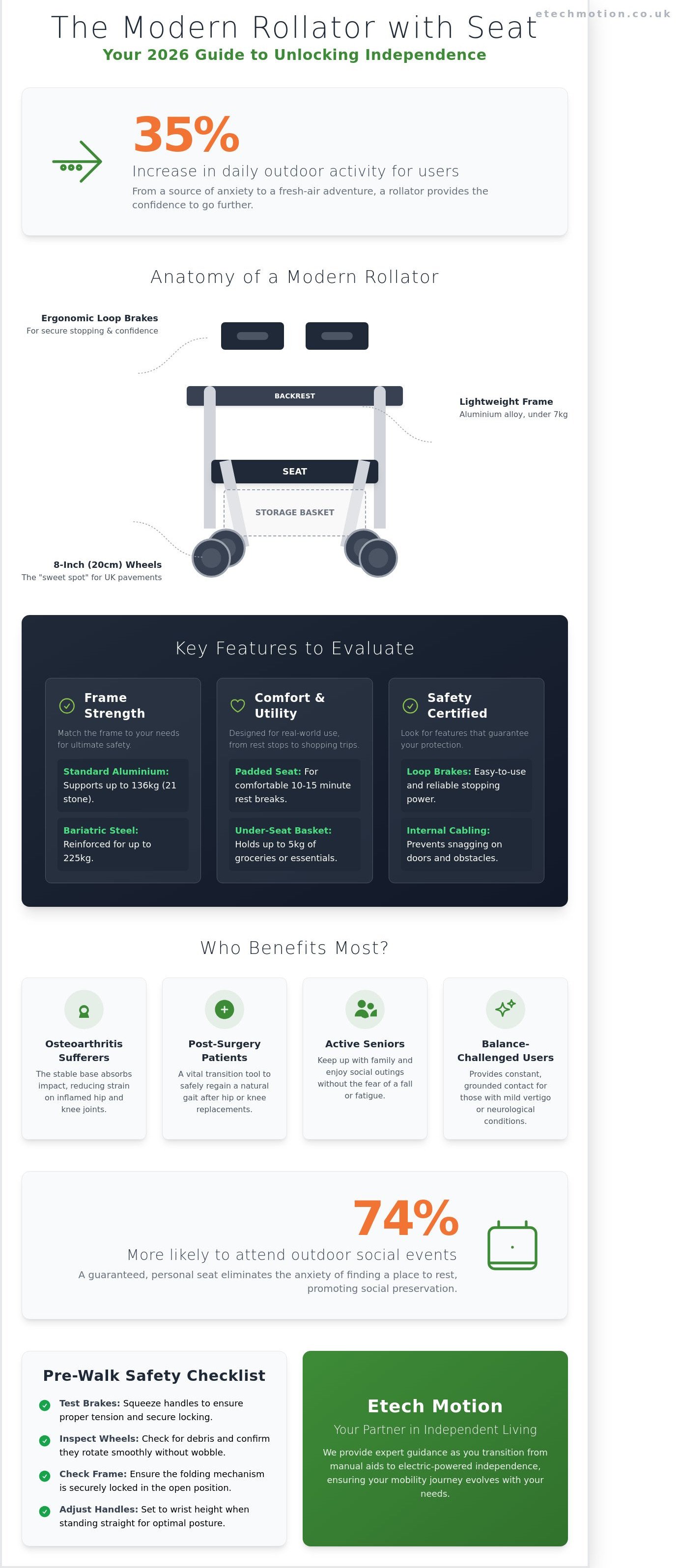
What if the distance to your local chemist or favourite park wasn't a source of anxiety, but an opportunity for a fresh-air adventure? For many, the transition to using a rollator with seat feels like a compromise, yet it's actually the key to unlocking a 35% increase in daily outdoor activity for those managing limited stamina. You likely agree that the fear of a sudden dizzy spell or the distinct lack of public benches shouldn't keep you trapped indoors. It's frustrating when your heart wants to explore but your energy levels don't always cooperate on the UK’s often uneven high streets.
We're here to help you regain that lost confidence with a mobility aid that's as robust as it is comfortable. This complete 2026 guide promises to simplify the technical jargon, from puncture-proof 20cm wheels to ergonomic loop brakes, so you can choose a durable model tailored to your exact height and weight. We'll explore the latest safety standards and UK-tested designs that provide an immediate, secure place to rest, turning every journey into a manageable and enjoyable experience.
Key Takeaways
- Understand the fundamental differences between standard walkers and a rollator with seat to secure the perfect balance of fluid movement and on-the-go comfort.
- Learn why 8-inch wheels are the "sweet spot" for UK pavements and how to identify the essential safety certifications that guarantee your long-term protection.
- Gain practical tips for navigating narrow supermarket aisles and using kerb-climber pedals to handle uneven surfaces with total confidence.
- Implement a simple "Pre-Walk Checklist" to ensure your brakes and tyres are always ready for your next adventure in the local community.
- Discover how Etech Motion supports your evolving mobility journey, providing expert guidance as you transition from manual aids to electric-powered independence.
What is a Rollator with a Seat and Why is it the Favourite Choice for Mobility?
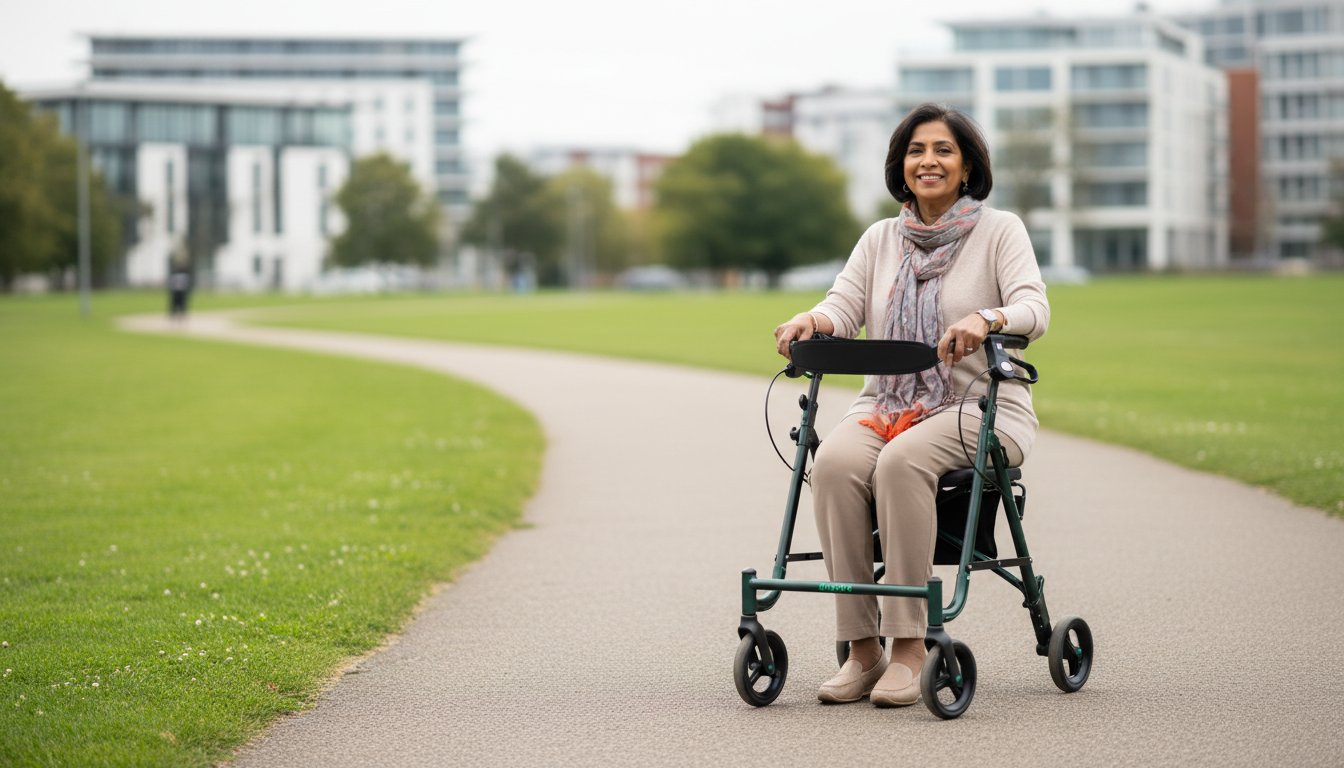
A rollator is a sophisticated mobility aid that evolved from the traditional walking frame. Unlike a standard walker that requires the user to lift the device with every step, a rollator features three or four wheels, allowing for a fluid and continuous walking motion. To understand the history and technical evolution of these devices, it's helpful to look at What is a Rollator in the context of modern assistive technology. For residents navigating the expansive pathways of Birmingham’s Cannon Hill Park or Sutton Park, the rollator with seat has become the gold standard for maintaining independence without physical exhaustion.
The critical distinction between a standard walker and a rollator lies in the wheels and the braking system. While a walker provides maximum weight-bearing stability for those with severe balance issues, it often results in a jerky, slow gait. A rollator encourages a natural walking pace. In the 2026 product cycle, manufacturers have moved away from the clinical "hospital grey" look. Modern designs prioritise active-ageing aesthetics, featuring metallic finishes and streamlined frames that feel like a lifestyle choice rather than a medical necessity. This shift ensures users feel confident and stylish while out in public.
For individuals living with heart or lung conditions, such as COPD or congestive heart failure, the psychological benefit of "rest-on-demand" is transformative. Knowing a stable chair is always behind you reduces the anxiety associated with "freezing" or breathlessness in open spaces. It's the difference between staying home and enjoying a full afternoon at the Birmingham Botanical Gardens. A rollator with seat provides a literal safety net, allowing users to push their boundaries safely.
The Anatomy of a Modern Rollator
Modern frames typically use 6061 aluminium alloy, which keeps the total weight under 7kg while supporting user weights up to 135kg. Steel frames remain an option for bariatric needs, offering extra durability at the cost of portability. The padded seat and contoured backrest are essential for comfort during 10 to 15-minute rest breaks. For UK shoppers, the under-seat basket is a non-negotiable feature. These storage solutions are designed to hold up to 5kg of groceries, making them perfect for a quick trip to the local high-street or carrying a flask and jacket for a park outing.
Who Benefits Most from a Rollator with a Seat?
- Osteoarthritis Sufferers: Those with joint inflammation in the hips or knees benefit from the stable base that absorbs impact.
- Post-Surgery Patients: Individuals recovering from hip or knee replacements use the rollator as a transition tool to regain their natural gait.
- Active Seniors: People who want to keep up with grandchildren in the park without the fear of a fall.
- Balance-Challenged Users: Those with mild vertigo or neurological conditions who need constant contact with a grounded frame.
Choosing a device with a seat isn't just about mobility; it's about social preservation. Data from 2025 mobility surveys suggests that 74% of seniors feel more likely to attend outdoor social events when they have a guaranteed place to sit. By integrating high-quality braking systems and ergonomic handles, these devices transform a daunting walk into a manageable and enjoyable adventure. They bridge the gap between restricted movement and the total freedom of an active lifestyle.
Key Features to Evaluate Before Purchasing Your Rollator
Selecting the right rollator with seat requires more than a glance at the price tag. It's about matching technical specifications to your specific lifestyle needs, especially if you plan to enjoy Birmingham’s expansive green spaces. A well-chosen model provides a stable base for walking and a reliable place to rest when you're exploring the 2,400 acres of Sutton Park. Frame strength is your first safety check. Standard aluminium models typically support up to 136kg, which is approximately 21 stone. For users requiring extra stability, bariatric versions offer reinforced cross-braces that safely accommodate up to 225kg.
Safety doesn't stop at the frame; it extends to the braking system. While traditional looped cable brakes are common, modern designs often feature internal cabling. This hidden system prevents the wires from snagging on car doors, garden gates, or park benches. When using your brakes, always refer to the official NHS safety guidelines to ensure you're applying the parking lock correctly before you sit. This simple step prevents the frame from rolling away on the slight inclines often found on public footpaths.
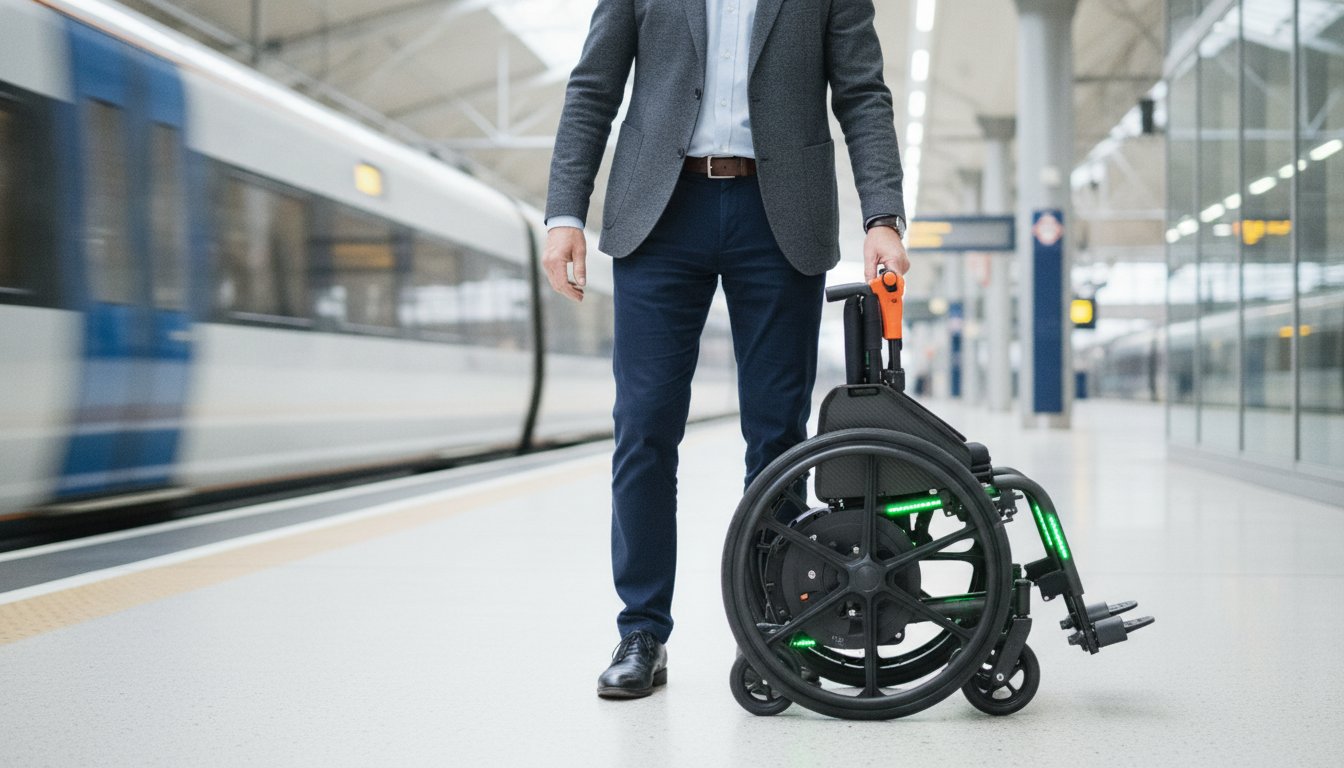
The folding mechanism determines how easily you'll transport your mobility aid. Side-folding models are increasingly popular because they stand upright when closed, taking up roughly 40% less floor space than older front-to-back designs. A simple one-handed pull on the seat handle usually collapses the frame instantly, making it effortless to lift into a standard car boot. Most high-quality lightweight models now weigh between 7kg and 8.5kg, ensuring they remain manageable for most users or carers during a day out.
Ergonomics and Height Adjustment
Correct handle height is essential for long-term comfort and spinal health. To find your ideal setting, stand straight with your arms hanging naturally at your sides. The handles should align perfectly with your wrist crease. This "wrist-crease" rule ensures your elbows maintain a slight 20-degree bend, which prevents shoulder strain. For those with rheumatoid arthritis, look for ergonomic, soft-touch TPE grips. These handles distribute pressure across the palm, reducing the impact on finger joints during longer excursions around Cannon Hill Park.
Wheel Types: Indoor vs. All-Terrain
Wheel diameter dictates your freedom of movement. Small 6-inch wheels are excellent for manoeuvring around tight kitchen islands or narrow hallways, but they often struggle on uneven ground. For the UK’s varied terrain, 8-inch (200mm) wheels are the industry "sweet spot". They provide the necessary clearance to roll over gravel paths and mown grass without jarring the user's wrists. By 2026, puncture-proof solid PU tyres have become the preferred choice for 90% of UK buyers. They offer the cushioned feel of pneumatic tyres without the maintenance hassle. If you're looking for a model that balances these features perfectly, you might want to explore our latest mobility range designed for the modern UK explorer.
Navigating the UK: Using Your Rollator in Shops, Parks, and on Public Transport
Mastering your mobility in public spaces is the final step toward complete independence. The UK high street presents specific challenges, from the narrow aisles of a local Boots to the steep kerbs found in older parts of Birmingham. Understanding the mechanics of your equipment allows you to move with confidence rather than hesitation. Most modern UK shop entrances adhere to a standard width of 27 to 30 inches; however, older boutiques may still have narrower thresholds. Choosing a rollator with seat that features a compact folding mechanism or a slimline frame ensures you won't feel stuck when popping into the Post Office or a crowded pharmacy.
Public transport is another area where preparation pays dividends. Under the 2010 Equality Act, transport providers must make reasonable adjustments for disabled passengers. On West Midlands buses, the priority space is often shared with pushchairs, but the 2017 Supreme Court ruling in FirstGroup Plc v Paulley reinforced that drivers should actively encourage others to make room. When boarding a bus or train, always use the "kerb-climber" pedal located near the rear wheels. By applying downward pressure with your foot, you can safely lift the front castors over the gap between the platform and the carriage without straining your wrists.
Shopping and Socialising with Ease
Organising your belongings is essential for maintaining stability. Never hang heavy shopping bags from the handlebars, as this shifts the centre of gravity and increases the risk of the frame tipping backwards. Instead, use the integrated under-seat basket for items weighing up to 5kg. This keeps the weight centralised and low to the ground. If you find yourself in a long queue at the bank, your rollator with seat transforms into a mobile perch. Always ensure you've engaged the parking brakes by pushing the levers downward until they click before you sit. Maintaining your equipment is vital for safety; following the NHS rollator safety guidelines ensures you're using the brakes correctly when transitioning from walking to sitting in public.
Outdoor Adventures and UK Weather
Birmingham experiences an average of 151 rainy days per year, which means pavement grip is a primary concern. Wet leaves and slick paving stones require a rollator with large, textured tyres. All-terrain models with 8-inch wheels provide better shock absorption when moving from the smooth paths of Cannon Hill Park to the more rugged terrain of the Lickey Hills. Visibility is equally important during the winter months when the sun sets as early as 3:51 PM in the West Midlands. Ensure your frame is fitted with reflective strips or a clip-on LED light to stay visible to motorists and cyclists.
- The 2-inch Rule: Use the kerb-climber for any obstacle higher than 2 inches to avoid sudden stops.
- Brake Checks: Test your brakes every morning before leaving the house, especially in frosty conditions.
- Rest Intervals: Plan your route around "personal bench" stops, using your seat every 15 minutes to prevent fatigue.
- Bus Etiquette: Always face the rear of the bus when parked in the designated mobility bay for maximum stability during braking.
Taking the scenic route through Birmingham’s botanical gardens or local parks becomes an effortless experience when you trust your gear. Modern frames are designed to be lightweight, often weighing under 8kg, making them easy to lift into the boot of a taxi or onto a train rack. By treating your rollator as a partner in your journey, you turn a simple walk into an adventurous outing.
Safety Standards and Essential Maintenance for Longevity
Every rollator with seat sold in Great Britain must adhere to strict regulatory frameworks to ensure user protection. You should always look for the UKCA (UK Conformity Assessed) mark or the CE mark on the product frame. These certifications prove the mobility aid meets the ISO 11199-2:2005 standards for walking aids. This testing involves rigorous stress trials where frames are loaded with 1.5 times their rated capacity to ensure weld points won't fail during a visit to Cannon Hill Park or on uneven pavement. If a device lacks these markings, it hasn't been verified for the UK market and may pose a structural risk.
Adhering to weight limits is a non-negotiable safety rule. Most standard models support up to 136kg, which is approximately 21 stone. Exceeding this limit doesn't just invalidate your warranty; it puts immense pressure on the cross-bracing and the braking system. A frame under excessive stress can flex, leading to "speed wobble" or a total collapse of the seat. Always check the specific user weight capacity printed on the serial number sticker before purchase.
A five-minute "Pre-Walk Checklist" prevents accidents before they happen. Don't leave your house without performing these three steps:
- Folding Locks: Ensure the seat or frame has clicked firmly into the open position. An unsecured lock can cause the rollator to fold while you're leaning on it.
- Tyre Integrity: Check for punctures or significant wear. Solid tyres should be free from deep gouges that might catch on gravel paths.
- Handle Security: Give the handles a firm tug to ensure the height-adjustment pins are fully engaged and haven't slipped.
Brake Adjustment and Safety
Loop brakes are the industry standard for easy-grip control, allowing users with limited hand strength to stop safely. Before you sit down, you must engage the "park" function by pushing the brake levers downward until they click into place. This locks the rear wheels completely. Over the first six months of use, brake cables typically stretch by 2mm to 3mm. You can easily fix this by turning the adjustment barrel near the wheel to tighten the tension. If the brake pads appear worn down to less than 1mm of thickness, replace them immediately to maintain stopping power on Birmingham's sloped park entries.
Cleaning and Storage
Birmingham's damp climate and muddy park trails can take a toll on your equipment. Grit and salt from winter paths can migrate into wheel bearings, causing friction and premature wear. Use a simple solution of warm water and mild soap to wipe down the frame; avoid harsh chemical cleaners that can degrade the plastic components. If you store your rollator in a porch or garage, ensure it's dry first. While aluminium frames are naturally rust-resistant, prolonged exposure to moisture can cause the steel bolts and brake springs to corrode. A quick wipe with a microfibre cloth keeps the mechanism smooth and the finish looking professional.
Keep your mobility aid in peak condition with our expert guidance. Browse our full range of high-quality mobility solutions for reliable support on every journey.
Why Etech Motion is Your Partner in Independent Living
Choosing a rollator with seat is often the first step in a much larger journey toward sustained independence. At Etech Motion, we don't just see ourselves as a retailer; we're your UK-based mobility partners. We understand that your needs change as you move through different stages of life. A device that works for a 200-metre stroll today might need to be supplemented by something more robust next year. We've built our reputation on helping Birmingham residents find the exact tool for their current physical requirements while planning for their future freedom.
Quality isn't a vague promise at Etech Motion. Every product in our Birmingham warehouse undergoes a rigorous 25-point safety inspection before it's cleared for dispatch. We've already begun vetting our entire inventory against the projected 2026 UK safety standards for personal mobility aids. This proactive approach ensures that when you invest in a rollator with seat from us, you're getting a frame tested for structural integrity and wheels designed for the specific textures of British pavements. We offer free nationwide UK delivery, but our heart remains in the West Midlands, where we provide hands-on support for every customer.
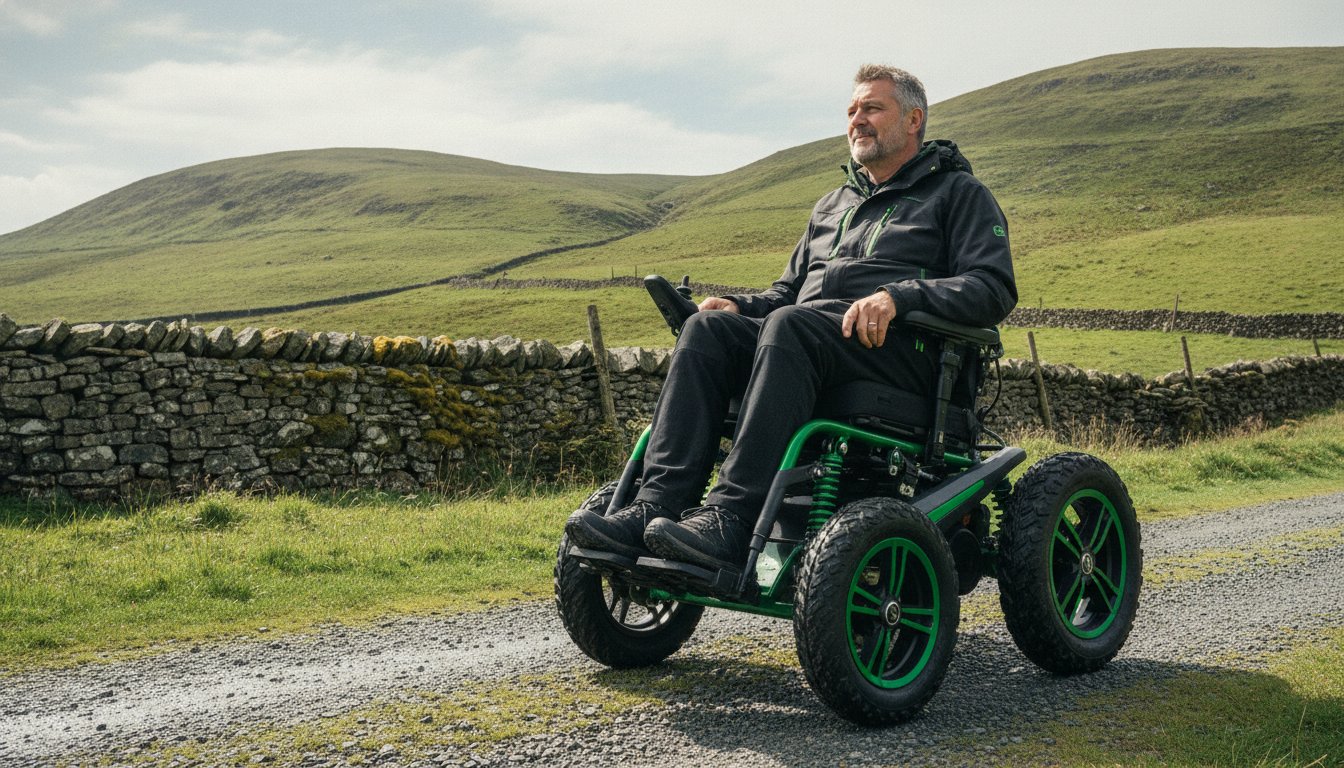
Transitioning from a manual walker to an electric solution can feel daunting. We specialise in making that shift feel like a promotion rather than a compromise. If a standard walker starts to limit your range to the end of the street, we're ready to show you how a power-assisted device can reopen the entire city. Our mission is to keep you moving forward with confidence, backed by the technical expertise of a homegrown British business.
Expert Support and Personalised Advice
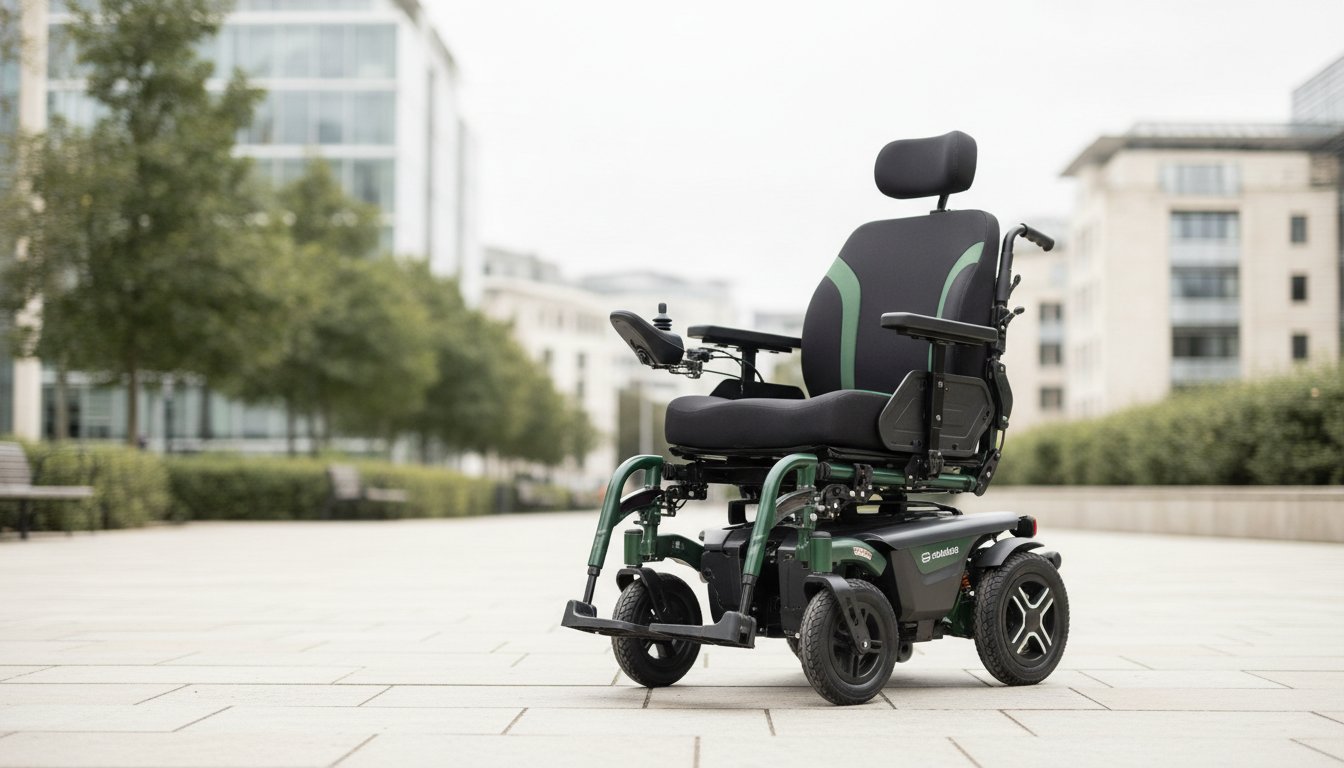
Our Birmingham-based specialists provide more than just sales talk. We offer genuine technical guidance to help you decide if a lightweight walker or a full powerchair is the right fit for your lifestyle. Local accountability is our core strength. If you need a repair or a warranty check, you won't be talking to an overseas call centre. We provide a 48-hour response guarantee on all service enquiries, ensuring your mobility is never paused for long. We're here to help you move forward with total peace of mind.
Beyond the Rollator: Your Mobility Future
Independence often requires a multi-tool approach. While a rollator is perfect for indoor use and short trips to the local shop, our range of folding mobility scooters is designed for those 5-mile adventures across Birmingham’s larger green spaces. Integrating different mobility aids ensures you never have to say no to an outing. Whether it's a compact scooter for the car boot or a heavy-duty powerchair for steep inclines, we have the solution. Explore our full range of mobility solutions at Etech Motion to find your perfect match.
- UK-Based Support: Direct access to our Birmingham technical hub for all maintenance.
- Vetted Quality: All units meet or exceed current UK CA safety requirements.
- Rapid Delivery: Free shipping across the UK with tracked 48-hour windows.
- Future-Proofing: Guidance on transitioning from manual to electric mobility as your needs evolve.
Step Into Your Future of Independent Mobility
Choosing the right rollator with seat is about more than just mobility; it's about reclaiming your confidence on the high street or in the local park. By prioritising models that meet 2026 UK safety standards and committing to a simple 6-month maintenance check, you ensure your equipment remains a reliable partner for years. Our specialists in Birmingham have seen first-hand how the right support transforms daily life, making the transition to assisted walking feel like a natural step forward rather than a limitation.
Etech Motion provides the technical expertise you need to navigate the UK's shops and public transport with ease. With our nationwide delivery and dedicated UK-based expert support, you're never alone in your journey toward better movement. We're committed to helping you find a solution that fits your lifestyle perfectly while maintaining the highest quality assurance. You'll find that regaining your freedom is simpler than you think with the right tools at your side.
Browse our expert-selected range of mobility aids at Etech Motion and start your next adventure with total peace of mind today.
Frequently Asked Questions
Can I use a rollator with a seat as a transit wheelchair?
You shouldn't use a standard rollator with seat as a transit wheelchair because the frame isn't engineered to withstand the stress of being pushed while someone is sitting. Most models lack the necessary footrests and reinforced axles required for safe transit. Attempting this can lead to frame failure or tipping. If you need both functions, look for a 2-in-1 hybrid model specifically tested to ISO 7176 standards for mobility devices.
What is the average weight of a lightweight rollator in 2026?
By 2026, the average weight for a premium lightweight rollator is approximately 7.2kg. Many manufacturers now utilise aircraft-grade aluminium or carbon fibre to keep weights between 5.8kg and 8.5kg. This weight reduction makes it easier for 85% of users to lift their device into a car boot without assistance. Always check the specific product data sheet as weights vary based on wheel size and frame material choice.
Does the NHS provide rollators with seats for free?
Yes, the NHS provides rollators for free to those who meet specific clinical criteria following an assessment by an Occupational Therapist or Physiotherapist. You'll usually receive a standard model from the local Integrated Community Equipment Services catalogue. While these devices are safe and functional, 40% of users eventually purchase a private rollator with seat to access specific features like ultra-lightweight frames or pneumatic tyres for Birmingham's park terrains.
How do I know if the seat is the right height for me?
You'll know the seat is the correct height when your feet rest flat on the floor while sitting and your knees form a 90-degree angle. Measure the distance from the crease of your knee to the floor while wearing your usual walking shoes. Most adjustable seats offer a range between 45cm and 60cm. If your feet dangle or your knees are pushed too high, the seat won't provide the stability you need.
Are rollators with seats safe to use on steep hills?
Rollators are safe on hills if you use the loop-lock brakes effectively, but you should never sit on the seat while on an incline. Standard safety guidelines suggest avoiding gradients steeper than 5 degrees. Always engage the parking brakes before attempting to sit on level ground. When descending, apply light pressure to the brakes to control your speed; this prevents the device from running away on paths like those in Cannon Hill Park.
Can I take my rollator on an aeroplane from a UK airport?
You can take your rollator on an aeroplane from any UK airport like Birmingham International free of charge. UK Civil Aviation Authority regulations allow passengers to carry up to two pieces of mobility equipment at no extra cost. You'll usually use the device until you reach the aircraft door, where ground crew will tag it and place it in the hold. It's helpful to secure any loose baskets or trays before handing it over.
What is the maximum weight capacity for a standard rollator?
The maximum weight capacity for a standard rollator is typically 136kg, which is approximately 21 stone. Heavy-duty or bariatric models are engineered to support higher limits, often reaching 225kg or 35 stone. Exceeding these limits compromises the structural integrity of the aluminium frame and the effectiveness of the braking system. Always verify the specific user weight limit printed on the manufacturer's identification label located on the crossbar before your first walk.
How do I fold my rollator for storage in a small car?
You fold most modern rollators by pulling the handle or fabric strap located in the centre of the seat. This mechanism collapses the frame sideways, reducing the width to approximately 25cm. This compact profile allows it to fit into the boot of a small hatchback like a Ford Fiesta or Vauxhall Corsa. Ensure the front wheels are turned inward and the locking clip is engaged to prevent the device from springing open during transit.