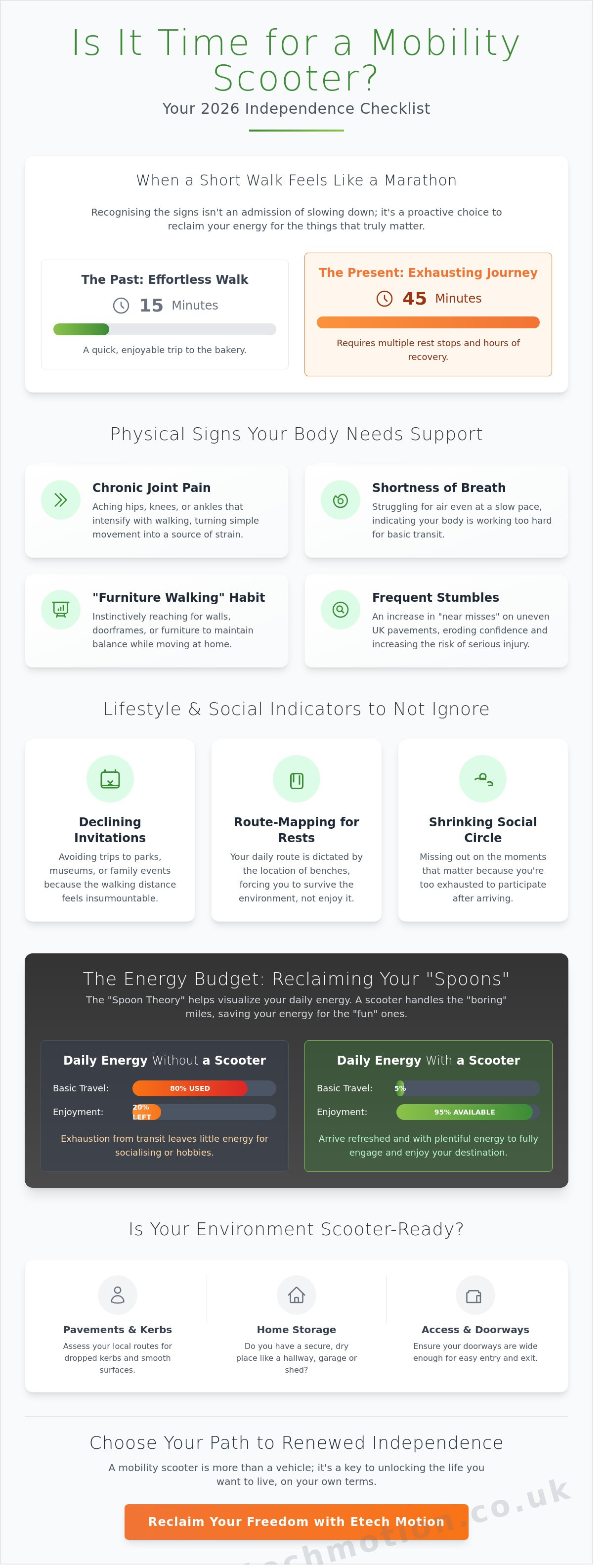
Last Tuesday, Margaret discovered that her favourite 15 minute walk to the local village bakery now takes nearly 45 minutes and requires three separate rest breaks. It is incredibly disheartening when your physical world starts to feel smaller, and the persistent anxiety of a stumble in public makes you decline invitations you used to love. You aren't alone in feeling that deep exhaustion after a simple trip to the shops or the frustration of missing out on family milestones because the distance feels too daunting. Recognising the early signs you need a mobility scooter is not an admission of slowing down; it's a proactive choice to keep your life moving forward with confidence.
At Etech Motion, we believe that modern electric mobility is the key to reclaiming your energy for the things that actually matter, like effortless weekend outings and maintaining your social independence. This 2026 independence checklist provides expert clarity on the physical and lifestyle indicators that suggest it's time for a change. We will break down ten vital markers to help you understand how a scooter fits into your UK lifestyle, ensuring you stay connected to your community without the physical toll of traditional travel.
Key Takeaways
- Identify physical warning signals like persistent exhaustion and frequent stumbles on UK pavements that suggest your body requires more reliable support.
- Recognise the lifestyle and social signs you need a mobility scooter, such as declining invitations or planning outings based on the availability of rest stops.
- Master the "Spoon Theory" of energy conservation to ensure you have the vitality to enjoy the "fun" miles while a scooter handles the "boring" ones.
- Assess your local infrastructure and home storage requirements to ensure a smooth, safe transition to an electric-powered lifestyle.
- Learn how to choose the ideal mobility category with expert UK-based guidance to reclaim your freedom and confidence in every journey.
Physical Signs Your Body is Ready for Mobility Support
Recognising the physical signs you need a mobility scooter often starts with small, daily realisations. You might find that a simple 15-minute walk to the local high street now requires three to four hours of recovery time. This persistent fatigue suggests your cardiovascular system and muscles are working at maximum capacity just to manage basic transit. When your energy levels are depleted by the act of moving, you lose the ability to enjoy the destination itself.
Physical indicators often manifest through specific habits and sensations during your routine:
- Chronic joint pain: Sharp or dull aching in the hips, knees, or ankles that intensifies during weight-bearing activities.
- Shortness of breath: Struggling for air even when walking at a slow pace on level ground or indoors.
- The "Furniture Walking" habit: Instinctively reaching for walls, doorframes, or chair backs to maintain balance while moving between rooms.
- Frequent stumbles: A noticeable increase in "near misses" on uneven UK pavements or kerbs, which can lead to serious injury.
A mobility scooter offers a reliable way to bypass these physical hurdles, ensuring that your body stays rested and your joints remain protected from unnecessary strain.
The Threshold of Pain vs. Function
It's vital to distinguish between the healthy "glow" of exercise and degenerative strain. Pushing through severe joint pain doesn't build strength; instead, it often leads to secondary injuries as your body overcompensates by putting extra pressure on your back or opposite limb. The "pain-immobility cycle" is a restrictive loop where the fear of pain prevents movement, causing muscle atrophy that makes future movement even more difficult. Transitioning to electric mobility breaks this cycle by allowing you to remain active in the community without punishing your joints.
Balance and Stability Red Flags
Balance issues caused by inner ear conditions or peripheral neuropathy can make outdoor walking feel hazardous. If you've found that a walking stick or a rollator no longer provides the stability you need to feel safe, it's time to consider a more robust solution. The psychological impact of the "fear of falling" shouldn't be underestimated. This anxiety often results in a shortened, hesitant gait that actually increases your risk of tripping. When you stop attending social events or visiting the shops because you don't trust your legs, your current mobility aids have reached their limit. Investing in a scooter restores that lost confidence, replacing hesitation with the smooth, motorised power of modern electric transport.
Lifestyle and Social Indicators You Should Not Ignore
Physical fatigue often manifests in your social calendar before it shows up in a clinical setting. One of the most telling signs you need a mobility scooter is the subtle shift in how you respond to invitations. If you find yourself declining trips to local parks, museums, or shopping centres because the walking distance feels like an insurmountable challenge, your world is beginning to shrink. This self-isolation isn't just about tired legs; it's a defensive mechanism against the physical toll of modern life. When the "dread" of leaving the house outweighs the excitement of the destination, it's time to evaluate your options.
Many individuals start planning their entire day around the availability of benches or rest stops. If your route through the high street is dictated by where you can sit down every 50 metres, you aren't experiencing the environment; you're surviving it. This increased reliance on family members for basic errands, such as grocery shopping or pharmacy runs, can lead to a loss of agency. Transitioning to an electric solution allows you to reclaim these tasks. You can browse our range of agile scooters to see how they integrate into a daily routine.
The Shrinking Social Circle
Mobility issues are a leading contributor to loneliness in the UK. Research from Age UK indicates that over 1 million older people can go a full month without speaking to a friend or neighbour. Being "present but exhausted" at a family gathering isn't the same as participating. If you're too tired to engage in conversation because the walk from the car park took all your energy, you're missing the moments that matter. Reclaiming the ability to attend a grandchild’s sports day or a local food festival is essential for your mental health. Following the NHS guidance on mobility aids can help you understand how these tools provide a bridge back to your community.
Loss of Spontaneity
True independence is the ability to act on a whim. For those struggling with mobility, spontaneity is replaced by "reconnaissance." You might find yourself checking Google Street View to assess kerb heights or calling venues to ask about the exact distance from the entrance to the seating area. This mental load is a heavy burden to carry. A mobility scooter removes the need for constant tactical planning, allowing you to simply "go." Spontaneous movement is a key marker of independence. When you can decide to visit a friend or pop to the shops without a 48-hour logistics plan, your quality of life improves instantly. These devices are designed to handle the "last mile" of your journey with ease, ensuring you remain the architect of your own schedule.
The Energy Budget: Reframing the Use of a Mobility Scooter
Think of your daily energy as a finite currency. This concept, often called "Spoon Theory," suggests that individuals with limited mobility start each day with a set number of spoons. Every task, from getting dressed to walking the dog, costs a spoon. If you spend your entire budget just navigating the 15 minute walk to the local chemist, you're left physically bankrupt for the rest of the day. Recognising that you are constantly running out of energy is one of the clearest signs you need a mobility scooter. It isn't about giving up; it's about strategic conservation.
Many people resist motorised aid because they fear a "use it or lose it" scenario. However, the reality is often the opposite. Relying on a scooter for the "boring" miles, like the commute to the post office or the supermarket, preserves your strength for the "fun" miles. You might use your scooter to reach a local park, then choose to walk a short, safe loop once you arrive. This approach transforms a mobility aid into a tool that facilitates movement rather than replacing it.
- Increased Activity: Users often find their total daily step count increases because they aren't too exhausted to move around the house after an outing.
- Consistency: Avoiding total physical depletion means you don't need a "recovery day" on the sofa, allowing for a more stable daily exercise routine.
- Safety: Using a scooter when tired reduces the risk of falls, which are a primary cause of long-term mobility loss.
Walking for Exercise vs. Walking for Transport
It helps to distinguish between functional transport and intentional exercise. Walking across a busy car park or over uneven UK pavements is rarely high-quality exercise. It's often a stressful chore that invites pain. By using a scooter for these utilitarian trips, you reduce the "all-or-nothing" pressure on your body. You can save your physical effort for a controlled environment, such as a flat garden path or a leisure centre, where the risk of injury is lower. This shift ensures that your activity is productive rather than purely punishing.
Preserving Mental Energy
The physical act of walking with limited mobility is only half the struggle. There's a significant "cognitive load" involved in scanning the floor for trip hazards, loose paving stones, or steep kerbs. This constant vigilance is one of the subtle signs you need a mobility scooter that many overlook. When your brain is entirely focused on "how do I walk," you lose the ability to enjoy "what am I doing."
A mobility scooter removes this mental burden. Once you're seated and secure, that cognitive energy is redirected. You can look up and greet neighbours, engage in complex conversations, or simply enjoy the scenery. This link between physical ease and improved mood is vital. It turns a stressful expedition into a genuine social opportunity, which is essential for long-term mental wellbeing and community connection.
Practical Environment Checks: Is Your Life Scooter-Ready?
Recognising the signs you need a mobility scooter often starts with a look at your immediate surroundings. Your daily routine dictates the type of device that will serve you best. Start by auditing the 500-metre radius around your home. Are the pavements level, or are they plagued by steep inclines and broken surfaces? You'll need to identify where the nearest dropped kerbs are located. Without these, even the most advanced scooter can feel restricted. If your local infrastructure is ageing, choosing a model with pneumatic tyres and dedicated suspension becomes a necessity rather than a luxury.
Storage is another critical factor for UK homeowners. You need a secure, dry space to house your vehicle. This area must have a standard three-pin power point for charging. Lithium-ion batteries perform best when kept at room temperature, so an insulated garage or a dedicated hallway space is ideal. If you're planning to navigate from your front door to the pavement, check the threshold. A small 2-inch step might seem insignificant on foot, but it requires a portable ramp to ensure your scooter transitions safely without damaging the motor or chassis.
UK Pavement vs. Road Legalities
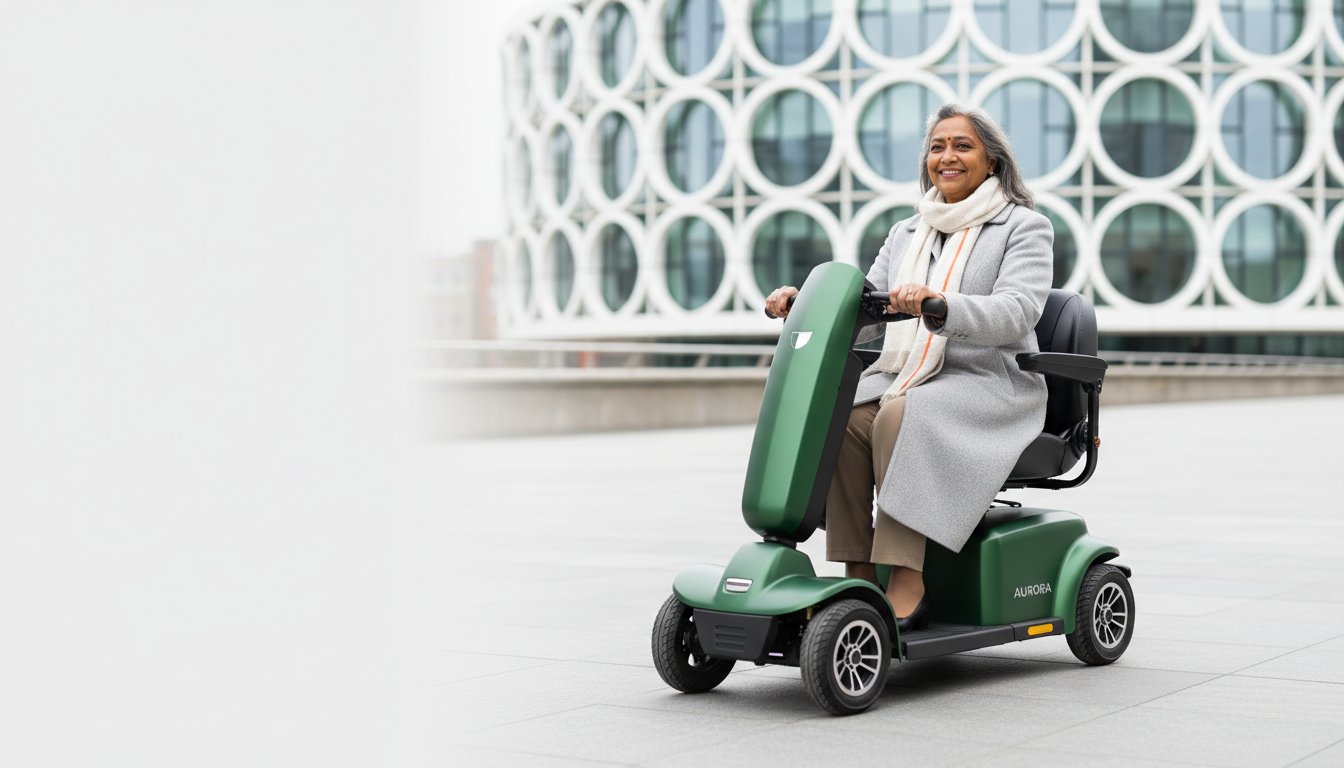
In the UK, scooters fall into two distinct categories. Class 2 models are restricted to 4mph and are designed solely for pavement use. These are perfect for local shopping trips and navigating tight supermarket aisles. If your goals involve longer distances or your route lacks consistent footpaths, a Class 3 scooter is the professional choice. These reach 8mph, feature lights and indicators, and are legal for road use. Don't forget that your Blue Badge can often be used on your scooter, giving you the same parking advantages you enjoy in a car.
The "Car Boot" Test
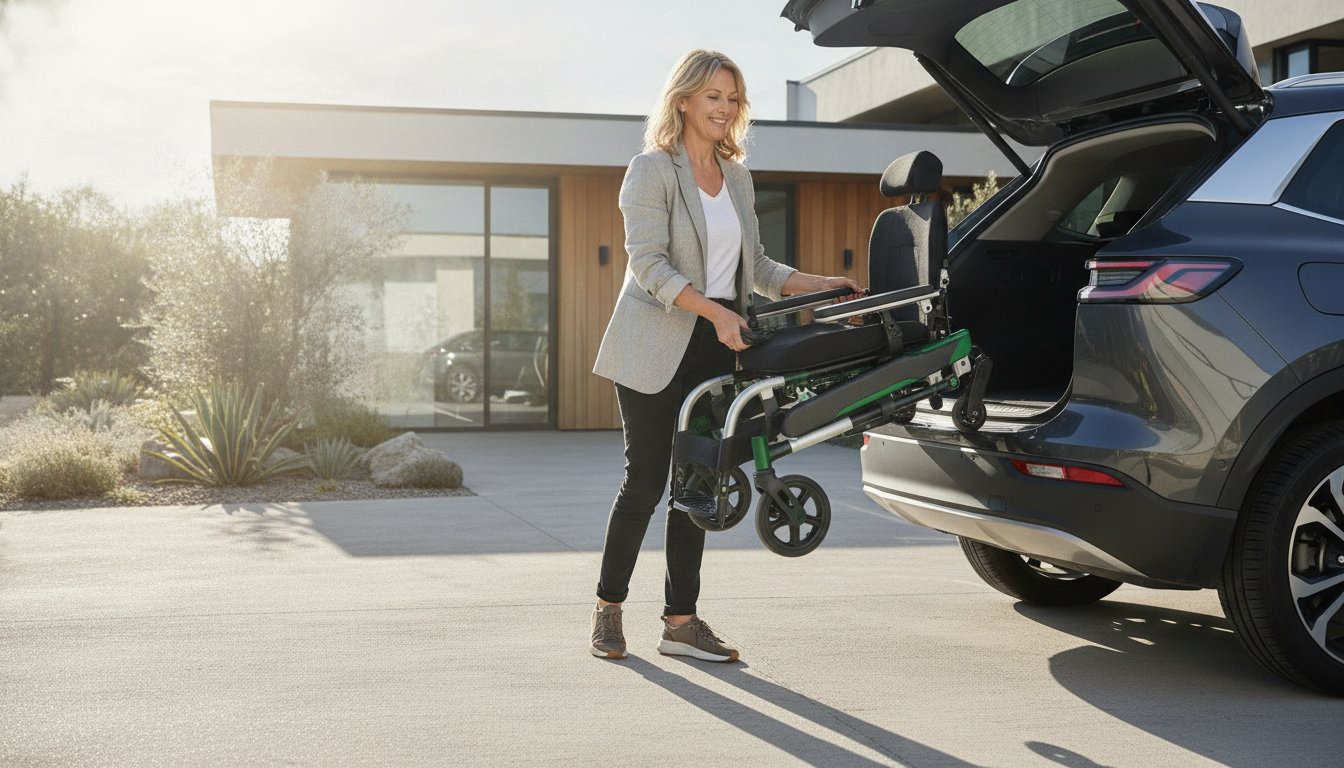
Folding mobility scooters have transformed how UK couples plan their days out. You're no longer confined to your immediate neighbourhood. Manual folding models offer mechanical simplicity, while remote-control auto-folding versions do the heavy lifting for you at the touch of a button. By 2026 standards, a high-performance lightweight scooter weighs approximately 15.8kg, allowing it to fit into the boot of a standard hatchback like a Ford Focus without requiring a hoist. This portability ensures your world stays large and accessible.
Ready to reclaim your independence? Explore our range of UK-supported mobility scooters designed for modern British life.
Choosing the Right Path to Independence with Etech Motion
Identifying the signs you need a mobility scooter is a proactive step toward reclaiming your autonomy and safety. The next phase involves matching your specific physical requirements with a device that complements your daily routine. Transitioning from a manual aid like a walking frame to a powered solution provides immediate relief for your joints and respiratory system. Etech Motion supports this transition with expert UK-based guidance, ensuring you don't just buy a product, but invest in a reliable lifestyle upgrade. We offer nationwide delivery and a structured approach to trialling units, which is vital for verifying that the seat height and tiller reach accommodate your specific frame and weight requirements.
Folding Mobility Scooters for the Active Traveller
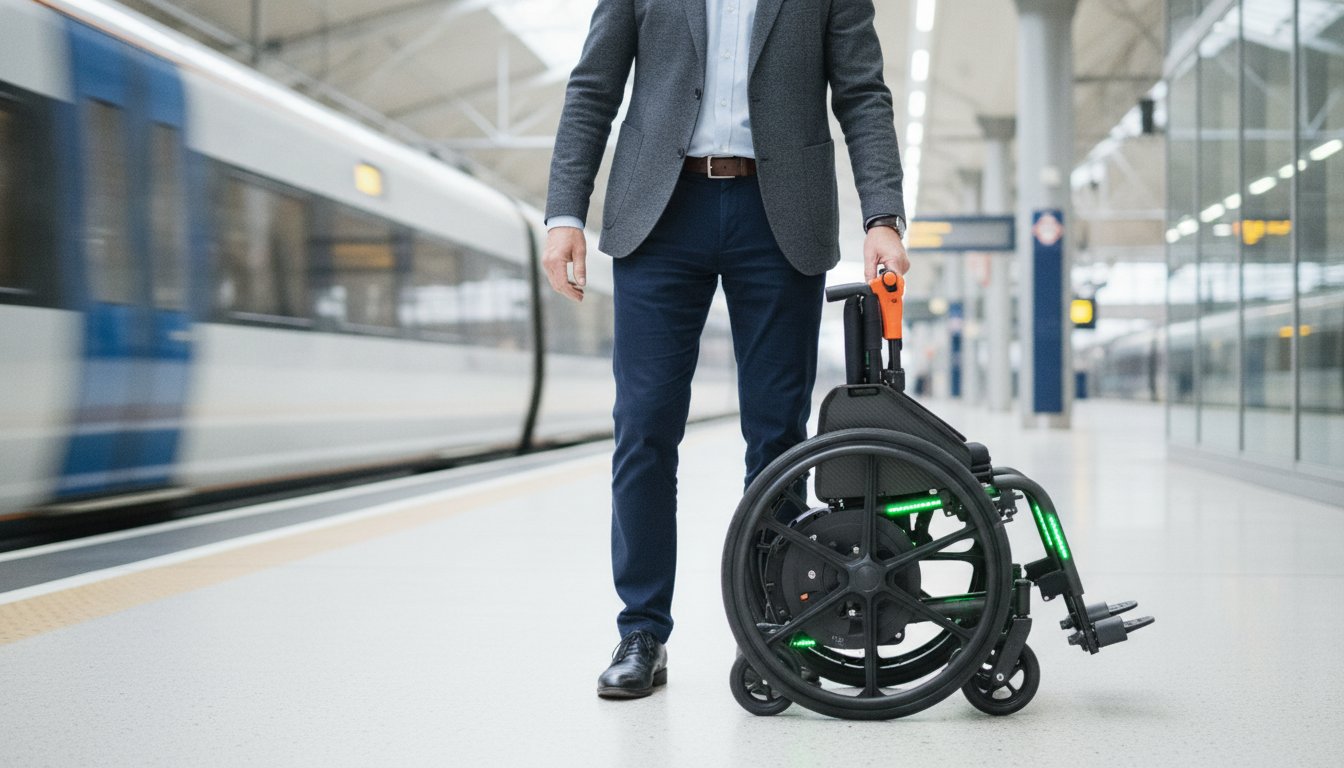
Folding models represent the gold standard for individuals who still drive or enjoy frequent day trips. These scooters collapse in seconds, fitting into a standard car boot without the need for expensive vehicle hoist adaptations. Modern units utilise advanced lithium-ion battery technology, offering ranges of up to 15 miles on a single charge. Because these batteries are typically flight-ready and meet IATA requirements, they're perfect for overseas holidays or domestic train travel. You can explore the Etech Motion range of folding mobility scooters to find a model that balances a lightweight chassis with robust performance.
Heavy Duty Solutions for Challenging Terrain
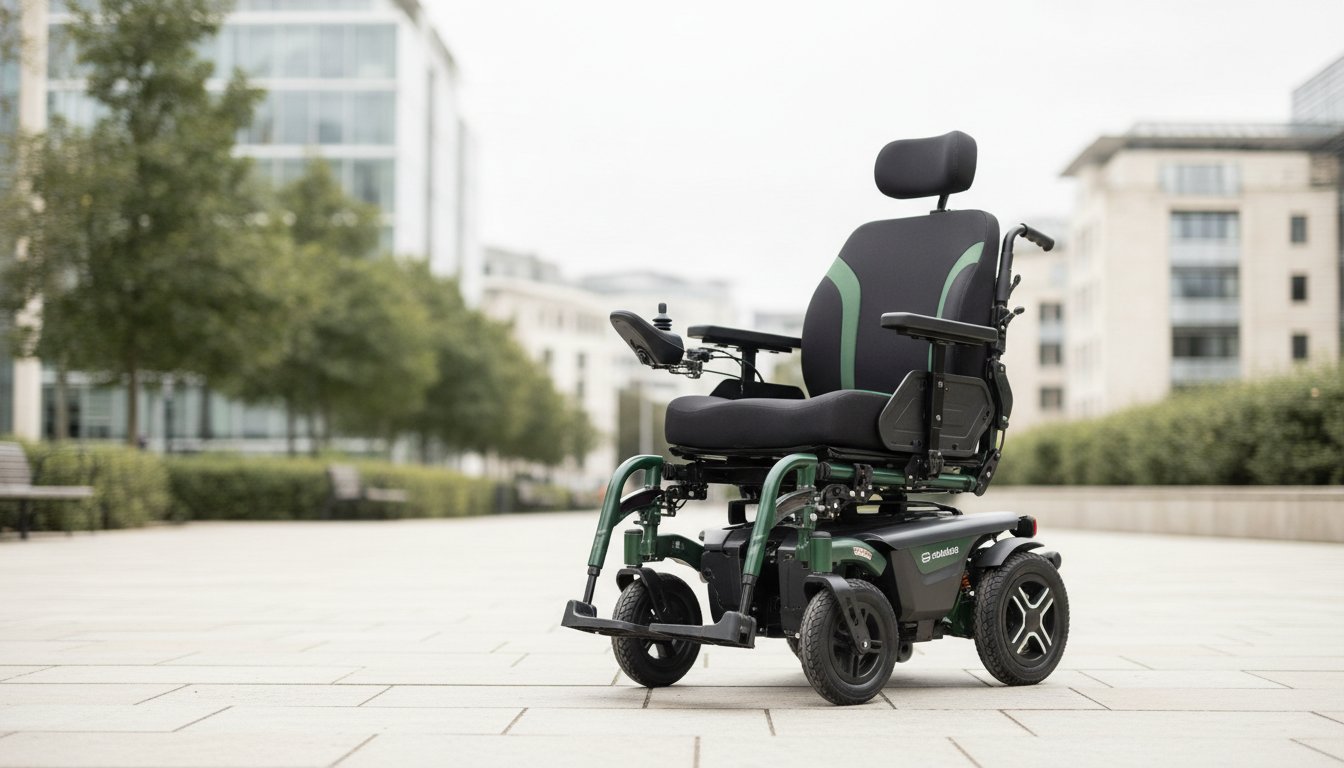
If your local environment involves steep inclines, gravel paths, or uneven pavements, a lightweight folding model might not provide the stability you need. Heavy-duty scooters are engineered with high-torque motors and sophisticated suspension systems to handle 10-degree gradients with ease. These models often support user weights exceeding 25 stone, providing a stable platform that feels secure during extended journeys. When you choose a high-capacity model, you're prioritising comfort for long-term use. Every Etech Motion product adheres to strict UK safety standards, backed by comprehensive warranties that ensure your investment remains protected. Our team helps you evaluate your local terrain to ensure your chosen scooter delivers the torque and durability you require.
- Expert UK-based technical support available for all maintenance and setup queries.
- Nationwide delivery ensures your scooter arrives at your doorstep ready for immediate use.
- Comprehensive safety checks are performed on every unit in our UK facility before dispatch.
- Personalised sizing advice helps match your height and weight to the most ergonomic model.
Reclaim Your Movement and Expand Your World
Recognizing the early signs you need a mobility scooter isn't about admitting defeat; it's about choosing a more active, connected future. If your walking range has dropped below 200 metres or you've started declining social invites to avoid physical strain, these are clear indicators that your current energy budget is overextended. Transitioning to electric support allows you to preserve your stamina for the moments that truly matter rather than exhausting it on the journey there.
Etech Motion bridges the gap between technical precision and daily freedom. We're specialists in lightweight and folding technology designed for the modern UK lifestyle, ensuring your equipment never feels like a burden. Our team provides expert UK-based technical support and nationwide delivery with full assembly options, so you can start your new chapter with absolute confidence. It's time to stop managing limitations and start embracing new adventures with the reliability of a homegrown partner.
Browse our full range of UK-supported mobility scooters and reclaim your freedom today
Frequently Asked Questions
Do I need a medical diagnosis to buy a mobility scooter in the UK?
You don't need a formal medical diagnosis or a doctor's prescription to purchase a mobility scooter in the UK. Anyone can buy one privately to improve their independence and daily quality of life. However, if you have a long-term illness or a physical disability, you may qualify for VAT relief under HMRC Notice 701/7. This legal provision allows eligible users to save 20% on the total purchase price.
Will using a mobility scooter make my legs weaker?
Using a scooter won't automatically make your legs weaker if you balance its use with regular movement. Many users find that a scooter actually preserves their energy for targeted physiotherapy or short walks around the home. Recognizing the signs you need a mobility scooter early allows you to stay active in the community rather than becoming housebound due to chronic fatigue or joint pain.
What is the difference between a Class 2 and Class 3 mobility scooter?
The main difference lies in where you can drive them and their maximum speeds. Class 2 scooters are limited to 4mph and are strictly for pavement use. Class 3 scooters can reach 8mph, must be equipped with lights and indicators, and are legal for road use. You must register a Class 3 vehicle with the DVLA using form V55/4 or V55/5, though you won't pay road tax.
Can I take a folding mobility scooter on a bus or train?
Yes, most UK bus and train operators permit folding mobility scooters as long as they fit within designated wheelchair spaces or luggage areas. For example, National Rail guidelines state that scooters should generally not exceed 120cm in length and 70cm in width. Always check with specific providers like Arriva or Stagecoach before you travel, as some require a "Scooter Card" or permit before you board.
How do I know if a scooter will fit in my car boot?
You can determine if a scooter fits by comparing its folded dimensions against your boot's narrowest point, usually between the wheel arches. A standard small car boot offers about 300 to 400 litres of space, while compact travel scooters often fold down to the size of a large suitcase. If you've noticed the signs you need a mobility scooter, measuring your boot depth is a vital step for portability.
Do I need insurance or a licence to drive a mobility scooter?
You don't need a driving licence to operate a mobility scooter in the UK, and there's no legal requirement for insurance. However, the Department for Transport strongly recommends taking out a policy to cover personal liability and theft. While a licence isn't required, you must follow the Highway Code, especially when operating a Class 3 scooter on public roads or crossing busy junctions.
What happens if I get a puncture while I am out?
If you get a puncture on pneumatic tyres, you'll need a repair kit or a recovery service, which many specialist insurance providers include in their packages. To avoid this entirely, many E-Tech Motion customers opt for solid, puncture-proof tyres. These wheels use a composite material that can't go flat, providing total peace of mind during longer journeys or trips across uneven terrain and gravel paths.
Can I use a mobility scooter if I have poor eyesight?
You must have a reasonable level of vision to operate a scooter safely, as defined by the DVLA's fitness to drive standards. This generally means being able to read a car number plate from a distance of 12.3 metres. If your eyesight is severely impaired or you're registered blind, you shouldn't use a mobility scooter on public pavements or roads to ensure your safety and that of others.