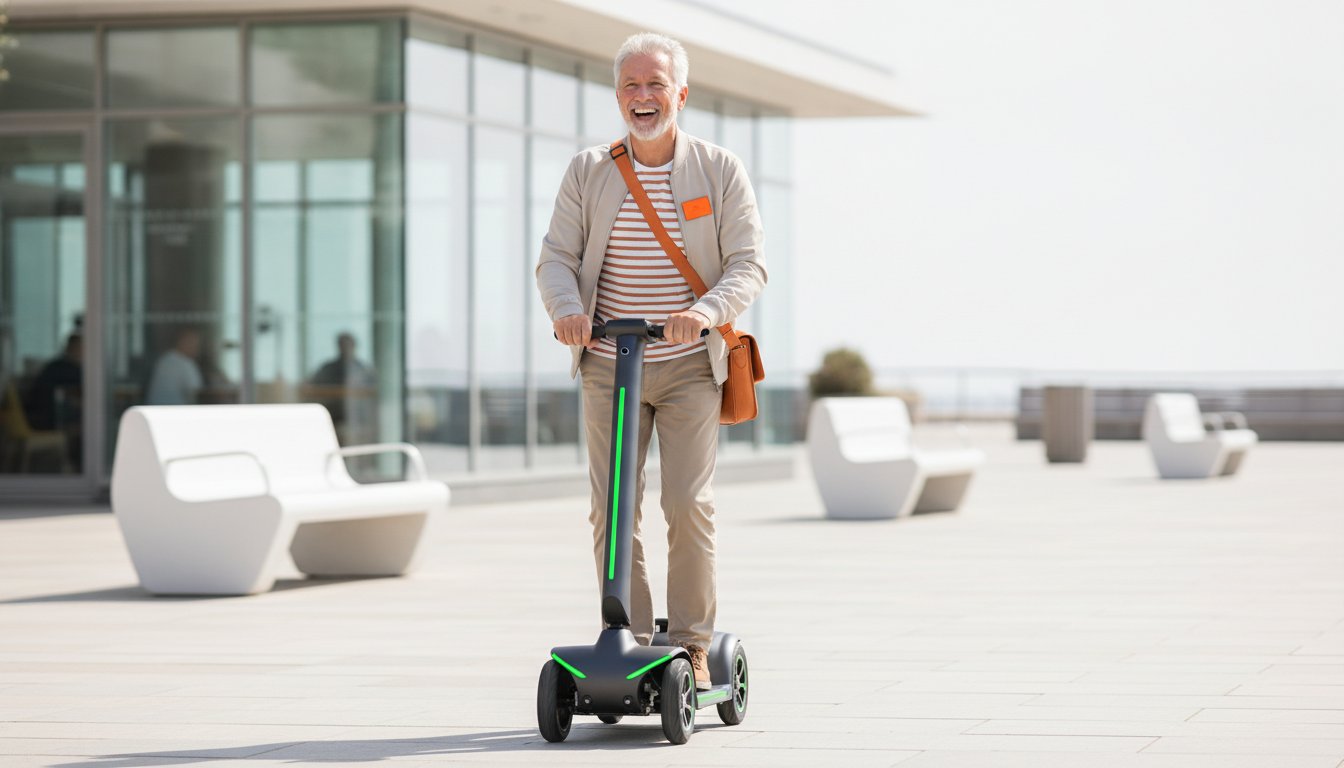
Did you know the UK government is currently overhauling the mobility laws that have governed our streets since 1988? With new regulations on the horizon following the 2026 Department for Transport review, choosing a powerchair is no longer just about picking a seat; it's about future-proofing your freedom. Understanding the specific electric wheelchair features to look for is the only way to ensure your investment remains compliant, comfortable, and capable of handling the British climate.
You likely want a chair that offers total independence without the constant worry of a flat battery or a frame that is too bulky for a standard car boot. It is frustrating when technical jargon about mid-wheel drives or brushless motors makes a simple decision feel like a chore. This guide promises to clear the confusion by highlighting the critical technical and ergonomic specifications that truly matter for your daily routine. We will explore how to secure 0% VAT exemptions, navigate the latest NHS Personal Wheelchair Budgets, and identify the motor specs that keep you moving safely through 2026 and beyond.
Key Takeaways
- Learn why brushless motors have become the 2026 industry standard for providing superior reliability and energy efficiency in modern powerchairs.
- Master the essential electric wheelchair features to look for when balancing the comfort of pneumatic tyres against the maintenance-free peace of mind of solid wheels.
- Discover how to navigate the trade-off between lightweight folding mechanisms for UK car boots and the heavy-duty durability required for higher weight capacities.
- Identify the non-negotiable ergonomic features, such as adjustable backrests and pressure-relieving cushions, that protect your long-term spinal health and daily comfort.
- Apply a practical decision framework to determine whether your primary environment requires a chair optimised for indoor agility or rugged outdoor performance.
Understanding the Core Components of a Modern Electric Wheelchair
A modern powerchair is far more than just a seat on wheels. It is a sophisticated motorised mobility device engineered to provide precision and independence for users across the UK. When researching the Core Components of a Modern Electric Wheelchair, you'll find that the heart of the machine lies in its propulsion system. In 2026, brushless motors have become the gold standard. Unlike older brushed versions, these motors lack physical brushes that wear down over time. This means they are quieter, more energy-efficient, and require virtually no maintenance. This efficiency directly impacts your daily freedom; a more efficient motor extracts more miles from every charge, ensuring you aren't left searching for a socket mid-journey.
Identifying a high-quality build involves looking at the frame material and the integration of the electronics. Premium models often use aircraft-grade aluminium or carbon fibre to balance strength with weight. Budget imitations frequently cut costs with heavy steel frames or exposed wiring that is prone to snagging. When evaluating electric wheelchair features to look for, always prioritise sealed electronics and reinforced joints. These are the hallmarks of a chair built for long-term reliability rather than a quick fix.
Drive Systems: Front, Rear, or Mid-Wheel Drive?
Choosing a drive system depends entirely on where you plan to spend your time. Each configuration offers distinct advantages for different environments:
- Rear-wheel drive: These models offer excellent stability and higher speeds on open paths. They are the traditional choice for those who enjoy long treks through parks or along the seafront.
- Mid-wheel drive: This is the go-to for indoor living. Because the drive wheels sit directly under your centre of gravity, the chair can spin on its own axis. It's the best option for navigating narrow UK hallways and tight kitchens.
- Front-wheel drive: If you frequently encounter uneven terrain or need to climb kerbs, front-wheel drive is superior. The large front wheels pull the chair over obstacles that might stop other models.
Battery Technology: Beyond Just Amp-Hours
Modern powerchairs typically use either Lithium-ion or Lead-acid batteries. Lithium-ion is the clear winner for portability and longevity, offering more charge cycles and a significantly lighter weight. This is crucial if you're looking for a Lightweight Electric Wheelchair that needs to be lifted into a car boot. While Lead-acid is cheaper upfront, it's heavier and degrades faster. Be wary of "official" range figures. Real-world range is a variable of user weight, terrain, and battery chemistry. Factors like cold British winters, steep hills, and stop-start city driving will drain your power faster than a flat test track.
Performance and Terrain Capabilities for UK Environments
UK streets present unique challenges, from the cobblestones of historic market towns to the cracked paving slabs of local high streets. When evaluating electric wheelchair features to look for, the interface between your chair and the ground is paramount. Tyre selection usually involves choosing between pneumatic and solid options. Solid tyres offer maintenance-free peace of mind by eliminating the risk of punctures, but they can feel harsh on uneven surfaces. Pneumatic tyres act as a primary layer of shock absorption, significantly reducing the vibrations that lead to user fatigue and spinal jarring over long distances.
A robust suspension system is non-negotiable for anyone planning frequent outdoor travel. Modern systems use independent springs that adapt to the user's weight, smoothing out the impact when dropping off a kerb or navigating gravel. Ground clearance is another vital metric; even a few extra centimetres can prevent the chassis from bottoming out on grass or uneven paths. Safety is further bolstered by anti-tip wheels, which are essential for maintaining stability on steep ramps or the inclines common in many UK residential areas.
Indoor Navigation and Turning Radius
Mobility is about the precision needed in your own home just as much as it's about the open road. Before you commit to a model, measure your narrowest doorways and hallways. A chair's turning radius dictates whether you can navigate a tight kitchen or a small bathroom without frustrating multi-point turns. Look for compact dimensions that offer a stable base without sacrificing a narrow profile. Smaller wheel sizes often provide better indoor floor protection, preventing scuffs on laminate or carpeted surfaces during daily use.
Outdoor Durability and Suspension
The British climate demands a resilient machine. Ensuring your electric wheelchair features adequate weatherproofing is essential for year-round independence. Sensitive electronics must be sealed against the rain, and the chassis should be treated to resist corrosion from road salt. Intelligent suspension systems that respond to the terrain help maintain traction on wet or slippery surfaces, providing confidence when you're out and about. If you're unsure which configuration fits your lifestyle, reviewing a high-quality Electric Wheelchair selection can help you identify the right balance of power and agility.
Portability vs. Durability: The Folding Debate
Choosing between a chair that's easy to lift and one that offers maximum weight capacity is a common dilemma for UK buyers. Material science has progressed significantly, with aircraft-grade aluminium now serving as the standard for high-quality frames. This material allows manufacturers to create structures that are light enough for transport yet strong enough to handle daily stresses. For those living in compact UK flats or homes with limited hallway space, these folding designs are essential for keeping living areas clear. When considering the electric wheelchair features to look for, the frame's ability to collapse without compromising structural integrity is a top priority.
Folding mechanisms generally fall into two categories: automatic and manual. Automatic systems use a remote or a button to fold the chair in seconds, which is a massive benefit for carers who might struggle with physical latches. Manual folding mechanisms are often lighter because they lack the extra motors and wiring required for automation. They also tend to be more reliable over many years of use. Reliability is the cornerstone of independence, so ensure any folding joint feels robust and locks securely into place before you commit to a purchase.
The Rise of Lightweight Folding Electric Wheelchairs
Weight benchmarks have shifted recently. In 2026, a truly lightweight folding electric wheelchair typically weighs between 20kg and 28kg. This specific range ensures the device is boot-friendly, fitting into the rear of standard UK hatchbacks like a Vauxhall Corsa or Ford Puma without needing a hoist. If you have ambitions for international travel, airline approval is a critical feature. This requires the chair to have removable Lithium-ion batteries that comply with international safety regulations, allowing you to move from the departure lounge to your destination with minimal fuss.
When to Choose a Heavy Duty Powerchair
While lightweight models are popular, they aren't always the right fit for intensive, all-day use. A heavy duty electric wheelchair provides the enhanced stability and higher torque required for bariatric users or those traversing challenging terrain. These chairs feature reinforced frames and high-output motors that maintain consistent performance even under heavy loads. Heavy-duty models are built for longevity over portability. They offer a sense of security and a higher weight capacity that lightweight frames cannot match, making them the preferred choice for users who prioritise a permanent, rugged solution for their primary mobility needs.
Ergonomics, Comfort, and Control Interfaces
Your powerchair is more than a vehicle; it's a daily environment that must support your physical health and personal comfort. When identifying the electric wheelchair features to look for, posture support should be at the top of your list. Adjustable backrests and footplates aren't just luxury additions; they're non-negotiable for long-term health. Incorrect positioning leads to spinal strain and discomfort over time, while a correctly fitted chair promotes better circulation and breathing. Breathable fabrics are equally vital for managing thermoregulation, ensuring you stay cool and dry during extended periods of sitting throughout the day.
Pressure management is a critical area where many standard models fall short. High-quality, pressure-relieving cushions are essential for users with limited mobility to prevent skin breakdown and sores. Beyond the seat itself, the sensitivity of the control interface dictates how much effort is required to navigate. Modern joysticks allow for precision customisation, meaning you can adjust the response time and resistance to match your specific hand strength. This level of personalisation ensures that operating the chair feels natural rather than fatiguing.
Intuitive Joystick and Smart App Controls
The 2026 mobility market has embraced smart integration to enhance user independence. High-resolution LCD displays now provide real-time feedback on your speed, remaining battery life, and overall system health, removing the anxiety of unexpected power loss. Many modern chairs include USB charging ports and integrated phone mounts, allowing you to stay connected while on the move. Perhaps most impressively, smartphone apps now allow carers to assist with positioning or move the chair remotely from a distance, which is incredibly useful for parking the device in a hallway after a transfer.
Personalised Seating Adjustments
A chair should fit your body, not the other way around. Look for models that offer adjustable seat height and depth to ensure your weight is distributed evenly across the base. Swing-away footrests are another practical feature that facilitates safer transfers in and out of the chair by clearing a path for your feet. Additionally, adjustable armrest heights prevent shoulder strain and allow you to pull up closely to dining tables or desks. Looking for a chair that prioritises your comfort? Explore our range of Electric Wheelchair models designed for all-day support.
Making Your Final Choice: A Decision Framework
Selecting a powerchair is a significant lifestyle decision that requires a clear-headed assessment of your daily routine. You've explored the technical specifications; now it's time to apply them to your specific circumstances. A helpful starting point is the 80/20 rule. If you spend 80% of your time indoors, prioritising a tight turning radius and mid-wheel drive is essential. Conversely, if 80% of your journeys involve navigating the local high street or park trails, your focus must shift toward suspension and battery capacity. Always test the turning radius in a space that mimics your home, such as a narrow corridor or a kitchen layout, to ensure the chair won't feel like a burden in your own living room.
Transport needs often dictate the final choice. If you intend to lift the chair into a car yourself, you must be honest about your physical strength and the weight of the device. Even a lightweight model can feel heavy after a long day. Verify the warranty and ensure that local UK support is readily available. Having access to a specialist who understands your specific model can make the difference between a minor adjustment and a week of lost mobility. This regional accountability is a hallmark of a reliable investment.
The Pre-Purchase Checklist
Before you commit to a purchase, run through these three vital steps to ensure the electric wheelchair features to look for align with your reality:
- Step 1: Check the maximum user weight capacity. Ensure there's a comfortable margin to accommodate heavy winter coats or shopping bags.
- Step 2: Confirm the battery range. Calculate your longest planned journey and add a 20% safety margin. This buffer accounts for hills, cold weather, and battery aging.
- Step 3: Customise the controls. Ensure the joystick can be mounted on your preferred side, whether you're left or right-handed, to prevent unnecessary strain.
Why Quality Assurance and Aftercare Matter
Reliability is non-negotiable when it comes to your daily freedom. Look for the CE and UKCA markings on all mobility equipment; these are your assurance that the product meets strict UK safety and performance standards. Choosing a brand that provides UK-based professional assistance ensures that maintenance and repairs are handled by experts who understand the local market. Don't settle for a chair that lacks a clear path for future servicing or technical support. Ready to make your move toward greater independence? Explore our range of specialist electric wheelchairs and find your perfect fit today.
Empowering Your Future Mobility in 2026
You've explored the technical landscape of modern powerchairs, from the efficiency of brushless motors to the precision of smart app controls. Selecting the right model involves more than a simple checklist; it's about matching your daily routines with the engineering that supports them. Whether you require a rugged frame for outdoor adventures or a compact design for indoor agility, the right choice ensures your independence remains uncompromised. Understanding the synergy between battery chemistry and drive systems allows you to navigate the UK with absolute confidence.
By focusing on the specific electric wheelchair features to look for, you're investing in long-term comfort and safety. We specialise in both heavy-duty and lightweight folding models, ensuring every user finds their perfect match for home or travel. With nationwide delivery across the United Kingdom and dedicated UK-based professional support, your journey toward a more efficient future is in expert hands. Browse our expert-selected range of Electric Wheelchairs and rediscover the joy of effortless movement today. It's time to embrace the freedom you deserve.
Frequently Asked Questions
What is the most important feature to look for in an electric wheelchair?
The most important feature is how well the chair adapts to your specific physical needs and daily environment. While technical specs like motors are vital, the chair must fit your body to prevent long-term health issues. Look for adjustable seating and intuitive controls that match your dexterity. This ensures your independence isn't hampered by a machine that feels awkward or fatiguing to operate over several hours.
Can I take a folding electric wheelchair on a plane in the UK?
Yes, you can take a folding model on a plane provided the batteries are airline-approved. Most UK airlines follow IATA regulations, which typically require Lithium-ion batteries to be under 300Wh capacity. You should notify your airline at least 48 hours before departure. Always carry the battery's safety certificate and be prepared to remove the battery pack to keep it in the cabin if requested by the crew.
How much range do I actually need for daily use?
Most users find a real-world range of 10 to 15 miles sufficient for a full day of activity. However, you should always look for a battery that offers 20% more than your longest planned journey to account for hills and cold weather. Factors like user weight and the age of the battery will also impact performance. Having this extra buffer ensures you never face the anxiety of being stranded far from home.
Should I choose a mid-wheel or rear-wheel drive powerchair?
Choose a mid-wheel drive if your priority is navigating tight indoor spaces like kitchens or narrow hallways. These chairs spin on their own axis, offering the best agility for home use. Rear-wheel drive is the better choice if you spend more time on open paths or uneven terrain, as they provide superior tracking and stability at higher speeds. Your decision should reflect where you spend the majority of your time each day.
How heavy are lightweight electric wheelchairs?
A truly lightweight electric wheelchair usually weighs between 20kg and 28kg including the battery. This weight range allows for easier lifting into a car boot, especially when the chair is folded. Some ultra-light models use carbon fibre to reduce weight further, though aircraft-grade aluminium remains the standard for balancing durability with portability. Always check the lifting weight if the batteries are removable, as this makes the frame even lighter for carers.
Are folding electric wheelchairs as safe as rigid ones?
Modern folding models are just as safe as rigid ones, provided they meet UKCA or CE safety standards. Manufacturers use high-strength locking mechanisms to ensure the frame remains stable during use. These chairs undergo rigorous stress testing to handle the same weight capacities and terrain challenges as non-folding counterparts. The key is to verify that the folding joints are made from reinforced materials that won't loosen or rattle over many years of use.
What maintenance does a powerchair require?
Routine maintenance involves keeping the joystick clean, checking tyre tread, and managing battery health. You should avoid letting your battery drain completely, as this shortens its overall lifespan. Regularly inspect the frame for loose bolts and ensure the motors are free from debris like hair or mud. While brushless motors are low-maintenance, a professional annual service is recommended to check the electronics and ensure the braking system remains responsive for your safety.
Can I use an electric wheelchair on the road in the UK?
You can only use an electric wheelchair on the road if it is a Class 3 vehicle. These models have a top speed of 8 mph and must be equipped with lights, indicators, a horn, and a rear-view mirror. Class 2 models are restricted to 4 mph and must stay on the pavement. When researching electric wheelchair features to look for, ensure the model's classification matches your intended use to stay compliant with current UK road laws.