What if the difference between staying at home and exploring the British countryside was simply a 25kg piece of precision engineering? We know that choosing a power wheelchair often feels like a high-stakes gamble where your independence is on the line. You're not alone; recent 2025 consumer data shows that 68% of buyers feel overwhelmed by conflicting airline battery regulations and complex motor specifications.
It's time to replace that uncertainty with the effortless movement you deserve. This guide will show you how to select a chair that matches your lifestyle, whether you need a compact folding model for a car boot or a heavy-duty performance chair for outdoor adventures. We'll break down the 2026 safety standards and explain how our local UK-based support provides the long-term reliability you need. You'll discover the essential features that transform a mobility device into a gateway for your next adventure.
Key Takeaways
- Understand how advanced brushless motors and sine-wave technology eliminate physical strain, ensuring a smooth and efficient journey every time.
- Compare the latest lightweight and folding models to select a power wheelchair that offers the perfect balance of portability and performance for your lifestyle.
- Gain practical insights into navigating UK pavements and steep gradients safely, including essential tips for meeting IATA standards during air travel.
- Discover why investing in quality engineering and UK-based expert support is the key to securing long-term reliability and total peace of mind.
What is a Power Wheelchair and How Does it Transform Lives?
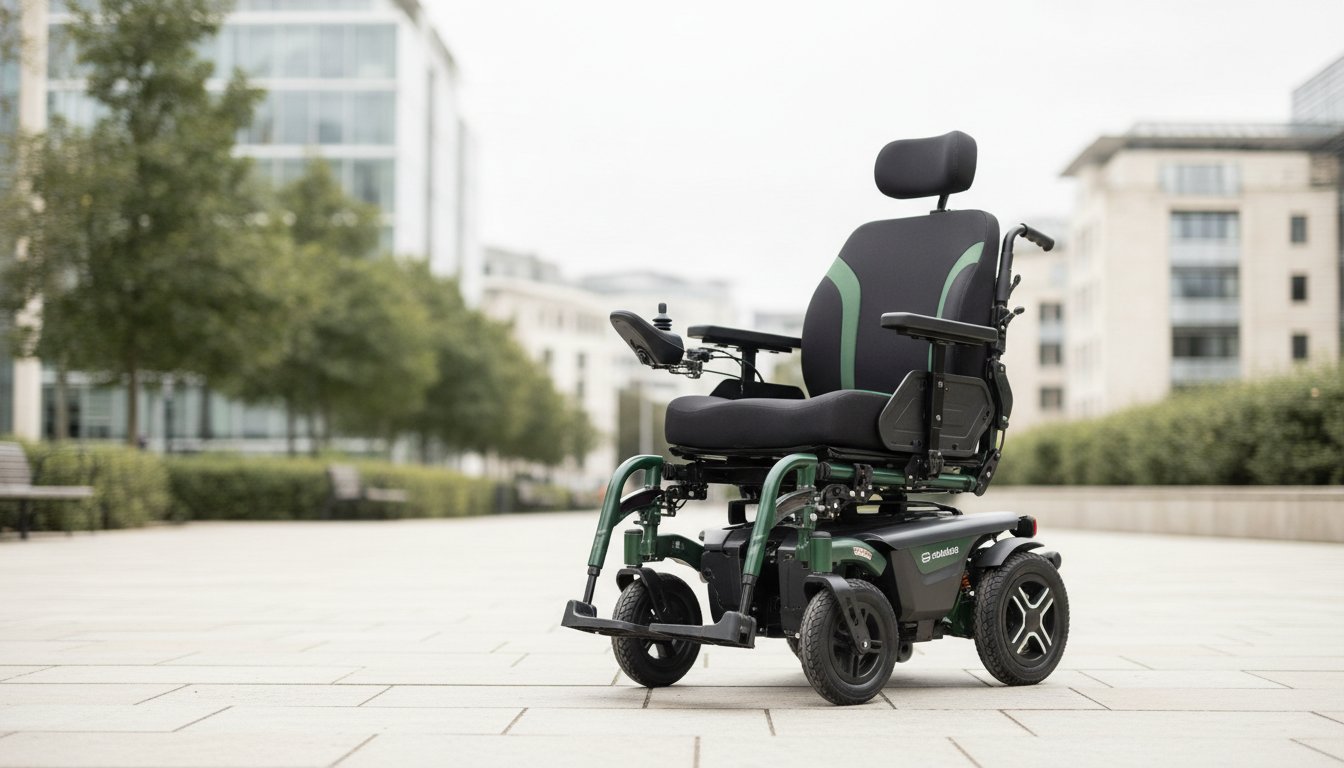
At its core, a power wheelchair is a sophisticated, battery-operated mobility solution designed to provide independence through precision control. These devices utilise high-torque brushless motors and rechargeable lithium-ion batteries to move, usually steered by a responsive joystick or an attendant control system. The evolution of Motorized wheelchair technology means modern models have moved away from the 100kg steel frames common in the early 2000s. Today, ultra-lightweight carbon fibre and aircraft-grade aluminium alloys allow some folding models to weigh as little as 15kg without batteries.
The shift to electric power isn't just about the mechanics; it's about the psychological freedom to visit a local shop, navigate a crowded UK high street, or travel abroad without asking for a push. For the 1.2 million wheelchair users in the UK, this transition represents a massive leap in autonomy. It removes the constant mental calculation of whether a slope is too steep or a journey is too long. By 2026, the focus has shifted entirely toward making these devices feel like a natural extension of the user's lifestyle rather than a piece of medical equipment.
Power Wheelchair vs. Mobility Scooter: Which is Right?
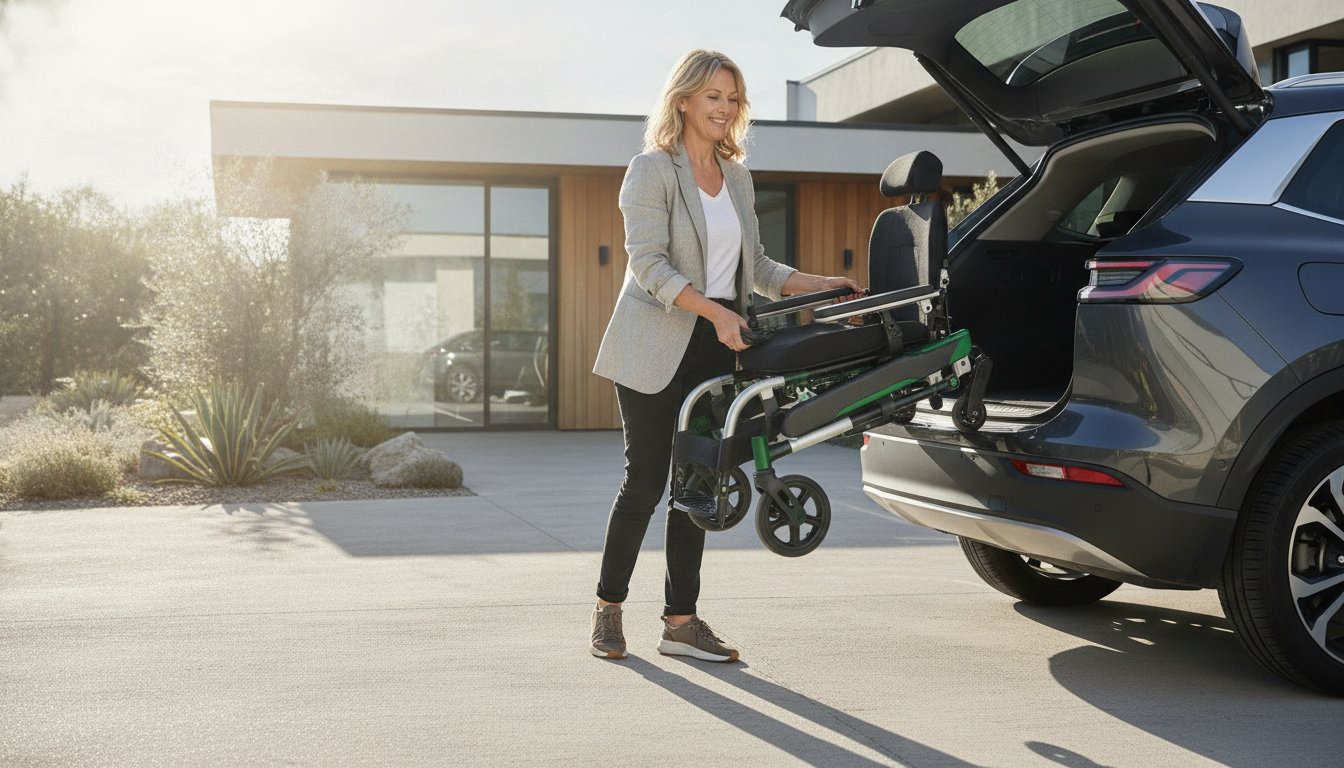
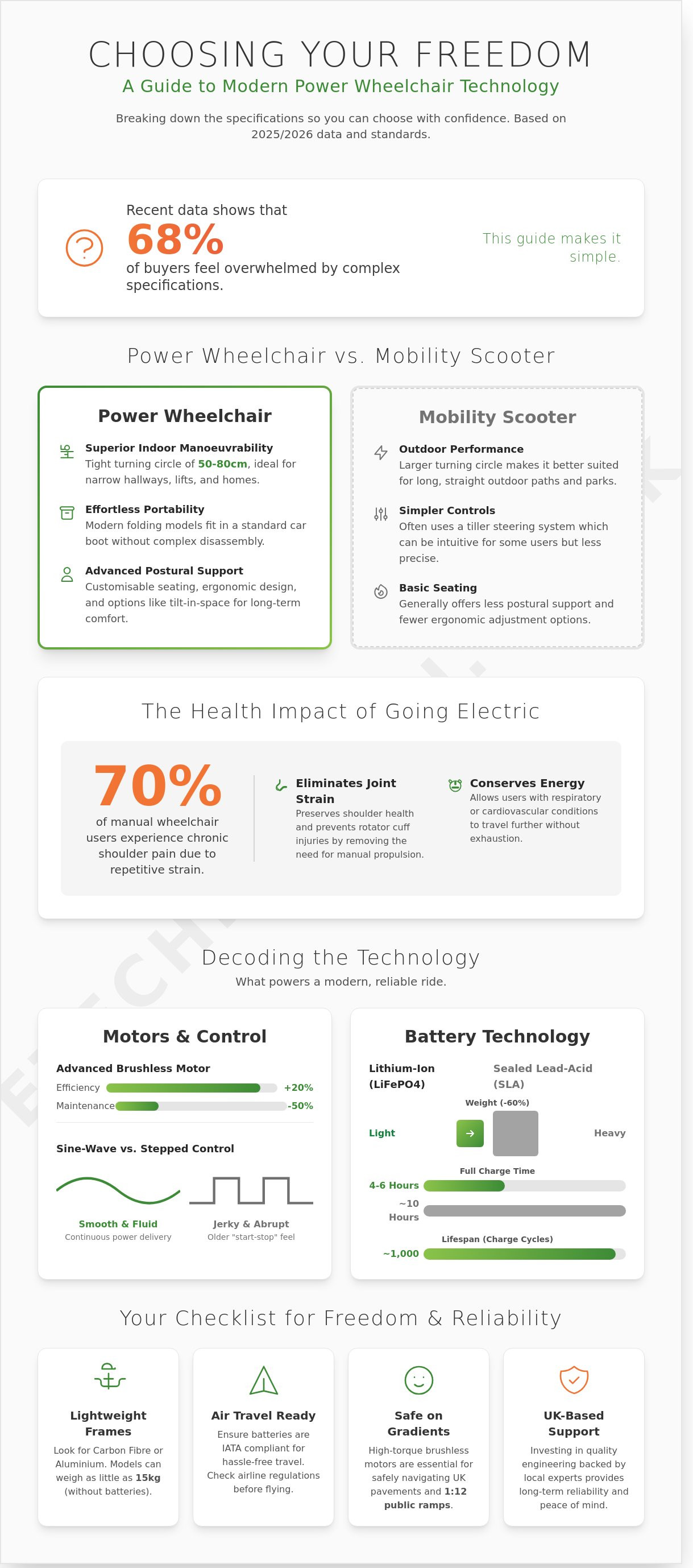
Manoeuvrability is the primary decider here. Power chairs often feature a mid-wheel or rear-wheel drive system that allows for a tight turning circle, frequently as small as 50cm to 80cm. This makes them far superior for navigating narrow hallways or lifts in older British homes compared to scooters. While scooters are great for long outdoor paths, a power wheelchair provides superior postural support and customisable seating options. Additionally, modern folding power chairs are designed to fit into a standard car boot without the need for a hoist or complex disassembly.
The Health Benefits of Going Electric
Physical preservation is a vital advantage of electric mobility. A 2023 study indicated that up to 70% of manual wheelchair users experience chronic shoulder pain or rotator cuff injuries due to repetitive strain. Switching to an electric system eliminates this risk entirely. Beyond joint health, these chairs are essential for energy conservation. Users with respiratory conditions or cardiovascular challenges can travel further without exhaustion. Ergonomically designed seating also promotes better spinal alignment, offering reclining or tilt-in-space functions that aren't available on basic manual frames or scooters. This helps prevent pressure sores and improves long-term comfort during daily use.
Decoding the Technology: Motors, Batteries, and Control Systems
Understanding the internal mechanics of a power wheelchair ensures you invest in a machine that handles the UK’s varied terrain and unpredictable weather. Modern engineering has moved beyond basic mobility to create systems that feel like an intuitive extension of your own body. These technical advancements don't just improve speed; they enhance safety, comfort, and the total cost of ownership over time.
Brushless Motors and Sine-Wave Control
Brushless motors represent the current gold standard for reliable mobility. By eliminating the physical brushes found in older DC motors, these units reduce internal friction and heat build-up. This engineering shift makes the motor 20% more efficient and significantly quieter during operation. Because there are no brushes to wear down, maintenance requirements drop by nearly 50% over the product's lifespan. High motor torque is vital for navigating the 1:12 gradients often found on British public ramps and uneven pavements.
Sine-wave control is the technology that translates joystick movement into fluid motion. This system replaces the clunky, stepped acceleration of older controllers with a continuous wave of power. It eliminates the jerky "start-stop" sensation, providing a sophisticated ride that protects the user's posture. If you're looking for a smooth experience, you can explore our range of UK-certified electric mobility solutions which utilise these advanced control systems.
Lithium-Ion Battery Management
The transition from lead-acid to lithium-ion (LiFePO4) chemistry has transformed how users interact with their equipment. Lithium batteries weigh approximately 60% less than traditional sealed lead-acid (SLA) alternatives, which is a critical factor for folding or portable models. While an SLA battery might take 10 hours to charge, modern lithium cells reach 100% capacity in 4 to 6 hours. These batteries are designed for longevity, often lasting for 1,000 charge cycles before showing significant degradation.
Proper maintenance is straightforward but essential. You should avoid letting the charge drop to 0% and try to store the chair in a dry environment between 5°C and 25°C. For those navigating the logistics of equipment provision, the NHS wheelchair and mobility scooter guidance offers excellent advice on how local services manage battery-powered equipment and support.
Range expectations are usually measured in Ampere-hours (Ah). As a general rule, a 20Ah battery pack provides a real-world range of approximately 12 to 15 miles. However, several factors influence this distance:
- User Weight: Heavier loads require more energy to move, especially from a stationary position.
- Terrain: Constant climbing on 8% inclines can reduce the total range by up to 30%.
- Temperature: Cold British winters can temporarily reduce battery efficiency by 15% during the darkest months.
- Tyre Pressure: Under-inflated tyres increase rolling resistance, forcing the motor to work harder.
Finding Your Match: Comparing Folding, Lightweight, and Heavy-Duty Models
Selecting the right power wheelchair requires a balance between your personal mobility needs and the practicalities of your daily environment. Technology in 2026 has advanced to a point where you don't have to sacrifice performance for portability. Whether you need a nimble chair for the local supermarket or a robust machine for coastal paths, the UK market offers specialised solutions for every user profile. Choosing correctly ensures your equipment supports your lifestyle rather than dictating it.
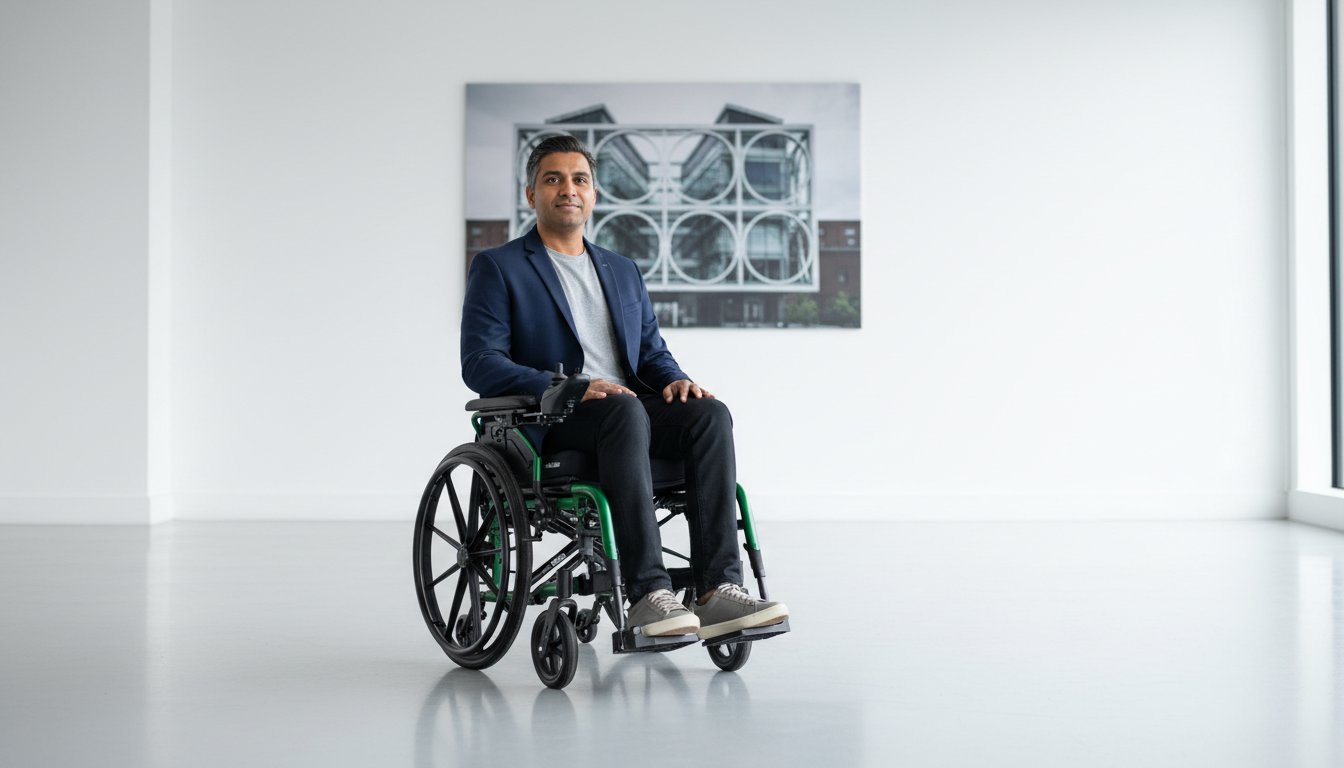
Ultra-Lightweight and Folding Power Chairs
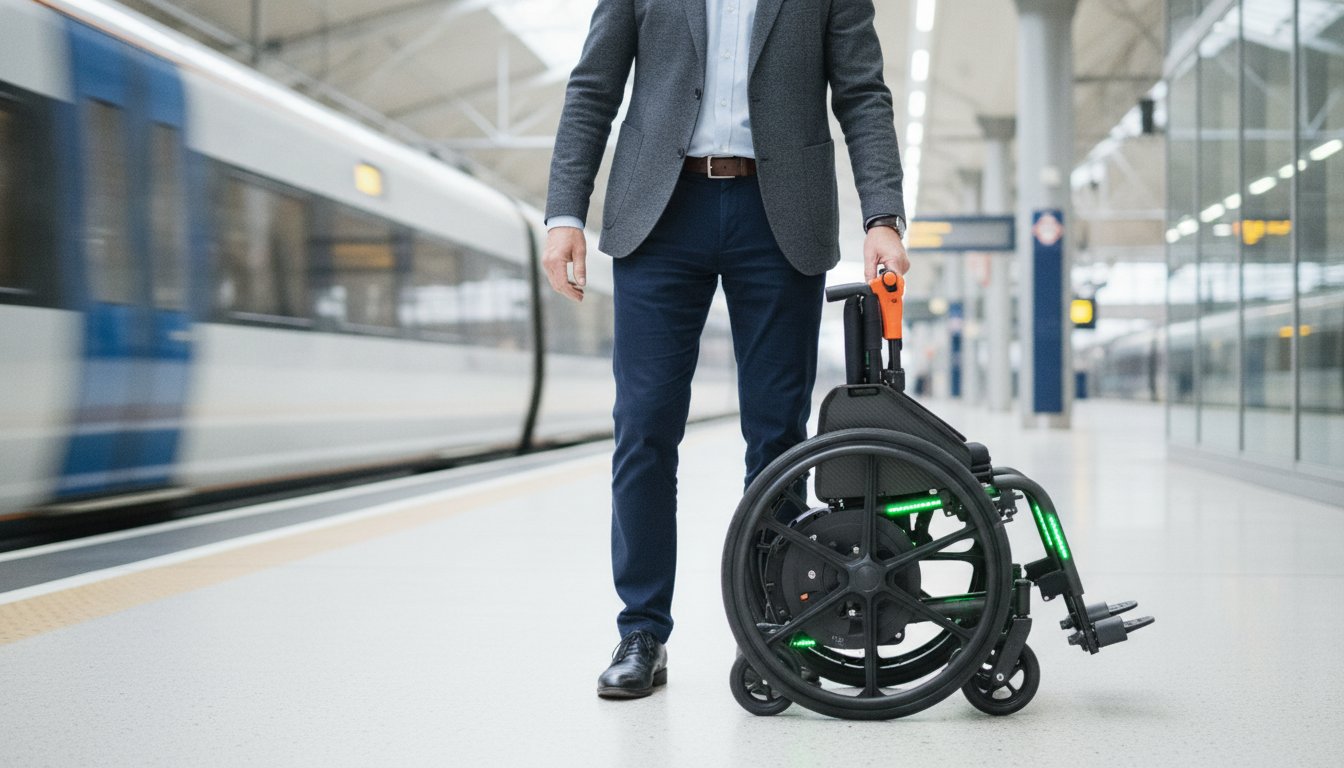
Weight is the most critical factor for active users. Modern engineering now delivers frames weighing as little as 14.5kg, making them light enough for a companion to lift into a car boot without strain. These models often feature quick-release lithium-ion battery slots, which are essential for both charging convenience and travel compliance. If you plan to fly, consult the UK Civil Aviation Authority guidance on air travel with a power wheelchair to ensure your battery type meets safety standards. You can choose between manual folding systems, which usually take under five seconds to operate, or advanced remote-control folding mechanisms that do the heavy lifting for you at the touch of a button.
These chairs excel in tight spaces like cafes or public transport. However, remember that ultra-lightweight designs use smaller wheels. This means they are best suited for paved surfaces and indoor use rather than gravel or tall grass. While they offer incredible freedom, ensure the model you choose provides enough seat padding for your specific comfort requirements during longer trips.
Heavy-Duty and Bariatric Considerations
Users requiring higher load capacities need a power wheelchair built with reinforced structures. Heavy-duty models are engineered to support up to 200kg, utilising high-torque brushless motors that maintain speed even on steep inclines. Stability is the priority here. These chairs feature wider seat bases, often ranging from 50cm to 60cm, and heavy-duty suspension systems that absorb shocks from uneven pavements or rural tracks. You get a smoother ride over 20mm bumps and cracked surfaces that would stop a lighter chair in its tracks.
Don't assume that a high weight capacity requires a bulky, static frame. Modern engineering allows many heavy-duty models to retain a folding design, ensuring you can still transport your chair in a standard SUV. You'll find that 450W motors and larger 12-inch rear tyres provide the necessary grip for outdoor adventures while maintaining a tight turning circle for indoor manoeuvrability. This versatility makes these models the ideal all-rounder for users who refuse to let terrain limit their independence.
Practical Considerations: Air Travel, UK Pavements, and Safety
Choosing a power wheelchair isn't just about seat comfort; it's about how the device integrates with your lifestyle and local environment. Navigating British streets requires a machine built for resilience. From the cobbled paths of York to the steep hills of Sheffield, your equipment must handle varied terrain. We recommend looking for models with 8-inch front castors to manage kerbs up to 50mm high safely. This ensures you maintain momentum without compromising stability on uneven Victorian paving or modern tactile surfaces.
UK-based support is the backbone of long-term mobility. Buying from a homegrown provider means you access expert technicians who understand local safety standards. If a component fails, waiting weeks for an international shipment isn't an option. Reliable UK brands maintain a stock of spare tyres, joysticks, and control units to keep you moving without delay.
Flying with Your Power Wheelchair
Air travel is entirely possible with the right preparation. The International Air Transport Association (IATA) sets strict guidelines for lithium-ion batteries. Most airlines enforce a 300Wh (Watt-hour) limit for a single battery. To calculate your capacity, multiply the voltage by the ampere-hours (e.g., 24V x 12.5Ah = 300Wh). Always carry the battery's Safety Data Sheet (SDS) and notify your airline at least 48 hours before departure. Protect your joystick during transit by removing it or using a dedicated guard, as this is the most vulnerable part of the chair in the aircraft hold.
Safety and Maintenance Essentials
Daily maintenance keeps your power wheelchair performing at its peak. Check tyre pressures weekly to ensure optimal grip and battery range. Modern safety features provide peace of mind during everyday use:
- Electromagnetic Braking: This system is essential for UK hills. It automatically locks the wheels the moment you release the joystick, preventing any rolling on inclines.
- Anti-tip Wheels: These small rear wheels prevent the chair from tipping backward when climbing gradients up to 6 degrees.
- UKCA Certification: Ensure your mobility aid carries the UKCA mark, proving it meets national safety and quality benchmarks.
Regularly inspect the wiring and joystick responsiveness. If the chair feels sluggish or pulls to one side, it's time for a professional service. Prioritising these small checks prevents costly repairs and ensures your freedom remains uninterrupted.
Ready to find a reliable mobility partner for your next adventure? Explore our range of UK-certified power wheelchairs today.
Investing in Your Freedom: Why Quality and Support Matter
Choosing a high-performance power wheelchair is a decision that impacts your daily life for the next five to eight years. While the initial price tag is a factor, the true cost of ownership includes maintenance, battery longevity, and the availability of technical assistance. A cheaper model from a generic marketplace might save £300 upfront, but it often leads to higher costs when proprietary parts become impossible to source or local mechanics refuse to service unbranded electronics. Investing in a quality build ensures that your mobility remains uninterrupted. Modern electric mobility solutions in 2026 rely on sophisticated lithium-ion battery management systems and brushless motors. These components require specific expertise to maintain. By prioritising a build with high-grade aluminium alloys and reinforced components, you reduce the risk of frame fatigue or electrical failure. This reliability is what transforms a piece of equipment into a true gateway for independence.The Value of Expert UK Support
Reliability is built on local accountability. When you buy from a specialist UK retailer, you gain access to a dedicated supply chain of spare parts and a network of technicians who understand your specific model. E-Tech Motion provides a 12-month warranty and a clear 14-day return policy, ensuring you aren't left stranded if your needs change. Generic online marketplaces often lack the technical depth required for mobility products. Our UK-based team offers peace of mind through:- Direct access to replacement joysticks, tyres, and batteries without international shipping delays.
- Technical guidance from experts who know the UK's safety regulations and terrain challenges.
- A commitment to 48-hour response times for technical queries to keep you moving.
Next Steps to Independence
Transitioning to your new power wheelchair starts with the right fit. To ensure long-term comfort, measure your seat width by adding 2 inches (approx. 5cm) to the widest part of your hips when seated. This prevents pressure sores and allows for seasonal clothing. Depth is equally vital; ensure there is a two-finger gap between the edge of the seat and the back of your knees to maintain healthy circulation. Customisation allows you to tailor the chair to your specific lifestyle. You might require an attendant control bracket for a carer's assistance or specialised pressure-relieving seat cushions for all-day use. These small adjustments make a significant difference in your daily energy levels. If you're ready to reclaim your mobility with a brand that puts UK riders first, it's time to take the next step. Browse our range of high-performance power wheelchairs today and discover the difference that expert engineering makes.Take the Next Step Toward Your Independence
Selecting your ideal mobility solution in 2026 is about more than just movement; it's about reclaiming your lifestyle with advanced brushless motors and lightweight lithium-ion technology. Whether you're navigating the uneven pavements of a historic British high street or boarding a flight from Heathrow, the right model ensures you stay in motion without compromise. You've seen how folding designs offer portability while heavy-duty options provide the torque needed for more demanding journeys.
Investing in quality means you aren't just buying a product; you're securing a partnership. Etech Motion provides a comprehensive 12-month manufacturer warranty on every chair to give you total peace of mind. We offer free UK mainland delivery to get you moving faster, backed by a UK-based expert support team ready to help with any technical query. Your journey toward effortless, sustainable freedom starts today.
Discover your perfect power wheelchair at Etech Motion
Frequently Asked Questions
Can I take my power wheelchair on an aeroplane?
Yes, you can take your power wheelchair on an aeroplane, provided the batteries comply with IATA safety regulations. Most airlines require lithium-ion batteries to be under 300Wh, or two batteries under 160Wh each, for carriage in the cabin. You must notify your airline at least 48 hours before departure to ensure they can accommodate your specific model and battery type during the flight.
How long does it take to charge a power wheelchair battery?
A full charge typically takes between 6 and 10 hours depending on the battery capacity and your charger's output. For a standard 24V 12Ah lithium battery, you will see a complete charge in roughly 7 hours. We recommend charging your power wheelchair overnight after every day of use to maintain battery health and ensure you're ready for the next day's adventure.
What is the difference between a brushless and a brushed motor?
Brushless motors are more efficient and require less maintenance because they lack the physical brushes that wear down over time. These motors typically provide 85% to 90% efficiency compared to the 75% efficiency seen in brushed alternatives. This means you get more torque and a longer range from a lighter component, which is why we use them in our high-performance models for better reliability.
How much weight can a lightweight folding power wheelchair carry?
Most lightweight folding power wheelchair models support a maximum user weight between 120kg and 150kg, which is approximately 18.8 to 23.6 stone. For example, our heavy-duty folding frames are engineered to safely carry up to 150kg without compromising the chair's structural integrity or motor performance. Always check the specific weight capacity of your chosen model to ensure it meets your personal requirements for safety.
Do I need a special vehicle to transport a folding electric wheelchair?
You don't need a specialised WAV (Wheelchair Accessible Vehicle) to transport a folding power wheelchair. These chairs typically fold down to a compact size of approximately 60cm x 35cm x 75cm, allowing them to fit into the boot of a standard hatchback like a Ford Focus or Volkswagen Golf. This portability eliminates the need for expensive vehicle conversions or external hoists, making daily travel much easier.
How often should I service my motorised wheelchair?
You should book a professional service for your motorised wheelchair once every 12 months. Regular maintenance checks ensure that the braking systems, motor brushes, and tyre pressures remain at peak performance levels. For users who travel more than 15 miles per week, a bi-annual inspection is often recommended to identify wear and tear on moving parts before they become a safety concern.
Is it difficult to learn how to use a joystick controller?
Learning to use a joystick controller is incredibly intuitive and most users feel confident within 10 to 15 minutes of practice. The 360-degree control system allows for precise movements, and you can easily adjust the speed settings to a lower level while you're still getting used to the handling. It's designed to respond to light touch, making it accessible for those with limited hand strength or dexterity.
What happens if my battery runs out while I am away from home?
If your battery runs out, you can switch the motors into freewheel mode using the manual levers located on the drive units. This disengages the electric drivetrain, allowing a companion to push the power wheelchair like a traditional manual chair. It's a vital safety feature that ensures you're never stranded, though we always suggest monitoring your digital battery gauge to avoid reaching 0% charge while outdoors.