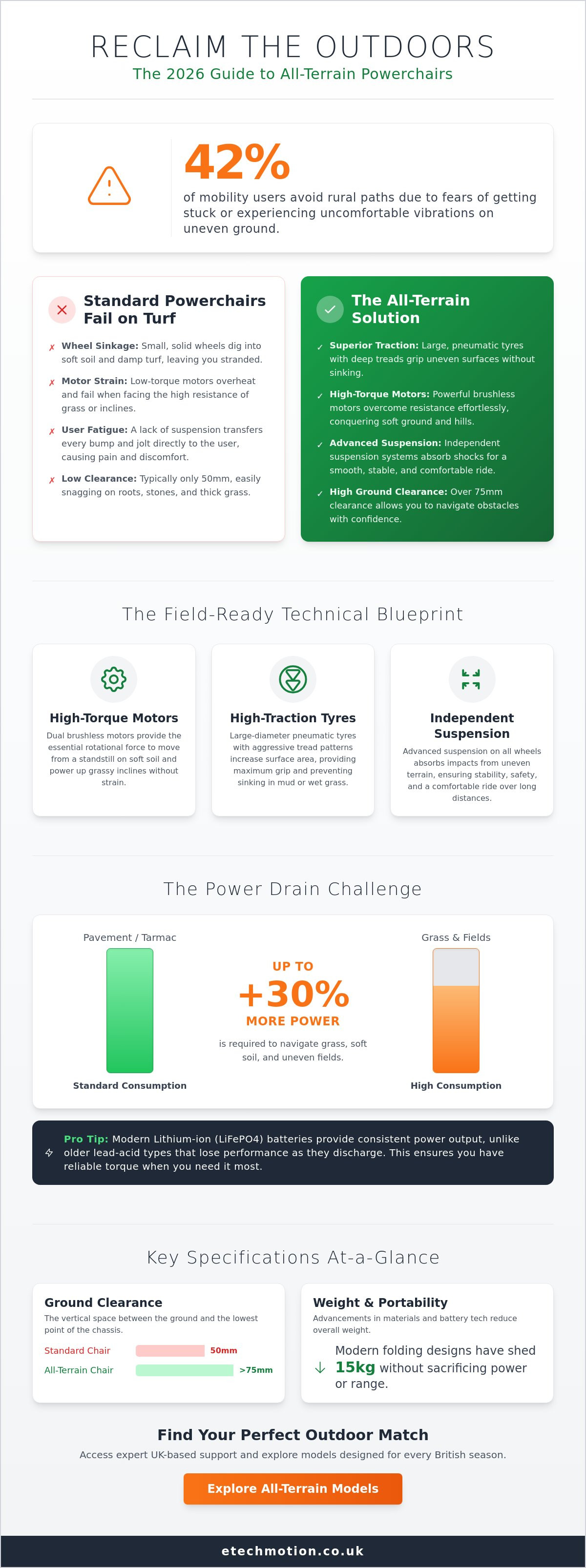
Why should a family picnic or a crisp morning trek through the British countryside be off-limits just because the pavement ends? If you've ever felt the sudden dread of wheels spinning in damp soil or watched your battery percentage plummet on a slight incline, you know that standard mobility solutions often fall short. It's a common frustration, as 42% of users report avoiding rural paths due to fears of getting stuck or experiencing uncomfortable vibrations on uneven turf. Finding a high-performance powerchair for grass and fields is about more than just aesthetics; it's about reclaiming your independence and moving forward with reliable, UK-backed engineering.
We've designed this 2026 guide to help you master the technical side of off-road mobility. You'll discover the specific torque requirements and brushless motor specifications needed to navigate soft ground with ease. We'll also tackle the logistics of transport, showing you how modern designs have shed 15kg of weight without sacrificing power. From lithium-ion efficiency to advanced suspension systems, we're providing the expert tips you need to choose a chair that turns every field into a pathway. Let's explore the top-rated models and technical features that make rural adventures both accessible and aspirational.
Key Takeaways
- Understand how 2026 brushless motor technology and advanced suspension systems provide the necessary torque to navigate challenging rural terrain with ease.
- Learn how to identify a high-performance powerchair for grass and fields by evaluating tyre tread and motor specifications to overcome high rolling resistance.
- Discover why grass surfaces can consume 30% more battery power than tarmac and how to manage your range effectively during outdoor adventures.
- Compare the raw power of heavy-duty models against the latest folding designs to find the perfect balance between off-road capability and car-boot portability.
- Access expert UK-based support and warranty insights from Etech Motion to ensure your mobility equipment remains reliable across every British season.
Navigating the Great British Outdoors: Why Grass Requires a Specialist Powerchair
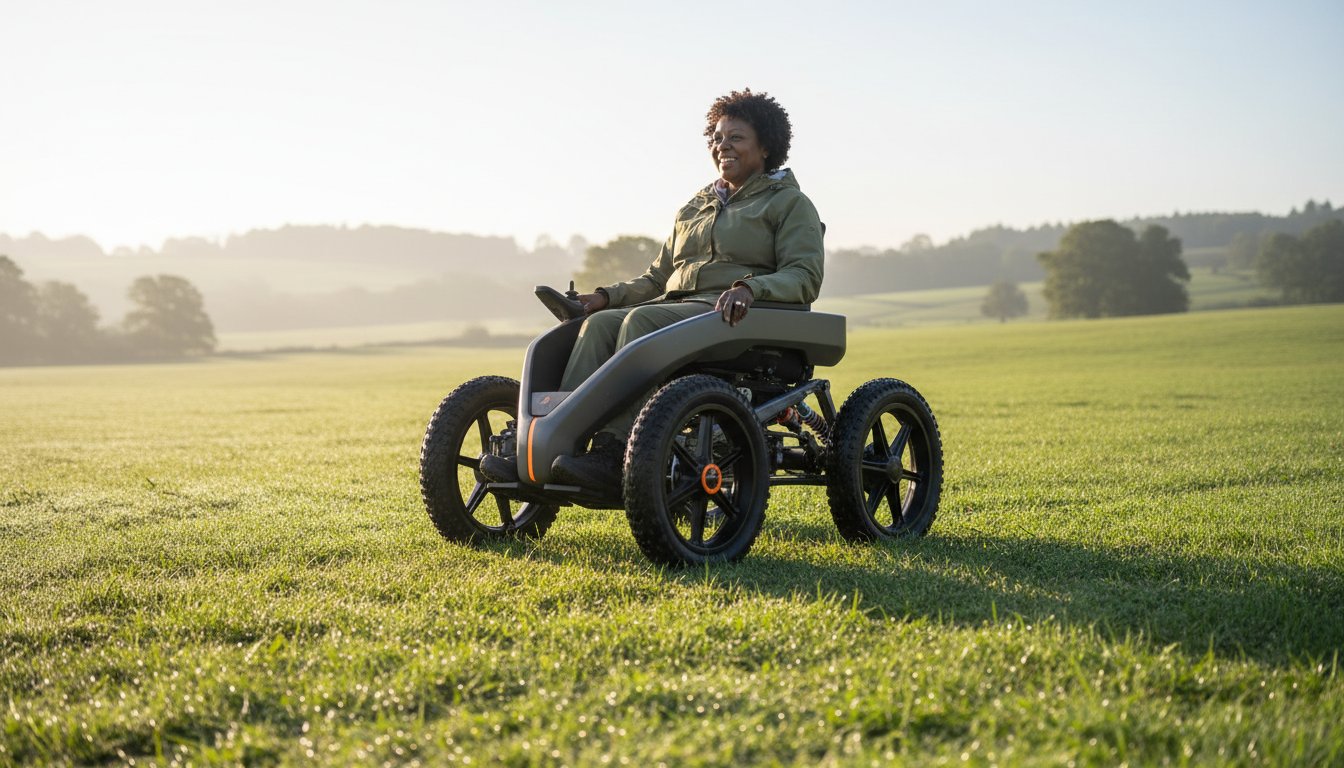
Reclaiming your independence in the UK often means moving beyond the smooth tarmac of high streets and shopping centres. Whether you're planning a weekend visit to a National Trust estate or simply want to join the family for a picnic on the village green, the terrain you face is often unforgiving. Standard indoor models aren't built for these environments. Grass creates significant rolling resistance, a physical force that requires your motors to work up to three times harder than they would on a flat pavement. Without a specialist powerchair for grass and fields, you risk getting bogged down or, worse, damaging your equipment.
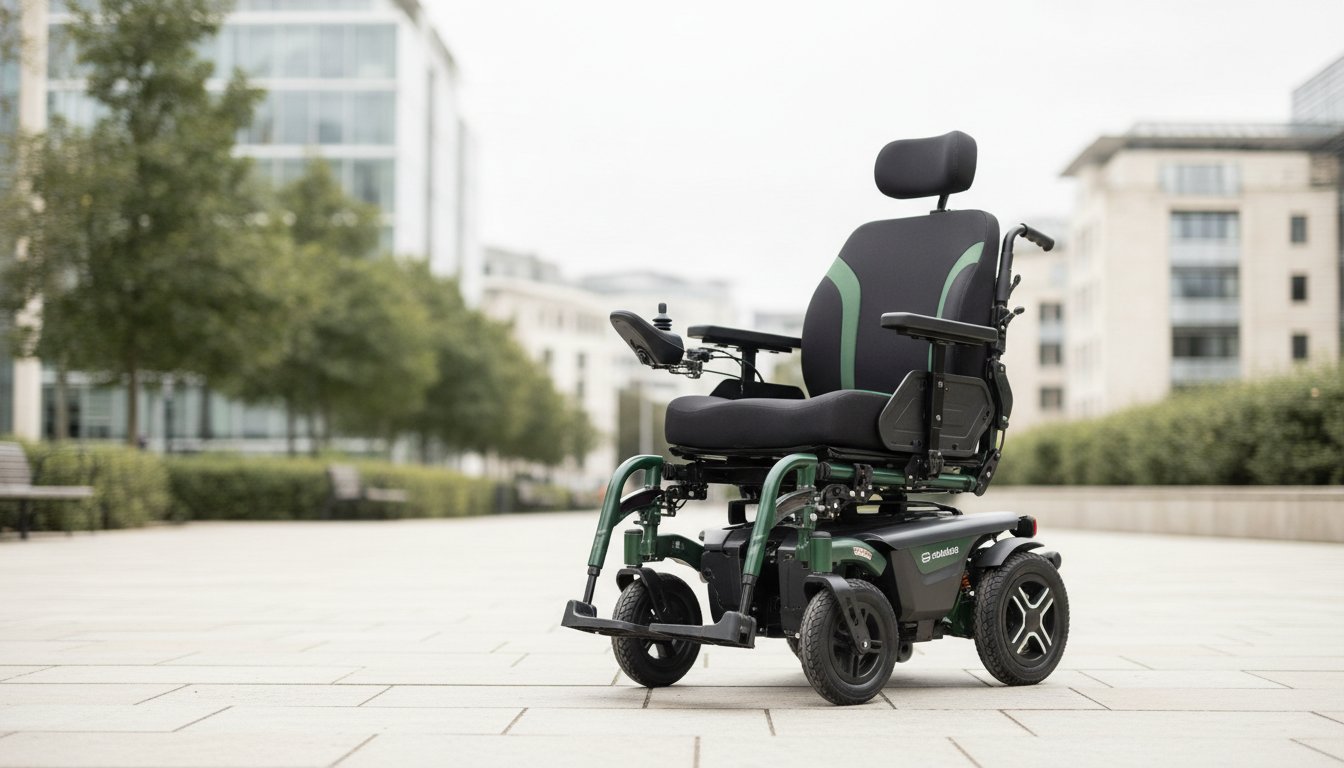
An all-terrain powerchair is a technical solution designed to bridge the gap between indoor mobility and outdoor adventure. These machines feature high-torque brushless motors and increased ground clearance. Protecting the chassis is vital; a standard chair with only 50mm of clearance will easily snag on thick tufts or hidden stones, potentially leading to costly repairs. By choosing a model built for the elements, you're not just buying a vehicle; you're regaining access to the sights and sounds of the British countryside that many take for granted. Understanding electric wheelchair technology is the first step in identifying why specific drive systems and battery types are necessary for the higher energy demands of off-road travel.
The Problem with Standard Powerchairs on Turf
- Wheel Sinkage: Small, solid wheels are designed for hard surfaces. On soft soil or damp turf, they act like blades, sinking into the ground and leaving you stranded.
- Motor Strain: Low-torque motors often overheat when they encounter the resistance of thick clover or a gentle 10% incline.
- User Fatigue: A lack of dedicated suspension means every lump and bump in the ground is felt directly through the seat. This often leads to joint pain and limits your time outdoors to just a few minutes.
Defining Your Terrain: Garden, Park, or Field?
It's important to be realistic about where you intend to travel. A short-mown lawn in a private garden requires less power than a wild meadow or a local football pitch. In the UK, moisture is your biggest enemy. Dry grass provides reasonable traction, but even a light morning dew can turn a field into a slippery hazard. You must also account for hidden obstacles. Rabbit holes, protruding tree roots, and uneven divots can easily tip a chair that lacks a wide, stable wheelbase. A high-quality powerchair for grass and fields provides the stability needed to navigate these unpredictable British conditions with total confidence.
The Technical Blueprint: What Makes a Powerchair Field-Ready?
Selecting a powerchair for grass and fields requires a shift in focus from portability to pure engineering resilience. In 2026, the industry has moved beyond simple adaptations of indoor chairs. We now see a specialized "Big Three" framework: high-torque brushless motors, high-traction pneumatic tyres, and independent suspension systems. These components work in unison to transform a difficult meadow into an accessible path, supporting the vital goal of making the countryside more inclusive for everyone. Motor torque is the critical rotational force required to break static friction and initiate movement when wheels are settled into thick turf or soft soil.
Modern 2026 designs have largely ditched heavy lead-acid batteries for Lithium-ion (LiFePO4) chemistry. This shift is crucial because soft ground increases rolling resistance, which can drain a standard battery 25% faster than flat pavement. Lithium-ion provides a consistent power curve, ensuring you don't lose speed or climbing ability as the charge drops. This reliability eliminates the "range anxiety" often felt when exploring rural UK landscapes far from a charging point.
Motor Power and Torque Requirements
Dual motors are essential for off-road stability. On high-friction surfaces like wet grass, independent motors allow for "tank-style" steering, providing the necessary grunt to turn without the wheels skidding. While peak power helps with top speed, sustained torque is what actually gets you up a 10-degree grassy incline. The latest 2026 motor controllers use intelligent sensors to detect surface resistance, automatically adjusting power delivery to prevent the wheels from spinning and "digging in" to soft turf. If you're looking for a machine with these exact specifications, you can explore our latest performance models to see how we've integrated this technology.
Tyre Profiles and Tread Patterns
The contact patch between your chair and the ground dictates your level of freedom. Pneumatic (air-filled) tyres remain the gold standard for vibration dampening on bumpy fields, though 2026 has seen a rise in "honeycomb" tyres that offer similar flex without the risk of punctures from thorns. A "knobby" tread pattern is vital; these deep grooves bite into mud rather than sliding over it. Wider tyres are also preferred because they distribute the chair's weight over a larger surface area, preventing the narrow-wheel "sinkage" that often strands lighter indoor models in damp soil.
Suspension Systems for Uneven Fields
Rural terrain is rarely flat. Independent front-wheel suspension is a non-negotiable feature for 2026 field-ready chairs, as it allows each wheel to move vertically to absorb ruts and hidden dips. Many premium models now feature adjustable shock absorbers, letting users stiffen or soften the ride based on their weight and the specific terrain. Safety is further enhanced by repositioned anti-tip wheels. These are set slightly wider and higher than on pavement-only chairs, providing a safety net on rural gradients without catching on every tuft of grass you encounter.
Comparing All-Terrain Options: Heavy-Duty vs. Folding Powerchairs
Selecting the ideal powerchair for grass and fields involves a direct trade-off between raw mechanical torque and everyday transportability. For UK users, this choice often dictates whether you can explore local National Trust parklands or if you're restricted to your immediate driveway. While older technology forced a choice between a heavy, immobile beast and a fragile indoor shopper, 2026 engineering has bridged the gap significantly.
Heavy-Duty Rigid Frame Powerchairs
Rigid frame models remain the gold standard for extreme off-roading. These machines often feature 4-pole motors and massive 75Ah batteries, providing the sustained current needed to tackle 10-degree inclines on wet turf without overheating. Their stability is unmatched because the chassis doesn't have the pivot points found in folding designs. This rigidity allows for bariatric weight capacities often exceeding 180kg (28 stone), ensuring the suspension performs consistently under load.
The primary constraint is logistics. A heavy-duty powerchair for grass and fields can weigh over 120kg. You won't be lifting this into a standard hatchback. Ownership usually requires a Wheelchair Accessible Vehicle (WAV) with a ramp or a heavy-duty hoist system. For users living directly on a farm or countryside estate, the lack of portability is a fair price for all-day adventures across uneven acreage.
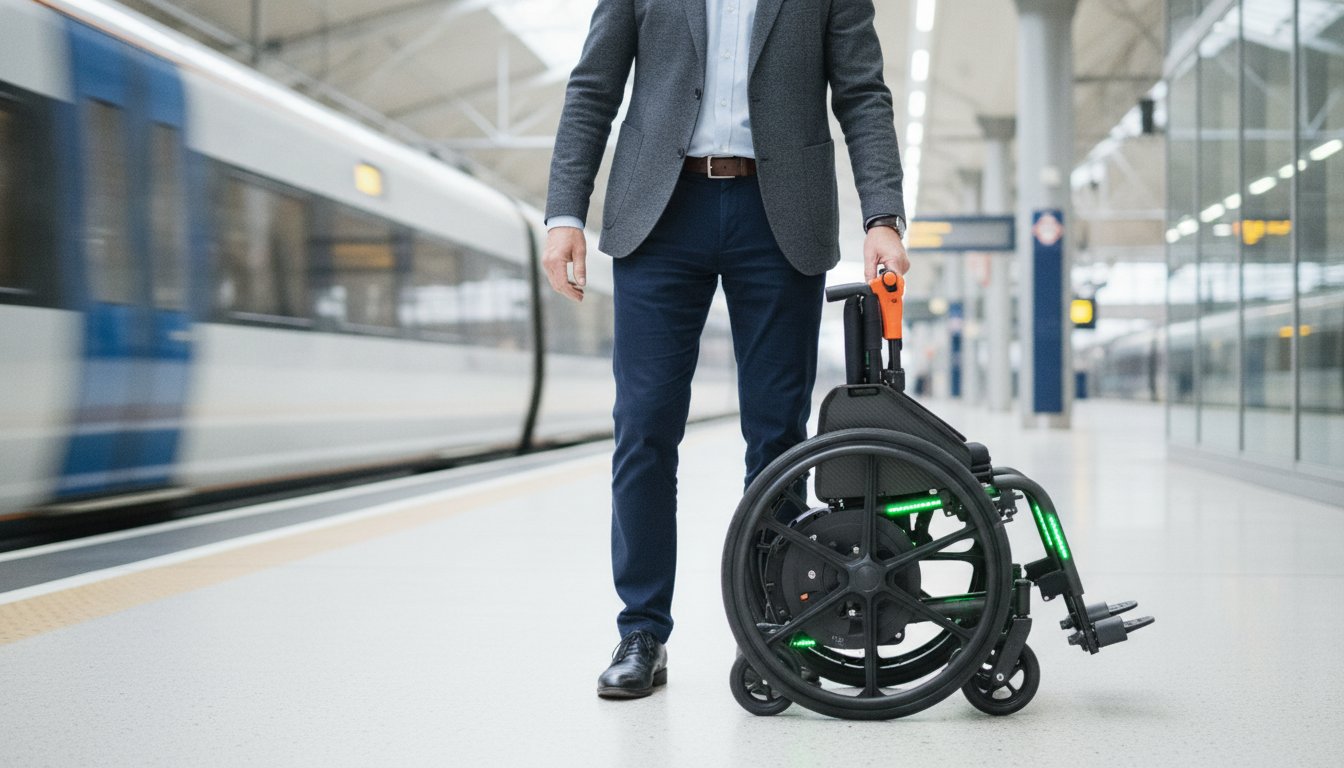
High-Performance Folding Powerchairs
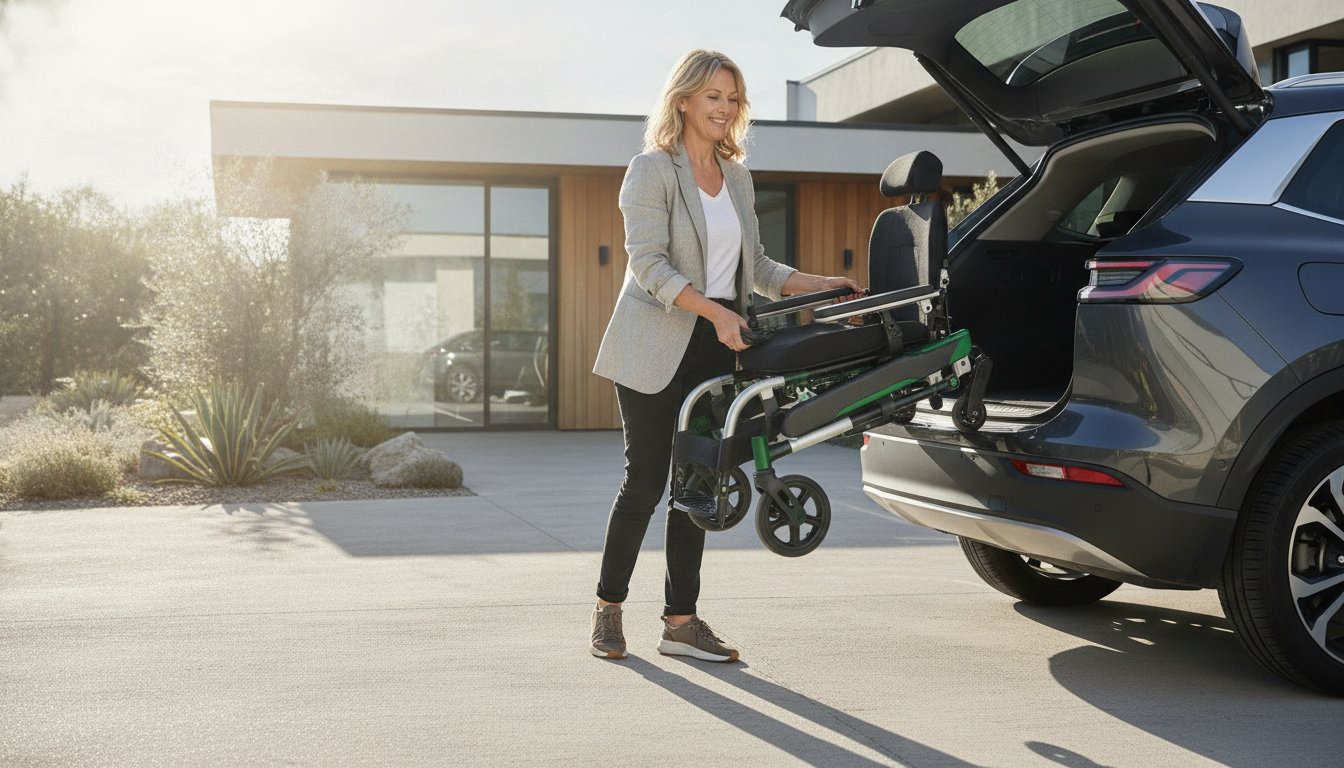
Modern engineering has transformed the folding electric wheelchair into a genuine contender for outdoor use. By utilizing 6061 aircraft-grade aluminium alloys, manufacturers have created frames that remain stiff under pressure while keeping the total unit weight between 25kg and 30kg. These chairs are often 'enough' for 85% of UK garden use, such as navigating mown grass, gravel paths, and firm meadow trails.
- Brushless Motors: These provide high torque-to-weight ratios, allowing smaller wheels to bite into soft ground effectively.
- Lithium-Ion Efficiency: Dual battery setups now offer ranges of 15 to 20 miles, sufficient for most afternoon excursions.
- Boot Portability: They fold in seconds, fitting into the boot of a standard family car like a Ford Focus or VW Golf.
Weight capacity is a vital metric here. Most high-performance folding models support up to 120kg or 150kg. If you're at the upper end of this limit, the chair's performance on thick, damp grass will dip as the motors work harder. However, for the average user, the freedom to drive to a distant forest park and simply 'fold-and-go' outweighs the extreme climbing capabilities of a rigid frame. It's about matching the tool to your specific UK lifestyle and transport limitations.
Practical Tips for Using Your Powerchair in Fields and Rural Areas
Owning a powerchair for grass and fields opens up the British countryside, but it requires a different approach than pavement driving. Battery range is the first factor you must recalculate. Thick turf and uneven soil create significant rolling resistance, which forces your brushless motors to work harder. You should plan for a 30% reduction in your usual mileage when venturing off-road. If your battery typically provides 15 miles of range on flat concrete, expect closer to 10 miles when navigating a damp meadow.
Safety on slopes is paramount for rural explorers. Always tackle gradients head-on rather than driving across the face of a hill. This keeps your centre of gravity stable and prevents the chair from tipping sideways. When navigating UK public footpaths, follow the 2021 Countryside Code update. Respect the land by keeping to designated tracks, leave gates as you find them, and ensure you carry a portable LED light if your excursion extends into the evening. Essential accessories for the UK climate include rear mudguards to protect your clothes and a waterproof joystick cover to shield sensitive electronics from sudden showers.
Driving Techniques for Grass and Soft Ground
Maintaining momentum is your best defence against getting stuck. If you stop in a soft hollow or a muddy patch, the initial torque required to move again might cause your wheels to spin and dig into the earth. Always approach transitions, such as where a gravel path meets a grassy field, at a 90-degree angle to keep both drive wheels engaged. Use your lower speed modes for maximum torque when climbing. This prevents the motors from overheating during sustained high-load activities and gives you finer control over technical terrain.
Post-Adventure Maintenance and Cleaning
The UK weather is famously unpredictable, often leaving paths muddy and slick. After a trip, use a stiff brush to remove dried mud and grass clippings from the motor housings and wheel arches. Avoid using high-pressure hoses or power washers, as water ingress can damage the battery connections and internal circuitry. Check your tyre pressure weekly. Keeping tyres at the manufacturer's recommended PSI ensures you maintain the largest possible contact patch with the ground, which is vital for maintaining grip on wet grass.
Finding Your Perfect Outdoor Match with Etech Motion
Choosing a powerchair for grass and fields isn't just about comparing motor wattage or battery range. It's about reclaiming the ability to join family walks in the park or navigate a local village fete without hesitation. Etech Motion focuses on delivering this independence to users across the UK by bridging the gap between high-performance engineering and real-world accessibility. Every model in our range undergoes rigorous evaluation to ensure it handles the unpredictable British weather and uneven terrain with ease.
Reliability matters when you're miles from the nearest pavement. That's why we provide comprehensive UK-based support and warranty services that give you peace of mind. Our technicians understand the specific demands placed on outdoor mobility equipment. If you need a repair or a technical adjustment, you aren't dealing with an overseas call centre; you're talking to specialists who know your chair inside out. We recommend trialling your chosen model on the specific surfaces you frequent most. This ensures the suspension and torque levels match your daily environment perfectly.
Why Etech Motion is the UK Specialist
We don't just sell mobility products; we curate them for the British landscape. All our models meet or exceed UK safety standards, including the BS EN 12184 requirements for electrically powered wheelchairs. Our team provides personalised advice to help you match brushless motor specifications to your local geography, whether you face steep Cotswold hills or muddy lakeside paths. To make the transition seamless, we offer nationwide delivery and professional assembly options. A specialist will set up your chair, demonstrate the controls, and ensure you're confident before your first adventure.
Next Steps to Outdoor Independence
Taking the next step is straightforward. You can view our full technical specifications online or book a consultation with our team to discuss your mobility goals. It's also vital to remember that most users with a long-term condition or disability qualify for VAT relief on their powerchair for grass and fields. This 20% saving makes premium outdoor mobility significantly more accessible. Don't let uneven ground dictate your boundaries anymore. Our Birmingham-based technical hub is ready to help you find a solution that restores your freedom.
Ready to transform your outdoor experience? Explore our heavy-duty and folding powerchairs today and find the model that fits your lifestyle.
Reclaim Your Freedom Across the British Countryside
Navigating the unpredictable UK landscape requires more than just standard mobility. It's about matching high-torque brushless motors with the right tyre tread to ensure you never lose traction on damp turf or uneven meadows. You've seen how technical specifications like ground clearance and battery range determine whether a day out is a success or a struggle. Whether you prioritise the rugged stability of a heavy-duty model or the versatile convenience of a folding frame, your choice dictates your level of independence in 2026 and beyond. Finding the right powerchair for grass and fields turns a restricted path into an open invitation for adventure.
Etech Motion stands as your dedicated partner in this transition. As a UK-based specialist in both heavy-duty and folding models, we provide the technical precision needed to tackle rural terrain with ease. You'll benefit from our expert support and free nationwide delivery on all orders, ensuring your journey starts with total peace of mind and local accountability. We're here to help you reclaim the joy of the outdoors with equipment built specifically for the elements. It's time to stop looking at the map and start exploring it with confidence.
View our range of outdoor-ready electric wheelchairs
Frequently Asked Questions
Can all electric wheelchairs go on grass?
No, many standard electric wheelchairs aren't designed for the resistance of soft or uneven terrain. Indoor models often feature small 6 inch castors that can easily sink into turf or get stuck in dips. To navigate outdoor spaces safely, you need a specific powerchair for grass and fields that features high-torque motors and a minimum ground clearance of 2 inches. Using a pavement-only chair on wet grass can lead to wheel spin and potential motor strain.
Will driving on grass damage my powerchair's motor?
Driving on grass won't damage a motor built for off-road use, but it does increase the mechanical workload. Thick grass creates 30 percent more resistance than smooth tarmac, which can cause older brushed motors to overheat during extended use. E-Tech Motion models utilise efficient brushless technology to manage this heat effectively. You should avoid forcing the chair through vegetation taller than the axle to prevent debris from wrapping around the drive shafts or clogging the braking system.
What is the best tyre type for fields and gravel paths?
Large pneumatic or honeycomb tyres with a deep knobby tread pattern offer the best performance on fields and gravel. These tyres provide the necessary traction to prevent slipping on wet blades of grass and absorb shocks from uneven clods of earth. For 2026, UK riders often prefer 12 inch or 14 inch rear wheels to ensure the chair stays on top of loose surfaces. Honeycomb tyres are a popular puncture-proof choice that still provides enough flex for a comfortable ride.
How much battery life do I lose when driving off-road?
You can expect to lose between 25 percent and 35 percent of your total battery range when moving from flat pavements to grassy fields. The motors draw more current from the lithium-ion cells to overcome the rolling resistance of soft ground. If your powerchair for grass and fields is rated for 15 miles on a smooth track, it's sensible to plan for a 10 mile journey when exploring local parks. Always check your battery gauge before heading onto hilly or muddy sections.
Are folding powerchairs strong enough for uneven park ground?
Yes, modern folding powerchairs use aviation-grade aluminium alloys that are engineered to support weights up to 150kg on varied terrain. These frames are designed to handle the torsional stress of uneven park ground without compromising the folding mechanism. While they remain lightweight for easy car boot storage, their reinforced joints provide the stability needed for outdoor adventures. Choosing a model with built-in front-wheel suspension further protects the frame and improves your comfort on bumpy trails.
What should I do if my powerchair gets stuck in mud?
Switch your chair into manual freewheel mode immediately if you feel the wheels spinning without movement. Attempting to use the motors to "power out" of deep mud can dig the wheels deeper and may damage the electronic controller. Ask a companion to help push the chair to firmer ground while the drive system is disengaged. Once you're back on a stable surface, re-engage the motors and clear any mud clods from the wheel arches to ensure the brakes function correctly.
Is it legal to drive my all-terrain powerchair on UK public footpaths?
You can legally drive your powerchair on UK public footpaths and bridleways under the Use of Invalid Carriages on Highways Regulations 1988. Most all-terrain models are classified as Class 2 or Class 3 vehicles, meaning they are permitted on pedestrian infrastructure. You must respect a speed limit of 4mph when sharing space with pedestrians. Ensure your chair doesn't exceed the standard 0.85 metre width limit so you can navigate UK kissing gates and narrow trail entrances without difficulty.
How do I clean my powerchair after using it in a field?
Use a damp cloth and a soft-bristled brush to remove dried mud and grass from the frame and tyres after your trip. Never use a pressure washer or a direct hose, as high-pressure water can bypass the seals on the joystick and battery connections. Pay close attention to the area around the motor axles where long grass can sometimes become tangled. Applying a silicone-based lubricant to the folding joints every 90 days will keep the mechanism moving freely after exposure to dust and moisture.