What if your front door wasn't a barrier, but the starting line for a brand new adventure? With over 600,000 people in the UK currently using these aids to stay connected to their communities, reclaiming your freedom has never been more achievable. You likely feel that a change in physical ability shouldn't lead to a loss of independence, yet the technical jargon surrounding modern mobilityscooters often creates more confusion than clarity. It's natural to feel overwhelmed by battery range specs or the legal distinctions between pavement and road use.
This guide changes that. You'll discover how to regain your autonomy by matching your specific lifestyle needs to the latest electric innovations. We'll provide a clear breakdown of the 2026 UK road laws, including the essential differences between 4mph and 8mph speed limits. You're going to learn about lithium-ion battery reliability and how to choose a model that's actually easy to transport. From technical specs to safety standards, we're giving you the knowledge to make your next move with total confidence.
Key Takeaways
- Learn how modern brushless motors and lithium-ion battery technology are revolutionising range and efficiency for a smoother, more reliable ride.
- Identify the essential differences between Class 2 and Class 3 mobilityscooters to ensure you choose the perfect model for your specific pavement or road travel needs.
- Master the legal requirements for UK ownership, including a clear guide to DVLA registration and staying compliant with the Highway Code.
- Discover why partnering with a UK-based specialist is critical for securing expert after-sales support and comprehensive "at-home" service guarantees.
What is a Mobility Scooter? Understanding Your Options in 2026
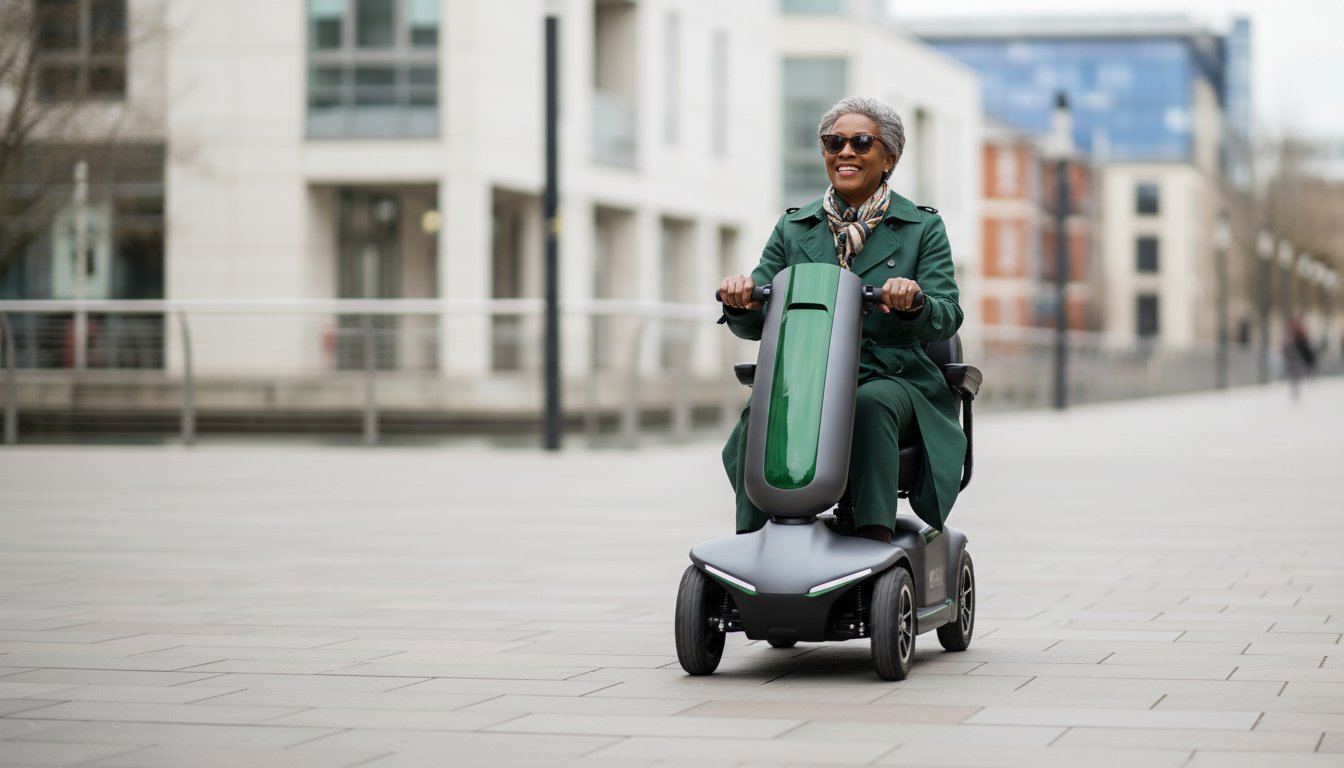
A mobility scooter is a sophisticated, electrically powered personal mobility vehicle (PMV) designed to restore freedom to individuals who find walking long distances challenging. By 2026, these machines have moved far beyond their clinical origins. Modern designs now prioritise sleek aesthetics and automotive-grade finishes, ensuring users feel confident and stylish while out in their communities. To answer the fundamental question, What is a Mobility Scooter?, one must look at how these machines have transitioned from heavy frames to lightweight, high-performance travel companions. They serve as a vital bridge to independence, allowing users to visit shops, parks, and friends without relying on external assistance.
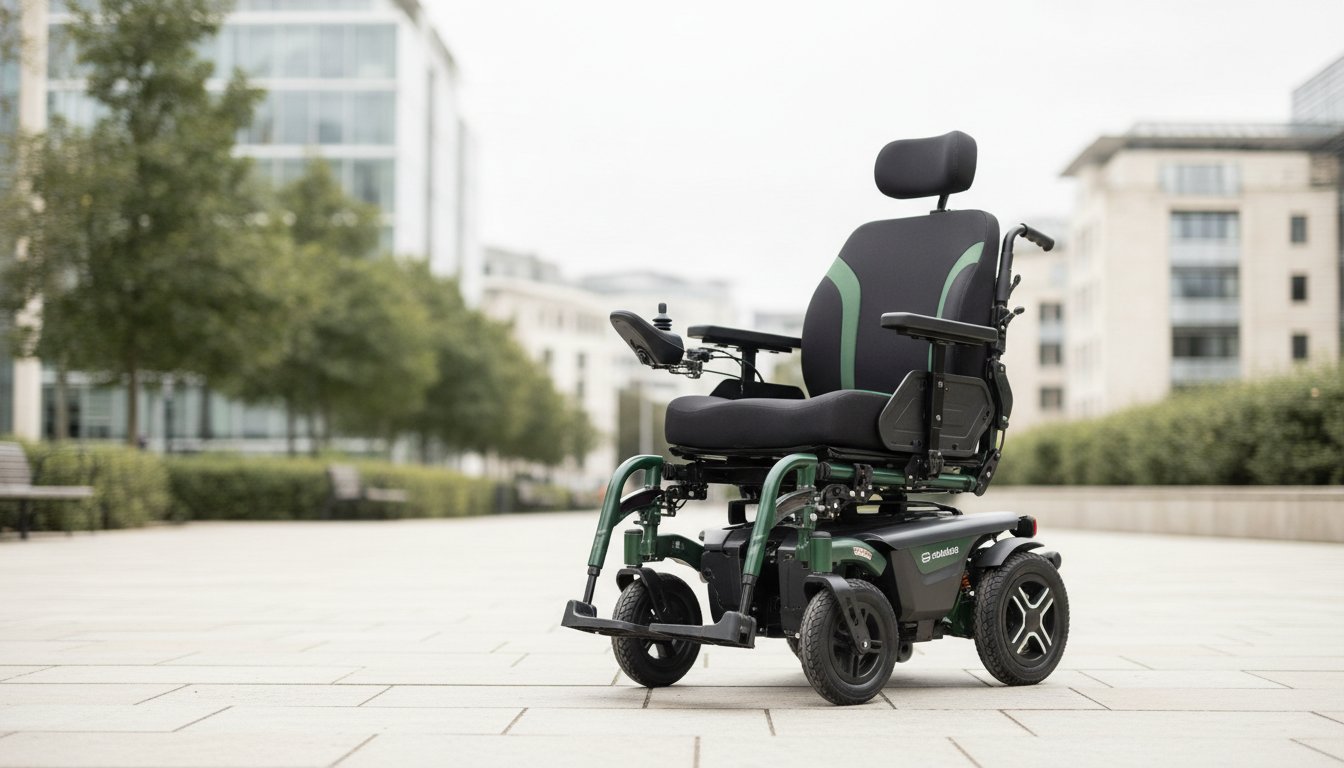
While often confused with electric wheelchairs, scooters serve a distinct purpose. A wheelchair is typically controlled via a joystick and is designed for users who require constant postural support or have limited upper-body strength. In contrast, mobility scooters use a steering tiller and are ideal for those who can sit upright and maintain some level of standing or walking ability. When searching for the best mobilityscooters online, it's vital to choose a model that aligns with your specific physical requirements and storage capabilities.
The Core Components of a Quality Scooter
The foundation of any reliable scooter is its chassis. In 2026, high-tensile aluminium and magnesium alloys are standard, providing a balance of strength and portability. The tiller acts as the command centre, housing the throttle, speed controls, and battery indicators. Ergonomics play a massive role in long-term comfort; therefore, look for adjustable tillers and swivel seating that can be tailored to your height and reach. This customisation prevents strain during extended trips to the high street.
Ride quality is largely dictated by tyre choice. You will generally choose between two types:
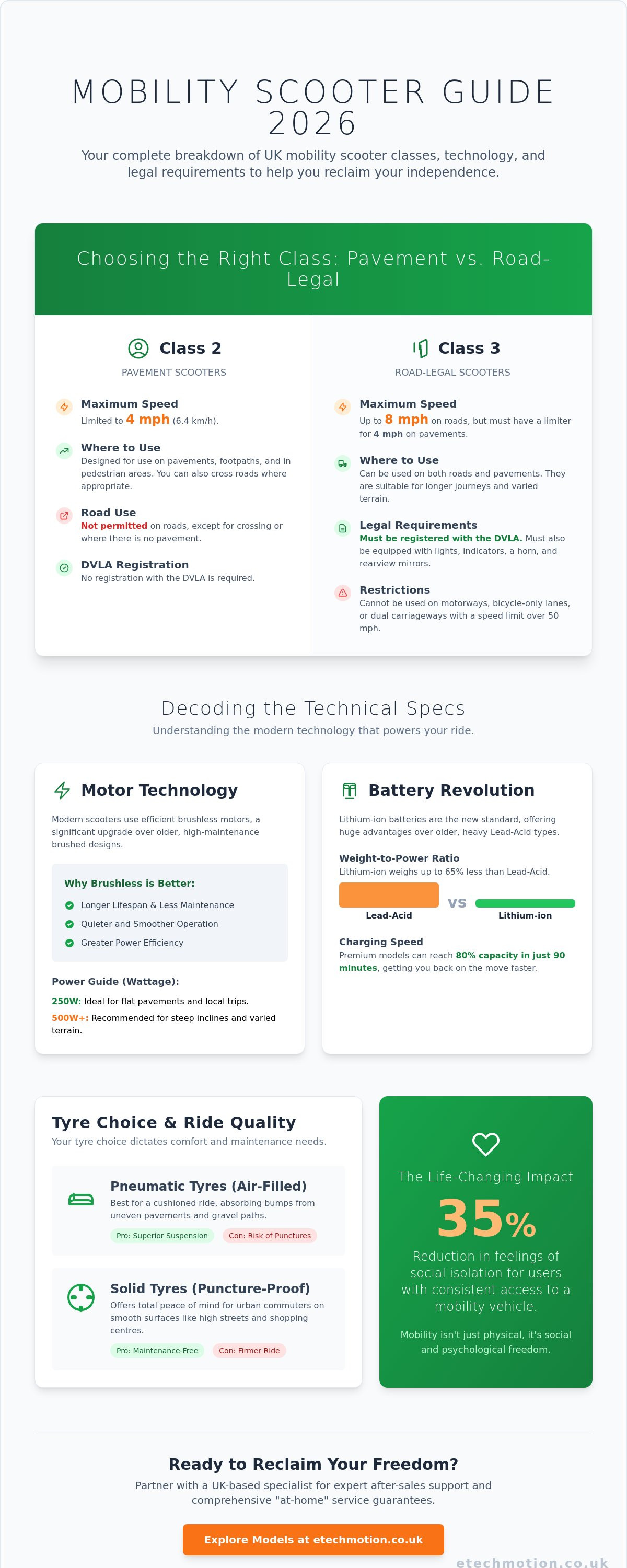
- Pneumatic tyres: These are air-filled and provide superior suspension, making them perfect for uneven pavements or gravel paths.
- Solid tyres: These are puncture-proof and maintenance-free, offering total peace of mind for urban commuters who stick to smooth surfaces.
Who Can Benefit from a Mobility Scooter?
The primary users include seniors and individuals living with chronic pain, arthritis, or respiratory conditions like COPD. For these groups, a scooter is a life-changing tool. Recent UK social studies indicate that consistent access to a PMV can reduce feelings of social isolation by 35 percent. This psychological boost is just as important as the physical assistance provided by the motor.
Modern mobilityscooters also cater to a younger demographic seeking lifestyle flexibility. Whether it's navigating a busy shopping centre, exploring a national park, or taking a foldable model on a cruise ship, these vehicles facilitate an active life. They aren't just about getting from A to B; they're about ensuring that no destination is off-limits because of physical fatigue. With UK-based support and rising safety standards, the transition to electric mobility has never been more accessible.
Decoding the Technical Specs: Motors, Batteries, and Range
The heart of any modern ride lies in its drive system. By 2026, the industry has almost entirely transitioned away from older brushed designs to embrace more reliable technology. Brushless motors now dominate the market because they lack the physical brushes that wear down over time. This engineering shift means you get a quieter ride and a motor that can last for years without needing a service. For users, this translates to fewer trips to the repair shop and more time enjoying the outdoors.
Motor Power and Torque Explained
Wattage determines the raw strength of your ride. A 250W motor handles flat pavements, but you'll want 500W or higher for steep inclines or off-pavement adventures. Torque provides the vital twisting force needed to start on a hill without rolling back. A brushless motor is a low-maintenance, high-efficiency propulsion system that eliminates internal friction to deliver more power from every charge. Always check the UK laws for mobility scooters to ensure your motor's speed settings comply with local pavement regulations.
The Lithium-ion Revolution
Lithium-ion batteries offer a superior weight-to-power ratio, often weighing 65% less than Lead Acid alternatives. This makes portable models significantly easier to manage. Premium 2026 models feature fast charging, reaching 80% capacity in just 90 minutes. It's essential to verify that your battery carries UKCA or CE safety markings. These certifications ensure the electronics meet rigorous UK safety standards and offer protection against overheating during rapid charge cycles.
The range of mobilityscooters isn't a fixed number; it's a variable influenced by your environment. A scooter rated for 20 miles might only achieve 15 miles if the user weighs over 100kg or if the temperature drops below 5 degrees Celsius. Cold weather slows down the chemical reactions inside the battery, which temporarily reduces capacity. To maximise your battery's lifespan, follow these practical steps:
- Avoid total depletion: Try to keep your charge level above 20%.
- Storage matters: Store your battery in a cool, dry place, but never in freezing conditions.
- Regular charging: Even if you don't use the scooter, charge the battery once a month to maintain cell health.
- Weight awareness: Every 10kg of extra cargo can reduce your total range by approximately 5%.
Modern Lithium cells prefer being kept between 20% and 80% charge. Following this simple rule can extend your battery's life to over 1,000 full charge cycles, compared to just 300 cycles for traditional Lead Acid versions. If you're ready to experience this level of efficiency, you can browse the latest high-performance mobility solutions designed specifically for the UK climate.
Understanding these technical elements ensures you don't just buy a scooter based on looks, but on its ability to handle your specific lifestyle. Whether it's the torque needed for a hilly coastal town or the fast charging required for a busy social schedule, the specs define your freedom. These advancements in mobilityscooters make the transition to electric transport feel both accessible and aspirational for every user.
Choosing the Right Class: Pavement Scooters vs Road Legal Models
Selecting your ideal ride requires more than just picking a colour. The UK legal framework defines exactly where and how you can operate different mobilityscooters. These regulations ensure your safety and the safety of those around you. Before you purchase, it's vital to understand the UK government rules for mobility scooters which divide these vehicles into two primary legal categories: Class 2 and Class 3.
The distinction between these classes affects everything from your maximum speed to whether you need to register with the DVLA. While both categories offer life-changing independence, your daily routine determines which one fits your lifestyle. If you primarily visit local shops or navigate busy high streets, a compact model is often best. For those tackling five-mile commutes or steep hills, a more robust, road-legal machine becomes a necessity.
Class 2: The Pavement Specialist
Class 2 models are designed exclusively for pavement use. These vehicles have a top speed of 4mph, which matches a brisk walking pace. Their compact dimensions make them the masters of tight spaces. Most Class 2 models feature a turning circle of less than 1.1 metres, allowing you to navigate narrow supermarket aisles or small cafes with ease. You don't need to register these with the DVLA, making the setup process quick and simple.
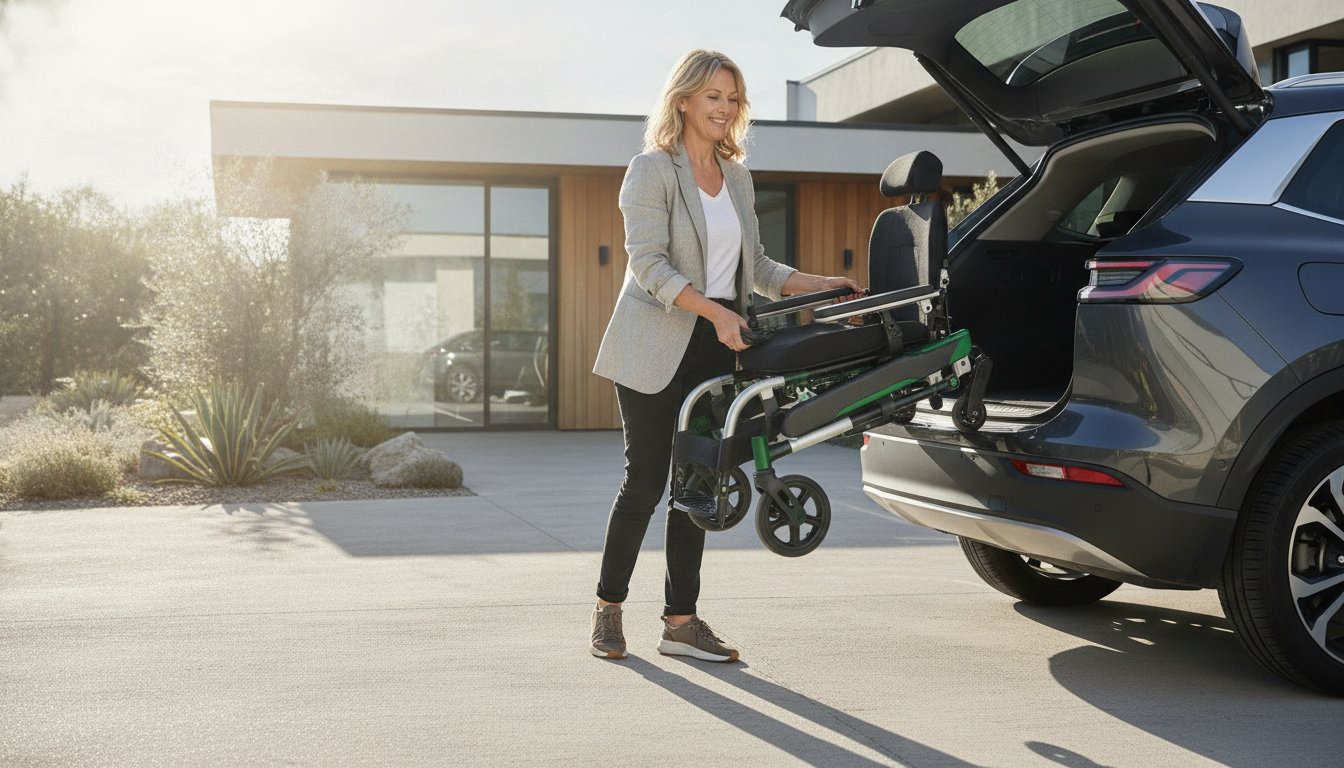
Many riders choose Class 2 because of their portability. These are often "boot scooters" that dismantle into four or five lightweight parts. The heaviest section frequently weighs less than 15kg, so you can easily lift it into a car boot. While they use smaller solid tyres to prevent punctures, they're perfect for flat, paved surfaces and indoor environments. They represent the ultimate tool for maintaining local independence without the need for a large storage shed.
Class 3: The Road-Ready Powerhouse
Class 3 mobilityscooters are built for the open road. These machines reach speeds of 8mph and must be registered with the DVLA, though you don't pay vehicle tax. To meet legal requirements, these models include a full lighting package. This includes high-visibility headlights, rear lights, indicators, hazard warning lights, and a horn. You'll also find a rear-view mirror as standard to help you monitor traffic safely.
These vehicles are significantly larger and heavier, often weighing over 100kg to ensure stability at higher speeds. They feature advanced suspension systems and pneumatic tyres that absorb shocks from uneven road surfaces. When you move from the road to the pavement, you must use a manual switch to cap the speed at 4mph. With larger batteries often providing a range of 25 to 35 miles, these powerhouses transform long-distance travel into an effortless experience.
Deciding between these classes depends on your environment. Ask yourself these three questions:
- Do you need to transport the scooter in a standard car? (Choose Class 2)
- Will you travel on roads without continuous pavements? (Choose Class 3)
- Is your storage space limited to a small hallway? (Choose Class 2)
E-Tech Motion focuses on providing the technical clarity you need to move forward. Whether you choose a nimble pavement model or a high-torque road vehicle, our UK-based support team ensures your transition to electric mobility is seamless and secure.
Practical Ownership: UK Laws, Maintenance, and Travel
Owning one of our mobilityscooters opens up a world of independence, but staying mobile means staying informed. From legal registrations to seasonal care, managing your vehicle ensures it remains a reliable partner for years. UK regulations are designed to keep you safe while providing the freedom you deserve.
If you opt for a Class 3 scooter capable of 8mph, you must register it with the DVLA. This process involves completing form V55/4 for new models or V55/5 for used ones. Although there's no fee for this and you won't pay vehicle excise duty, the DVLA will issue a V5C registration document to confirm your ownership. You don't need a driving licence to operate these vehicles, but you must be at least 14 years old to drive a Class 3 model on the road. All users must follow the Highway Code to ensure safety for themselves and others on the pavement.
Many UK scooter users qualify for the Blue Badge scheme. This provides access to dedicated parking bays and often exempts you from certain parking charges in town centres. It's an essential benefit that ensures you can park close to your destination, making every trip more efficient and less stressful.
Keep your ride in peak condition with this seasonal maintenance checklist:
- Monthly: Check tyre pressure and look for signs of wear or punctures to maintain grip.
- Winter: Store your battery indoors at room temperature; never leave it at 0% charge for long periods.
- Spring: Clean the chassis with a damp cloth to remove salt or grit accumulated from winter paths.
- Annual: Book a professional service to inspect the motor brushes and electrical connections.
Insurance and Public Liability
Insurance isn't a legal requirement in the UK, but we strongly recommend it. A standard policy protects you against theft, accidental damage, and third-party injury claims if an accident occurs. Most UK insurers require you to perform a standardised safety check every 12 months to keep the policy active. This small investment provides peace of mind while you're out exploring your community.
Taking Your Scooter Further: Car and Air Travel
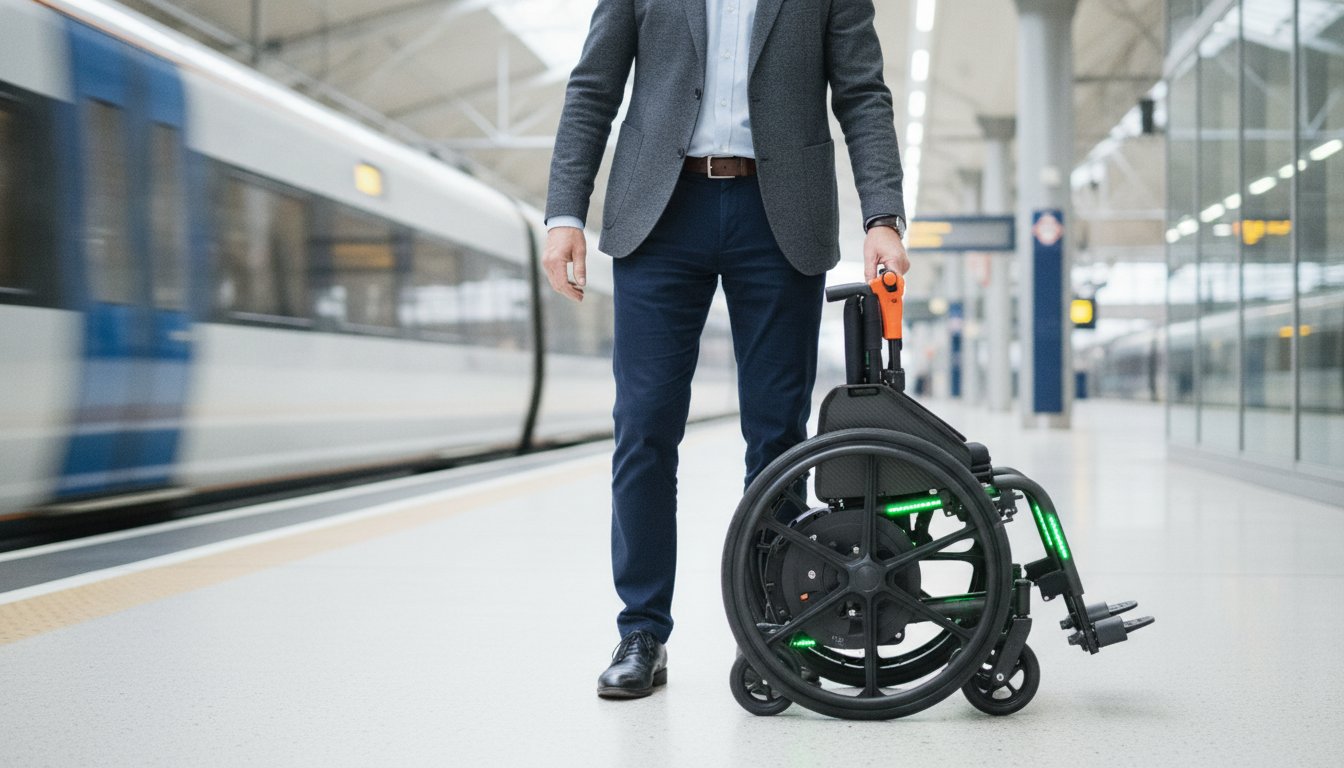
Modern mobilityscooters are built for more than just local trips. Folding models are perfect for car boots, while larger, non-folding units often require a mechanical hoist. These hoists can lift heavy-duty scooters into your vehicle effortlessly. If you're flying, pay close attention to IATA regulations regarding Lithium batteries. Most airlines permit a single battery up to 300Wh or two batteries up to 160Wh each. Always notify your airline at least 48 hours before your flight to ensure a smooth boarding process.
Finding Quality Mobility Scooters for Sale in the UK
Investing in mobilityscooters involves more than just comparing battery ranges; you're choosing a long-term mobility partner. Selecting a UK-based retailer is the most effective way to ensure your vehicle remains roadworthy for years. Local specialists provide a safety net that international sellers simply cannot match, especially regarding technical troubleshooting and genuine replacement parts. In 2026, the complexity of electric drive systems means that having an expert just a phone call away is a necessity rather than a luxury.
You should always evaluate the specifics of a warranty before committing. While a 12-month guarantee is the industry standard, the real value lies in "at-home" service guarantees. Many budget retailers require you to ship a 25kg or 80kg scooter back to a warehouse at your own expense for repairs. Avoid this logistical nightmare by choosing a provider that offers nationwide technician support. Expert telephone assistance is equally vital; often, a five-minute call with a technician can resolve a simple sensor or battery calibration issue without the need for a call-out.
Why a UK-Based Specialist Matters
Sourcing parts for "grey market" imports is a common pitfall for many buyers. Industry data shows that 40% of repair delays are caused by the unavailability of specific components for non-standardised imports. A UK specialist ensures that every model meets BS EN 12184 safety standards, which are specifically designed for British pavements and inclines. You also gain the benefit of nationwide delivery and setup. This "White Glove" service means a professional assembles the scooter, tests the lithium-ion cells, and demonstrates the controls in your own home, ensuring you're confident from the first mile.
Making the Final Decision
Your selection process should follow a clear "needs-first" framework rather than just price-shopping. Start with your primary environment: will you tackle steep hills or flat shopping centres? Next, consider portability: do you need a folding frame for a car boot or a heavy-duty Class 3 model for road use? Finally, verify the technical specs like motor torque and charging cycles. Don't let a low price tag distract you from these core requirements. Reliability is the ultimate cost-saver in the world of mobilityscooters.
Etech Motion acts as your specialist partner, bridging the gap between advanced electric technology and practical daily use. We focus on providing high-performance hardware backed by the dedicated UK support you need for total peace of mind. Our team understands the intricate mechanics of modern e-mobility and translates that expertise into reliable, everyday freedom for our community.
Browse our range of high-performance mobility scooters at Etech Motion and find the ride that transforms your independence today.
Take Control of Your Local Travel Today
Selecting the right mobilityscooters means balancing technical precision with your personal lifestyle needs. You've explored how 2026 technology offers enhanced motor torque and how Class 3 models provide the 8mph speed required for legal UK road use. By prioritizing features like lithium-ion battery efficiency, you ensure your ride delivers the consistent range needed for daily adventures. Reliability isn't just about the machine; it's about the team standing behind it.
E-Tech Motion provides 100% UK-based expert support to guide you through every technical specification and maintenance requirement. We provide nationwide delivery across the United Kingdom, ensuring your new ride arrives safely at your doorstep. Every purchase includes a full warranty and dedicated after-sales care to keep you moving forward with total confidence. Your journey toward sustainable, effortless independence starts with a single click. It's your time to enjoy the freedom of the open pavement.
Explore our expertly curated range of Mobility Scooters
Frequently Asked Questions
Do I need a licence to drive a mobility scooter in the UK?
No, you don't need a driving licence to operate mobility scooters in the UK. According to GOV.UK regulations, anyone over 14 years old can drive a Class 3 vehicle without passing a test or holding a provisional permit. You must still follow the Highway Code to ensure safety on public paths. This accessibility makes these vehicles a primary choice for maintaining independence without the administrative burden of traditional driving permits.
Can I take my mobility scooter on a bus or train?
You can take your scooter on most UK public transport, provided it meets specific size requirements. Most bus operators follow the CPT Code of Use, which permits Class 2 scooters up to 600mm wide and 1000mm long. National Rail policies allow most models under 1200mm in length. Always check with your local provider first, as some require a "Permit to Travel" before you board their fleet.
How often should I charge my mobility scooter battery?
You should charge your battery after every significant trip or once the power level drops to 50% capacity. Modern lithium-ion batteries perform best when they aren't fully depleted before being plugged in. If you aren't using your ride daily, connect it to the charger at least once every 14 days to maintain cell health. This routine ensures your mobilityscooters are always ready for your next adventure while extending the unit's lifespan.
Do I need to pay road tax for an 8mph mobility scooter?
You must register an 8mph Class 3 scooter for road tax, though the actual cost is £0. The DVLA classifies these as "invalid carriages" for taxation purposes, meaning they're exempt from standard fees. You'll receive a digital confirmation or a nil-value tax document annually to prove registration. It's a legal requirement for any vehicle capable of 8mph, even if you never pay a penny to the government.
What is the difference between a 3-wheel and 4-wheel mobility scooter?
The primary difference lies in the turning circle and overall lateral stability. A 3-wheel model offers a tighter 90-degree turn radius, making it ideal for navigating narrow aisles in local shops. Conversely, 4-wheel designs provide 25% more stability on uneven terrain or steep kerbs. Your choice depends on whether you value indoor agility or outdoor ruggedness for your daily travels across the UK's varied landscapes.
Can I use my mobility scooter on the road if it only goes 4mph?
You cannot legally drive a 4mph Class 2 scooter on the road except where there's no pavement or when you're crossing. UK law restricts these models to pavements and pedestrian zones to protect users from faster traffic. If you need to travel on the carriageway regularly, you must upgrade to a Class 3 model equipped with lights and indicators. This regulation keeps both pedestrians and scooter users safe in busy urban environments.
Are mobility scooters allowed on dual carriageways?
You can use a Class 3 scooter on dual carriageways, but you must use a flashing amber beacon at all times. It's illegal to drive on motorways or in cycle lanes designated by "no entry" signs. Safety experts recommend avoiding roads with speed limits over 50mph whenever possible. Using a beacon increases your visibility to fast-moving motorists by up to 300 metres in clear weather conditions, significantly reducing collision risks.
How do I register my mobility scooter with the DVLA?
You register your Class 3 vehicle by completing DVLA forms V55/4 for new models or V55/5 for used ones. This process creates a permanent record of ownership and ensures you're compliant with UK road laws. Once you've submitted the paperwork, you'll receive a V5C registration document within 4 weeks. This registration is essential for mobilityscooters intended for road use, providing the legal security you need for every journey.