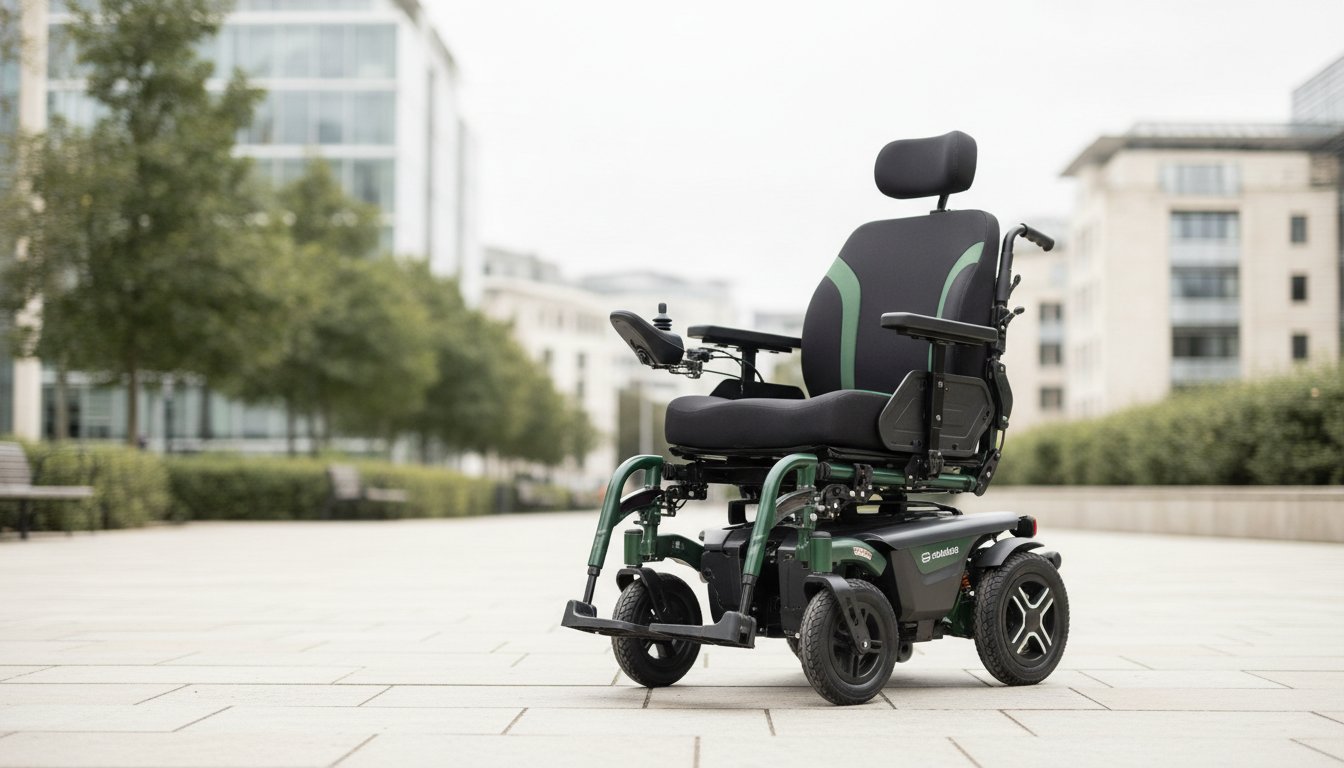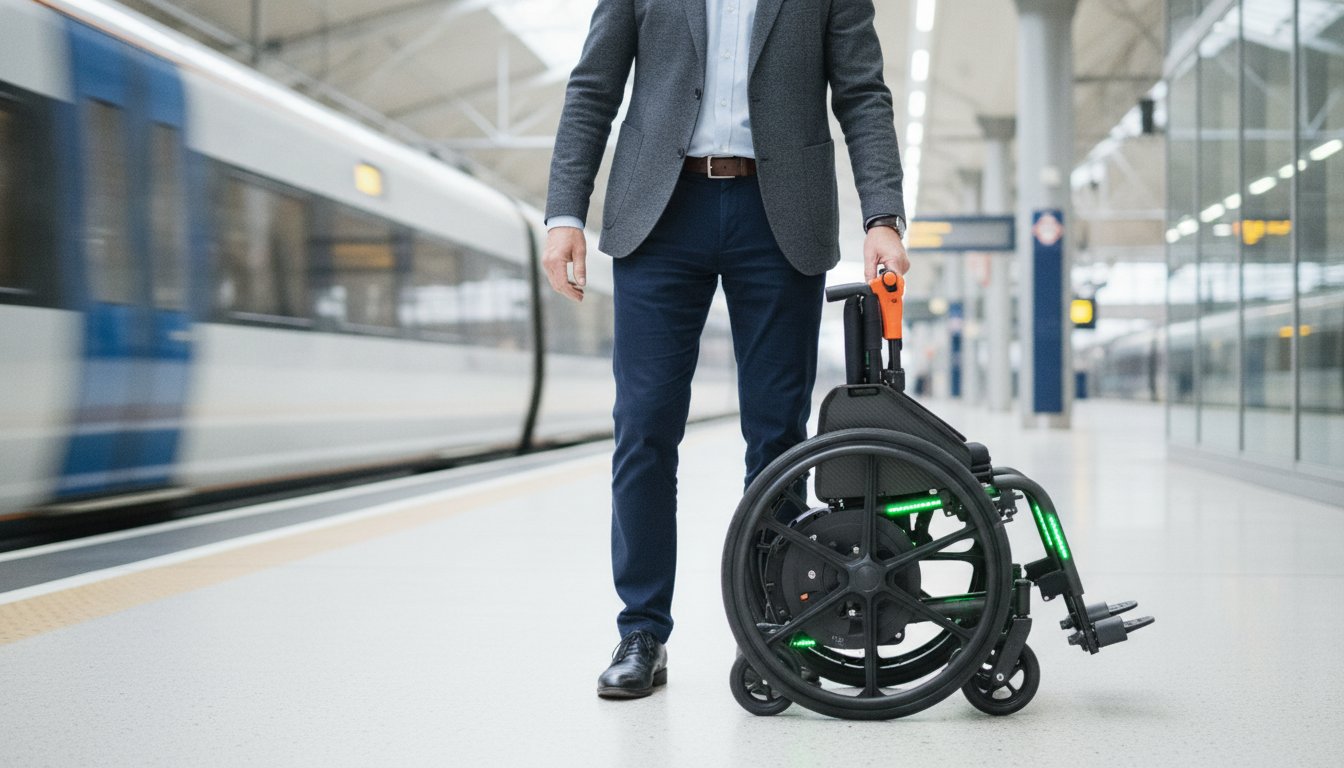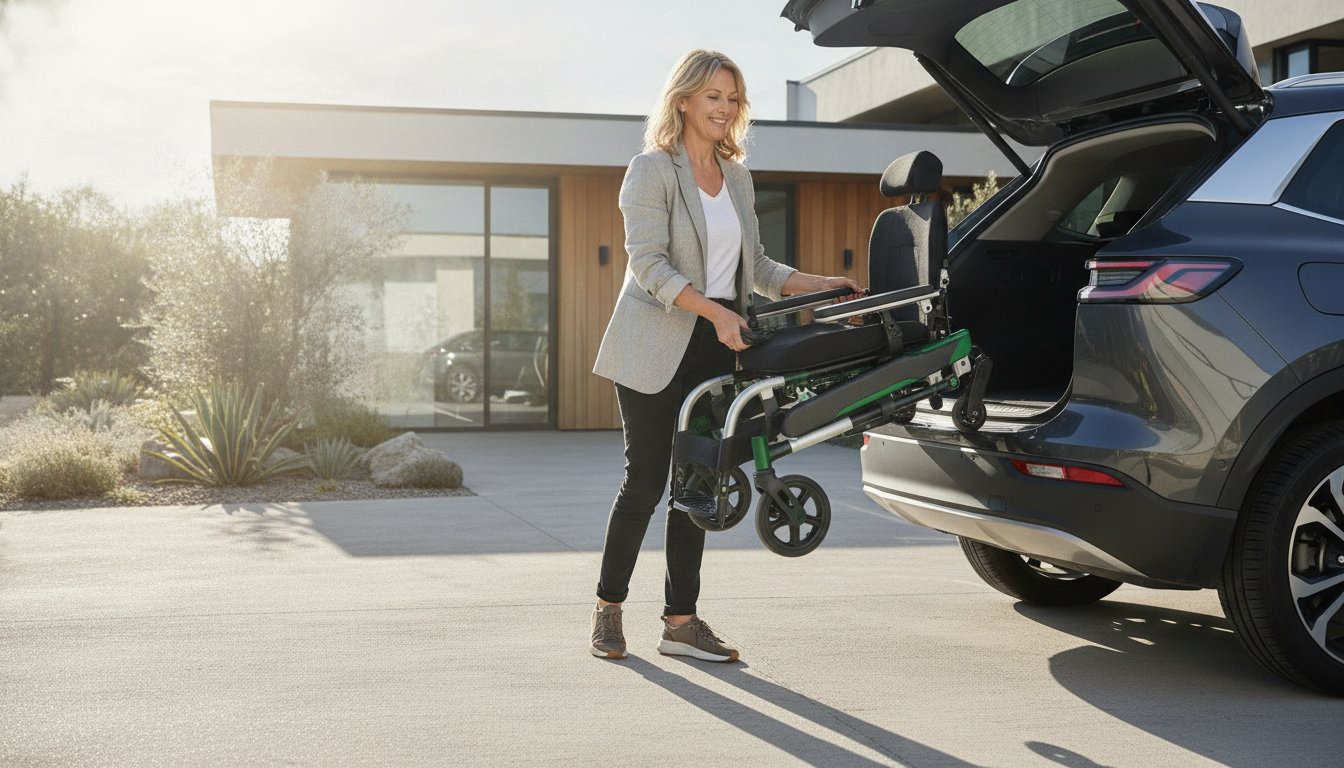

What if your next trip to the Lake District didn't require a specialized van or a team of helpers just to unload your gear? For many, the dream of spontaneous travel feels out of reach when faced with equipment that weighs over 25kg or requires complex assembly. You likely believe that a folding handicap scooter should be a bridge to freedom, not another source of frustration. It's exhausting to worry about whether a battery will fail mid-journey or if your hands have the dexterity to manage a manual fold after a long day of sightseeing.
We're here to turn that anxiety into absolute confidence. This guide shows you how to select a high-performance, lightweight model that meets strict UK airline and rail standards while providing the lithium-ion reliability you need for long-range adventures. You'll learn the essential technical specs, from brushless motor efficiency to automatic folding mechanisms that activate in under 20 seconds. We'll break down the top features that guarantee safety and portability so you can reclaim your independence across the British Isles without compromise.
Key Takeaways
- Understand the evolution of the modern folding handicap scooter and why these Class 2 vehicles are the ultimate solution for reclaiming your independence on UK pavements.
- Compare automatic remote-folding mechanisms against manual latches to determine which system best suits your physical needs and daily routine.
- Learn how to interpret weight and battery range specifications to ensure your scooter is perfectly compatible with your car boot and local UK terrain.
- Gain the confidence to travel via trains and planes by mastering UK CAA lithium battery regulations and National Rail's passenger assistance protocols.
- Discover how Etech Motion’s specialist UK-based support and professional engineering standards provide a reliable, high-performance path to effortless mobility.
What is a Folding Handicap Scooter? Freedom in a Compact Frame
A mobility scooter is traditionally seen as a bulky necessity, but modern engineering has transformed this perception into one of sleek, functional independence. A folding handicap scooter is a specialised Class 2 vehicle designed specifically for use on UK pavements and indoor spaces. These devices bridge the gap between heavy, fixed-frame models and the modern need for total portability. While the industry has transitioned from the term "handicap scooter" to the more contemporary "folding mobility scooter," the core goal remains the same: providing accessible movement for everyone.
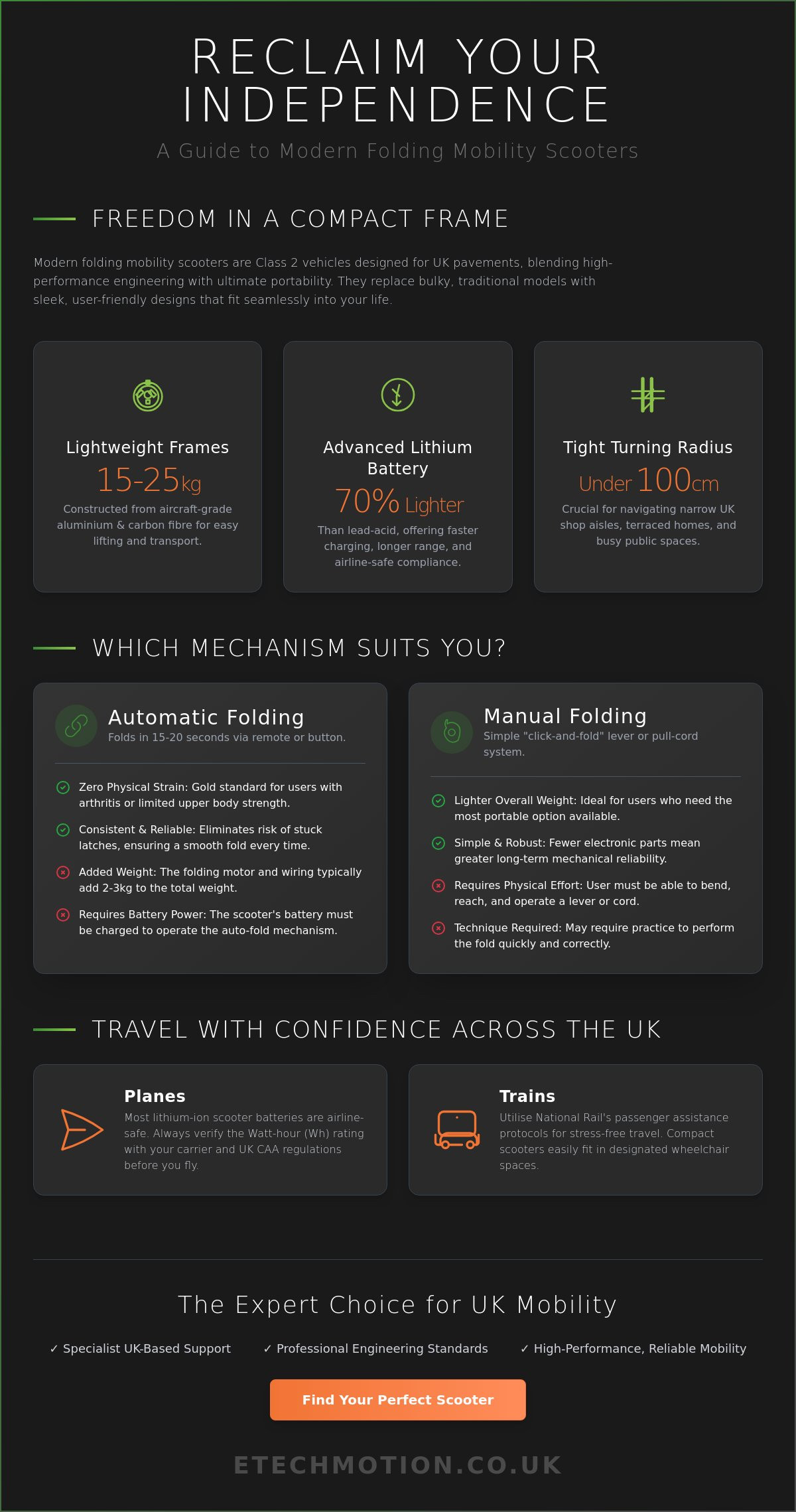
The primary benefit of these models is the ability to maintain independence without the need for expensive vehicle lifts or permanent ramps. By utilising advanced materials like aircraft-grade aluminium and carbon fibre, manufacturers have stripped away unnecessary bulk. It's now common to find frames that weigh between 15kg and 25kg, making them manageable for many users or their companions to lift. This evolution means your scooter is no longer a logistical challenge but a tool that fits into your existing lifestyle.
The Rise of Portable Mobility in the UK
Compact designs are essential for UK users, especially when navigating terraced homes with narrow hallways or smaller car boots. The most significant technological leap has been the shift from heavy lead-acid batteries to lithium-ion technology. Lithium batteries are often up to 70% lighter than their older counterparts and offer significantly faster charging cycles. Unlike full-sized road-legal models that require dedicated garage space, these portable versions are designed to be tucked away in a cupboard or left in the boot of a car, ready for the next outing.
Who Should Consider a Folding Model?
A folding handicap scooter is the ideal choice for frequent travellers, active retirees, and those with limited storage at home. When assessing your needs, it's vital to consider the environments where you'll spend the most time. These models are built for smooth outdoor pavements and indoor use rather than rugged off-road terrain. Key considerations include:
- Turning Circles: Many folding models feature a tight turning radius of under 100cm, which is crucial for navigating narrow UK shop aisles and busy cafes.
- Ease of Folding: Options range from manual folding mechanisms to remote-controlled "auto-fold" systems that activate at the touch of a button.
- Travel Compliance: Most lithium-ion batteries used in these scooters are airline-safe, though you should always verify the Watt-hour (Wh) rating with your carrier before flying.
Choosing a folding model ensures that your mobility aid adapts to your life, rather than forcing you to adapt your life to the equipment. It's about moving forward with confidence and style.
Automatic vs. Manual Folding: Which Mechanism Suits You?
Selecting the right folding handicap scooter involves balancing your physical capabilities with the environment where you intend to use the device. The folding mechanism is the heart of the scooter's portability, dictating how quickly you can transition from driving to storage. While both styles offer incredible freedom, they cater to different levels of dexterity and strength.Automatic Folding: The Touch of a Button
Automatic models utilise a small internal motor to collapse the chassis. Most designs operate via a handheld remote fob or a button located directly on the scooter's dashboard. Once activated, the scooter folds itself into a compact shape in approximately 15 to 20 seconds. Pros:- Zero physical strain: You don't need to bend down or pull levers, making this the gold standard for users with severe arthritis or limited upper body strength.
- Reliability in public: The folding process is consistent and eliminates the risk of a latch getting stuck due to improper alignment.
- Convenience: You can initiate the fold while standing a few feet away, which is helpful when preparing to load the device into a taxi.
Manual Folding: Simplicity and Weight Savings
Manual scooters rely on a "click and fold" system. This usually involves a single lever or a pull-cord that releases the locking pin, allowing the seat and tiller to collapse toward the floor deck. Pros:- Ultra-lightweight: Without the extra motors, manual scooters are often the lightest options on the UK market, making them easier to lift into a car boot.
- Mechanical reliability: There are fewer electronic components that could potentially fail, providing peace of mind for long-distance travellers.
- Price point: These models are generally more budget-friendly as they avoid the cost of automated actuators.
Key Specifications: Weight, Range, and Car Boot Compatibility
When you're browsing for a folding handicap scooter, the specification sheet can feel like a wall of data. It's vital to distinguish between total weight and the weight of the heaviest part. Total weight includes the battery, seat, and basket, but many high-quality folding models allow you to detach these components in seconds. If a scooter has a total weight of 28kg but the heaviest part is only 13kg, it becomes significantly easier to manage. You'll find that lifting a single 13kg chassis is a much safer prospect for most users than trying to hoist the entire unit at once.
Battery range is another area where real-world performance often deviates from laboratory testing. While a manufacturer might state a 10-mile range, this is usually based on a 70kg user riding on a perfectly flat surface. In the UK, factors like the steep hills of Bristol or the uneven pavements of older town centres will impact your mileage. Your own weight also plays a role; a user near the maximum capacity will drain the battery faster than a lighter individual. We recommend choosing a model with a range that exceeds your daily requirement by at least 25% to ensure you aren't left short of power.
Safety and durability depend on the weight capacity of the frame. Most portable scooters are engineered to support up to 120kg, which is roughly 19 stone. If you're close to this limit, the motor and suspension will work harder, potentially reducing the lifespan of the vehicle. For the best experience, look for a folding handicap scooter with a reinforced aluminium frame that offers a comfortable buffer above your body weight. You should also consider the tyre type. Solid, puncture-proof tyres are the standard for folding models because they offer total peace of mind. While pneumatic tyres provide slightly more cushioning, solid tyres eliminate the risk of being stranded by a flat tyre during an outing.
Measuring Your Car Boot for a Perfect Fit
Folded dimensions are far more important than the unfolded size when shopping online. A scooter might look compact, but its height when folded often determines if a hatchback boot lid will close properly. Measure your boot's width between the wheel arches, as this is usually the narrowest point. When lifting the scooter, use the chassis as a dedicated handle and keep your back straight to avoid injury. Ground clearance is the distance between the flat ground and the lowest point of the scooter frame; this is a critical spec for UK kerbs where a clearance of less than 45mm might cause the underside to scrape on uneven transitions.
Battery Technology and Charging
Modern folding scooters typically use Lithium-ion (Li-ion) batteries instead of older Sealed Lead Acid (SLA) versions. Li-ion packs are roughly 60% lighter and offer a much longer cycle life, making them the superior choice for frequent travellers. If you plan to take your scooter abroad, it's essential to consult the Civil Aviation Authority guidance regarding battery Watt-hour (Wh) limits. Most airlines require batteries to be under 300Wh for cabin carriage. Off-board charging is another convenient feature to look for; it allows you to leave the scooter in your car or hallway while you take just the lightweight battery pack inside to charge at any standard UK wall socket. To keep your battery healthy in the cold UK climate, always store it indoors during winter, as freezing temperatures can reduce the total capacity over time.
UK Travel Guide: Taking Your Scooter on Trains, Planes, and Buses
Traveling across the UK with a folding handicap scooter shouldn't feel like a logistical puzzle. Modern infrastructure and clearer regulations mean your mobility device is a passport to freedom rather than a burden. Whether you're navigating the London Underground or catching a cross-country coach, understanding the specific rules for each transport mode ensures a smooth journey from start to finish.
Flying with Your Folding Scooter
The UK Civil Aviation Authority (CAA) has specific safety protocols for lithium-ion batteries. Most airlines permit a single battery with a capacity of up to 300Wh, or two batteries if each does not exceed 160Wh. You must check these specifications on your battery casing before booking. It's essential to notify your airline's "Special Assistance" team at least 48 hours before departure. They'll guide you through the gate-checking process, which allows you to ride your folding handicap scooter right to the aircraft door. Always carry your battery’s Material Safety Data Sheet (MSDS). This document proves the battery meets international safety standards and prevents unnecessary delays at security checkpoints.
Trains and Public Transport Assistance
National Rail has made significant strides in accessibility. The "Passenger Assist" app is a vital tool for UK travellers, allowing you to book help at any station with just a few hours' notice. One major benefit of a folding model is that it often bypasses the strict "scooter card" requirements found on many regional lines. While fixed scooters must fit within a 100cm by 70cm footprint, a folded device is generally treated as standard luggage. On board, you should store your scooter in the designated luggage racks or the space between seat backs. This keeps the aisles clear for other passengers and protects your device from being bumped by heavy suitcases.
Bus travel in the UK operates under the Confederation of Passenger Transport (CPT) Scooter Permit scheme. To use local buses, your scooter must be Class 2, have a maximum width of 60cm, and a turning radius no greater than 120cm. Once you pass a quick assessment, you'll receive a permit sticker that tells drivers your device is safe for the designated wheelchair space. To keep your scooter in peak condition during transit, follow these steps:
- Remove the battery if the journey is long to prevent accidental activation.
- Use a dedicated travel bag to shield the frame from scratches and moisture.
- Ensure all levers and tillers are locked firmly in the folded position.
- Check for loose components after every journey to ensure nothing was vibrated out of place.
Ready to start your next journey with confidence? Explore our range of travel-ready mobility solutions and find the perfect lightweight scooter for your lifestyle.
Why Etech Motion is the Expert Choice for UK Mobility
Choosing a folding handicap scooter is about more than just finding a way to get around; it's about reclaiming your freedom with confidence. Etech Motion stands at the forefront of this transition, providing high-performance electric solutions that bridge the gap between technical excellence and daily practicality. We don't just sell products. We curate modern mobility tools designed for the unique demands of UK pavements and public transport. Every model in our collection undergoes rigorous quality assurance to meet strict safety standards, ensuring that your investment provides long-term reliability.
Authoritative Support and Expertise
Buying from a UK specialist offers security that generic online marketplaces simply cannot match. While global platforms often leave customers stranded with technical issues, Etech Motion provides dedicated, local expertise. We select every folding handicap scooter based on its capacity for durability and its ability to foster true user independence. Our mission extends beyond simple sales. We're committed to an eco-friendly future where sustainable transport is accessible to everyone. By choosing electric mobility, you're reducing your carbon footprint while gaining the autonomy to explore your community on your own terms. Our team understands the intricate mechanics of brushless motors and lithium-ion batteries, so you'll always have professional support just a phone call away.
Reliability is built into our service model through several key pillars:
- UK-Based Technical Support: Speak with experts who understand the specific regulations and terrain of the United Kingdom.
- Specialist Warranties: Every scooter is backed by a comprehensive warranty that provides a genuine safety net.
- Quality Assurance: We perform 100% of our safety checks in-house before any product reaches your door.
- Nationwide Delivery: Efficient shipping across the UK mainland ensures your new scooter arrives ready for action.
Ready to Move Forward?
Your journey toward effortless travel starts here. Our curated range features the latest advancements in folding technology, making it easier than ever to store your scooter in a car boot or take it on a train. If you're unsure which model fits your lifestyle, our expert support team is ready to provide personalised advice tailored to your specific mobility needs. It's time to embrace a smarter, more efficient way to travel and join the green transport revolution. View our folding mobility scooter range today and take the first step toward a more accessible future.
Reclaim Your Freedom Across the UK
Choosing the right folding handicap scooter transforms how you navigate your daily life, whether you're loading a 20kg lightweight frame into a car boot or navigating the 2,500+ railway stations across the United Kingdom. Modern mobility technology now balances effortless automatic folding mechanisms with the durability needed for consistent pavement travel. By selecting a model that meets CAA lithium-ion battery regulations, you ensure your independence isn't limited to your local high street. Etech Motion stands as a specialist in high-performance mobility technology, providing the technical precision and reliable UK-based expert support you need for total peace of mind. We offer nationwide delivery across the United Kingdom, ensuring your journey toward better mobility starts right at your front door. With many models offering a 10-mile range on a single charge, you'll have the power to explore city centres and parks with complete confidence. It's time to stop worrying about transport logistics and start focusing on your next adventure.
Explore our range of premium folding mobility scooters
Frequently Asked Questions
Can I take my folding mobility scooter on an aeroplane in the UK?
Yes, you can take a folding handicap scooter on a plane if the lithium-ion battery is under 300Wh to meet IATA safety standards. You'll need to notify your airline at least 48 hours before your flight to confirm they have space. Most UK carriers like British Airways and EasyJet transport these mobility aids free of charge, but you must provide the battery's Watt-hour rating during check-in.
Do I need a Blue Badge to use a folding handicap scooter?
You don't need a Blue Badge to operate a folding handicap scooter on UK pavements or in public spaces. Blue Badges are specifically for parking cars in designated disabled bays, not for using mobility equipment itself. However, having a badge is helpful if you're transporting your scooter by car, as it grants you access to closer parking in 90% of UK council parking zones.
How much weight can a lightweight folding mobility scooter carry?
Most lightweight folding scooters support a maximum user weight between 115kg and 135kg, which is approximately 18 to 21 stone. These limits are set to ensure the 250W brushless motor and aluminium frame remain stable on inclines of up to 6 degrees. Always check the specific manufacturer's data sheet, as exceeding these limits can reduce your battery range by 25% or more and strain the suspension.
Is an automatic folding scooter better than a manual one?
Automatic models are better for users with limited dexterity because they fold at the touch of a button in under 20 seconds. Manual versions are often 3kg lighter because they lack the extra motors and cabling required for remote folding. While automatic versions offer convenience, manual scooters provide a simpler mechanical design that many frequent travellers find more reliable for long-term use in various environments.
Can I use a folding mobility scooter on UK pavements and roads?
You can use your folding scooter on all UK pavements, but you shouldn't use it on the road unless there's no pavement available. These units are Class 2 vehicles, which limits their legal speed to 4mph. Because they lack the indicators and mirrors required by the Highway Code for Class 3 vehicles, they aren't permitted on dual carriageways or roads with speed limits over 30mph.
How long does the battery last on a portable folding scooter?
A standard portable scooter battery typically lasts for 10 to 15 miles on a single full charge. This range depends on the 24V lithium-ion battery capacity and whether you're navigating flat city paths or hilly terrain. Charging the battery from empty takes between 4 and 6 hours using a standard UK 3-pin plug, so it's easy to top up the power overnight or at your destination.
Are folding mobility scooters waterproof for UK weather?
Most folding scooters have an IPX4 rating, which means they're resistant to light rain and splashes but aren't fully waterproof. You shouldn't drive through deep puddles or leave the device outside during heavy downpours. To protect the sensitive electronic controller and LCD display from moisture, we recommend using a waterproof tiller cover if you're caught in a typical British rain shower while out and about.
Do I need to register my folding scooter with the DVLA?
You don't need to register a folding scooter with the DVLA because they're classified as Class 2 medical devices. Registration is only a legal requirement for Class 3 scooters that can reach speeds of 8mph and are equipped for road use. Since folding models focus on portability and are restricted to 4mph, they're exempt from road tax and don't require a registration plate or annual insurance by law.