What if the four walls of your home weren't the boundary of your world, but merely the starting line for your next adventure? You likely feel that a mobility aid should expand your horizons, yet the reality often involves worrying if a battery will last a 10-mile trip or if a heavy frame will fit into a standard Ford Focus boot. It's a common frustration that can make the world feel smaller than it should. Modern electrically powered wheelchairs are designed to bridge this gap, combining high-torque brushless motors with the portability needed for spontaneous family days out.
In this 2026 guide, you'll discover how to reclaim your independence by choosing technology that works for you, not against you. We'll demystify lithium-ion charging cycles and explain why a 25kg folding frame is a game-changer for UK travel. From technical reliability to finding the perfect fit for your lifestyle, we're providing everything you need to move forward with confidence.
Key Takeaways
- Understand how the latest brushless motors and lithium-ion battery technology provide quieter, more efficient travel and faster charging for modern users.
- Identify whether a lightweight folding model for easy transport or a heavy-duty all-terrain power chair best aligns with your personal mobility goals.
- Learn how to navigate UK safety regulations and secure 20% VAT relief to make your investment in premium mobility more affordable.
- Discover the critical role of UKCA marking and professional pre-delivery inspections when choosing high-quality electrically powered wheelchairs.
Redefining Independence: What are Electrically Powered Wheelchairs in 2026?
An electrically powered wheelchair represents the pinnacle of personal mobility in 2026. These aren't merely seats on wheels; they're sophisticated transport solutions driven by high-efficiency brushless DC motors and controlled via precision joysticks or advanced attendant systems. To understand the technical evolution of these devices, it's helpful to look at What are Electrically Powered Wheelchairs and how they've transitioned from heavy, lead-acid based frames into the sleek, lithium-ion systems we see today. Modern models now feature smart sensors that adjust power output based on the terrain, ensuring a smooth ride whether you're on a flat pavement or a gravel path.
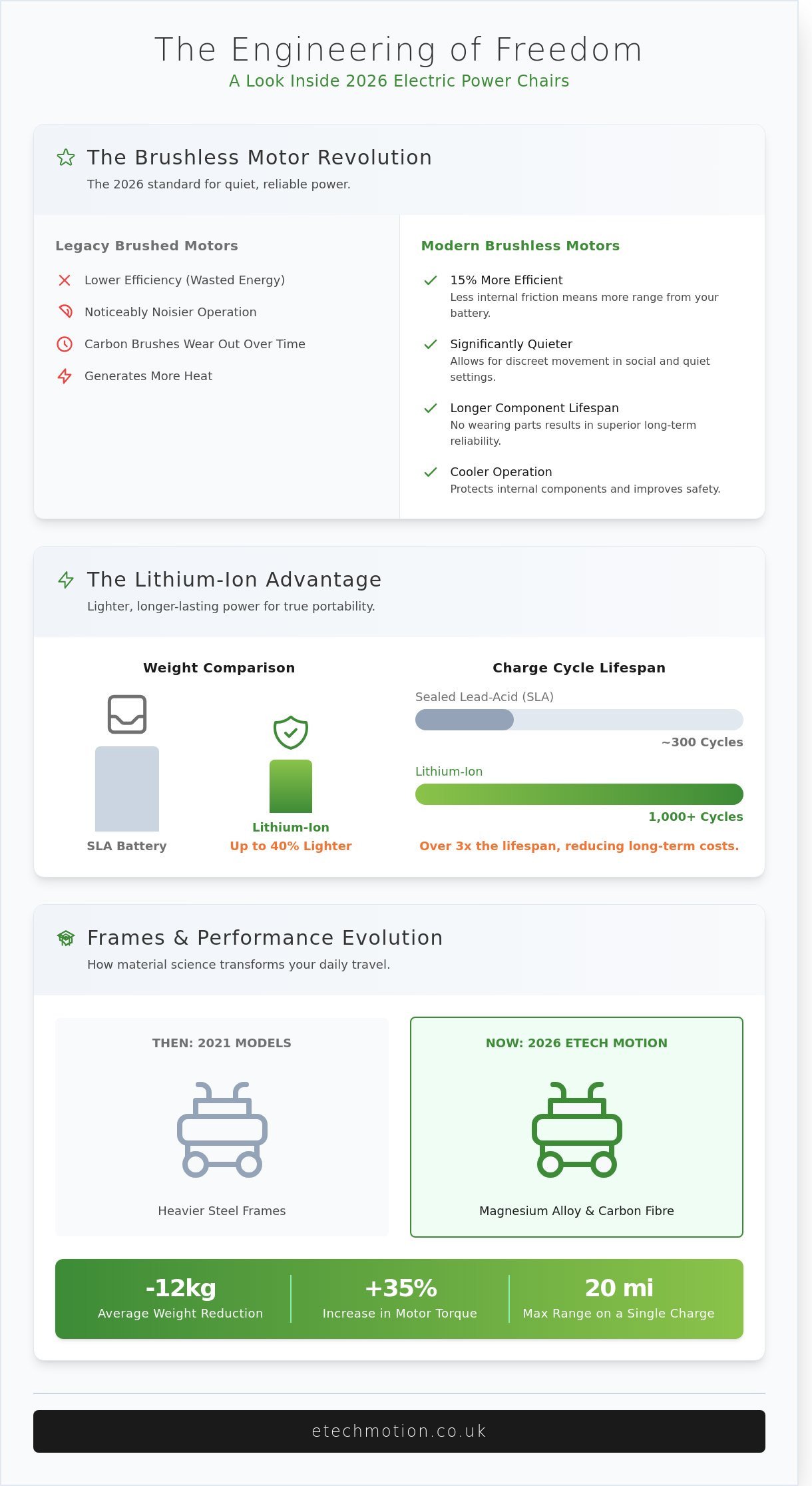
The industry is moving away from the traditional 'wheelchair' label in favour of 'power chair'. This distinction is vital for your lifestyle. While a manual chair often requires significant upper-body strength or the constant presence of a carer, a power chair prioritises the user's agency. It's the difference between being a passenger and being a driver. Engineering breakthroughs in 2025 led to the widespread adoption of magnesium alloy and carbon fibre frames. These materials have reduced average chassis weight by 12kg compared to 2021 models, while simultaneously increasing motor torque by 35%. This means users can now enjoy a range of up to 20 miles on a single charge, making a full day out in Birmingham city centre entirely feasible.
The psychological impact of this shift is profound. Moving from 'assisted' movement to 'autonomous' travel changes how you interact with your environment. A 2024 UK mobility study indicated that 86% of users felt a significant boost in social confidence after switching to electrically powered wheelchairs. When you aren't worried about the physical toll of a steep ramp or an uneven kerb, you can focus on the experience itself. You're no longer limited by your physical stamina; you're limited only by where you want to go.
The Core Benefits of Power over Manual
Effortless navigation is the primary advantage. You can tackle 12-degree inclines without breaking a sweat, which is essential for hilly areas around the West Midlands. This energy conservation is a game-changer for users with fatigue-related conditions like Multiple Sclerosis or Chronic Fatigue Syndrome. Instead of using all your energy just to move, you save it for enjoying the destination. Most importantly, it allows you to maintain a walking pace of 4mph, so you're always side-by-side with your family rather than trailing behind.
Modern Aesthetics: Erasing the Medical Stigma
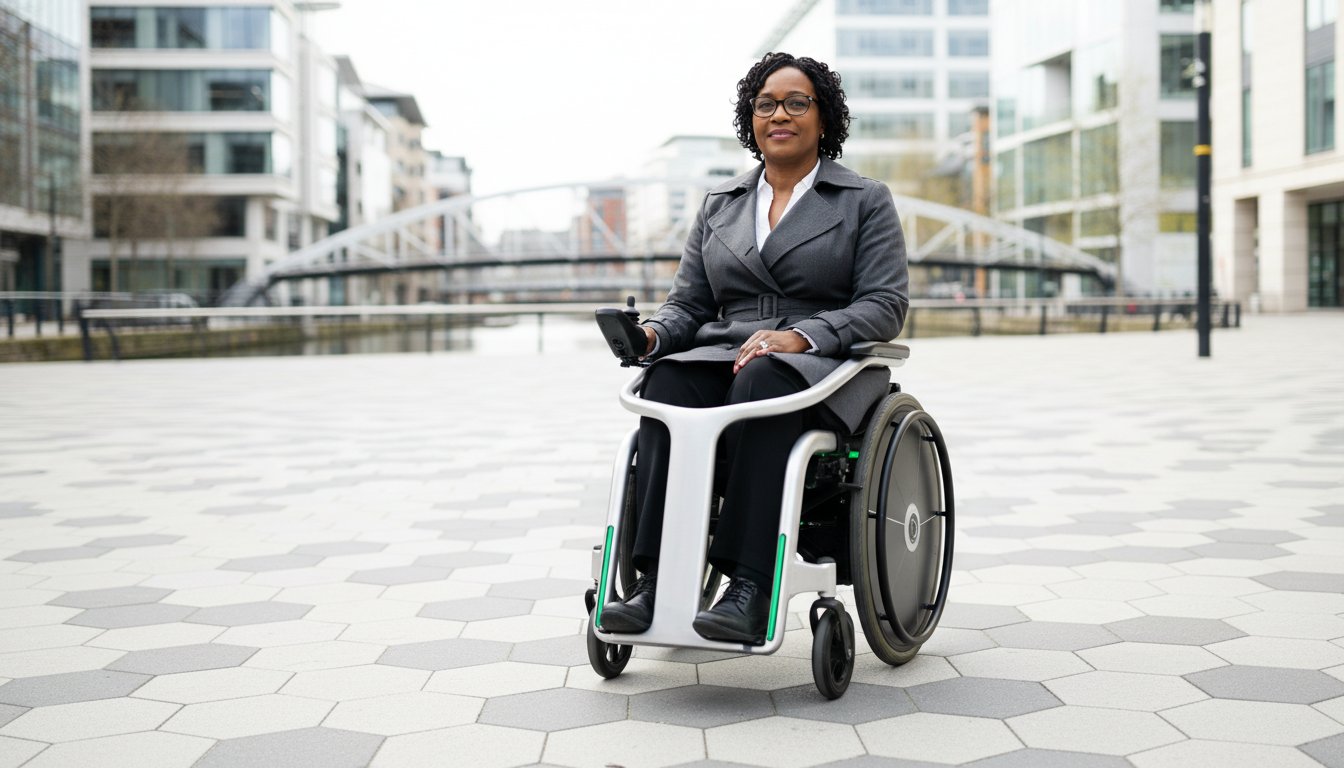
Designers have finally ditched the 'hospital' aesthetic. Electrically powered wheelchairs in 2026 look like high-end tech products, featuring matte finishes, integrated LED safety lighting, and streamlined silhouettes. You can customise your ride with over 15 different colourways and ergonomic seating tailored to your posture. This lifestyle-first approach ensures the equipment reflects your personality. When a device looks like a piece of premium technology rather than a medical necessity, it removes social barriers and reinforces the user's sense of self-worth and style.
The Engineering of Freedom: Understanding Motors, Batteries, and Drive Systems
Modern electrically powered wheelchairs are no longer just mobility aids; they're feats of precision engineering designed for the diverse British landscape. By 2026, the transition to brushless motors has redefined expectations for reliability and efficiency. These motors lack the carbon brushes that wear out in older models, resulting in a system that is 15% more efficient and significantly quieter. This silence allows for discreet movement in social settings, while the lack of internal friction means less heat generation and a longer lifespan for the internal components. When you're exploring the quiet galleries of the Birmingham Museum and Art Gallery, this noise reduction makes a world of difference.
When selecting electrically powered wheelchairs for urban use, battery chemistry is a critical factor. Lithium-ion technology serves as the catalyst for the lightweight, foldable designs seen across the West Midlands today. These batteries weigh up to 40% less than the sealed lead-acid units common a decade ago. Beyond weight, the charging cycles have improved. A high-quality lithium battery can handle 1,000 full charge cycles before seeing a drop in capacity, whereas older tech often degraded after just 300. This longevity translates to lower long-term costs and consistent performance during long days out.
Drive wheel placement fundamentally alters the driving experience and determines where you can go. Every configuration has specific benefits:
- Front-Wheel Drive: Excellent for tackling 50mm kerbs and navigating soft grass in Cannon Hill Park.
- Centre-Wheel Drive: Provides a "turn-on-a-sixpence" 360-degree rotation, ideal for small lifts and narrow shop aisles.
- Rear-Wheel Drive: Offers superior tracking at the 4mph or 8mph speed limits, providing a predictable feel on long stretches of pavement.
Control systems have also evolved into highly customisable interfaces. Modern joysticks can be programmed to adjust for tremors or limited hand strength, ensuring the user remains in total command. These systems often use "hall effect" sensors to detect movement without physical contact between parts, which has reduced mechanical failure rates by 22% compared to 2020 standards. This level of precision allows for confident navigation through crowded areas like the Bullring or New Street Station.
Power and Torque: Navigating the UK Terrain
In the UK, motor torque is far more vital than top speed. High torque allows a chair to maintain a steady pace when climbing a 1:12 gradient or moving through thick carpet. Safety on these inclines is guaranteed by electromagnetic brakes. These fail-safe systems lock the wheels the moment power is cut or the joystick is released. Understanding these mechanical limits is essential for following UK regulations for powered wheelchairs. Modern suspension systems now come standard on premium models, using coil-over-shocks to dampen the vibration from uneven Victorian paving stones.
Battery Life and Charging Best Practices
Advertised ranges often reflect flat indoor surfaces. In the real world, a 15-mile range might drop to 11 miles if you're navigating the hilly terrain of the Jewellery Quarter or facing a brisk UK headwind. To protect your investment, avoid "deep discharging" the battery; keeping the charge between 20% and 80% can extend its total life by up to two years. For those heading abroad, ensure your battery pack is IATA compliant, typically requiring a capacity under 300Wh. You can explore our technical guides to learn more about optimising your chair's performance for your next adventure.
Folding Portability vs. Heavy-Duty Power: Which Suits Your Lifestyle?
Selecting the right hardware is a pivotal decision that dictates how easily you can explore Birmingham and beyond. Modern electrically powered wheelchairs fall into two distinct categories designed for different daily routines. You'll need to decide whether your priority is a chair that fits into the boot of a Ford Focus or one that can handle the steep inclines of the Lickey Hills without hesitation. This choice isn't just about the device; it's about how it integrates with your home, your vehicle, and your sense of adventure.
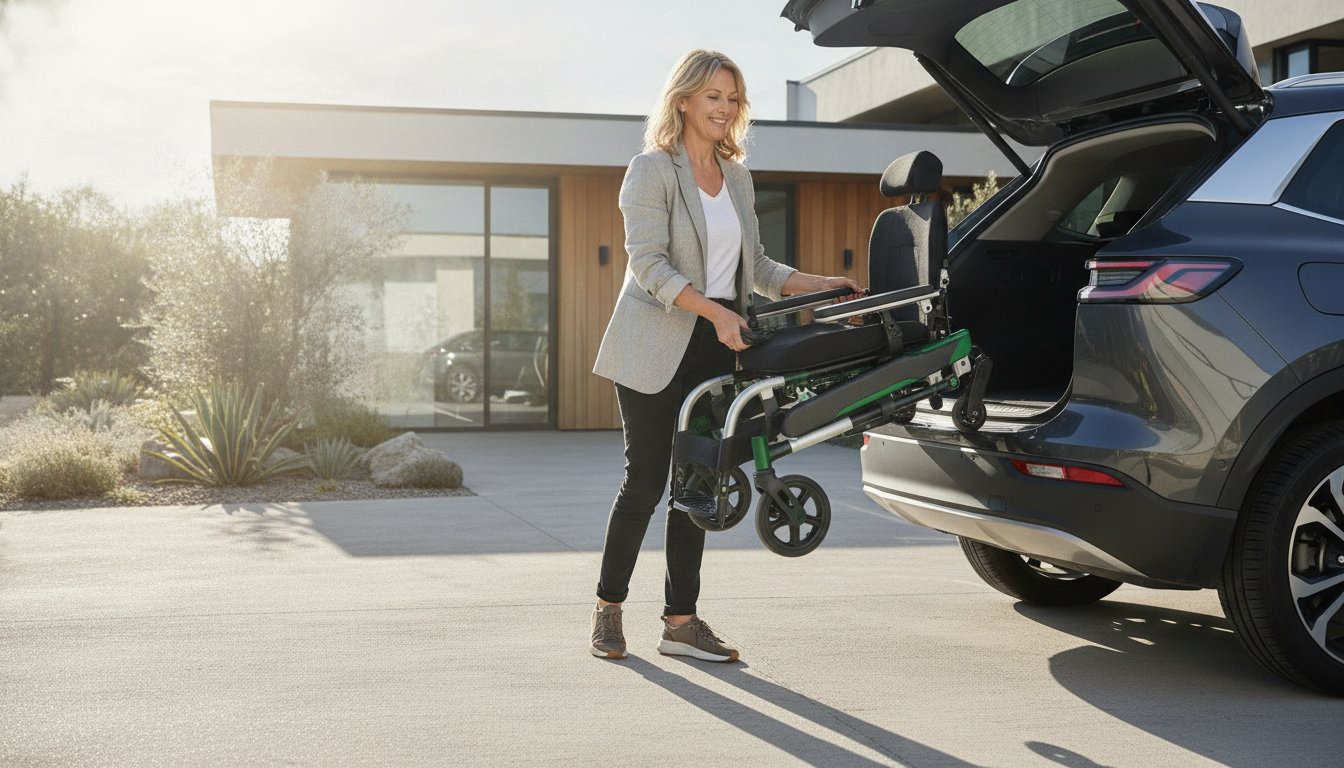
Storage space often dictates the final decision. A standard UK hallway is approximately 900mm wide, which can feel tight if you're parking a non-folding model. Similarly, the average C-segment hatchback offers around 380 litres of boot space. If you don't want to invest in a dedicated WAV (Wheelchair Accessible Vehicle), a folding frame is often the only practical solution. You gain independence by being able to load the chair yourself or with minimal assistance from a companion.
Folding and Lightweight Models
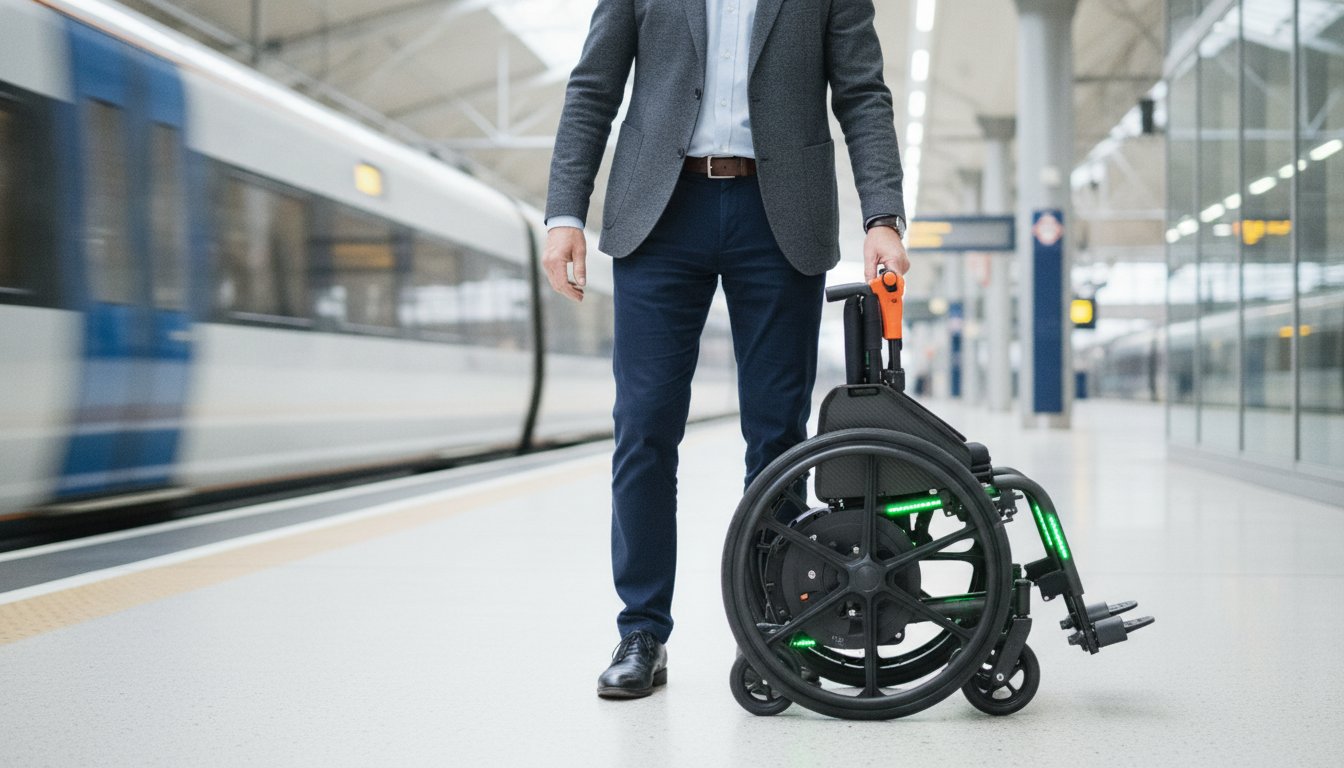
The rise of the folding electric wheelchair has transformed urban travel. By 2026, the benchmark for an ultra-lightweight frame has dropped to just 18kg without batteries. You can choose between manual "scissor" folds or remote-controlled auto-fold systems that collapse the unit in under 12 seconds. These models use aerospace-grade aluminium or carbon fibre to maintain strength while shediding bulk. If you live in a flat or a smaller terrace house, these are the top lightweight electric wheelchairs for UK homes because they tuck away into cupboards or corners when they aren't in use.
- Manual Fold: Quick, reliable, and usually the lightest option available.
- Auto-Fold: Ideal for users with limited upper-body strength or dexterity.
- Lithium-Ion Power: Most models feature 10Ah to 20Ah batteries that are airline-compliant for travel from Birmingham Airport.
Heavy-Duty and All-Terrain Performance
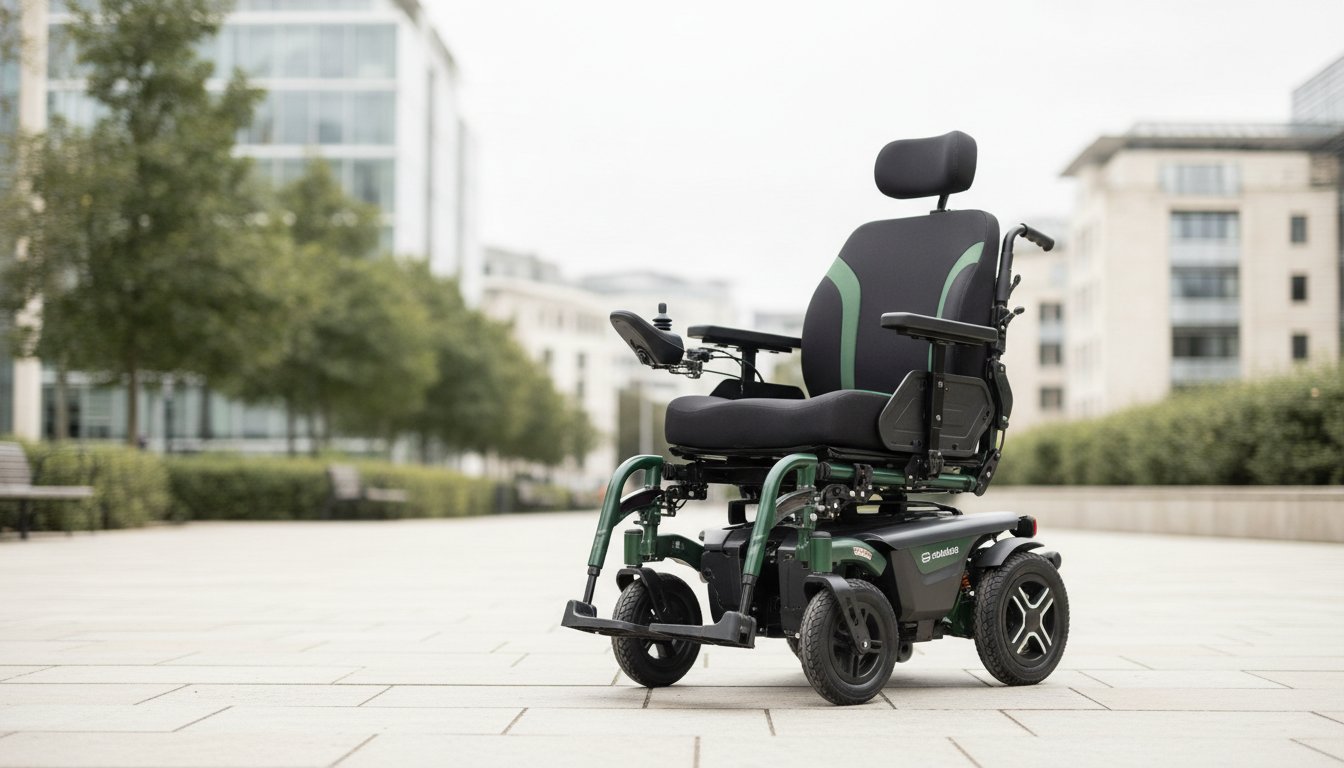
If your lifestyle involves more than just paved city centres, a heavy-duty model is essential. These electrically powered wheelchairs feature reinforced steel or heavy-duty alloy frames designed to support users requiring a 180kg+ load capacity. They don't just offer more strength; they provide superior stability. While a lightweight chair might feel "flighty" on uneven grass, a heavy-duty unit stays planted thanks to a lower centre of gravity and wider 12-inch or 14-inch rear tyres.
- Advanced Suspension: Front and rear shock absorbers to handle gravel and cracked pavements.
- High-Torque Motors: Dual 250W or 300W brushless motors for consistent climbing power.
- Extended Range: High-capacity 30Ah battery packs that provide up to 25 miles of travel on a single charge.
The trade-off is weight. A heavy-duty chair can weigh 40kg to 70kg, meaning you'll likely need a ramp or a hoist to get it into a vehicle. However, the reward is a smoother ride and the ability to traverse terrain that would stop a lightweight model in its tracks. Think about your most frequent destinations. If you're spending your weekends at the Botanical Gardens or exploring the canal towpaths, the extra stability of a robust frame ensures you won't be limited by the ground beneath you.
Navigating the Purchase: UK Regulations, VAT Relief, and Assessments
Selecting the right mobility aid is a transformative decision that unlocks the best of Birmingham's accessible attractions. To ensure your investment provides long-term freedom, you need to understand the legal and financial frameworks governing electrically powered wheelchairs in the UK. This knowledge prevents costly mistakes and ensures your vehicle is legal for the specific environments you plan to visit, from the paved paths of Cannon Hill Park to the busy city centre streets.
Government regulations categorise these vehicles into two distinct groups. Class 2 wheelchairs are restricted to 4mph and are designed solely for pavement use. These are ideal for navigating indoor venues like the Bullring or the Birmingham Museum and Art Gallery. Class 3 vehicles can reach speeds of 8mph and are legal for road use. If you choose a Class 3 model, you must register it with the DVLA using forms V55/4 or V55/5. While you won't pay road tax, your vehicle must be equipped with essential safety features including mirrors, indicators, and effective braking systems.
The 20% VAT relief scheme offers significant savings for those with qualifying long-term conditions or disabilities. Under HMRC Notice 701/7, you can purchase equipment at a 0% VAT rate. This isn't a rebate you claim back later; it's a discount applied at the point of sale. You simply complete a self-declaration form confirming your eligibility. For a high-specification wheelchair costing £2,500, this saves you exactly £500 instantly, making premium mobility much more affordable.
The Financial Side of Mobility
Budgeting for independence is easier when you spread the cost. Many UK retailers offer financing options that allow you to pay via monthly instalments over 12, 24, or 36 months. This makes premium technology accessible without a large upfront capital outlay. Beyond the initial price, factor in a comprehensive insurance policy. While not a legal requirement for Class 2 users, insurance protects you against accidental damage, theft, and third-party liability. Most standard warranties cover the frame for up to 5 years and electronic components for 12 to 24 months, providing peace of mind for your investment.
Safety and Maintenance in the UK
Reliability depends on consistent care. Your motorised wheelchair requires an annual professional service to check motor brushes, battery health, and electronic connections. Always prioritise UKCA-marked products. This marking proves the device meets the UK's strict safety and performance standards post-Brexit. When out in public, remember that pedestrians have the right of way on pavements. Maintaining a steady, predictable speed ensures everyone stays safe in busy urban environments. You can find detailed advice on Maintaining Your Power Wheelchair to extend the life of your battery and motors.
Why Etech Motion is the UK’s Choice for Personal Mobility
Choosing the right mobility solution requires a partner who understands both the technical mechanics and the daily lived experience of the user. Based in the heart of the West Midlands, Etech Motion provides a unique blend of Birmingham-based expertise and nationwide reach. We take local accountability seriously. Every one of our electrically powered wheelchairs undergoes a rigorous multi-point pre-delivery inspection (PDI) at our dedicated service centre. This ensures that 100% of the motorised units we dispatch meet strict UK safety and performance standards before they arrive at your door.
Our team consists of specialists who don't just sell products; they understand the intricate details of brushless motors, lithium-ion battery cycles, and torque ratios. This technical depth allows us to support your lifestyle effectively. We're also deeply committed to the 'Green Motion' revolution. By promoting sustainable, electric transport for all, we're helping to reduce urban carbon emissions while ensuring that every individual has the freedom to explore Birmingham and beyond without barriers. Moving to an electric model isn't just a mobility choice; it's a step towards a cleaner, more efficient future for the UK.
The Etech Motion Experience
We believe mobility should be personalised. Our specialists provide tailored advice to ensure your specific needs match the right product, whether you require a compact folding frame for car boots or a heavy-duty model for rugged outdoor paths. We offer a curated range of lightweight and robust electrically powered wheelchairs designed for various terrains. To make the process stress-free, we provide nationwide delivery and professional set-up options. This means your new equipment arrives ready to use, with all the technical configurations handled by our experts.
Join the Community of Motion
Our relationship with you doesn't end at the point of sale. We invite you to visit our Birmingham showroom for hands-on trials where you can test different models under expert guidance. This physical presence provides a level of reassurance that online-only retailers simply can't match. We maintain a full inventory of spare parts and offer ongoing technical support to keep you moving year after year. Our goal is to ensure your investment provides long-term reliability and joy. Don't let anything hold you back from your next adventure. Explore our full range of electrically powered wheelchairs today and regain your independence with confidence.
- UK-Based Support: Real people providing expert assistance from our Birmingham headquarters.
- Safety First: Every product is professionally assembled and inspected before dispatch.
- Sustainable Future: Join our mission to make green, electric transport accessible to everyone.
- Comprehensive Care: From initial advice to long-term maintenance, we're with you every mile.
Take the Next Step Toward Lasting Independence
Reclaiming your mobility in 2026 is simpler than it's ever been. By selecting the right electrically powered wheelchairs, you can leverage 20% VAT relief savings while benefiting from advanced brushless motors that deliver smoother, more reliable journeys. Whether you need a compact 25kg folding model for the car boot or a heavy-duty system for 12-mile daily adventures, the right technology is ready to transform your routine.
At Etech Motion, we combine technical precision with genuine care. Our Birmingham-based expert support team ensures you're never alone in your journey, and with free UK delivery on all wheelchairs, your new-found freedom arrives at no extra cost. We also provide Klarna and flexible financing options to make your transition to electric mobility as smooth as possible. You're choosing a partner that understands the UK's unique regulations and your personal need for quality.
Browse our expert-selected range of electrically powered wheelchairs
Start your journey today and experience the effortless joy of moving forward on your own terms.
Frequently Asked Questions
Can I take my electrically powered wheelchair on a plane?
Yes, you can take your power wheelchair on a plane, provided you notify the airline at least 48 hours before your flight. Most electrically powered wheelchairs use lithium-ion batteries, which must be IATA-approved and typically under 300Wh for a single battery or 160Wh each for a pair. You should always provide the airline with the specific make, model, and battery type to ensure a smooth boarding process at Birmingham Airport or any UK terminal.
How do I qualify for VAT relief on a power wheelchair in the UK?
You qualify for VAT relief if you have a long-term physical or mental impairment that has a substantial adverse effect on your ability to carry out everyday activities. This 20% saving applies to individuals and charities when purchasing equipment for personal use. To claim, you simply complete a VAT relief self-declaration form at the point of purchase. This ensures you pay 0% VAT instead of the standard rate on your mobility equipment.
What is the average lifespan of an electric wheelchair battery?
The average lifespan of an electric wheelchair battery is between 12 and 24 months, depending on your usage patterns. A standard lithium-ion battery provides approximately 500 full charge cycles before its capacity begins to diminish. To maximise this lifespan, you should charge the battery once it drops to 20% and avoid letting it reach 0%. Regular charging during winter months is essential for maintaining battery health and ensuring consistent torque performance.
Do I need a driving licence to use a motorised wheelchair on the pavement?
No, you don't need a driving licence to operate a motorised wheelchair on UK pavements. Class 2 vehicles have a speed limit of 4mph for pavement use, while Class 3 vehicles can reach 8mph on roads. Although no test is required, you must follow the Highway Code and be 14 years old to use a Class 3 vehicle. Registering a Class 3 chair with the DVLA is free and mandatory for road use.
How often should I service my electric wheelchair?
You should service your electric wheelchair once every 12 months to ensure peak performance and safety. An annual professional inspection covers motor brushes, tyre pressure, and electronic connections. This routine maintenance prevents 85% of common mechanical failures and extends the vehicle's operational life. Between services, you should perform weekly checks on your tyre treads and clean the frame to prevent debris buildup in the brushless motors, especially after visiting Birmingham’s parks.
What is the difference between a mobility scooter and a power chair?
The main difference lies in the steering mechanism and turning circle. A mobility scooter uses a tiller or handlebars and requires more space to turn, making it ideal for outdoor adventures. In contrast, electrically powered wheelchairs use a joystick and offer a tight turning radius, often 50cm or less. This makes power chairs far more effective for navigating indoor spaces, lifts, or crowded shopping centres like the Bullring.
Can I use my electric wheelchair in the rain?
You can use your electric wheelchair in light rain, but you should avoid heavy downpours or deep puddles. Most modern chairs have an IPX4 water-resistance rating, which protects against splashes from any direction. If you get caught in a storm, dry the joystick and battery terminals immediately with a microfibre cloth. Using a dedicated waterproof cover provides 100% protection for the sensitive electronics during typical British weather, ensuring your freedom isn't limited by the clouds.
How much does a good quality folding electric wheelchair weigh?
A good quality folding electric wheelchair typically weighs between 22kg and 28kg including the battery. High-end models often use aerospace-grade aluminium or carbon fibre frames to keep the weight low without sacrificing a 120kg load capacity. This lightweight design allows you to lift the chair into a car boot easily for days out. Removing the 2kg lithium-ion battery before lifting can make the process even more manageable for you or your travel companion.