What if the key to your independence lies in choosing the right wheelchair and ramp? For many, the challenge of navigating stairs and curbs can feel daunting, leading to uncertainty about which mobility aids will truly enhance their lives. You’re not alone in wanting to find reliable, safe solutions that cater to your specific needs. In this comprehensive guide, you’ll discover everything you need to know about selecting the perfect wheelchair and ramp tailored to your lifestyle. We’ll break down the different types of wheelchairs available and help you pinpoint the ideal ramp that meets your accessibility requirements. By the end of this article, you'll be equipped to make an informed purchase decision that empowers you to move freely and confidently.
Key Takeaways
- Understand the different types of wheelchairs-manual and electric-to choose the best fit for your lifestyle and mobility needs.
- Learn how to measure height limitations and weight capacity to ensure your wheelchair and ramp combination is safe and functional.
- Explore essential safety features, such as anti-slip surfaces and handrails, to enhance your mobility experience.
- Discover how the right wheelchair and ramp can significantly improve your quality of life, promoting social inclusion and independence.
- Gain insights into comfort features like adjustable seating that ensure a pleasant experience while using your mobility aids.
Understanding Wheelchairs and Ramps: An Overview
Wheelchairs and ramps play a vital role in enhancing mobility for individuals with disabilities or limited movement. A wheelchair is a mobility aid designed to assist users in navigating their environment independently. Ramps complement this by providing the necessary access to buildings, vehicles, and other areas that may otherwise be difficult to reach. Together, a wheelchair and ramp enhance the freedom of movement, enabling users to enjoy their daily lives without barriers.
Types of Wheelchairs: Which One is Right for You?
Choosing the right wheelchair is crucial for ensuring comfort and functionality. There are two primary types: manual and electric wheelchairs. Manual wheelchairs require physical effort to propel, making them suitable for users who possess upper body strength and prefer a more active lifestyle. In contrast, electric wheelchairs offer effortless movement with just the push of a button, ideal for those who may struggle with manual propulsion.
- Manual Wheelchairs: Lightweight and cost-effective but require user effort.
- Electric Wheelchairs: Provide greater independence with less physical strain but come at a higher price point.
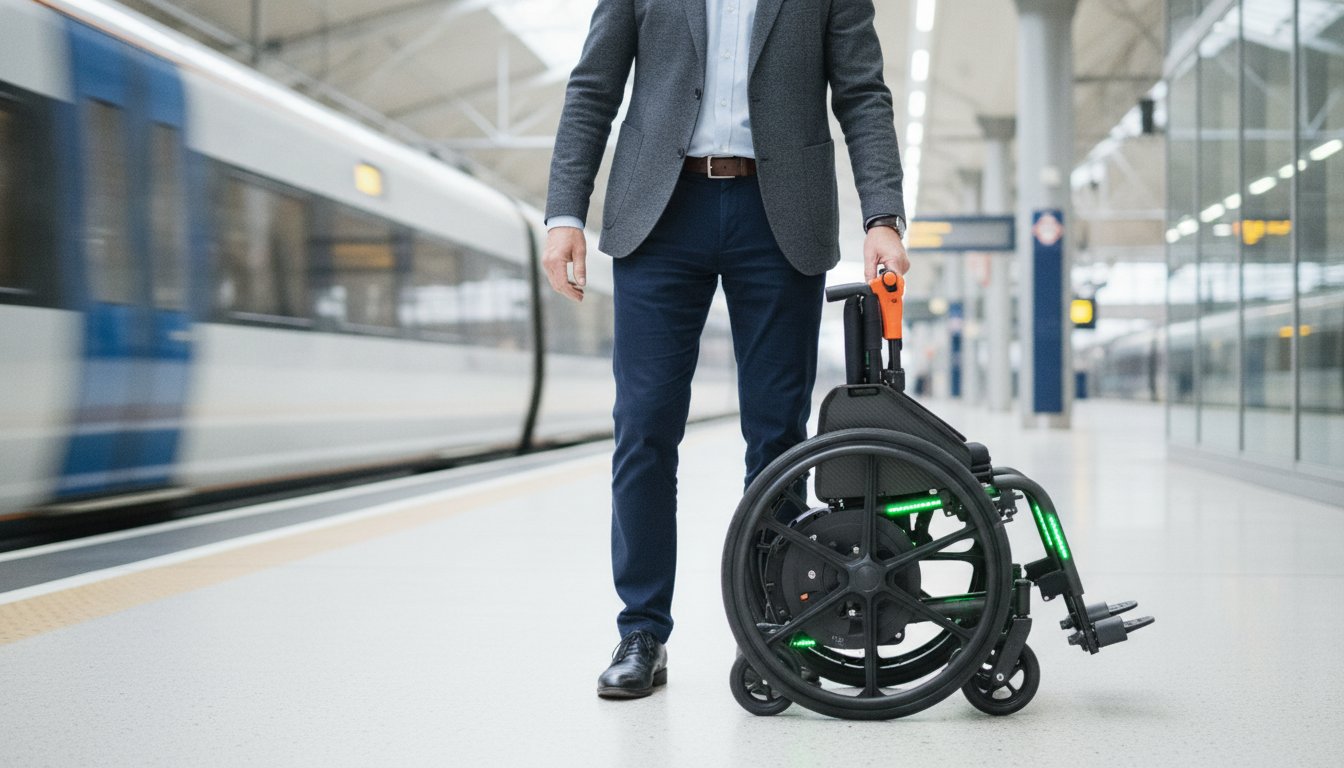
Other variations include heavy-duty and lightweight wheelchairs, catering to specific needs. Heavy-duty options support larger users, while lightweight models are ideal for those who travel frequently. Folding wheelchairs are particularly beneficial for portability, as they can be easily stored and transported.
Understanding Ramp Types and Their Uses
Ramps also come in various types, each designed for specific situations. Folding ramps are highly portable, allowing users to transport them easily for different locations. These ramps are perfect for temporary access needs, such as visiting friends or family. Telescopic ramps offer adjustable lengths, making them suitable for varying heights, which can be particularly useful in public spaces.
- Folding Ramps: Convenient for travel and storage.
- Telescopic Ramps: Adjustable height options for flexibility.
- Fixed Ramps: Best for permanent installations, providing a stable access solution.
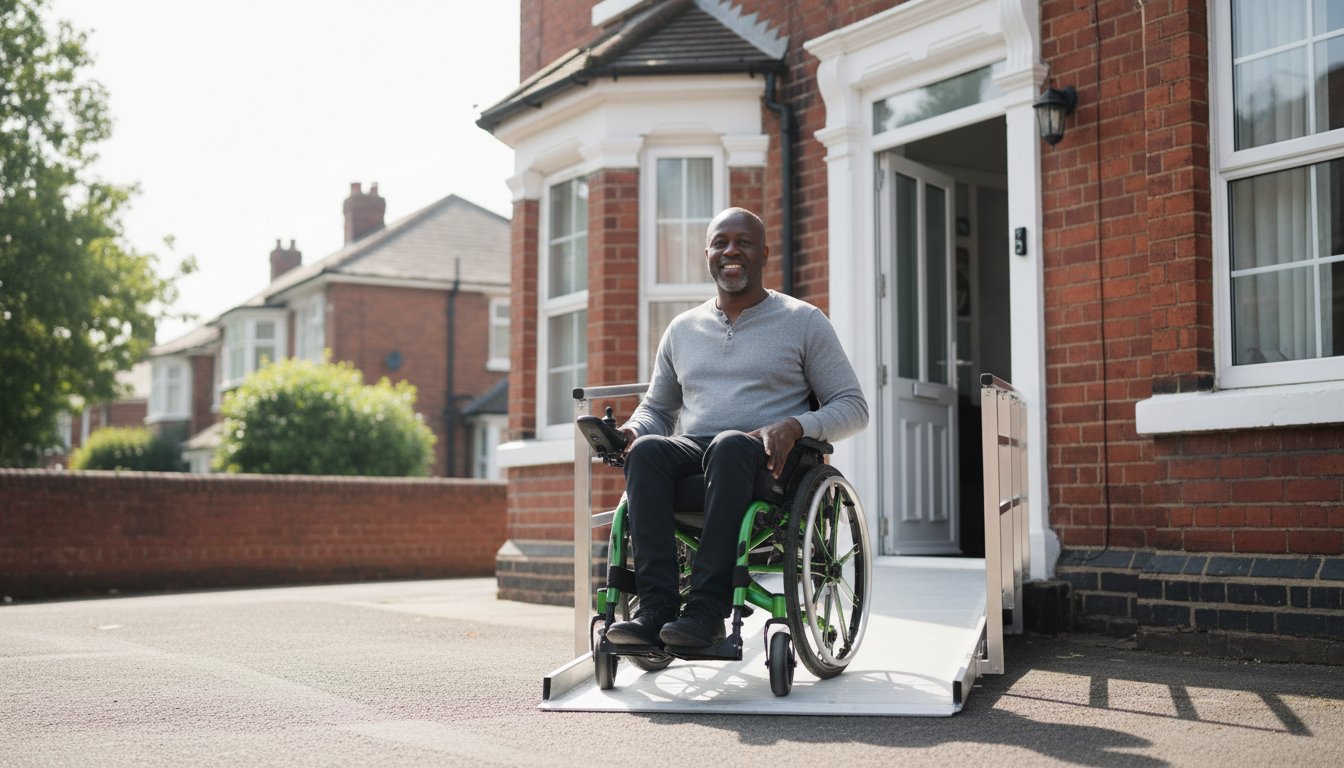
Fixed ramps are ideal for homes or businesses that require regular wheelchair access. They offer a seamless transition for users moving between different levels, enhancing safety and convenience.
Understanding the interplay between wheelchair and ramp options is essential for optimising mobility solutions. Selecting the right combination can significantly improve accessibility and quality of life.
Comparing Wheelchairs and Ramps: Key Features to Consider
Choosing the right wheelchair and ramp involves understanding several key features that directly impact safety, functionality, and convenience. By evaluating height limitations, weight capacity, material durability, and accessibility features, you can ensure that your selections meet your specific needs.
How to Measure Your Space for Wheelchair Ramps
To find the perfect fit for your wheelchair ramp, start by measuring the rise height, which is the vertical distance from the ground to the entry point. The load height is crucial for determining how steep the ramp will be. The recommended incline is 1:12, meaning for every inch of height, there should be at least 12 inches of ramp length.
Key measurements include:
- Doorway width: Ensure the ramp fits through without obstruction.
- Vehicle access: Measure the height of the vehicle's entry point if the ramp is for transport.
For accurate measurements, you'll need a tape measure, a level for checking incline, and possibly a spirit level to ensure the ramp will sit evenly on the ground.
Choosing the Right Wheelchair Based on Lifestyle Needs
Assessing your daily activities will help you choose a wheelchair that enhances your lifestyle. Consider factors such as:
- Daily activities: If you're active and on the go, a lightweight, foldable wheelchair may be ideal.
- Transport and storage: Ensure the wheelchair can easily fit in your vehicle or home.
- Battery life and range: For electric wheelchairs, evaluate how far the battery can take you on a single charge; look for models that offer at least 10-15 miles of range.
Choosing the right wheelchair and ramp combination can significantly enhance your mobility. Safety is paramount, so ensure the ramp can support the weight capacity of the wheelchair, typically around 300kg for standard models. Durability matters, too; ramps made from aluminium or heavy-duty plastic offer longevity and lightweight options for easy handling.
Accessibility features, such as non-slip surfaces and handrails, are also essential for ease of use. The right combination of wheelchair and ramp can transform your mobility experience, making everyday tasks less daunting and more enjoyable. For more guidance on selecting the best options tailored to your needs, consider reaching out to E-Tech Motion for expert support.
Practical Considerations: Safety and Comfort in Mobility Aids
When selecting a wheelchair and ramp for your home, practical considerations such as safety and comfort are paramount. These elements not only enhance the user experience but also ensure long-term satisfaction with your mobility aids.
Safety Features in Wheelchairs and Ramps
Safety features are essential for any wheelchair and ramp setup. Anti-slip surfaces on ramps are crucial, especially in wet or icy conditions. A textured surface can provide better traction and reduce the risk of slips and falls, allowing users to navigate their environment confidently.
Handrails offer additional support and stability, particularly for those with limited upper body strength. If the ramp is steep or lengthy, investing in handrails is advisable. They can significantly enhance safety by providing an extra point of contact as users ascend or descend.
It's equally important to assess the wheelchair for stability during use. A wheelchair with a wide wheelbase and a low centre of gravity will reduce the risk of tipping. Look for models with features that promote stability, especially if the user requires a more robust design due to mobility challenges.
Comfort Considerations for Long-Term Use
Comfort cannot be overlooked, particularly for those who may spend extended periods in their wheelchair. Adjustable seating is vital for ensuring the right fit, allowing users to tailor the height and angle of their seat to their preferences. This personalisation can help prevent discomfort and pressure sores during long outings.
Cushions and back support play a significant role in enhancing overall comfort. High-quality cushions can distribute weight evenly and reduce pressure points, while supportive backs can maintain proper posture. When choosing a wheelchair, consider options that offer ergonomic designs and additional padding for maximum comfort.
Mobility aids that cater to user comfort often include features like reclining seats or tilt functionality, which allow for adjustments that can alleviate discomfort during use. These options can be particularly beneficial for users with specific medical needs.
Ease of use is another critical factor. Wheelchairs and ramps should be lightweight and easy to manoeuvre. Look for models with folding mechanisms that simplify transport and storage, making it easier to transition between different environments.
User Support: Available Accessories and Add-Ons
Enhancing the functionality of your wheelchair and ramp setup can be achieved through available accessories and add-ons. From cup holders to storage bags, these features can make daily activities more convenient and enjoyable.
Consider exploring options that allow for personalised modifications, ensuring your mobility aids meet your unique needs and preferences.
Investing in the right wheelchair and ramp not only enhances mobility but also provides peace of mind. For more expert support on selecting the perfect mobility aids for your lifestyle, get in touch with Etech Motion today.
Enhancing Your Life with the Right Wheelchair and Ramp
Choosing the right wheelchair and ramp can significantly enhance your mobility and independence. These essential mobility aids transform lives, providing users with the freedom to navigate their homes and communities effortlessly. When individuals gain the ability to move freely, their confidence and self-esteem soar, leading to a more fulfilling life.
The Impact of Mobility Aids on Daily Life
Having access to a wheelchair and ramp opens doors to new experiences. This independence allows individuals to engage more fully with family and friends through accessible activities, like visiting parks, attending events, or simply enjoying a meal together. With the right mobility aids, the overall quality of life improves, fostering a sense of belonging and community participation.
Testimonials: Real-Life Experiences with Wheelchairs and Ramps
Real-life stories illustrate the profound impact of mobility aids. For instance, one user recently shared, “After getting my wheelchair and ramp, I can finally visit friends without worrying about accessibility. It feels liberating!” Such testimonials highlight the numerous benefits of specific products and encourage others to share their experiences, creating a supportive community.
Innovations in mobility aids are continually emerging, promising even greater advancements in user experience. Manufacturers are focusing on lightweight materials, better battery life, and smart technology integration, making wheelchairs not just functional but also stylish and efficient. For example, some new models feature advanced connectivity options, allowing users to monitor their mobility devices via smartphone apps.
- Enhanced Durability: New materials make wheelchairs more robust.
- Smart Technology: Integration with apps for better monitoring and usability.
- Eco-Friendly Options: Sustainable materials and energy-efficient designs are on the rise.
By investing in the right wheelchair and ramp, individuals can reclaim their independence and participate in community activities that enrich their lives. The journey toward greater mobility is one filled with hope, progress, and newfound freedom. As mobility solutions continue to evolve, the future looks brighter for those who rely on these essential tools.
Embrace Mobility with Confidence
Choosing the right wheelchair and ramp is crucial for enhancing your mobility and independence. Remember, prioritising safety, comfort, and user-centric design can transform your daily routines and adventures. With the right tools, you can reclaim freedom and joy in movement, making every journey a pleasant experience.
Don’t compromise on quality. Explore our range of electric wheelchairs and ramps today for high-quality mobility solutions backed by expert UK-based support. Discover the perfect fit for your needs now!
Take the first step towards a more active lifestyle and embrace the mobility you deserve.
Frequently Asked Questions
What type of ramp do I need for my wheelchair?
The type of ramp you need for your wheelchair depends on several factors, including the height of the step or threshold and the weight capacity required. For residential use, a portable folding ramp is often ideal for easy storage and transport, while a permanent ramp may be necessary for frequent use. Ensure the ramp is designed to support the specific model and weight of your wheelchair.
How do I measure for a wheelchair ramp?
To measure for a wheelchair ramp, start by determining the height of the entrance or step you need to access. A general rule is a 1:12 incline ratio, meaning for every inch of height, you need at least 12 inches of ramp length. For example, if the step is 24 inches high, the ramp should be at least 24 feet long to ensure a safe slope.
Can I use a wheelchair ramp with a mobility scooter?
Yes, you can use a wheelchair ramp with a mobility scooter, as long as the ramp is appropriately rated for the scooter's weight. Most ramps designed for wheelchairs can accommodate mobility scooters, but always check the specifications to ensure compatibility. Additionally, consider the width of the ramp to ensure safe passage.
What are the weight limits for wheelchair ramps?
Weight limits for wheelchair ramps vary by model and material. Most residential ramps can support between 300 to 600 kg, while heavy-duty ramps can accommodate more substantial weights. Always refer to the manufacturer's specifications to ensure your ramp can safely support the weight of your wheelchair and any additional equipment.
Are there any regulations regarding ramp safety?
Yes, there are regulations regarding ramp safety in the UK. Ramps must comply with the Disability Discrimination Act 1995 and the Building Regulations 2010, which stipulate requirements for slope, width, surface texture, and load-bearing capacity. It’s essential to ensure that any ramp installed meets these legal standards for safety and accessibility.
How do I maintain my wheelchair and ramp?
To maintain your wheelchair and ramp, regularly inspect them for any signs of wear or damage. Clean the surfaces to prevent debris accumulation, which can affect functionality. Lubricate any moving parts on the wheelchair, and ensure the ramp is free of obstructions. For more extensive maintenance, consult the manufacturer's guidelines or seek professional assistance.
What should I look for in a folding wheelchair?
When looking for a folding wheelchair, consider factors such as weight, portability, and ease of use. A lightweight model, ideally under 15 kg, is easier to transport. Check for a sturdy frame, comfortable seating, and the ability to fold easily for storage. Additionally, ensure the wheelchair has safety features like brakes and adjustable footrests.