Imagine planning a Sunday stroll through a local park or across a gravel path in a National Trust garden, only to have your day cut short because your wheels can't handle the terrain. For many of the 1.2 million wheelchair users in the UK, the fear of a motor stalling on wet grass or the jarring vibration of an uneven pavement is a daily reality. Finding the best electric wheelchair for uneven ground isn't just about raw power; it's about reclaiming the 140,000 miles of public footpaths across England and Wales without feeling every single pebble.
You likely agree that a standard indoor powerchair isn't built for the rigours of the British outdoors, and you shouldn't have to sacrifice portability for performance. We'll show you how to identify the high-torque brushless motors and advanced suspension systems that turn a bumpy ride into a smooth, effortless journey. This 2026 expert guide breaks down the essential technical specs, from lithium-ion battery efficiency to specific climb gradients, ensuring you find a reliable partner for your next adventure.
Key Takeaways
- Learn how to identify the specific engineering features required to navigate UK-specific terrains like gravel driveways and uneven park grass with absolute confidence.
- Understand why high-torque brushless motors and sine-wave controllers are essential for achieving smooth, jerk-free movement across rough or bumpy surfaces.
- Discover how to choose the best electric wheelchair for uneven ground that perfectly balances rugged outdoor performance with a lightweight, foldable design.
- Master practical techniques for navigating soft mud and steep inclines safely while maintaining maximum stability through proper weight distribution.
- Explore Etech Motion’s specialist multi-terrain range, engineered to provide freedom and reliability across the diverse landscapes of the United Kingdom.
What Defines the Best Electric Wheelchair for Uneven Ground?
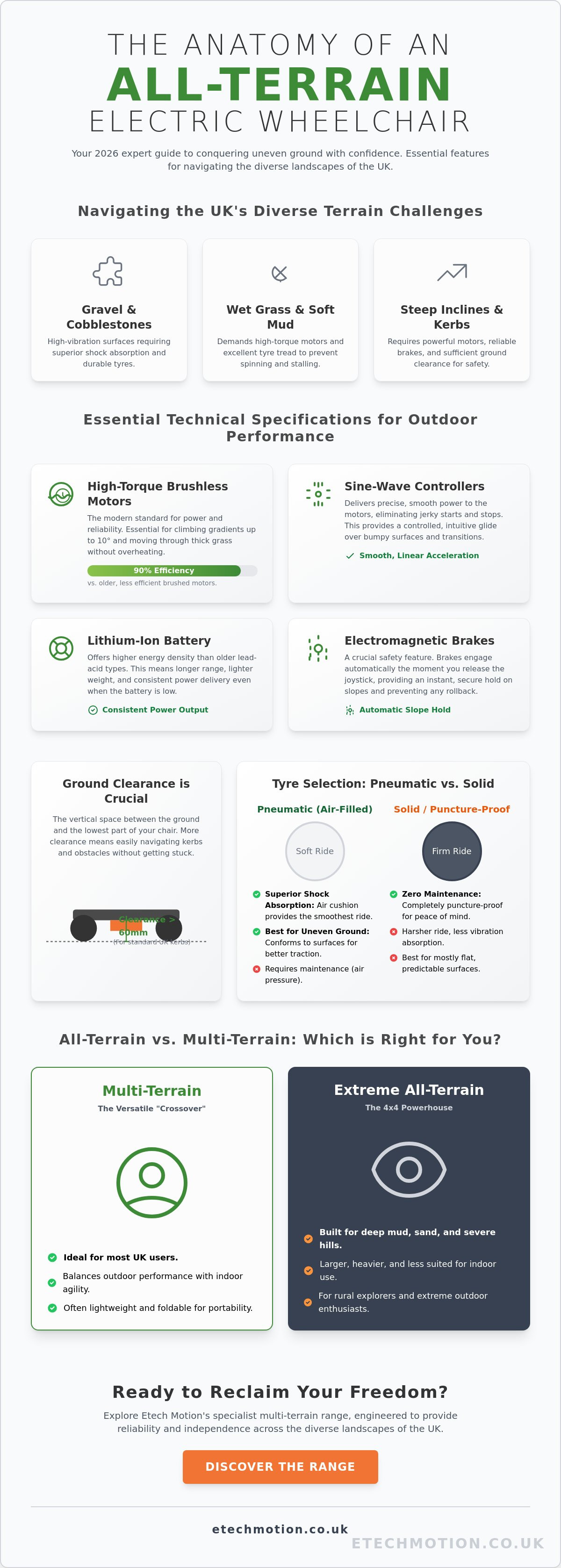
Finding the best electric wheelchair for uneven ground isn't just about raw power; it's about reclaiming the freedom to explore your local community without limitation. In the UK, "uneven ground" covers a broad spectrum of daily challenges. You might face the loose gravel of a country driveway, the historic, jarring cobblestones of a market town, or the soft, damp grass of a local park. While a standard indoor powerchair excels on flat lino, it often lacks the torque and grip required for these outdoor environments.
Stability and traction serve as the two essential pillars of outdoor independence. Without sufficient traction, your drive wheels will simply spin on wet turf or loose chippings. Without stability, a slight camber on a pavement can feel precarious. Modern electric wheelchair technology has revolutionised this experience. High-torque brushless motors and sophisticated lithium-ion battery systems now allow for consistent power delivery, even when you're tackling a 1 in 10 gradient or moving through thick grass. This tech ensures that the transition from a smooth pavement to a rugged path feels effortless rather than exhausting.
The "All-Terrain" vs. "Multi-Terrain" Distinction
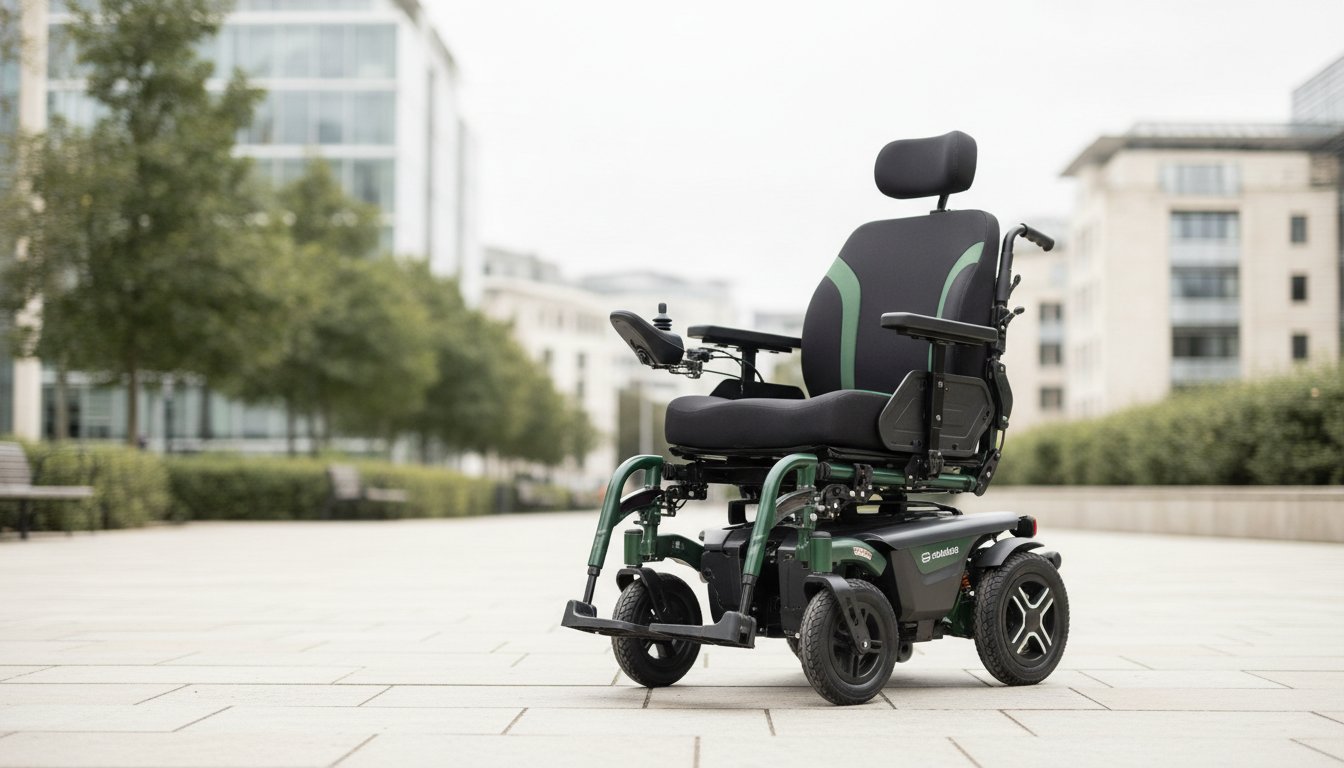
It's vital to distinguish between these two categories to find your perfect match. Extreme all-terrain wheelchairs are often 4x4 powerhouses built for deep mud, sand, and steep hills. They're incredible for rural explorers but can be bulky when you're trying to navigate a narrow supermarket aisle. Multi-terrain models are the versatile "crossovers" of the mobility world. When searching for the best electric wheelchair for uneven ground, most UK users find these models ideal. They feature enhanced suspension and larger, pneumatic tyres designed to smooth out everyday obstacles like cracked pavements while remaining compact enough for indoor use.
Why Ground Clearance Matters More Than You Think
Low-hanging components are the primary enemy of outdoor mobility. Many standard chairs place battery boxes or delicate electronics just a few centimetres from the floor, risking expensive damage on a standard 60mm UK kerb or a protruding tree root. You also need to consider the approach angle, which is the steepest incline your chair can transition onto without the footplates or chassis scraping the ground. Ground clearance is the vertical distance between the lowest point of the wheelchair frame and the level ground surface. If your clearance is lower than the bumps in your local area, you'll find yourself stuck or "grounded" on the smallest obstacles. Choosing a model with a raised chassis ensures you can clear debris and uneven transitions without a second thought.
Technical Specifications That Conquer Rough Terrain
Choosing the best electric wheelchair for uneven ground requires looking beyond the seat. It starts with the powertrain. Brushless motors are the modern standard because they deliver 85% to 90% efficiency compared to older brushed designs. This efficiency translates to superior torque, allowing you to climb 10-degree gradients or navigate thick grass without the motor overheating. These motors are also lighter, which improves the overall power-to-weight ratio for outdoor adventures.
Paired with these motors are sine-wave controllers. These manage the electrical current with extreme precision. They eliminate the jerky starts often found in budget models, providing a smooth, linear acceleration that feels natural even when you're crossing bumps or gravel. It's the difference between a jarring ride and a controlled glide over difficult surfaces.
Safety is a priority when you leave flat pavements. Electromagnetic braking systems engage automatically the moment you release the joystick. This provides an instant hold on slopes, preventing the chair from rolling back. When you're out in public, staying safe means following the UK Highway Code for powered wheelchairs, which outlines essential rules for pavement and road use. High-drain outdoor use also demands Lithium-ion battery chemistry. These batteries offer a higher energy density than lead-acid versions, providing a consistent power output even as the charge level drops.
Tyre Selection: Pneumatic vs. Solid
Pneumatic, air-filled tyres remain the gold standard for shock absorption. The air cushion acts as a primary suspension layer, soaking up vibrations from gravel paths and uneven cobbles. For users worried about maintenance, puncture-proof honeycomb tyres are an excellent alternative. These use internal air pockets to mimic the bounce of a pneumatic tyre without the risk of a flat. In wet UK conditions, tyre tread depth is vital. Deep, aggressive treads ensure the best electric wheelchair for uneven ground maintains traction on slippery mud or wet leaves.
Suspension Systems and Rider Comfort
Mechanical suspension works where tyres reach their limit. Rear-wheel suspension is generally more effective for rough terrain because it absorbs the impact when the drive wheels hit a dip or a kerb. Front spring suspension helps with steering stability, keeping the wheels in contact with the ground on loose surfaces. Anti-tip wheels are another essential safety feature, acting as a failsafe during steep climbs or when navigating unexpected dips in the trail.
Seat cushioning isn't just about softness; it complements the mechanical suspension. High-density foam or gel inserts help dampen the micro-vibrations that cause rider fatigue over long distances. If you want to see these technical features in action, you can explore our collection of outdoor powerchairs designed for the British landscape.
Comparing Portable Multi-Terrain vs. Fixed Heavy-Duty Models
Choosing the best electric wheelchair for uneven ground involves a direct trade-off between rugged performance and transportability. You must decide if your priority is a chair that fits into a standard UK car boot or one that can conquer steep, muddy inclines without hesitation. While engineering has narrowed the gap between these categories, the structural differences impact how you interact with your environment every day. Modern users often require a vehicle that behaves like an SUV but stores like a compact city car.
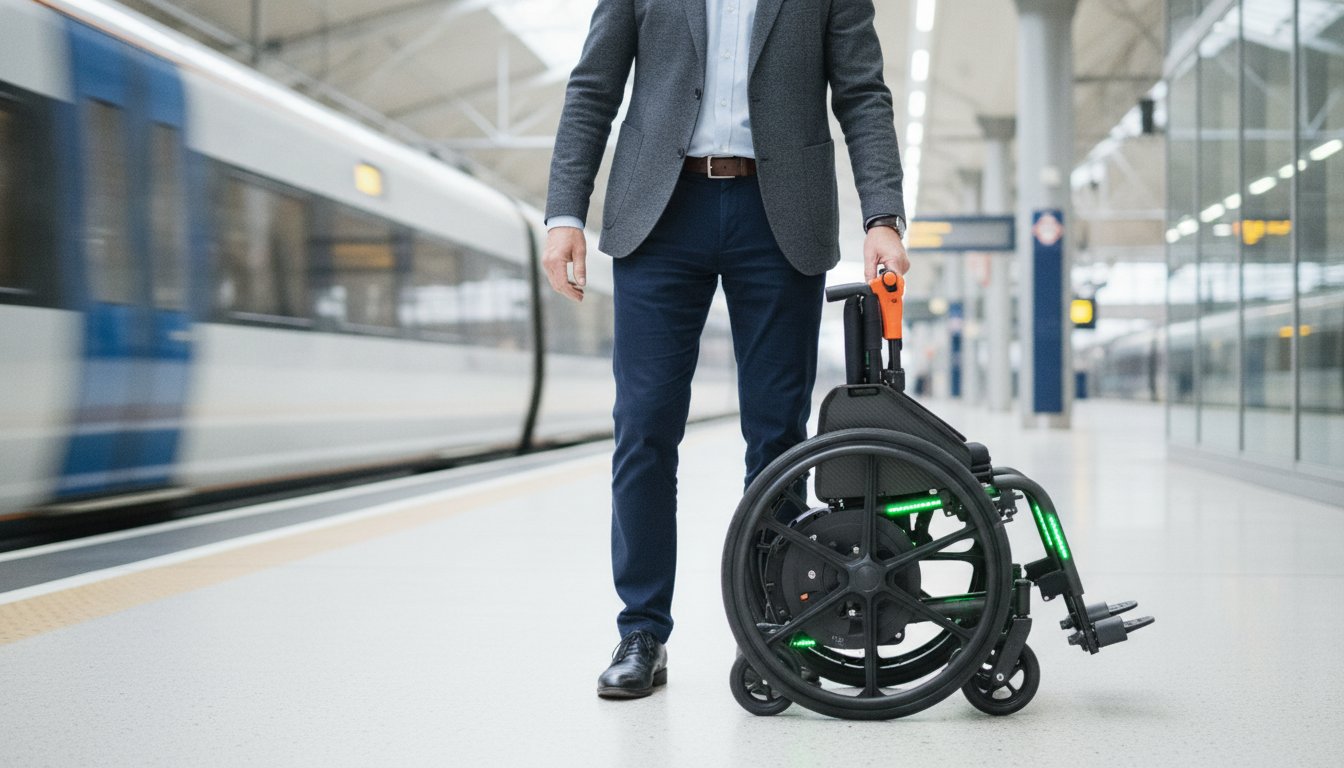
- Folding Models: These prioritise portability and are ideal for users who travel frequently by car or train.
- Fixed Frames: These focus on maximum torque and suspension, suited for dedicated off-road use where transport is not a daily requirement.
- Manoeuvrability: A turning circle of 800mm to 900mm is essential for indoor use; larger outdoor models may exceed 1200mm, requiring more space for U-turns.
The Rise of Lightweight Folding Outdoor Powerchairs
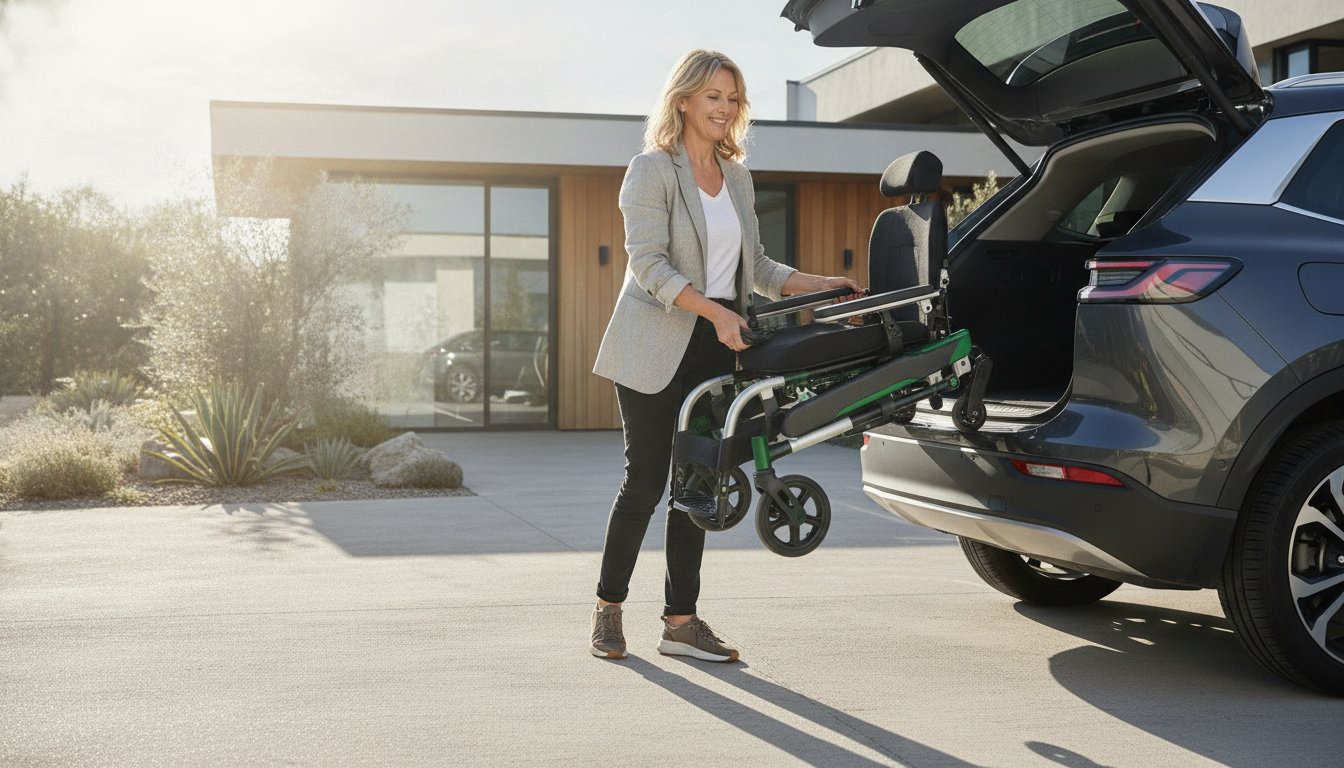
Modern frames now use magnesium and aluminium alloys to provide strength without the traditional bulk. These materials allow a chair to remain rigid on gravel paths while keeping the total weight low enough for lifting. To check if a model fits your vehicle, compare the folded dimensions against the 450mm boot lip height common in UK hatchbacks like the Ford Focus. Many 2026 models feature auto-fold mechanisms. These systems use internal motors to collapse the chair in under 10 seconds, providing a vital benefit for users with limited manual dexterity who need to transition from car to pavement quickly.
Fixed Frame Heavy-Duty Powerchairs for Extreme Use
If your daily route involves 20% gradients or soft turf, a fixed frame is usually the safer choice. These models don't have the pivot points that folding chairs do, which increases their long-term durability under stress. They typically house larger 50Ah to 75Ah batteries and can reach speeds of 8mph, the legal limit for Class 3 vehicles on UK roads. Bariatric users often find these models more comfortable because they offer wider seat bases and reinforced suspension that supports weights up to 200kg. You will need a dedicated storage space with a power outlet, as these larger vehicles cannot be easily tucked away in a hallway cupboard.
The turning circle remains the ultimate test for any multi-terrain vehicle. A mid-wheel drive system often provides the best balance for the best electric wheelchair for uneven ground. It allows the chair to rotate on its own axis, making it just as capable in a narrow shop aisle as it is on a woodland trail. Always check the ground clearance; a minimum of 50mm is necessary to avoid high-centring on uneven roots or cobblestones.
Practical Tips for Navigating UK Outdoor Environments
Mastering the outdoors requires more than just high-spec hardware. Even the best electric wheelchair for uneven ground needs a confident operator who understands the nuances of the British landscape. Before you head onto a trail, scan the path for hidden hazards. Soft mud can swallow wheels during wet seasons, while deep gravel exceeding 50mm can cause the motors to work overtime. Identifying these transitions early prevents you from getting bogged down in difficult terrain.
Weight distribution is your best tool for stability. When you tackle an incline, lean your torso slightly forward to keep the centre of gravity over the drive wheels. This increases traction and prevents the front casters from lifting. For side-hills or cambered pavements, stay central in the seat. If you feel the chair drifting, steer slightly into the slope to maintain your line.
You must also account for "terrain drain" on your battery life. Driving on grass or loose soil increases rolling resistance, which can reduce your total range by as much as 30% compared to flat tarmac. Always plan your route with a 20% power buffer to ensure you aren't caught short. Given the UK's average of 156 rainy days per year, weatherproofing is non-negotiable. Use a transparent joystick cover to protect the sensitive electronics from moisture ingress, as this remains the primary cause of roadside breakdowns in the UK.
Mastering Slopes and Side-Hills
Safety starts with knowing your limits. Most outdoor models are rated for a maximum safe slope gradient of 6 to 10 degrees. Always approach kerbs at a 90-degree angle to ensure both front wheels make contact simultaneously. If you lose traction on wet grass, don't keep the joystick pinned. Spinning the wheels only digs you deeper. Instead, gently pulse the controls or reverse slowly to find a firmer patch of ground with more grip.
Maintenance for Outdoor Longevity
Outdoor use subjects your chair to grit, mud, and salt, especially near the coast or on gritted winter roads. Wipe down the axles and motor housing after every trip to prevent corrosion. Check your tyre pressure weekly; even a 5psi drop can negatively impact your footprint and reduce stability on loose surfaces. It's essential to book a professional service every 12 months to ensure the motor brushes and suspension components remain in peak condition for rugged use.
Ready to reclaim your independence on any terrain? Explore our range of high-performance electric wheelchairs designed for the British outdoors.
Choosing Your Freedom: Etech Motion’s Multi-Terrain Range
Finding the best electric wheelchair for uneven ground requires a balance of raw power and refined engineering. At Etech Motion, we've developed a specialist collection of powerchairs specifically tested for the diverse landscapes of the UK. Whether you're navigating the gravel paths of a local park or the steep, historic inclines of a British coastal town, our range provides the stability you need to move with confidence. We don't just sell mobility aids; we provide the tools for an active, independent lifestyle.
The Freedom Pro series stands as our flagship solution for outdoor enthusiasts. These models solve the common dilemma of choosing between a heavy-duty outdoor machine and a portable folding chair. By utilizing high-torque brushless motors and lightweight aerospace-grade aluminium frames, the Freedom Pro delivers exceptional climbing capability without the bulk. Its advanced suspension system is designed to neutralize vibrations from cobbles and turf, which solidifies its position as the best electric wheelchair for uneven ground for active users who refuse to be limited by their environment.
Reliability is a cornerstone of our brand philosophy. Every multi-terrain chair in our inventory comes with a comprehensive 12-month warranty. We understand that your wheelchair is your primary source of independence, so we ensure that expert help is always close at hand. Having a dedicated UK-based support infrastructure means you'll never have to deal with the frustrations of overseas time zones or long-distance shipping for essential maintenance.
The Etech Motion Quality Assurance
Every product we stock meets rigorous UK safety standards to ensure long-term durability. We also simplify the financial aspect of your purchase by offering clear guidance on VAT relief. If you have a qualifying long-term illness or disability, you can save 20% on the cost of your powerchair. Our Birmingham-based technical support team is available to assist with everything from initial setup to long-term care. To get you moving as quickly as possible, we provide fast and free UK mainland delivery on all specialist multi-terrain models.
Next Steps: From Research to Road
Choosing the right model is a personal journey. You can use our online comparison tools to sort through specifications like maximum range, motor wattage, and weight capacity. If you need a more tailored approach, we encourage you to book a call with one of our mobility specialists. We'll discuss the specific types of terrain you encounter daily to ensure your new chair matches your lifestyle perfectly. Don't let challenging surfaces dictate where you can go.
Explore our multi-terrain electric wheelchair range today and take the first step toward effortless outdoor adventure.
Take Control of Your Next Outdoor Adventure
Finding the best electric wheelchair for uneven ground transforms how you interact with the world. Modern 2026 specifications prioritise high-torque brushless motors and advanced suspension systems that absorb impact on 100% of UK pedestrian surfaces. By selecting a model with 12-inch pneumatic rear tyres and a reinforced frame, you gain the stability needed to navigate gravel, grass, and steep gradients with total confidence. We've shown that the right equipment doesn't just provide mobility; it restores the joy of exploration without compromise.
Etech Motion is committed to your long-term independence. Every multi-terrain model in our collection includes a 12-Month Manufacturer Warranty and comes with Free UK Mainland Delivery to get you moving faster. If you ever need assistance, our Expert UK-Based Technical Support team is just a phone call away. Don't let a bumpy path limit your horizons when the right technology is ready to take you further.
Browse the Best Multi-Terrain Electric Wheelchairs for UK Outdoors
Your journey toward effortless outdoor freedom starts here. It's time to experience the reliable power and modern design that keeps you moving forward.
Frequently Asked Questions
Can an electric wheelchair really go on grass?
Yes, many modern powerchairs handle short, firm grass with ease if they're equipped with the right motor specifications. You'll need a model with dual brushless motors, typically 250W each, to provide the necessary torque for varied surfaces. The best electric wheelchair for uneven ground features rear-wheel or mid-wheel drive to maintain consistent traction. Avoid wet or marshy turf, as even powerful motors can struggle if the ground is soft enough to let the wheels sink 2cm deep.
What is the best tyre type for gravel paths?
Large pneumatic tyres are the superior choice for gravel paths because they absorb vibrations that solid tyres transfer directly to the frame. Look for rear wheels with a diameter of at least 12 inches and deep, knobby treads. These air-filled tyres provide a larger contact patch, which prevents the chair from digging into loose stones. Checking your tyre pressure weekly ensures you maintain optimum grip and comfort on shifting UK garden paths or park trails.
How much weight can a heavy-duty folding wheelchair carry?
Heavy-duty folding models typically support a maximum user weight of 150kg, which is approximately 23.5 stone. These chairs use reinforced aerospace-grade aluminium frames to ensure structural integrity without adding excessive bulk to the unit. It's vital to check the specific manufacturer's certificate before purchase. Exceeding the weight limit by even 5% can reduce motor efficiency and strain the suspension system during outdoor use, potentially shortening the lifespan of the components.
Do I need a special license to use a powerchair on UK pavements?
You don't need a driving license to operate a powerchair on UK pavements. However, the law distinguishes between Class 2 vehicles, limited to 4mph for pavement use, and Class 3 vehicles that reach 8mph. If you choose an 8mph model for road use, you must register it with the DVLA using form V55/4. Users must also be 14 years old or over to operate Class 3 machines on public highways.
How long does a battery last when driving on uneven ground?
Driving on rough terrain typically reduces your total range by 25% compared to travelling on flat tarmac. While a standard 20Ah lithium-ion battery might offer 15 miles on smooth paths, this often drops to 11 miles on grass or gravel. The best electric wheelchair for uneven ground uses high-efficiency brushless motors to mitigate this energy drain. Always plan your route to include a 20% battery buffer for peace of mind when exploring new trails.
Is it worth getting a 4-wheel drive electric wheelchair?
A 4-wheel drive system is worth the investment if you frequently navigate steep, muddy inclines or forest trails. These systems provide independent power to every wheel, ensuring you don't get stuck if one tyre loses contact with the earth. For most UK park paths and gravel driveways, a high-torque 2-wheel drive system with 10-inch front castors is sufficient. 4WD models are often 30% heavier, which makes them harder to transport in a standard car boot.
Can I take a multi-terrain electric wheelchair on an aeroplane?
You can take most electric wheelchairs on flights, provided the lithium batteries are under the 300Wh limit set by IATA regulations. Most airlines require you to notify them 48 hours before departure so they can prepare the necessary hold space. You'll need to provide the battery's Watt-hour rating and safety data sheet at check-in. It's common practice to remove the joystick controller and store it in your carry-on luggage to prevent damage during transit.
What happens if my electric wheelchair gets wet in the rain?
Most high-quality powerchairs carry an IPX4 water-resistance rating, meaning they handle light rain and splashes from damp ground. You shouldn't drive through deep puddles or leave the chair outside in a heavy downpour. If the electronics get wet, wipe the joystick and battery connections with a dry cloth immediately. Water ingress into the brushless motors can cause internal corrosion; using a waterproof controller cover is a smart, low-cost preventative measure for the UK climate.